Visitor Insights
Visiting Montreal Quebec Temple
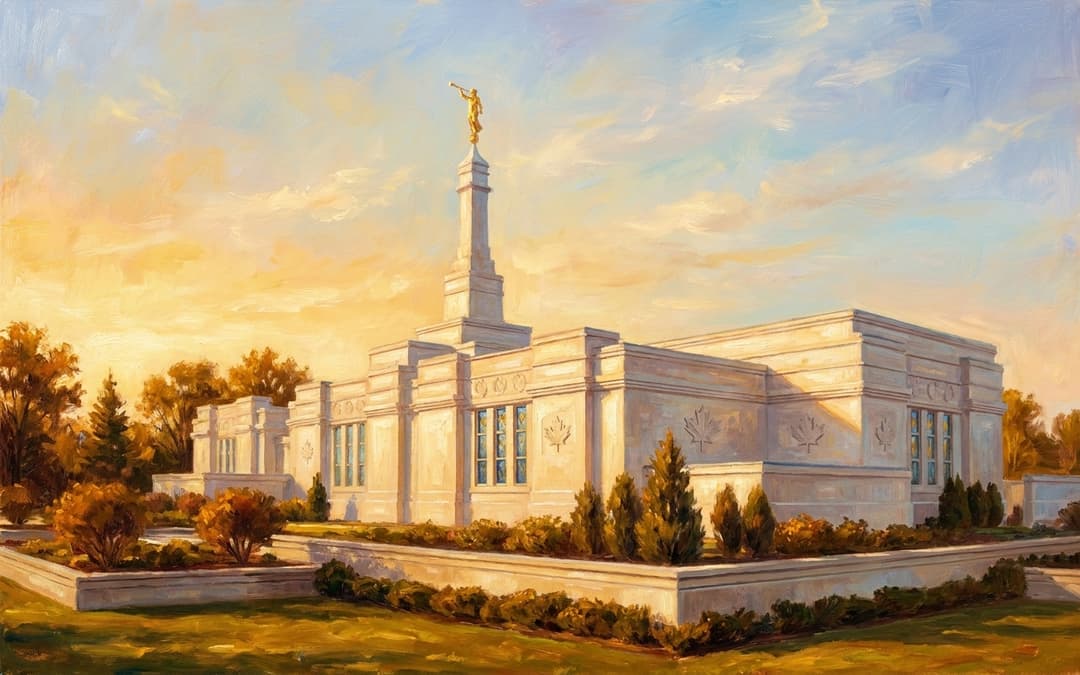
The Montreal Quebec Temple is a sacred house of worship for members of The Church of Jesus Christ of Latter-day Saints. While the grounds are open to the public, the interior is reserved for faithful members after its dedication.
Highlights
- Grounds are open to the public for quiet contemplation.
- Public open houses are held before dedication or after major renovations.
Things to Know
- No dedicated visitors' center on the temple grounds.
- Interior access is restricted to temple recommend holders.
Location
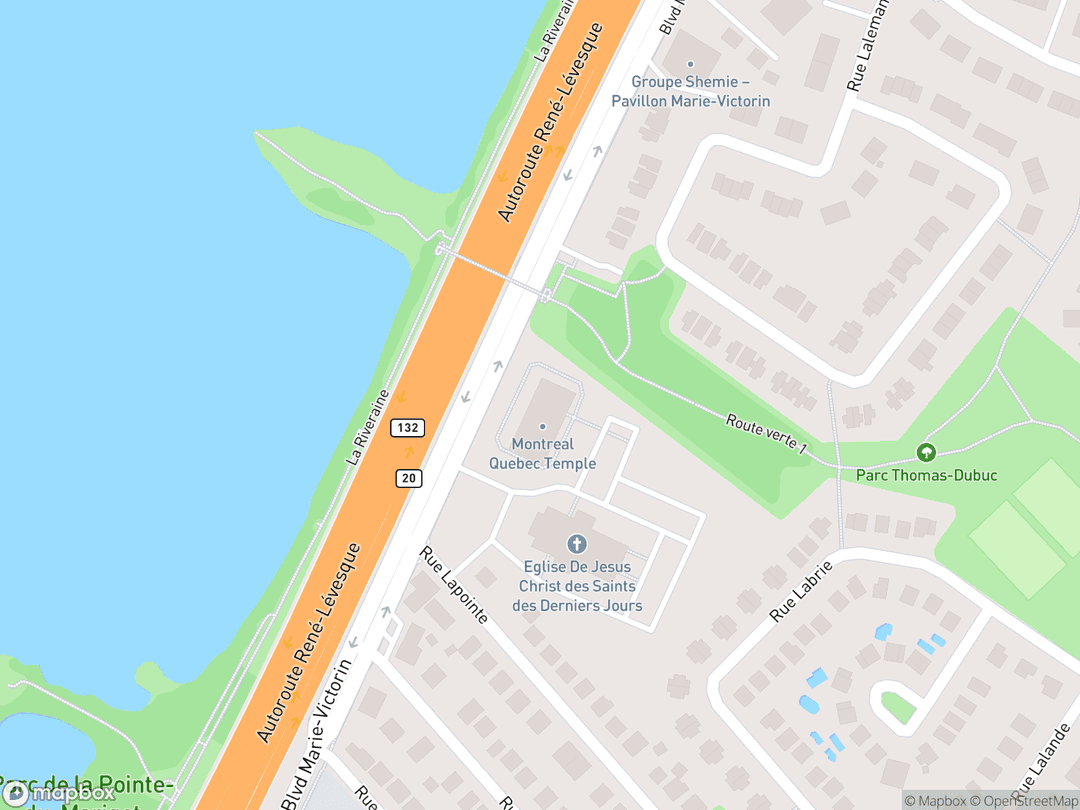
1450 Boulevard Marie-Victorin, Longueuil, Quebec J4G 1A4, Canada
Hours: Specific operating schedule available online; generally closed Sundays and Mondays.
Getting There: Located in Longueuil, Quebec, across the St. Lawrence River from Montreal. Parking is available on site.
Get DirectionsTips for Your Visit
Plan Your Visit
Check the official temple website for current operating hours and any scheduled closures before visiting.
Respect Sacred Space
While on the grounds, maintain a reverent demeanor as it is considered a sacred place of worship.
About
The Montreal Quebec Temple stands as a sacred edifice of The Church of Jesus Christ of Latter-day Saints, located in Longueuil, Quebec. As part of the broader Christian theological grouping within Abrahamic traditions, this temple serves as a dedicated house of the Lord, distinct from regular Sunday worship chapels.
It is a place where Latter-day Saints participate in sacred ordinances and make covenants with God, reflecting a deeper commitment to their faith and eternal families. The temple underwent significant renovations from 2014 to 2015, enhancing its structural integrity and interior beauty.
Gallery
Symbolic Elements
The temple's exterior features intricate carvings, each rich with spiritual meaning:

Angel Moroni
A gold-leafed statue atop the spire, symbolizing the restoration of the everlasting gospel of Jesus Christ.

Maple Leaf Carvings
Carved into both the exterior and interior, the maple leaf serves as a direct symbol of Canada and its natural beauty.

Fleur-de-lis
Integrated into the interior decor, the fleur-de-lis honors the French heritage and cultural tapestry of Quebec.

Rose Motif
Representing the English heritage, the rose motif is subtly woven into the temple's elegant interior design.

Thistle Motif
Acknowledging Scottish roots, the thistle motif contributes to the diverse cultural symbolism within the temple.

Shamrock Motif
The shamrock motif pays tribute to the Irish settlers, completing the representation of Montreal's European heritage.

Bethel White Granite
The exterior cladding of durable Bethel white granite symbolizes purity, strength, and enduring faith.
Blue and Gold Glass
Windows featuring blue and gold glass in geometric motifs draw inspiration from traditional Montreal architecture.
Interesting Facts
The Montreal Quebec Temple was the 86th operating temple of The Church of Jesus Christ of Latter-day Saints worldwide.
It holds the distinction of being the first temple built in Quebec and the sixth in Canada.
The temple was dedicated on the same day as the San José Costa Rica Temple, June 4, 2000.
The groundbreaking ceremony was uniquely held in the empty garage of a vacated automobile dealership that previously occupied the site.
During its 2014-2015 renovation, the original wood framing was replaced with reinforced concrete and steel for enhanced structural integrity.
The interior ordinance rooms feature beautiful landscape murals depicting the natural scenery and wildlife of the Montreal area.
A cultural celebration preceding the 2015 rededication involved over 400 youth performing in multiple languages.
At its original dedication, the temple served over 12,200 Church members from Quebec, Ontario, Vermont, and upstate New York.
Before the temple's construction, local Latter-day Saints faced extensive travel, sometimes driving up to 45 hours, to attend other temples.
Common Questions
What is the purpose of the Montreal Quebec Temple?
It is a sacred house of worship where Latter-day Saints make covenants with God and participate in saving ordinances.
Can non-members enter the temple?
The interior is reserved for faithful members after dedication, but public open houses are held before dedication or after major renovations.
What is the significance of the Angel Moroni statue?
The Angel Moroni symbolizes the restoration of the everlasting gospel of Jesus Christ to the earth.
Why was the temple renovated in 2014-2015?
The temple underwent renovations to address water damage, mold, and to replace original wood framing with reinforced concrete and steel.
What cultural symbols are found within the temple?
The interior features the fleur-de-lis, rose, thistle, and shamrock, honoring the diverse European heritage of Montreal's settlers.
Featured Stories
A Prophetic Announcement in Canada
1998
In August 1998, President Gordon B. Hinckley visited Canada and announced plans for a temple in Montreal. This announcement brought immense joy and anticipation to Latter-day Saints in Quebec, who had long traveled great distances for temple worship.
From Car Dealership to Sacred Ground
1999
The groundbreaking ceremony for the Montreal Quebec Temple was held in a unique location: the empty garage of a former automobile dealership. This transformation of a commercial site into sacred ground symbolized a new spiritual beginning for the community.
Rededication and Cultural Celebration
2015
Following extensive renovations, the temple was rededicated by President Henry B. Eyring in November 2015. The rededication was preceded by a vibrant cultural celebration, where over 400 youth performed in multiple languages, reflecting Quebec's rich diversity.
Timeline
Temple Announced
President Gordon B. Hinckley announced plans to construct a temple in Montreal during a visit to Canada.
component.timeline.announcementGroundbreaking Ceremony
Elder Gary J. Coleman presided over the groundbreaking, held on the site of a former automobile dealership.
component.timeline.groundbreakingPublic Open House
Approximately 10,000 visitors toured the temple's interior during the public open house.
EventOriginal Dedication
President Gordon B. Hinckley dedicated the temple in four sessions, making it the 86th operating temple worldwide.
DedicationClosed for Renovation
The temple closed for extensive renovations due to water damage and structural upgrades.
RenovationSecond Public Open House
Around 7,800 visitors toured the renovated temple during its second public open house.
EventCultural Celebration
Over 400 youth from Quebec and eastern Ontario participated in a cultural celebration before the rededication.
EventRededication
President Henry B. Eyring rededicated the temple after its extensive renovations.
DedicationTemporary Closure (COVID-19)
The temple, like all others, temporarily closed in response to the COVID-19 pandemic.
EventHistory by Decade
1990s — Announcement and Groundbreaking
The 1990s marked the beginning of the Montreal Quebec Temple's journey. In August 1998, President Gordon B. Hinckley announced the temple, fulfilling a long-held desire of local members. The groundbreaking ceremony followed in April 1999, commencing construction on a site with a unique past.
2000s — Dedication and Early Operation
The new millennium brought the temple's completion and dedication. After a public open house in May 2000, President Gordon B. Hinckley dedicated the Montreal Quebec Temple on June 4, 2000. It became the 86th operating temple of the Church, serving a wide region.
2010s — Renovation and Rededication
In 2014, the temple closed for extensive renovations to address structural issues and water damage. After a comprehensive overhaul, including replacing wood framing with concrete and steel, the temple was rededicated by President Henry B. Eyring in November 2015, restoring its beauty and functionality.
2020s — Continued Service and Global Challenges
The temple continued its sacred work into the 2020s, providing essential ordinances for Latter-day Saints. Like all temples worldwide, it experienced temporary closures in response to the global COVID-19 pandemic, adapting to ensure the safety of its patrons.
Architecture & Facilities
The Montreal Quebec Temple is designed in a classic modern style, featuring clean lines and a single spire, reflecting a contemporary yet reverent aesthetic that harmonizes with its urban Canadian setting. Its design emphasizes simplicity and elegance, characteristic of many smaller Latter-day Saint temples built in the late 20th century.
Building Materials
Exterior Cladding
Bethel white granite from Vermont provides a durable and pristine finish to the temple's exterior.
Interior Woodwork
Mahogany wood from Africa and native maple millwork from Quebec are used throughout the building, adding warmth and local character.
Baptismal Font
Crafted from elegant Crema Marfil stone with Jerusalem Gold accents and bronze railings, it creates a sacred focal point.
Window Glass
Blue and gold glass in geometric motifs adorns the windows, inspired by traditional metal grilles found in Montreal's historic architecture.
Interior Features
Ordinance Rooms
These rooms feature new landscape murals depicting the wildlife and scenery of the Montreal area, particularly the St. Lawrence River.
Sealing Rooms
Designed for sacred marriage covenants, these rooms are adorned with cream-colored paint and elegant gold-leaf accents.
Baptistry
A sacred space for proxy baptisms, featuring beautiful stone and bronze work, it serves a vital role in temple worship.
Interior Decor
Culturally significant floral motifs, including the fleur-de-lis, rose, thistle, and shamrock, are integrated throughout, honoring diverse heritage.
Temple Grounds
The temple grounds are meticulously landscaped, providing a serene environment for contemplation and reflection, with pathways leading to the temple entrance.
Additional Facilities
An on-site distribution center is available for members to purchase temple garments and clothing, but there is no dedicated visitors' center or temple housing at this location.
Religious Significance
As a sacred edifice within the Christian theological grouping of Abrahamic traditions, the Montreal Quebec Temple holds profound religious significance for members of The Church of Jesus Christ of Latter-day Saints.
The temple's core spiritual purpose is to provide a dedicated house of the Lord where individuals can draw closer to God, make sacred covenants, and participate in ordinances essential for eternal salvation and exaltation.
Sacred Ordinances
Baptism for the Dead
Proxy baptisms are performed for deceased ancestors, offering them the opportunity to accept saving ordinances beyond the veil.
Endowment
Members receive sacred instructions and make covenants with God, preparing them to return to His presence and live eternally.
Sealing
Families are united for eternity through sacred sealing ordinances, binding generations together in everlasting covenants.
Covenants and Promises
The temple is a place where individuals make solemn promises to God, committing to live a consecrated life and follow the teachings of Jesus Christ.
Eternal Families
A central doctrine of the Church, the temple teaches and facilitates the eternal nature of family relationships, providing ordinances to bind families together forever.
Similar Temples
Sources & Research
Every fact on Temples.org is backed by verified Sources & Research. Each piece of information is rated by source tier and confidence level.
View All Sources (5)
| Field | Source | Tier | Retrieved |
|---|---|---|---|
| About & Historical Background | The Church of Jesus Christ of Latter-day Saints (opens in a new tab) | A | 2024-07-30 |
| Historical Timeline & Facts | ChurchofJesusChristTemples.org (opens in a new tab) | C | 2024-07-30 |
| Historical Timeline & Facts | Photogent (opens in a new tab) | C | 2024-07-30 |
| Architectural Materials | ProQuest (opens in a new tab) | B | 2024-07-30 |
| Historical Context | The Church of Jesus Christ of Latter-day Saints (opens in a new tab) | A | 2024-07-30 |