Visitor Insights
Visiting Toronto Ontario Temple
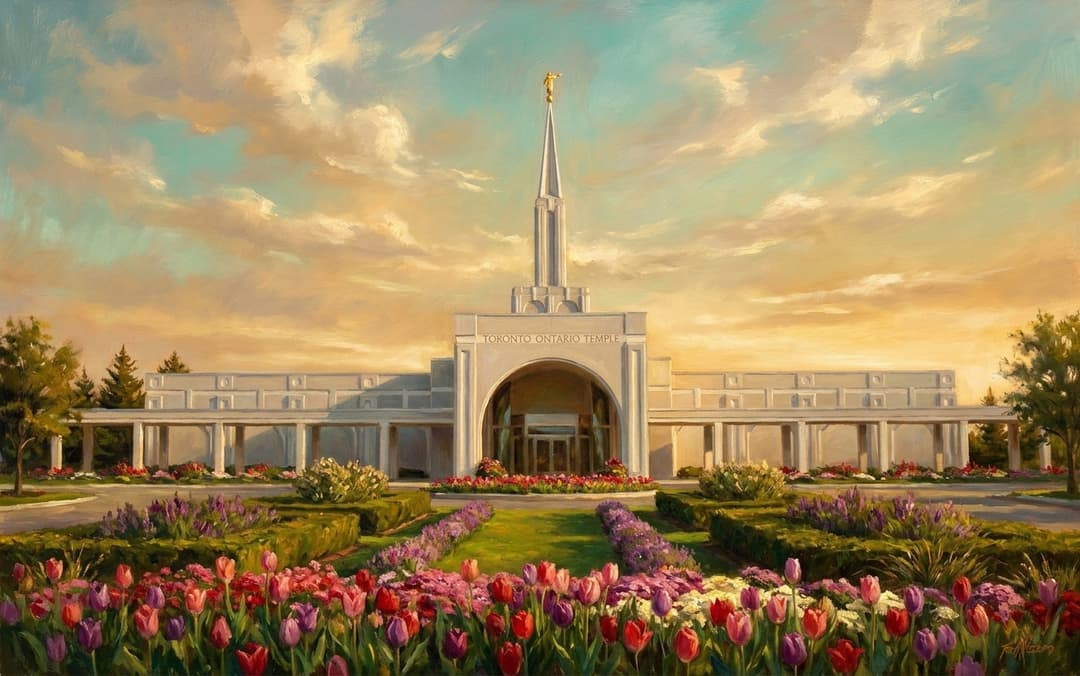
The Toronto Ontario Temple offers a serene and sacred environment for visitors to appreciate its architecture and peaceful grounds. While only members of The Church of Jesus Christ of Latter-day Saints with a temple recommend can enter the temple itself after dedication, the grounds are open to the public, providing a tranquil space for reflection. Visitors can expect a well-maintained landscape and an atmosphere of reverence, making it a place for quiet contemplation.
Highlights
- Enjoy the beautifully landscaped grounds, perfect for a peaceful walk.
- Admire the temple's modern architecture and the angel Moroni statue atop the spire.
Things to Know
- The temple is located in a residential area; please be respectful of the surroundings.
- After the dedication, access to the interior is limited to temple recommend holders.
Location

10060 Bramalea Rd, Brampton, Ontario L6R 1A1, Canada
Hours: Grounds are open daily from dawn until dusk.
Getting There: The temple is located at 10060 Bramalea Rd, Brampton, Ontario. Parking is available at the adjacent Stake Center.
Get DirectionsTips for Your Visit
Plan Your Visit
Check the Church's official website for any scheduled events or closures before visiting.
About
The Toronto Ontario Temple stands as the 44th operating temple of The Church of Jesus Christ of Latter-day Saints. Located in Brampton, Ontario, a suburb of Toronto, it serves the Latter-day Saint community in Ontario and surrounding areas. As part of the Christian theological grouping and Abrahamic traditions, the temple provides a dedicated space for members to participate in sacred religious ordinances, strengthening their connection with God and reinforcing their faith.
The temple's history dates back to its announcement on April 7, 1984, followed by a groundbreaking ceremony on October 10, 1987. After a period of construction and anticipation, the temple was dedicated from August 25-27, 1990, by Gordon B. Hinckley. The Toronto Ontario Temple closed for renovations in October 2023 and was rededicated on March 23, 2025, by Jeffrey R. Holland, marking a new chapter in its service to the community.
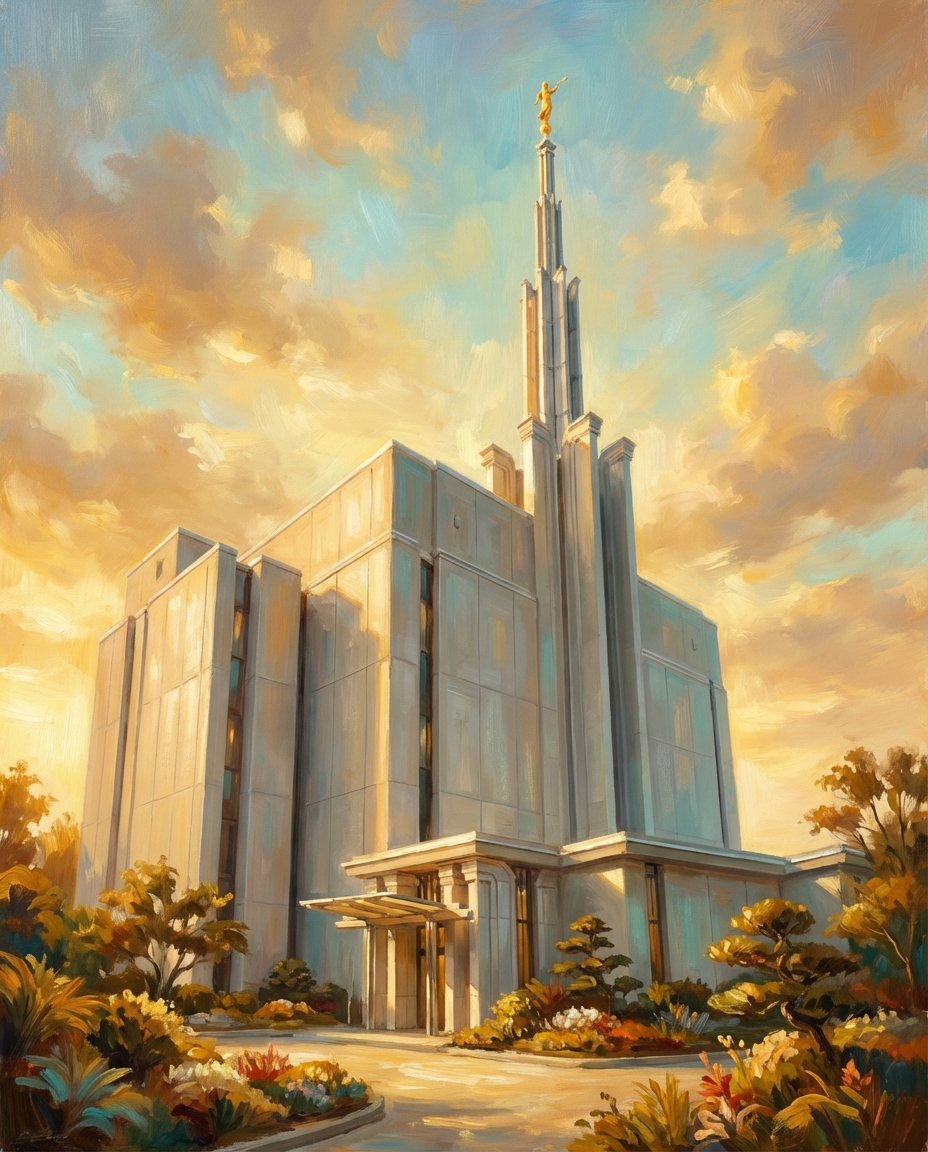
Architecturally, the temple features a modern design with a single spire, constructed with white cast stone. Its design was inspired by the Denver Colorado Temple, reflecting a sense of reverence and spiritual aspiration. The temple's interior includes four ordinance rooms, six sealing rooms, and a baptistry, providing ample space for sacred ceremonies and worship. The temple is oriented east, symbolizing anticipation of the Second Coming of Christ, a significant aspect of Christian eschatology.
Gallery
Symbolic Elements
The temple's exterior features intricate carvings, each rich with spiritual meaning:

Angel Moroni Statue
The statue of the angel Moroni atop the temple symbolizes the restoration of the gospel of Jesus Christ. It represents the angel mentioned in the Book of Revelation, signifying the spreading of the gospel message to all nations.

Eastward Orientation
The temple faces east, reflecting the ancient Israelite tradition of facing the rising sun during prayer. This orientation symbolizes anticipation of the Second Coming of Christ, likened to the dawning of a new day.

White Cast Stone Exterior
The exterior of the temple is constructed with white cast stone, representing purity, light, and holiness. The choice of white stone reflects the sacred nature of the temple and its divine purpose.

Single Spire Design
The single spire of the Toronto Ontario Temple directs attention heavenward, symbolizing the connection between earth and the divine. It represents the aspiration of Latter-day Saints to ascend spiritually and draw closer to God.

Baptistry
The baptistry within the temple is used for performing baptisms for the dead, a practice rooted in Christian theology. This ordinance symbolizes offering salvation to those who have passed away without the opportunity to be baptized.

Sealing Rooms
The sealing rooms are where marriages are performed, uniting families for eternity. These rooms symbolize the eternal nature of family relationships and the importance of making sacred covenants.

Ordinance Rooms
The ordinance rooms are dedicated spaces where members participate in sacred ceremonies and instruction. These rooms provide a setting for spiritual growth and learning about the plan of salvation.

Inscriptions in English and French
The exterior inscriptions are in both English and French, the official languages of Canada. This reflects the temple's service to a diverse community and the importance of making sacred teachings accessible to all.
Interesting Facts
The Toronto Ontario Temple was the second temple built in Canada, following the Cardston Alberta Temple.
Canada was the first country outside the United States to have two temples within its borders.
The temple district includes Latter-day Saints from six Canadian provinces and parts of five American states.
The services during the dedication were translated into multiple languages, reflecting the cultural diversity of the temple district.
The temple's design is based on plans created for the Denver Colorado Temple.
The temple closed for renovations in October 2023 and reopened in December 2024, with interior reconfigurations and upgrades to meet increased patron demand and improve accessibility.
The renovation included upgrades to the heating, ventilation, and air conditioning systems.
The temple site is 13.4 acres.
The temple has a total floor area of 55,558 square feet.
The temple serves members from 8 stakes and 1 district headquartered in Ontario.
Common Questions
What is the purpose of the Toronto Ontario Temple?
The Toronto Ontario Temple serves as a sacred place where members of The Church of Jesus Christ of Latter-day Saints can make covenants with God and participate in religious ordinances, such as marriages and baptisms for the dead, that strengthen their faith and connection with the divine.
Can anyone visit the Toronto Ontario Temple?
The temple grounds are open to the public for all to enjoy. However, after the temple is dedicated, only members of The Church of Jesus Christ of Latter-day Saints who hold a valid temple recommend are permitted to enter the temple itself to participate in sacred ordinances.
What are temple recommends?
Temple recommends are certifications issued to members of The Church of Jesus Christ of Latter-day Saints who are living in accordance with the teachings and standards of the Church. These recommends allow them to enter and participate in the sacred ordinances performed within temples.
What is the significance of the angel Moroni statue on the temple?
The statue of the angel Moroni, which stands atop many temples of The Church of Jesus Christ of Latter-day Saints, symbolizes the restoration of the gospel of Jesus Christ to the earth. Moroni was an ancient prophet who revealed the Book of Mormon to Joseph Smith, and the statue represents the spreading of the gospel message.
What are some of the architectural features of the Toronto Ontario Temple?
The Toronto Ontario Temple features a modern, single-spire design with an exterior made of white cast stone. It includes four ordinance rooms, six sealing rooms, and a baptistry. The temple is oriented east, and the spire is adorned with a gold-leafed statue of the angel Moroni. The temple's design was inspired by the Denver Colorado Temple.
Featured Stories
Dedication of the Toronto Ontario Temple
August 25-27, 1990
The dedication of the Toronto Ontario Temple was a momentous occasion for Latter-day Saints in Canada and beyond. Presided over by Gordon B. Hinckley, then a counselor in the First Presidency, the dedication services were held over three days, with eleven sessions to accommodate the large number of attendees. The cultural diversity of the temple district was reflected in the translation of services into multiple languages, ensuring that all felt welcome and included in this sacred event.
The dedication marked the culmination of years of anticipation and effort, as members had long awaited a temple in their region. The spiritual significance of the dedication was palpable, as attendees felt a profound connection to the divine and a renewed commitment to their faith. The event served as a unifying force, strengthening the bonds of community and reinforcing the shared values of Latter-day Saints in the area.
Source: The Church of Jesus Christ of Latter-day Saints Newsroom
Renovation and Rededication of the Toronto Ontario Temple
March 23, 2025
In October 2023, the Toronto Ontario Temple closed for extensive renovations aimed at enhancing its functionality and accessibility. The renovations included interior reconfigurations to better accommodate patrons, as well as upgrades to the heating, ventilation, and air conditioning systems. These improvements were designed to ensure that the temple could continue to serve the needs of the community for years to come. The completion of the renovations was celebrated with a public open house, allowing the community to view the updated facilities.
The rededication of the Toronto Ontario Temple on March 23, 2025, by Jeffrey R. Holland, marked a new chapter in the temple's history. The rededication services were filled with reverence and gratitude, as members expressed their appreciation for the renewed sacred space. The event symbolized a recommitment to the values and principles of the Church, and a renewed dedication to serving God and community.
Source: The Church of Jesus Christ of Latter-day Saints Newsroom
Early Missionary Efforts in Ontario
1830s-1840s
The history of The Church of Jesus Christ of Latter-day Saints in Ontario dates back to the 1830s and 1840s, when early missionaries ventured into the region to share their message. Despite facing challenges and opposition, these dedicated individuals succeeded in converting approximately 2,500 people to the faith. Their efforts laid the foundation for the growth and establishment of the Church in Ontario, paving the way for future generations of Latter-day Saints.
One notable figure from this era was John Taylor, a Methodist minister in Toronto who was baptized in 1836. Taylor went on to become the third president of the Church, demonstrating the significant impact of early converts in Ontario. The historical monument dedicated by Thomas S. Monson in 2000 serves as a lasting tribute to these early missionaries and members, honoring their contributions to the Church's history in Canada.
Source: Church History Department
Timeline
John Taylor Baptized
John Taylor, a Methodist minister in Toronto, is baptized into The Church of Jesus Christ of Latter-day Saints, later becoming the third president of the Church.
MilestoneTemple Announced
The intent to build the Toronto Ontario Temple is officially announced by The Church of Jesus Christ of Latter-day Saints.
component.timeline.announcementSite Location Announced
The location of the Toronto Ontario Temple site is announced by Thomas S. Monson.
MilestoneGroundbreaking Ceremony
Groundbreaking ceremonies are held, presided over by Thomas S. Monson, marking the beginning of the temple's construction.
component.timeline.groundbreakingPublic Open House Begins
A public open house commences, allowing visitors to tour the newly constructed Toronto Ontario Temple.
EventPublic Open House Ends
The public open house concludes, having attracted over 61,000 visitors to the Toronto Ontario Temple.
EventTemple Dedication Begins
The Toronto Ontario Temple is dedicated by Gordon B. Hinckley in the first of eleven sessions.
DedicationTemple Dedication Concludes
The final dedication session is held, completing the dedication of the Toronto Ontario Temple.
DedicationHistorical Monument Dedication
Thomas S. Monson dedicates a historical monument commemorating early missionaries and members in Upper Canada.
EventTemple Closes for Renovation
The Toronto Ontario Temple closes its doors for extensive renovations and upgrades.
RenovationRenovations Completed
Renovations on the Toronto Ontario Temple are completed, including interior reconfigurations and system upgrades.
RenovationPublic Open House Begins (Rededication)
A public open house begins, allowing the public to view the newly renovated Toronto Ontario Temple.
EventPublic Open House Ends (Rededication)
The public open house concludes, following the completion of renovations.
EventTemple Rededication
The Toronto Ontario Temple is rededicated by Jeffrey R. Holland, marking its reopening after renovations.
DedicationHistory by Decade
1830s–1840s — Early Missionary Efforts
Early missionary efforts in Ontario led to approximately 2,500 people joining The Church of Jesus Christ of Latter-day Saints. These early converts formed the foundation of the Church in the region.
1836 — John Taylor's Conversion
John Taylor, a Methodist minister in Toronto, was baptized and later became the third president of the Church. His conversion was a significant event in the early history of the Church in Canada.
1960 — First Stake in Ontario
The first stake (a group of congregations) in Ontario was created, marking a significant milestone in the organization and growth of the Church in the province.
1984 — Temple Announcement
On April 7, 1984, the intent to build the Toronto Ontario Temple was announced, bringing great excitement and anticipation to Latter-day Saints in the region.
1987 — Groundbreaking Ceremony
The groundbreaking ceremony was held on October 10, 1987, presided over by Thomas S. Monson. This event marked the beginning of the temple's construction.
1990 — Temple Dedication
The temple was dedicated from August 25-27, 1990, by Gordon B. Hinckley. The dedication services were translated into multiple languages due to the cultural diversity of the temple district.
2023 — Temple Renovation
The temple closed for renovations in October 2023 to update the facilities and improve accessibility for patrons.
2025 — Temple Rededication
The temple was rededicated on March 23, 2025, by Jeffrey R. Holland, marking the completion of the renovations and the reopening of the temple to patrons.
Architecture & Facilities
The Toronto Ontario Temple features a modern, single-spire design inspired by the Denver Colorado Temple. The exterior is constructed with white cast stone, giving it a clean and elegant appearance. The temple's architectural style reflects a blend of contemporary design principles with traditional temple aesthetics, creating a sacred and inviting space for worship.
Building Materials
Exterior
The exterior is made of white cast stone, providing a durable and aesthetically pleasing finish. The white color symbolizes purity and holiness, reflecting the sacred nature of the temple.
Spire
The spire is constructed of metal and adorned with a gold-leafed statue of the angel Moroni. The gold leaf adds a touch of elegance and grandeur to the temple's design.
Interior
The interior features high-quality materials, including wood, stone, and fabric. The design incorporates intricate details and symbolic motifs, creating a reverent and inspiring atmosphere.
Landscaping
The temple grounds are meticulously landscaped with trees, shrubs, and flowers. The landscaping enhances the beauty of the temple and provides a peaceful setting for contemplation and reflection.
Interior Features
Baptistry
The baptistry is a sacred space where baptisms for the dead are performed. It features a font of water and is designed to create a reverent atmosphere for this important ordinance.
Sealing Rooms
The sealing rooms are where marriages are performed, uniting families for eternity. These rooms are decorated with beautiful furnishings and artwork, creating a special and memorable setting.
Ordinance Rooms
The ordinance rooms are dedicated spaces where members participate in sacred ceremonies and instruction. These rooms are designed to create a spiritual and uplifting atmosphere.
Celestial Room
The Celestial Room is a quiet and peaceful space where members can reflect and pray. It is designed to evoke a sense of heaven and is considered one of the most sacred spaces in the temple.
Temple Grounds
The temple grounds are open to the public and feature well-maintained lawns, gardens, and walkways. Visitors can enjoy the peaceful atmosphere and admire the beauty of the temple and its surroundings.
Additional Facilities
The temple includes a visitors' center where guests can learn more about the Church and the purpose of temples. There is also a family history center where individuals can research their ancestry.
Religious Significance
The Toronto Ontario Temple is a sacred edifice dedicated to performing religious ordinances that are central to the faith of The Church of Jesus Christ of Latter-day Saints. As part of the Christian theological grouping and Abrahamic traditions, the temple is considered a house of the Lord, a place where members can draw closer to God and make sacred covenants.
The primary purpose of the temple is to provide a space where members can participate in ordinances that have eternal significance, such as baptisms for the dead, endowments, and sealings. These ordinances are believed to be essential for salvation and exaltation.
Sacred Ordinances
Baptism for the Dead
Baptism for the dead is an ordinance performed in temples on behalf of those who have died without the opportunity to be baptized. This practice is rooted in the belief that all individuals should have the chance to accept the gospel of Jesus Christ.
Endowment
The endowment is a sacred ordinance in which members receive instruction, make covenants, and are blessed with spiritual power. This ordinance is designed to prepare individuals for eternal life.
Sealing
Sealing is the ordinance by which marriages and families are united for eternity. This ordinance is performed in temples and is considered essential for eternal family relationships.
The Temple as a House of Prayer
Temples are considered houses of prayer, where members can seek divine guidance and inspiration. The temple provides a quiet and reverent atmosphere for prayer and meditation.
The Temple as a Place of Learning
Temples are also places of learning, where members can receive instruction about the gospel of Jesus Christ. The temple provides a setting for spiritual growth and understanding.
The Temple as a Symbol of Faith
The temple stands as a symbol of faith and commitment for members of The Church of Jesus Christ of Latter-day Saints. It represents their belief in eternal life and the importance of making sacred covenants with God.
Similar Temples
Sources & Research
Every fact on Temples.org is backed by verified Sources & Research. Each piece of information is rated by source tier and confidence level.
View All Sources (5)
| Field | Source | Tier | Retrieved |
|---|---|---|---|
| About & Historical Background | The Church of Jesus Christ of Latter-day Saints (opens in a new tab) | A | 2024-07-04 |
| Architectural Details | churchofjesuschristtemples.org (opens in a new tab) | C | 2024-07-04 |
| Temple Location & Address | The Church of Jesus Christ of Latter-day Saints (opens in a new tab) | A | 2024-07-04 |
| Temple Design Inspiration | MormonWiki (opens in a new tab) | C | 2024-07-04 |
| Temple Statistical Information | churchofjesuschristtemples.org (opens in a new tab) | C | 2024-07-04 |