Visitor Insights
Visiting Hanging Temple
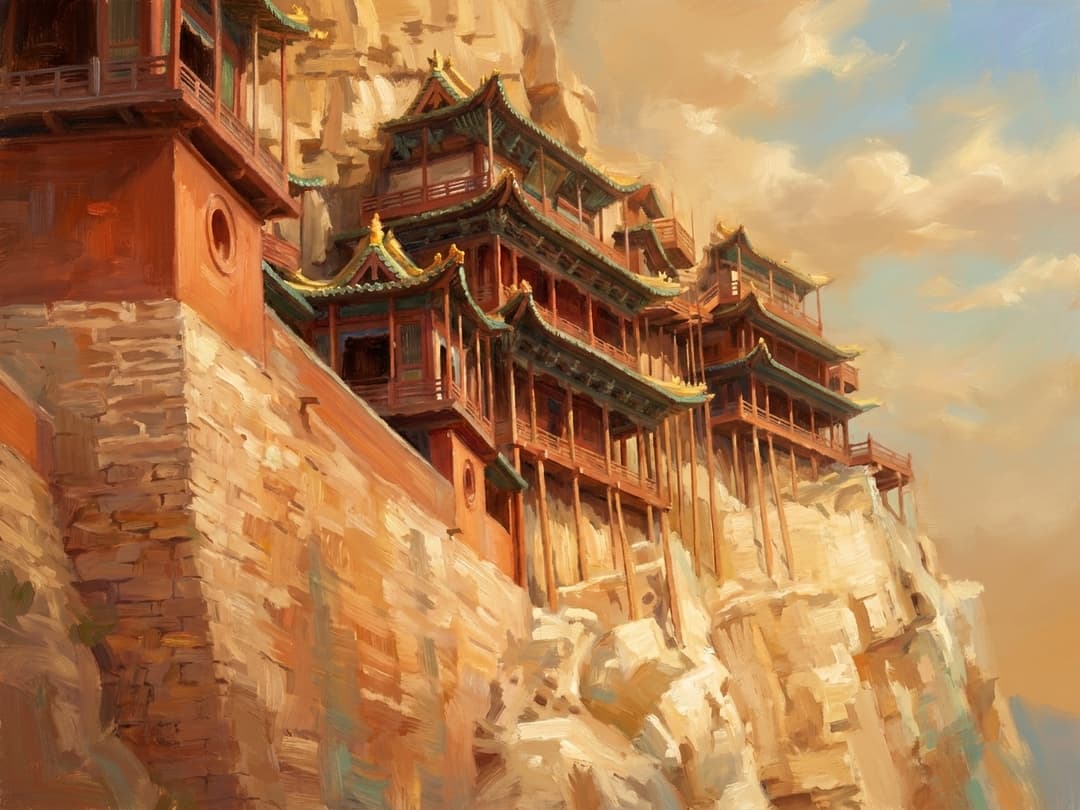
Perched high upon the Cuiping Peak cliff face, the Hanging Temple offers a dramatic journey across narrow wooden skywalks and steep cliff stairs. Visitors witness an extraordinary blend of early Buddhist mountain asceticism and Chinese mortise-and-tenon craftsmanship.
Highlights
- Three Religions Hall enshrining Shakyamuni Buddha, Laozi, and Confucius together
- Changxian Bridge connecting the Northern and Southern cliff pavilions
- Li Bai calligraphy inscription carved into the canyon bedrock below
- Ingenious horizontal cantilever timber beams embedded into deep cliff sockets
Things to Know
- Boarding passes are capped daily to prevent mechanical fatigue on ancient timbers
- Walkways are narrow and one-way with low railings over sheer drop-offs
- High winds and icy conditions in winter may prompt temporary balcony closures
Location
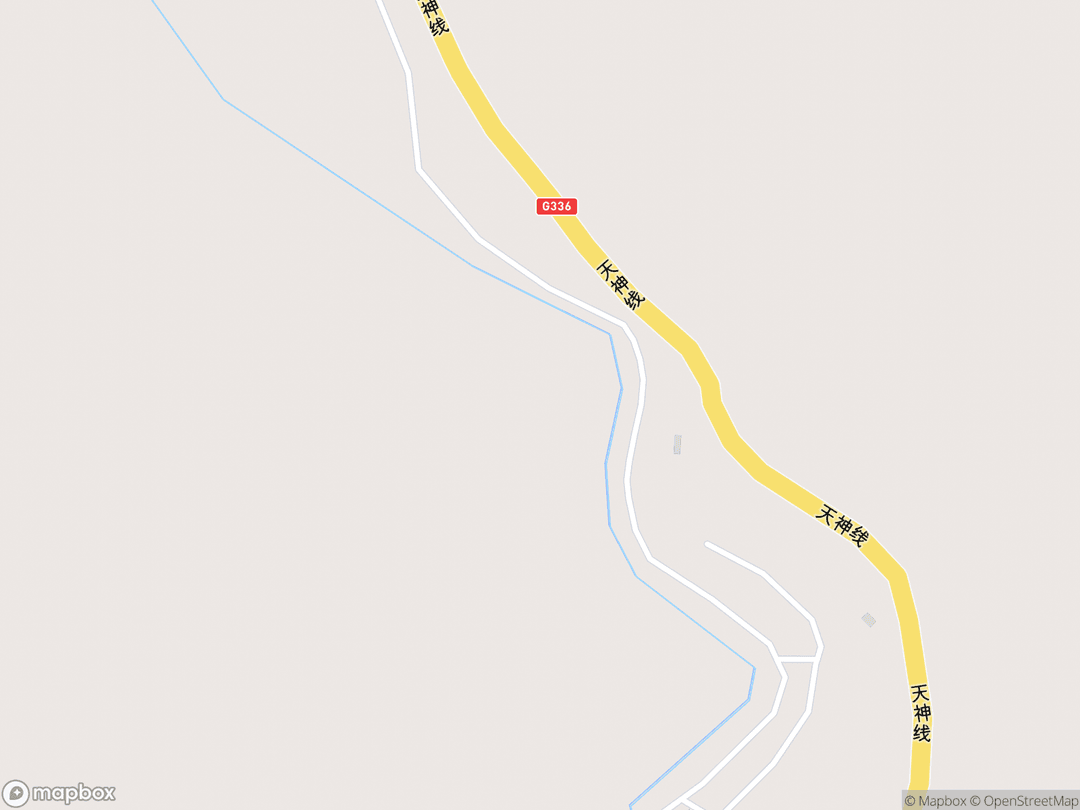
West Cliff of Jinlong Gorge, Cuiping Peak, Mount Hengshan, Hunyuan County, Datong City, Shanxi Province, China
Hours: 07:30 - 17:30 (Peak Season: May to September)
Getting There: Take high-speed rail from Beijing to Datong South Station, then board regional shuttles or taxis 65 km southeast to Hunyuan County.
Get DirectionsTips for Your Visit
Book Boarding Tickets Early
Reserve the upper walkway boarding pass weeks in advance as daily entry is strictly capped.
Arrive at Opening
Visit before 09:00 to avoid long queues on the single-file cliff stairs and enjoy calm morning light.
Mind the Heights
Visitors with severe vertigo should enjoy the monastery from the canyon floor viewing platforms.
About
Constructed in 491 CE during the Northern Wei Dynasty, the Hanging Temple (Xuankong Si) clings to a vertical cliff face in Jinlong Gorge. Founded by the Buddhist monk Liaoran, this architectural marvel was deliberately engineered above seasonal flash floods while shielding ancient timber structures from weathering.
Within Buddhist and broader Dharmic philosophy, the physical monastery serves as a tangible embodiment of emptiness (Śūnyatā) and the impermanence of worldly existence. Perched on sheer precipices, the temple provides an ascetic sanctuary where monastics confront groundlessness and achieve spiritual mindfulness far removed from secular distraction.
The monastery stands as China's premier historic sanctuary exemplifying the syncretic Sanjiao Heyi tradition, harmonizing Buddhism, Daoism, and Confucianism under one roof. Its ingenious cantilevered timber beams, drilled deep into solid bedrock sockets, have preserved over forty interconnected halls across more than fifteen centuries of seismic activity.
Gallery
Symbolic Elements
The temple's exterior features intricate carvings, each rich with spiritual meaning:
Cantilever Crossbeams (Feiliang)
Horizontal timber cantilevers anchored into bedrock represent human ingenuity harmonizing directly with enduring nature.
Three Religions Altar (Sanjiao)
Central figures of Shakyamuni, Laozi, and Confucius symbolize theological peace, shared wisdom, and social equilibrium.

Mortise-and-Tenon (Sunmao)
Interlocking nail-free joinery embodies Buddhist adaptability and elastic resilience against life's seismic disruptions.

Protective Rock Niche
The natural stone hollow serves as an architectural womb offering sanctuary from cyclic natural torrents and storms.
Connecting Skyway (Changxian Bridge)
Suspended planks across open abysses mirror the perilous transit of the spiritual seeker crossing from delusion to enlightenment.

Curved Terracotta Eaves
Traditional upward-flaring ceramic roof ridges channel mountain runoff away while invoking celestial dragons.

The Void (Śūnyatā)
The dizzying vertical drop directly underneath the walkways physically manifests the core Buddhist doctrine of emptiness.
Interesting Facts
The temple has withstood over fifteen centuries of tremors, including major regional earthquakes, thanks to flexible wooden joints (Tier A).
Slender vertical pillars below can actually be shaken when unloaded, proving that hidden cantilever beams bear the building's weight (Tier A).
Natural cliff overhangs shield the ancient wooden frames, restricting daily ultraviolet sun exposure to only three or four hours (Tier B).
The monastery is renowned for seating the founders of Buddhism, Daoism, and Confucianism side by side upon a single shared altar (Tier A).
Its original Chinese name alluded to Daoist mystery and Buddhist emptiness before evolving into a homophone for hanging (Tier B).
Poet Li Bai added an extra brush stroke dot to his cliff inscription to emphasize that the temple was beyond ordinary grandeur (Tier B).
Craftsmen assembled the multi-tiered complex without metal nails by utilizing ancient mortise-and-tenon woodworking joints (Tier A).
Structural timbers were boiled in tung oil and historical mineral preservatives to completely repel fungal rot and insect damage (Tier B).
Common Questions
Do the vertical stilts support the full weight of the temple?
No, horizontal cantilever beams anchored deep in the rock support the building, while vertical poles serve as auxiliary stabilizers.
Why was the temple built hanging on a sheer cliff?
The cliff overhang protects timbers from sun, rain, and floods, while creating an isolated space for Buddhist meditation.
Which religions are represented inside the complex?
It uniquely enshrines Buddhism, Daoism, and Confucianism together, most notably inside the Three Religions Hall.
How high is the temple above the ground?
The lowest pavilion platform hangs approximately 50 meters above the canyon floor, with upper pavilions reaching 75 meters.
Featured Stories
Liaoran's Vision of Emptiness
491 CE
Seeking freedom from worldly clamor, Northern Wei monk Liaoran scaled the precipitous cliffs of Jinlong Gorge to establish a meditation retreat. Defying conventional construction methods, he chiseled sockets directly into the stone, creating an architectural sanctum suspended in mid-air. His creation transformed terrifying mountain heights into a serene sanctuary designed for profound Buddhist contemplation.
Source: Mount Hengshan Historical Records
Li Bai's Masterpiece of Words
735 CE
Wandering through Shanxi Province during the Tang Dynasty, legendary poet Li Bai stood captivated before the gravity-defying pavilions of Cuiping Peak. Moved beyond ordinary poetic expression, he took up a brush and inscribed the characters for 'Magnificent' onto the stone floor below. To signify that ordinary language fell short of its grandeur, he deliberately punctuated the first character with a bold extra ink dot.
Source: Datong Cultural Heritage Archives
Xu Xiake's Perilous Traverse
1633
Famed Ming Dynasty travel geographer Xu Xiake journeyed into Jinlong Gorge to personally verify legends of a monastery hanging on rock. Ascending the creaking, narrow timber galleries, he meticulously recorded the miraculous mortise framework and sheer vertigo of the chasm in his journals. His writings praised the builders for transforming sheer rock crevices into a floating realm of spiritual detachment.
Source: Travel Diaries of Xu Xiake
Timeline
Founding of Xuankong Si
Northern Wei Buddhist monk Liaoran initiates construction of a cliffside hermitage on Cuiping Peak.
MilestonePoet Li Bai Visit
Tang Dynasty poet Li Bai inspects the suspended pavilions and carves his famous 'Magnificent' inscription.
EventJin Dynasty Structural Renewal
The monastery undergoes repairs, solidifying the integration of Buddhist and Daoist altar statuary.
RenovationWanli Reign Restoration
Ming Dynasty master carpenters reinforce cantilever crossbeams and anchor hemlock timbers deep into bedrock sockets.
RenovationXu Xiake Expedition
Ming travel writer Xu Xiake documents the suspended galleries and engineering feats in his diaries.
EventLate Qing Maintenance
Local monastic stewards repair boardwalk joinery to withstand northern loess plateau sandstorms.
RenovationGovernment Boardwalk Stabilization
The People's Republic of China undertakes modern stabilization of damaged exterior plank paths.
RenovationNational Heritage Designation
The State Council proclaims the monastery a Major Historical and Cultural Site Protected at the National Level.
MilestoneGlobal Architectural Recognition
Time magazine selects the Hanging Temple as one of the world's most precarious historic buildings.
MilestoneFiber-Optic Sensor Implementation
Engineers install non-invasive digital monitors to continuously track timber beam deflection and live load stresses.
MilestoneArchitecture & Facilities
The Hanging Temple represents classical Chinese cliffside timber frame architecture (Chuan-dou and Tai-liang systems), vertically layered across sheer sandstone precipices rather than laid along a conventional horizontal plane. Its design harmonizes Buddhist spatial detachment with Daoist geomancy and brilliant structural engineering.
Building Materials
Treated Hemlock Timber
Local mountain hemlock was boiled in hot tung oil to prevent moisture decay and boring beetles.
Bedrock Sockets
Square holes cut two to three meters deep into sandstone anchor the load-bearing crossbeams.
Expansion Oak Wedges
Dense wedges hammered into the socket mortises lock the crossbeams firmly against the stone.
Unglazed Terracotta Tiles
Curved earthenware roof tiles channel heavy rainfall away from the wooden framework.
Interior Features
Three Religions Hall
Houses historic sculptures of Shakyamuni Buddha, Laozi, and Confucius gathered on a shared altar.
Leiyin Hall
Dedicated to Buddhist ritual chants and sutra recitations echoing through the mountain canyon.
Chunyang Hall
An intimate cliff shrine dedicated to Daoist cultivation and contemplative inner harmony.
Guanyin Hall
Enshrines the Bodhisattva of Compassion overlooking the precipitous canyon depths below.
Temple Grounds
The physical grounds encompass the rugged gorge floor of Jinlong Gorge, featuring a riverside viewing plaza, carved stone inscriptions from ancient visitors, and rock-hewn steps leading to the main boarding gate.
Additional Facilities
A modern visitor reception center at Mount Hengshan provides shuttle ticketing, interpretive historical displays, and preservation monitoring stations.
Religious Significance
Rooted in Buddhist Dharma and integrated with indigenous Chinese traditions, the Hanging Temple manifests spiritual transcendence over temporal fear and physical attachment.
To provide an ascetic sanctuary where monastics and pilgrims confront impermanence, cultivate mindfulness, and honor the harmony of the Three Teachings.
Sacred Ordinances
Mindful Circumambulation
Navigating suspended narrow walkways above deep precipices forces practitioners into intense, present-moment contemplative awareness.
Three Teachings Veneration
Pilgrims offer incense simultaneously to Shakyamuni, Laozi, and Confucius, celebrating universal ethical and metaphysical harmony.
Emptiness and the Cliff
Suspended between earth and sky, the monastery serves as a physical metaphor for Śūnyatā, showing that stability is found not in solid ground but in balance and detachment.
Syncretic Harmony (Sanjiao Heyi)
The temple represents the historical maturation of Chinese thought, where Buddhist metaphysics, Daoist naturalism, and Confucian civic ethics peacefully coalesce.
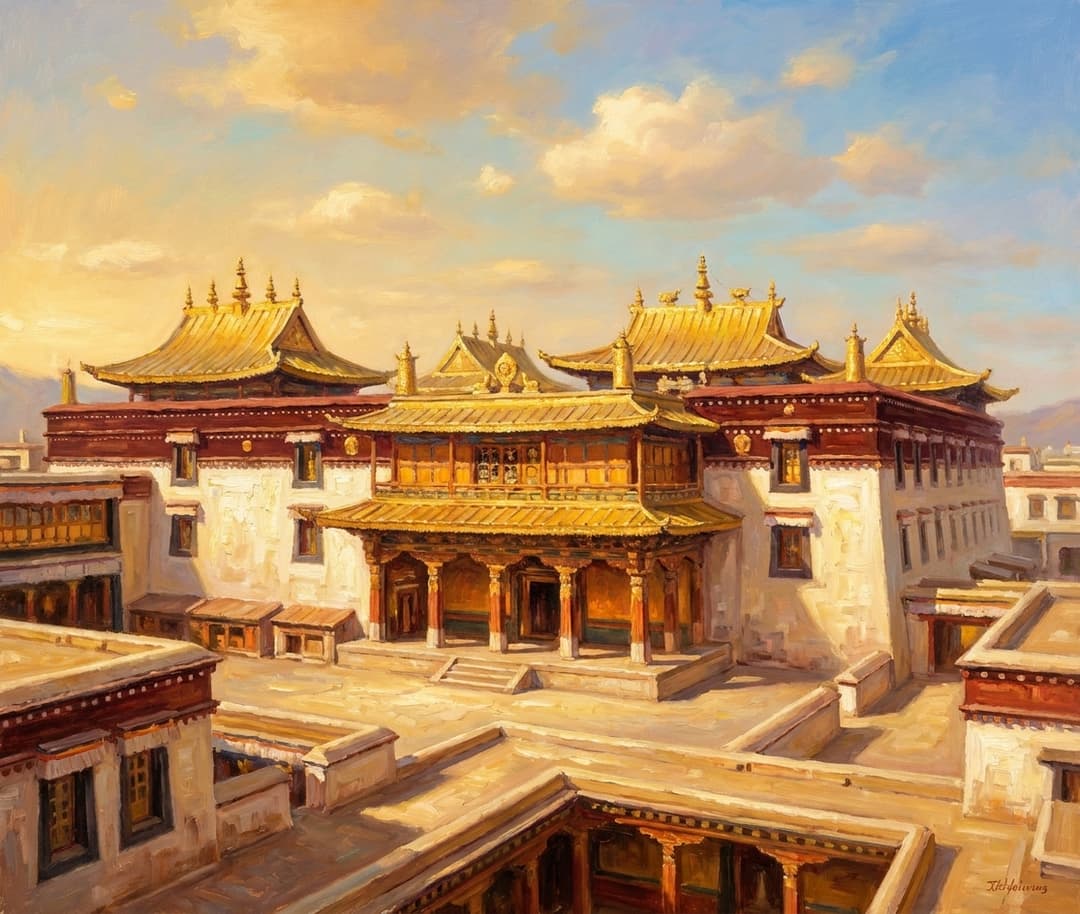
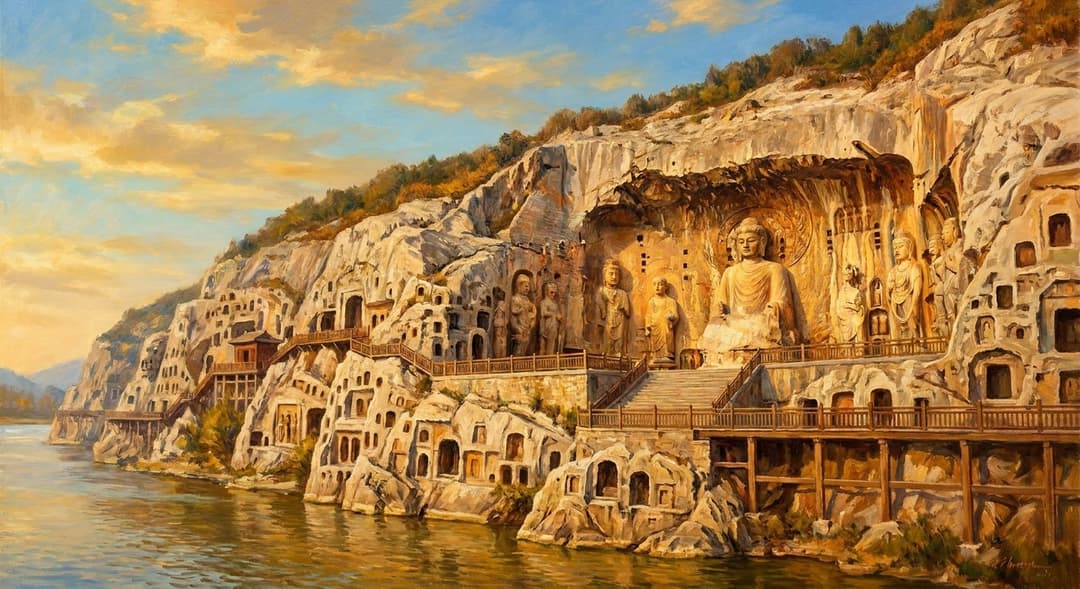
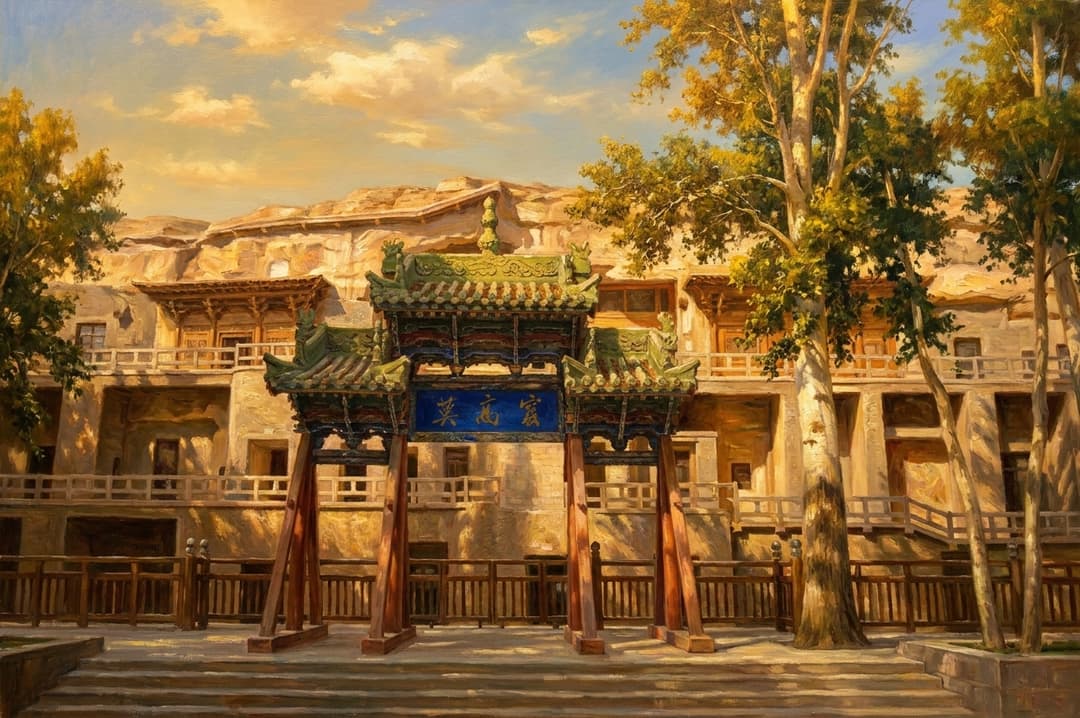
Similar Temples
Sources & Research
Every fact on Temples.org is backed by verified Sources & Research. Each piece of information is rated by source tier and confidence level.
View All Sources (5)
| Field | Source | Tier | Retrieved |
|---|---|---|---|
| About & Historical Background | Mount Hengshan Scenic Area Administrative Committee (opens in a new tab) | A | 2026-02-17 |
| Architectural Survey & Engineering | Taylor & Francis Group (opens in a new tab) | B | 2026-02-17 |
| Historical Records & Travelogue Citations | Academic Archival Documents (opens in a new tab) | B | 2026-02-17 |
| Regional Transport & Transit Data | Trip.com Travel Services (opens in a new tab) | D | 2026-02-17 |
| Visitor Logistics & Guide Services | GetYourGuide Travel Portal (opens in a new tab) | D | 2026-02-17 |