Visitor Insights
Visiting Temple of Philae
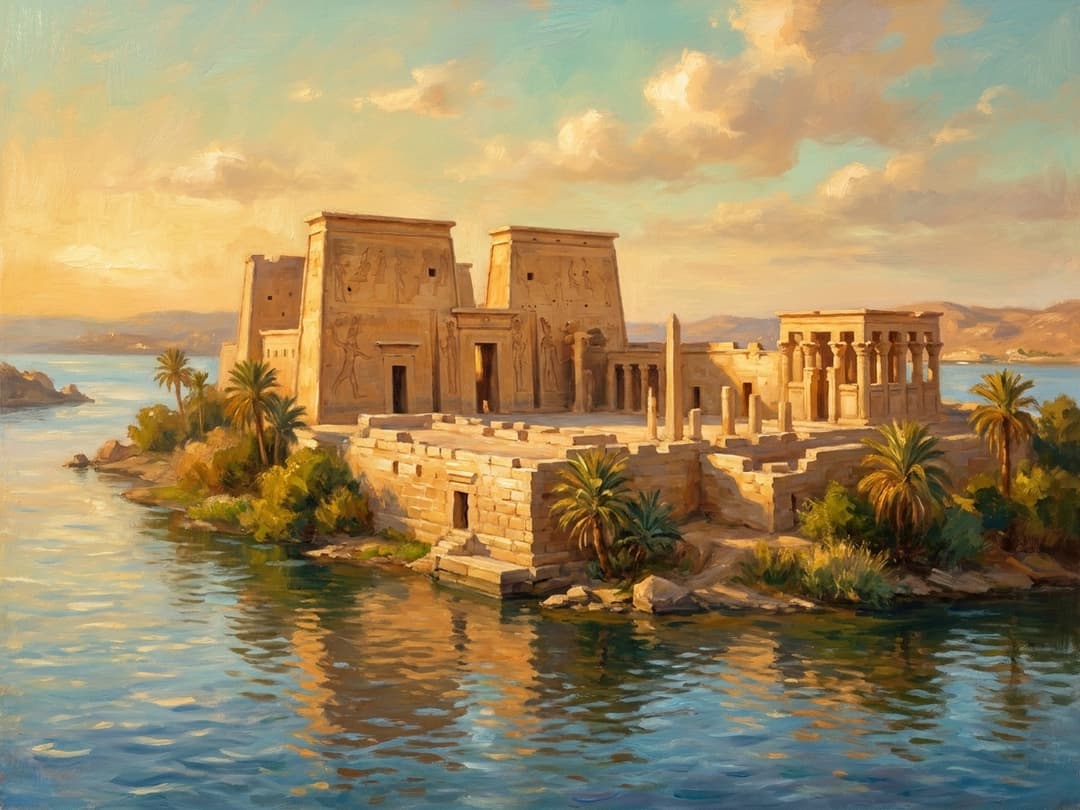
Visiting the Temple of Philae offers a captivating journey into ancient Egyptian history and mythology. Accessible only by boat, the temple complex on Agilkia Island provides a serene and awe-inspiring experience. Visitors can explore the well-preserved structures, admire the intricate carvings, and learn about the deities honored at this sacred site.
Highlights
- Explore the towering pylons adorned with carvings of gods and pharaohs.
- Wander through the Hypostyle Hall with its papyrus columns etched with cosmic motifs.
- Visit the Sanctuary of Isis, the inner temple where rituals were performed.
Things to Know
- The site is accessible only by motorboat from Philae Marina.
- Bring sun protection and wear comfortable shoes.
- Consider hiring a guide to enhance your understanding of the temple's history and significance.
Location
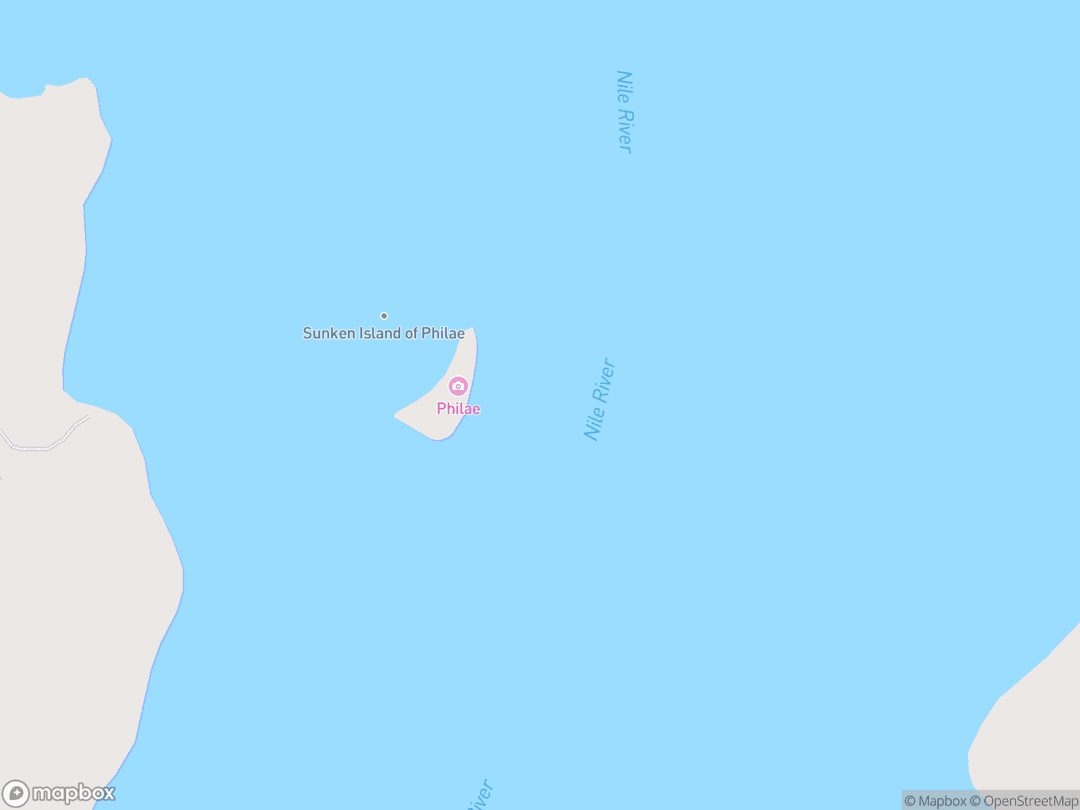
Agilkia Island, Aswan, Aswan Governorate, Egypt
Hours: 7:00 AM to 4:00 PM (October to May), 7:00 AM to 5:00 PM (June to September)
Getting There: Take a taxi or tour to Philae Marina, then a short boat ride brings you to the island.
Get DirectionsTips for Your Visit
Arrive Early or Visit During Golden Hour
The best time to visit is early in the morning or during the golden hour before sunset to avoid crowds and enjoy the beautiful lighting.
Hire a Guide
Consider hiring a guide to learn more about the temple's history, mythology, and architectural features.
About
The Temple of Philae is an ancient Egyptian temple complex originally located on Philae Island in the Nile River, near Aswan in Upper Egypt. Due to the construction of the Aswan Low Dam in 1902, the island was subject to flooding for much of the year. Between 1972 and 1980, in a remarkable feat of engineering, UNESCO and the Egyptian government dismantled the entire complex and relocated it to Agilkia Island, a nearby island that was reshaped to better resemble Philae.
Today, the Temple of Philae stands as a testament to ancient Egyptian civilization and a symbol of international cooperation in preserving cultural heritage. The temple is dedicated primarily to Isis, the goddess of magic, motherhood, and healing, and also honors Osiris and Horus.
The temple showcases a blend of Egyptian, Greek, and Roman architectural styles. The complex includes pylons, a hypostyle hall, the Sanctuary of Isis, Trajan's Kiosk, the Temple of Hathor, and a Mammisi (Birth House). The temple walls contain scenes from Egyptian mythology, including Isis bringing Osiris back to life, giving birth to Horus, and mummifying Osiris after his death.
Gallery
Symbolic Elements
The temple's exterior features intricate carvings, each rich with spiritual meaning:
Pylons
The towering gateways of the Temple of Philae are adorned with carvings of gods and pharaohs, serving as monumental entrances to the sacred complex. The First Pylon, constructed by Ptolemy XII, features reliefs of the pharaoh smiting his enemies, symbolizing power and divine authority. These pylons not only marked the boundaries of the temple but also conveyed the might and legitimacy of the rulers who contributed to its construction.
Hypostyle Hall
The Hypostyle Hall is a grand hall filled with papyrus columns etched with cosmic motifs, creating a forest of stone that evokes the primeval marsh from which the world was believed to have emerged. This hall served as a transitional space between the outer court and the inner sanctuary, guiding visitors through a symbolic journey towards the divine presence. The intricate carvings on the columns and walls further enhanced the hall's mystical atmosphere.

Sanctuary of Isis
The Sanctuary of Isis is the inner temple, the most sacred space where rituals were performed to honor the goddess. The walls are adorned with hieroglyphs preserving ancient myths and religious ceremonies, providing a glimpse into the spiritual practices of the time. This sanctuary served as the focal point of the temple, where priests and devotees sought communion with Isis and invoked her blessings.
Trajan's Kiosk
Trajan's Kiosk is a Roman addition to the Temple of Philae, featuring a regular arrangement of columns that showcase the architectural influence of the Roman Empire. This structure provided a space for processions and ceremonies, blending Roman aesthetics with Egyptian religious traditions. The kiosk stands as a testament to the cultural exchange that occurred during the Roman period.

Temple of Hathor
The Temple of Hathor is dedicated to the goddess of music and love, with columns adorned with dancing figures that celebrate joy and fertility. This temple served as a place for music, dance, and other forms of artistic expression, honoring Hathor's role as a patron of the arts. The vibrant imagery and festive atmosphere of the temple reflected the goddess's association with pleasure and abundance.
Mammisi (Birth House)
The Mammisi, or Birth House, celebrates the divine birth of Horus, with reliefs depicting Isis nursing the infant god. This structure symbolized the importance of divine birth and the continuity of kingship, as Horus was considered the embodiment of the pharaoh. The Mammisi served as a place for rituals and ceremonies related to childbirth and the nurturing of royal heirs.
Syenite
The Temple of Philae is constructed primarily of syenite, a durable and aesthetically pleasing stone that was quarried in the Aswan region. This material gave the temple a sense of permanence and grandeur, reflecting the enduring nature of the gods and the civilization that honored them. The use of syenite also contributed to the temple's distinctive appearance, with its warm tones and subtle variations in color.
Hieroglyphs
The walls of the Temple of Philae are covered in intricate hieroglyphs, preserving ancient myths, religious ceremonies, and historical records. These symbols served as a form of communication with the gods and as a means of transmitting knowledge across generations. The hieroglyphs provide valuable insights into the beliefs, practices, and worldview of the ancient Egyptians.
Interesting Facts
The Temple of Philae was one of the last places where ancient Egyptian religion survived, with worship continuing until the 6th century AD.
The temple complex was moved to Agilkia Island to save it from flooding caused by the construction of the Aswan High Dam.
Philae means 'the end' in Greek, defining the southernmost limit of Egypt.
The temple is dedicated to Isis, the goddess of healing, birth, and magic.
The temple walls contain reliefs of Isis mythology, including Isis bringing Osiris back to life, giving birth to Horus, and mummifying Osiris after his death.
The annual flooding of the Nile was believed to be caused by Isis's tears for Osiris.
The temple complex includes the First Pylon, Hypostyle Hall, Sanctuary of Isis, Trajan's Kiosk, and the Philae Sound and Light Show.
Construction of the temple began under the reign of Ptolemy II Philadelphus (285–246 BC) and was continued by subsequent rulers, including Roman emperors.
The temple was a melting pot of Egyptian, Greek, and Roman artistic styles.
The Philae Temple was designated as a UNESCO World Heritage Site.
Common Questions
Why was the Temple of Philae relocated?
The Temple of Philae was relocated to Agilkia Island to save it from flooding caused by the construction of the Aswan Low Dam. The dam's construction caused seasonal flooding of Philae Island, threatening the temple complex. UNESCO and the Egyptian government collaborated to dismantle the temple and rebuild it on higher ground.
Who is the Temple of Philae dedicated to?
The Temple of Philae is primarily dedicated to Isis, the goddess of magic, motherhood, and healing. It also honors Osiris, the god of the afterlife, and Horus, the falcon-headed god and son of Isis and Osiris. These deities represent core aspects of ancient Egyptian belief.
What are some of the key architectural features of the Temple of Philae?
The Temple of Philae showcases a blend of Egyptian, Greek, and Roman architectural styles. Key features include towering pylons adorned with carvings, a hypostyle hall with papyrus columns, the Sanctuary of Isis, Trajan's Kiosk, the Temple of Hathor, and a Mammisi (Birth House).
How do I get to the Temple of Philae?
The Temple of Philae is accessible only by motorboat from Philae Marina, located roughly 15 minutes from Aswan city center. You can take a taxi or tour to Philae Marina, then a short boat ride will bring you to the island.
When is the best time to visit the Temple of Philae?
The best time to visit the Temple of Philae is early in the morning or during the golden hour before sunset. This allows you to avoid crowds and enjoy the beautiful lighting. The temple is open from 7:00 AM to 4:00 PM (October to May) and from 7:00 AM to 5:00 PM (June to September).
Featured Stories
The Rescue of Philae
1960s-1980s
The construction of the Aswan Dam in the 20th century threatened to submerge the Temple of Philae, prompting an international effort to save this precious monument. UNESCO spearheaded a remarkable project to dismantle the entire temple complex and relocate it to the nearby island of Agilkia. This feat of engineering and international cooperation ensured the preservation of the temple for future generations.
The relocation project involved carefully documenting each stone, dismantling the structures, and then reassembling them on Agilkia Island, which was reshaped to resemble the original Philae Island. The project was a testament to human ingenuity and the commitment to preserving cultural heritage in the face of modern challenges.
Source: UNESCO World Heritage Centre
Isis and the Temple
Ancient Times
The Temple of Philae was dedicated to Isis, the goddess of magic, motherhood, and healing. Isis was one of the most important deities in the Egyptian pantheon, and her temple at Philae was a center of worship for centuries. The temple walls depict scenes from the myth of Isis and Osiris, telling the story of love, loss, and resurrection.
The annual flooding of the Nile was believed to be caused by Isis's tears for her lost husband, Osiris. The temple was a place where people came to seek healing, protection, and blessings from the goddess. The priests and priestesses of Isis performed rituals and ceremonies to honor her and to maintain the balance of the cosmos.
Source: Egyptian Monuments
The Last Hieroglyphs
394 AD
The Temple of Philae holds the distinction of being one of the last places where ancient Egyptian religion was practiced openly. The last known hieroglyphic inscription was carved on the temple walls in 394 AD, marking the end of an era. This inscription provides a glimpse into the beliefs and practices of the last adherents of the ancient Egyptian faith.
The inscription was carved by a priest of Isis named Esmet-Akhom, and it is a testament to the resilience of the ancient Egyptian religion in the face of changing times. The Temple of Philae served as a beacon of tradition and spirituality, even as Christianity gained prominence in the region.
Source: Ancient Egypt Online
Timeline
Earliest Religious Presence
Earliest known religious presence on Philae, possibly a shrine built by Pharaoh Taharqa. Psamtik II of the 26th Dynasty builds a kiosk, the oldest temple to have stood on the island.
MilestoneConstruction by Nectanebo I
Nectanebo I (30th Dynasty) constructs a temple dedicated to Isis, the oldest surviving structure today.
MilestonePtolemaic Expansion
Ptolemaic rulers expand the temple complex, with significant contributions from Ptolemy II Philadelphus, Ptolemy V Epiphanes, and Ptolemy VI Philometor.
MilestoneRoman Additions
Roman emperors add to and embellish the temple, including a gate by Hadrian and the Kiosk of Trajan.
MilestoneLast Hieroglyphic Inscription
The last known hieroglyphic inscription is carved.
MilestoneClosure by Justinian I
Emperor Justinian I orders the closure of the temple as part of his efforts to suppress paganism. The temple is converted into a Christian church.
MilestoneAswan Low Dam Completion
The Aswan Low Dam is completed, causing seasonal flooding of Philae Island and its temples.
RenovationUNESCO Rescue Campaign
UNESCO leads an international campaign to rescue the monuments of Philae. The temple complex is dismantled.
RenovationRelocation to Agilkia Island
The relocation process is completed, and the Temple of Philae reopens on Agilkia Island.
DedicationObelisks Removed
The obelisks in front of the temple were removed by British Consul Henry Salt and his assistant Giovanni Belzoni, and are now in a garden in Dorset, England.
EventConstruction Begins
Construction of the temple began under the reign of Ptolemy II Philadelphus and was continued by subsequent rulers, including Roman emperors.
MilestoneTemple Construction
Temple construction began around 690 BC.
MilestoneDismantling Begins
Dismantling of the Temple of Philae begins as part of the UNESCO rescue campaign.
RenovationTemple Reopens
The Temple of Philae reopens on Agilkia Island after relocation.
DedicationRoman Rule
Egypt comes under Roman rule, and Roman emperors contribute to the temple's embellishment.
EventSimilar Temples
Sources & Research
Every fact on Temples.org is backed by verified Sources & Research. Each piece of information is rated by source tier and confidence level.
View All Sources (10)
| Field | Source | Tier | Retrieved |
|---|---|---|---|
| About & Historical Background | Egyptian Monuments (opens in a new tab) | A | 2024-01-01 |
| About & Historical Background | Britannica (opens in a new tab) | B | 2024-01-01 |
| About & Historical Background | Egypt Tours Portal (opens in a new tab) | D | 2024-01-01 |
| About & Historical Background | Egypt Tour Magic (opens in a new tab) | D | 2024-01-01 |
| Historical Timeline | Ancient Egypt Online (opens in a new tab) | B | 2024-01-01 |
| Architectural Description | iEgyptTravels (opens in a new tab) | D | 2024-01-01 |
| Symbolic Elements | Journey to Egypt (opens in a new tab) | D | 2024-01-01 |
| Visitor Information | Visit Egypt (opens in a new tab) | D | 2024-01-01 |
| Interesting Facts | Travel Along (opens in a new tab) | D | 2024-01-01 |
| Relocation and Preservation | UNESCO World Heritage Centre (opens in a new tab) | B | 2024-01-01 |