Visitor Insights
Visiting Abu Simbel Temples
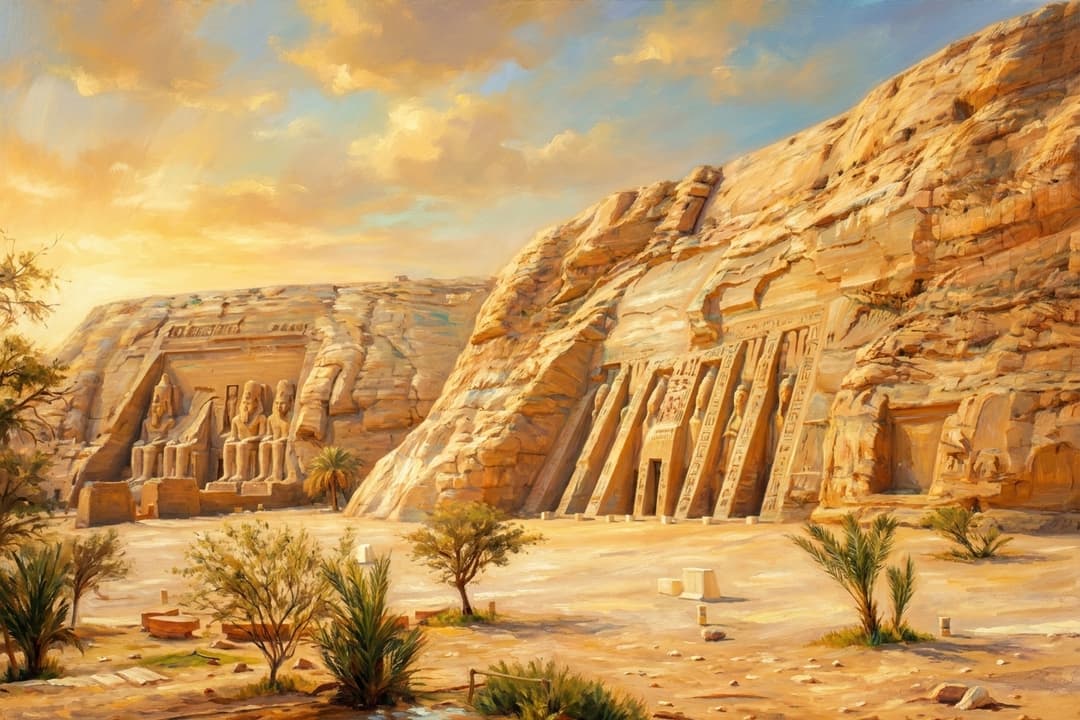
Visiting the Abu Simbel temples is an awe-inspiring experience, transporting you back to the time of ancient Egypt and the reign of Ramesses II. The sheer scale of the temples, with their colossal statues and intricate carvings, is truly remarkable. Expect a journey through history as you explore the Great Temple and the Small Temple, marveling at the architectural and artistic achievements of the ancient Egyptians.
Highlights
- Marvel at the four colossal statues of Ramesses II at the entrance of the Great Temple.
- Explore the inner chambers of both temples, adorned with intricate carvings and hieroglyphics.
- Witness the twice-yearly phenomenon of the sun illuminating the inner sanctuary of the Great Temple.
Things to Know
- Abu Simbel is located approximately 240 kilometers southwest of Aswan, requiring a flight or a long drive.
- The temples can get crowded, especially during peak tourist season, so consider visiting early in the morning.
- The desert climate can be hot, so wear sunscreen, hats, and comfortable shoes, and bring plenty of water.
Location
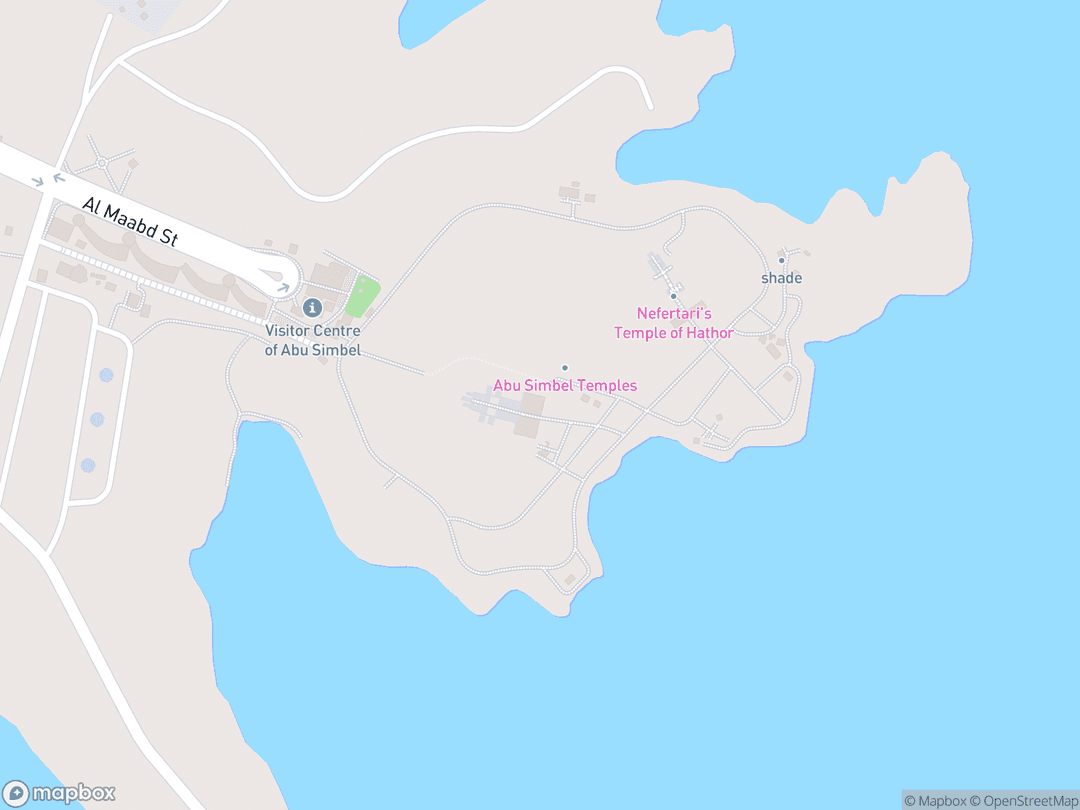
Abu Simbel, Aswan Governorate, Upper Egypt
Hours: The temples are generally open from 6:00 AM to 5:00 PM.
Getting There: Abu Simbel can be reached by flight from Aswan (approximately 30 minutes) or by road (approximately 2.5 to 3 hours).
Get DirectionsTips for Your Visit
Visit Early
Visit early in the morning to avoid crowds and heat.
Stay Hydrated
Bring water to combat the desert heat.
About
The Abu Simbel temples are two massive rock-cut temples in Abu Simbel, a village in Aswan Governorate, Upper Egypt, near the border with Sudan. They are situated on the western bank of Lake Nasser, approximately 230 km southwest of Aswan. The twin temples were originally carved out of the mountainside in the 13th century BC, during the reign of Pharaoh Ramesses II of the 19th Dynasty. The complex is part of the UNESCO World Heritage Site known as the "Nubian Monuments from Abu Simbel to Philae".
The Great Temple was dedicated to Ramesses II and the gods Amun-Ra, Ra-Horakhty, and Ptah, while the Small Temple was dedicated to his chief wife, Queen Nefertari, and the goddess Hathor. These temples stand as a testament to the power and devotion of Ramesses II, as well as the architectural and artistic achievements of ancient Egypt.
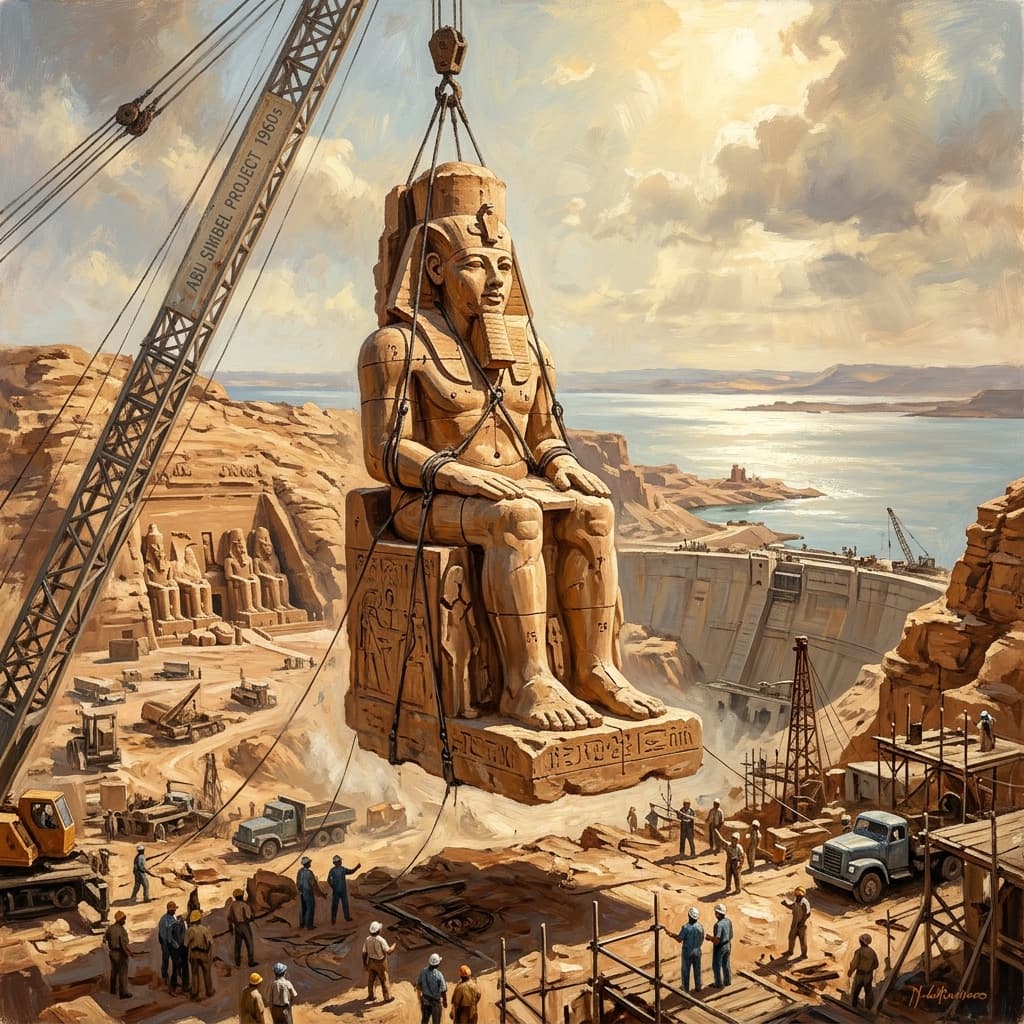
In the 1960s, the temples faced a major threat due to the construction of the Aswan High Dam, which would have submerged them under Lake Nasser. An international campaign led by UNESCO dismantled the temple complex and relocated it to higher ground, 65 meters above and 200 meters west of its original location. This remarkable feat of engineering and preservation ensured that the Abu Simbel temples would continue to inspire and awe visitors for generations to come.
Gallery
Symbolic Elements
The temple's exterior features intricate carvings, each rich with spiritual meaning:

Colossal Statues of Ramesses II
The four colossal statues of Ramesses II at the entrance of the Great Temple were intended to convey his power, divine status, and authority. Each statue is approximately 20 meters tall and depicts the pharaoh seated on a throne, symbolizing his reign and dominion over Egypt. These statues served as a powerful statement of Ramesses II's greatness and his connection to the gods.
Statues of Nefertari
The Small Temple features statues of Queen Nefertari, the chief wife of Ramesses II, alongside statues of the pharaoh himself. These statues highlight Nefertari's importance and her role in ancient Egyptian society. As the queen, she was revered for her beauty, intelligence, and devotion to her husband and the gods.
Hieroglyphics
The walls of both the Great Temple and the Small Temple are adorned with intricate carvings and hieroglyphics. These ancient writings tell the stories of Ramesses II's reign, his military victories, and his devotion to the gods. The hieroglyphics provide valuable insights into the beliefs, customs, and history of ancient Egypt.

Inner Sanctuary
The inner sanctuary of the Great Temple houses statues of Ramesses II, Amun-Ra, Ra-Horakhty, and Ptah. This sacred space was the focal point of religious ceremonies and rituals, where priests would offer prayers and sacrifices to the gods. The alignment of the temples with the sun allowed the sun's rays to penetrate the sanctuary twice a year, illuminating the statues and reinforcing the king's divine status.
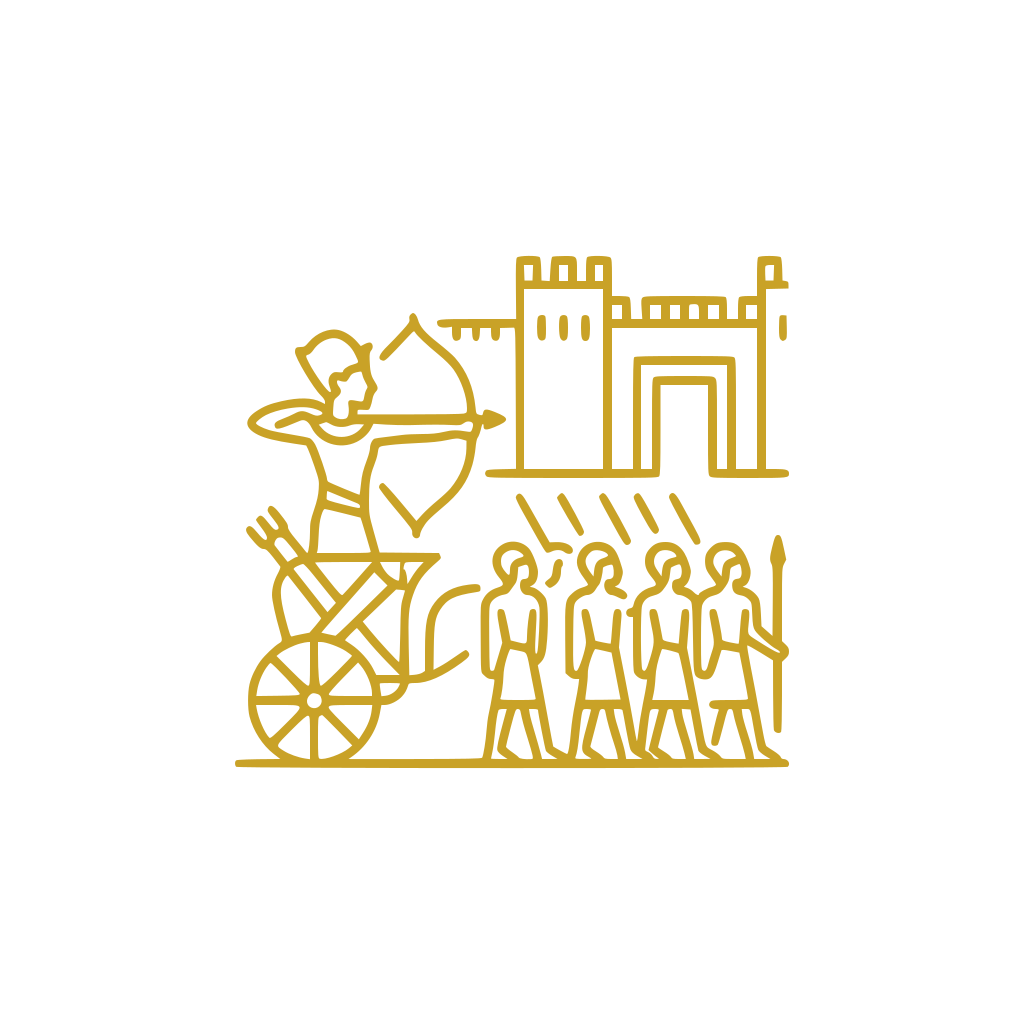
Battle of Kadesh Reliefs
The Great Temple features reliefs depicting Ramesses II's heroic leadership at the Battle of Kadesh. These carvings showcase the pharaoh's military prowess and his ability to defend Egypt against its enemies. The Battle of Kadesh was a significant event in Ramesses II's reign, and the reliefs serve as a reminder of his strength and courage.
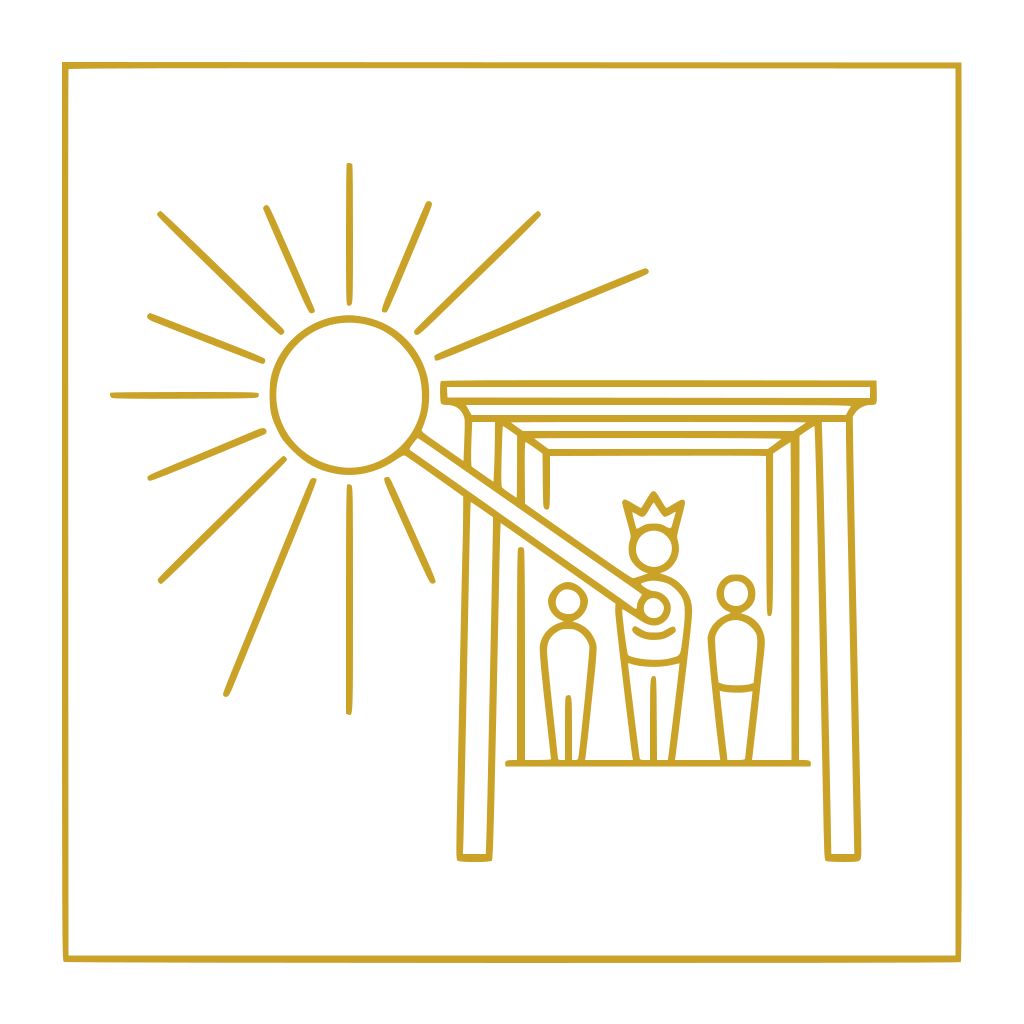
Solar Alignment
The alignment of the temples with the sun during specific times of the year reinforces the king's divine status and connection to the gods. Twice a year, around February 22 and October 22, the sun's rays penetrate the inner sanctuary of the Great Temple, illuminating the statues of Ramesses II, Ra-Horakhty, and Amun. This phenomenon symbolizes the pharaoh's divine right to rule and his role as a mediator between the gods and the people.
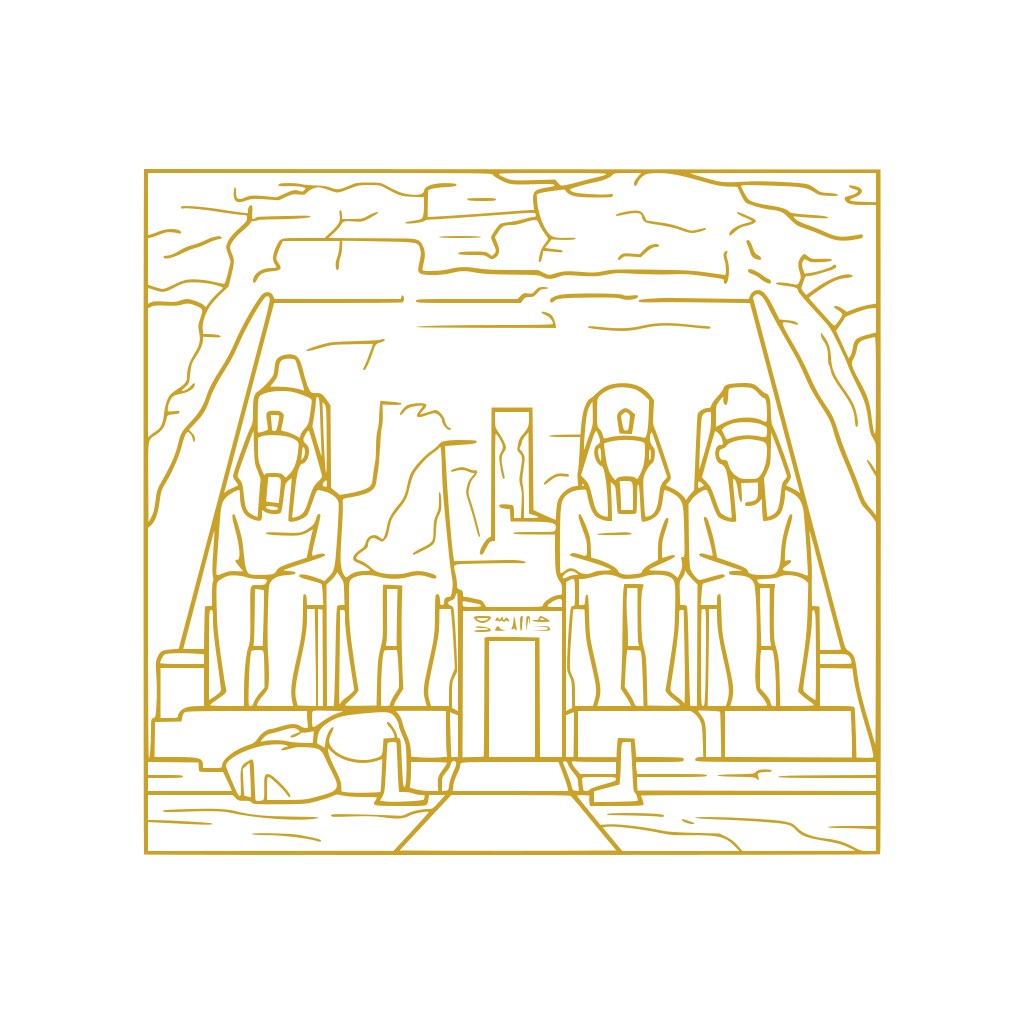
Rock-Cut Architecture
The Abu Simbel temples are remarkable examples of rock-cut architecture, carved directly into the sandstone cliffs. This technique required skilled engineers and craftsmen who were able to create massive structures with intricate details. The rock-cut architecture of Abu Simbel demonstrates the ingenuity and artistic abilities of the ancient Egyptians.
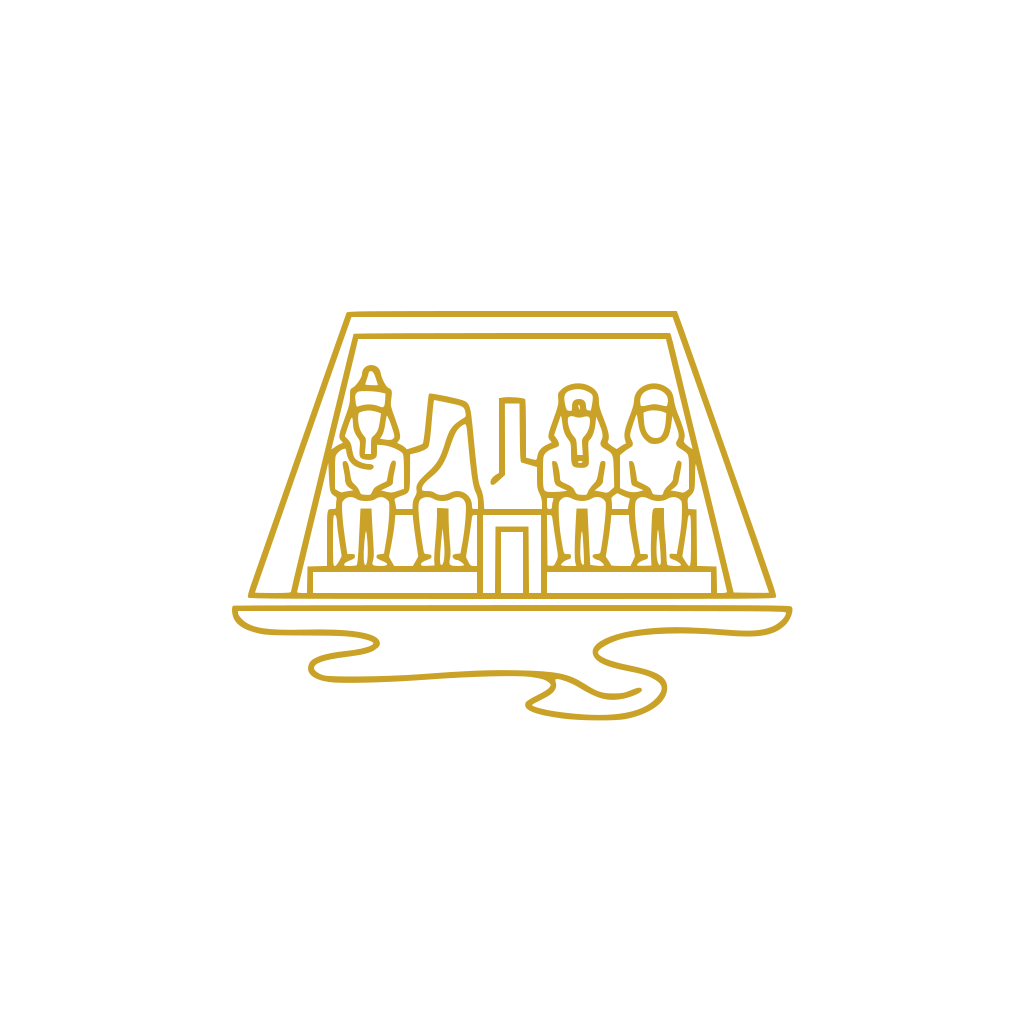
Lake Nasser Setting
The Abu Simbel temples are situated on the western bank of Lake Nasser, providing a stunning backdrop for these ancient monuments. The lake was created by the construction of the Aswan High Dam and played a crucial role in the relocation of the temples. The setting of Abu Simbel on the shores of Lake Nasser enhances the beauty and grandeur of the site.
Interesting Facts
The Abu Simbel temples were built by Ramesses II in the 13th century BC.
The complex was relocated in its entirety in the 1960s to save it from being submerged by Lake Nasser.
The relocation project was an international effort led by UNESCO.
The Great Temple features four colossal statues of Ramesses II at its entrance, each about 20 meters tall.
The Small Temple is dedicated to Queen Nefertari and the goddess Hathor.
The temples are aligned so that the sun illuminates the inner sanctuary of the Great Temple twice a year.
Abu Simbel is part of the UNESCO World Heritage Site known as the 'Nubian Monuments from Abu Simbel to Philae'.
The temples were rediscovered in 1813 by Johann Ludwig Burckhardt.
The Abu Simbel temples served as a symbol of Ramesses II's power and devotion.
Common Questions
Who built the Abu Simbel temples?
The Abu Simbel temples were built by Ramesses II in the 13th century BC as a testament to his power and devotion, as well as to honor his wife, Queen Nefertari, and various Egyptian gods.
Why were the Abu Simbel temples relocated?
The temples were relocated in the 1960s to save them from being submerged by Lake Nasser due to the construction of the Aswan High Dam. This was an international effort led by UNESCO.
What is the significance of the colossal statues at the Great Temple?
The four colossal statues of Ramesses II at the entrance of the Great Temple were intended to convey his power, divine status, and authority. They served as a symbol of his reign and his connection to the gods.
What is the Small Temple dedicated to?
The Small Temple is dedicated to Queen Nefertari, the chief wife of Ramesses II, and the goddess Hathor, who was associated with love, beauty, and motherhood. This temple highlights the queen's importance and her role in ancient Egyptian society.
When does the sun illuminate the inner sanctuary of the Great Temple?
The temples are aligned so that the sun illuminates the inner sanctuary of the Great Temple twice a year, around February 22 and October 22. This phenomenon reinforces the king's divine status and connection to the gods.
Related Stories
Explore the rich history, traditions, and people connected to this sacred site.
Featured Stories
The Rediscovery of Abu Simbel
March 22, 1813
For centuries, the Abu Simbel temples lay hidden beneath the sands of the Sahara, their existence largely forgotten by the outside world. It was on March 22, 1813, that Swiss researcher Johann Ludwig Burckhardt stumbled upon the site, rediscovering the Small Temple and the top frieze of the main temple. This momentous occasion marked the beginning of a new chapter in the history of Abu Simbel, as the world once again became aware of these magnificent monuments.
Burckhardt's discovery sparked the interest of explorers and archaeologists, who were eager to uncover the secrets of Abu Simbel. However, it would take several more years before the Great Temple could be fully excavated and explored. The task was daunting, as the entrance was buried beneath tons of sand, making it difficult to access the inner chambers.
Finally, on August 1, 1817, Giovanni Battista Belzoni and his team managed to enter the Great Temple, revealing its awe-inspiring interior to the world. The rediscovery of Abu Simbel was a triumph of exploration and a testament to the enduring legacy of ancient Egypt.
The International Rescue Mission
1964-1968
In the 1960s, the Abu Simbel temples faced a dire threat due to the construction of the Aswan High Dam. The rising waters of Lake Nasser threatened to submerge the temples, erasing them from history forever. To prevent this catastrophe, an international campaign was launched, led by UNESCO, to dismantle the temple complex and relocate it to higher ground.
The relocation project was a monumental undertaking, requiring the expertise of engineers, archaeologists, and skilled laborers from around the world. The temples were carefully cut into massive blocks, each weighing several tons, and then reassembled on a new site 65 meters above and 200 meters west of their original location.
The successful relocation of Abu Simbel was a triumph of international cooperation and a testament to the world's commitment to preserving cultural heritage. On September 22, 1968, the relocated Abu Simbel temples were inaugurated, ensuring that these magnificent monuments would continue to inspire and awe visitors for generations to come.
The Sun Festival at Abu Simbel
February 22 and October 22
One of the most remarkable features of the Abu Simbel temples is their alignment with the sun. Twice a year, around February 22 and October 22, the sun's rays penetrate the inner sanctuary of the Great Temple, illuminating the statues of Ramesses II, Ra-Horakhty, and Amun. This phenomenon, known as the Sun Festival, is a testament to the ancient Egyptians' knowledge of astronomy and their reverence for the sun god.
During the Sun Festival, thousands of visitors flock to Abu Simbel to witness this spectacular event. As the sun rises, its rays slowly creep into the inner sanctuary, gradually illuminating the statues one by one. The effect is truly magical, as the faces of the gods seem to come alive in the golden light.
The Sun Festival at Abu Simbel is a celebration of ancient Egyptian culture and a reminder of the enduring power of the sun. It is a time when the past and the present come together, as visitors from around the world gather to witness this extraordinary phenomenon.
Timeline
Construction Begins
Construction of the Abu Simbel temples began during the reign of Ramesses II.
MilestoneConstruction Completed
Construction of the temple complex completed.
MilestoneTemples Fall into Disuse
The temples fell into disuse, and the Great Temple became mostly covered by a sand dune.
component.timeline.historicRediscovery by Johann Ludwig Burckhardt
The temples were rediscovered by Swiss researcher Johann Ludwig Burckhardt, who found the small temple and the top frieze of the main temple.
component.timeline.historicEntry into the Great Temple
Giovanni Battista Belzoni and his team managed to enter the Great Temple.
component.timeline.historicThreat of Submersion
Due to the construction of the Aswan High Dam, the temples were threatened with submersion by Lake Nasser.
RenovationRelocation Begins
An international campaign led by UNESCO dismantled the temple complex and relocated it to higher ground.
RenovationRelocation Completed
The relocated Abu Simbel temples were inaugurated.
RenovationInauguration of Relocated Temples
The relocated Abu Simbel temples were inaugurated.
DedicationUNESCO World Heritage Site
The Abu Simbel temples were inscribed as a UNESCO World Heritage Site.
MilestoneGreat Temple Dedicated
The Great Temple was dedicated to Ramesses II and the gods Amun-Ra, Ra-Horakhty, and Ptah.
DedicationSmall Temple Dedicated
The Small Temple was dedicated to his chief wife, Queen Nefertari, and the goddess Hathor.
DedicationSun Festival
The sun's rays penetrate the inner sanctuary of the Great Temple, illuminating the statues of Ramesses II, Ra-Horakhty, and Amun.
EventSun Festival
The sun's rays penetrate the inner sanctuary of the Great Temple, illuminating the statues of Ramesses II, Ra-Horakhty, and Amun.
EventSimilar Temples
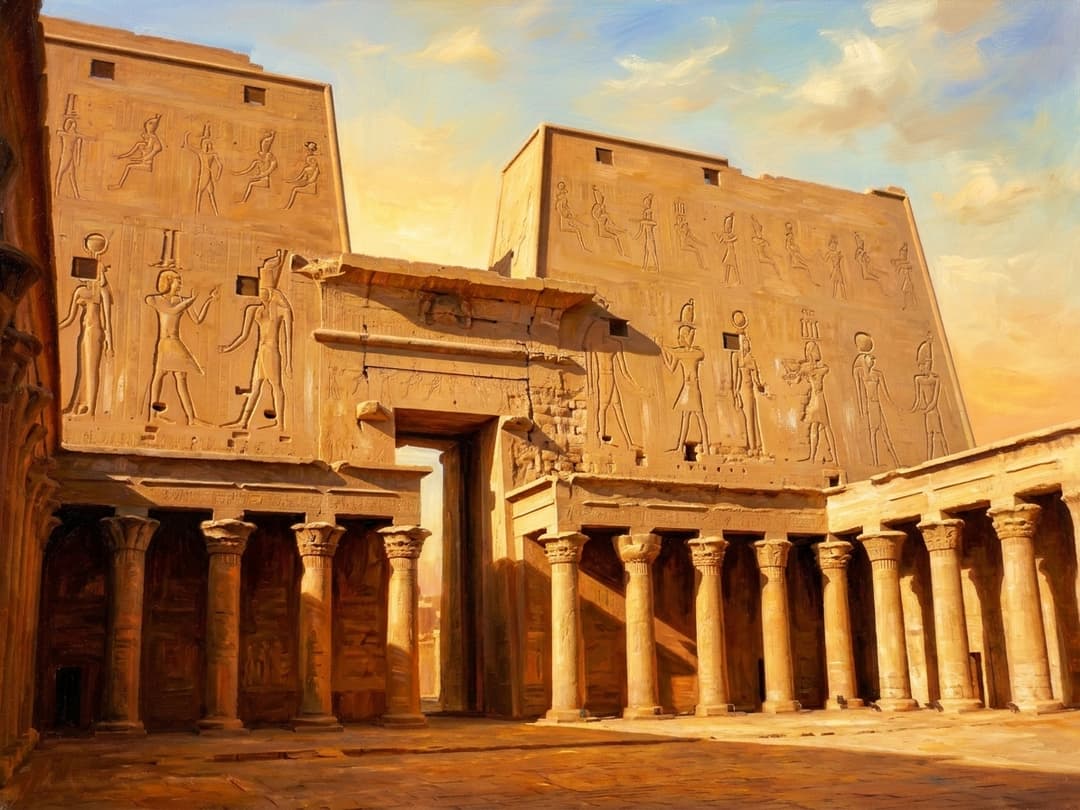
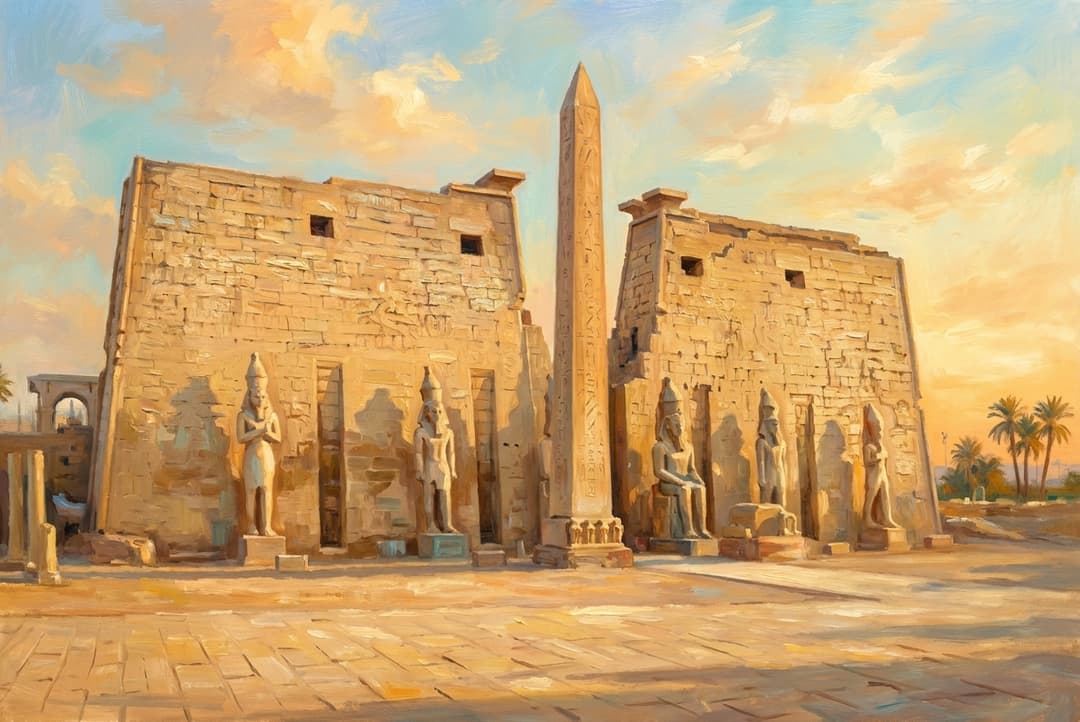
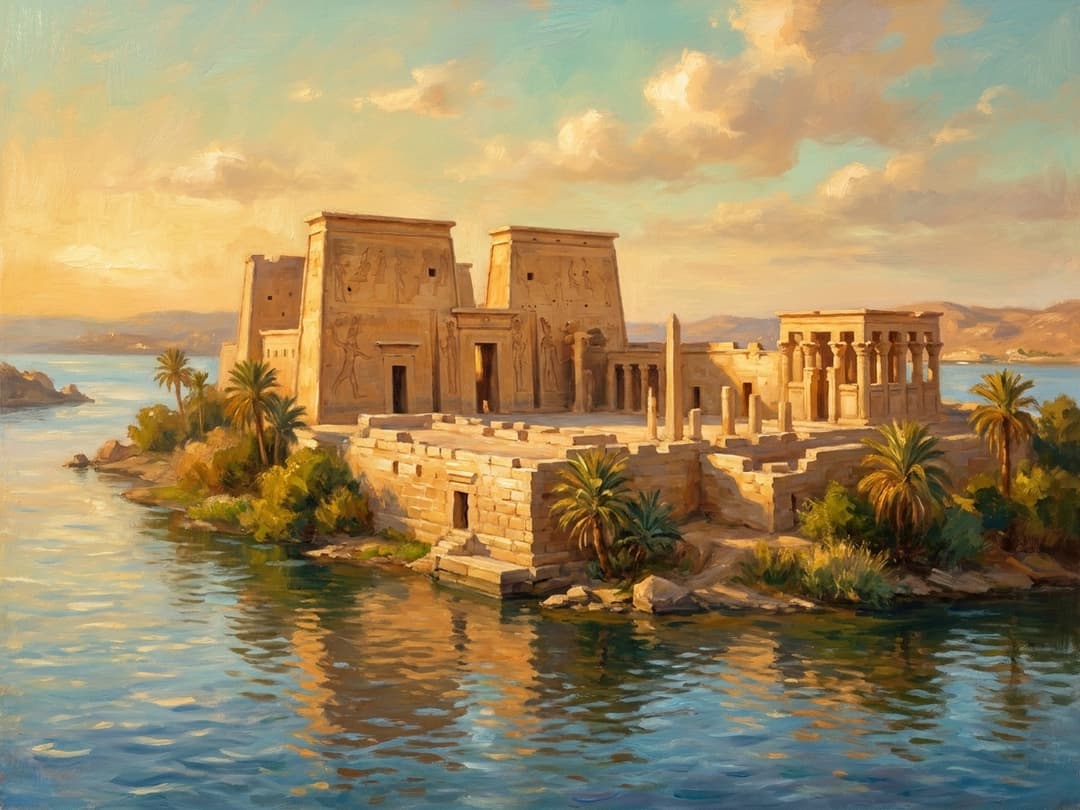
Sources & Research
Every fact on Temples.org is backed by verified Sources & Research. Each piece of information is rated by source tier and confidence level.
View All Sources (9)
| Field | Source | Tier | Retrieved |
|---|---|---|---|
| About & Historical Background | Deluxe Tours Egypt (opens in a new tab) | D | 2024-02-29 |
| About & Historical Background | Sound and Light (opens in a new tab) | D | 2024-02-29 |
| About & Historical Background | Tripidays Egypt Tours (opens in a new tab) | D | 2024-02-29 |
| About & Historical Background | Egypt Day Tours (opens in a new tab) | D | 2024-02-29 |
| About & Historical Background | AS Ramessum (opens in a new tab) | D | 2024-02-29 |
| About & Historical Background | Holiday Tours (opens in a new tab) | D | 2024-02-29 |
| About & Historical Background | Explore Egypt Tours (opens in a new tab) | D | 2024-02-29 |
| About & Historical Background | Egyptian Museum (opens in a new tab) | D | 2024-02-29 |
| About & Historical Background | Egypt Tours Group (opens in a new tab) | D | 2024-02-29 |