Visitor Insights
Visiting Port-au-Prince Haiti Temple
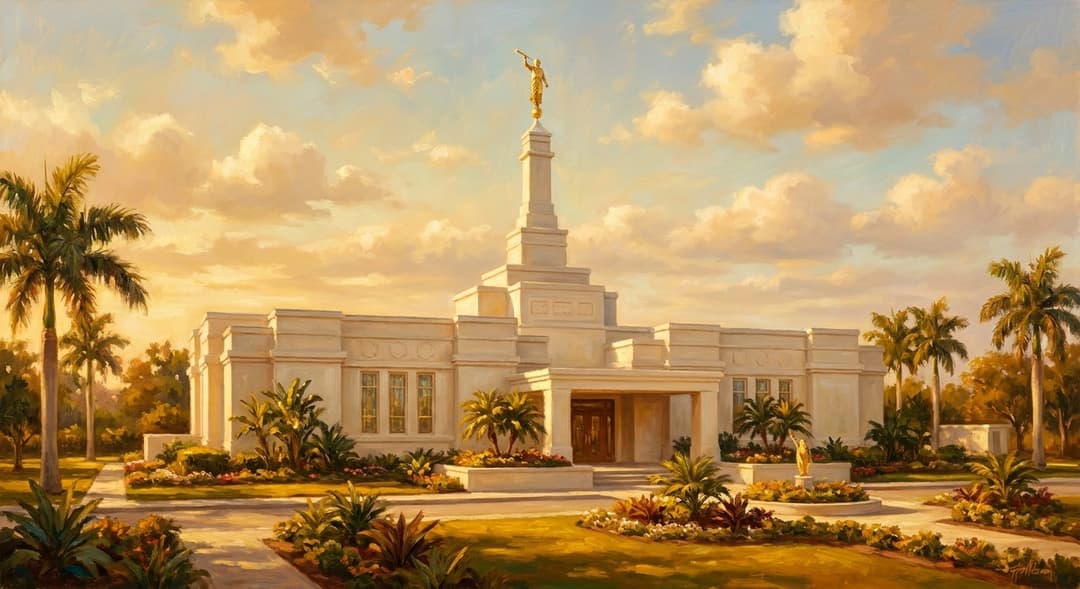
The Port-au-Prince Haiti Temple sits peacefully on a hillside in Pétion-Ville, surrounded by lush tropical gardens and secure grounds. While the interior is reserved exclusively for Church members holding sacred recommends, visitors of all faiths are welcome to walk through the exterior gardens and adjacent chapel complex.
Highlights
- Beautifully landscaped tropical gardens featuring royal palms and bougainvillea.
- Clean off-white Neoclassical architecture with subtle Caribbean details.
- Serene exterior reflection spaces set against the backdrop of Pétion-Ville hills.
Things to Know
- Temple interior access requires a valid temple recommend.
- Public Sunday worship services are held in the adjacent meetinghouse.
- Photography is welcomed in exterior garden areas.
Location
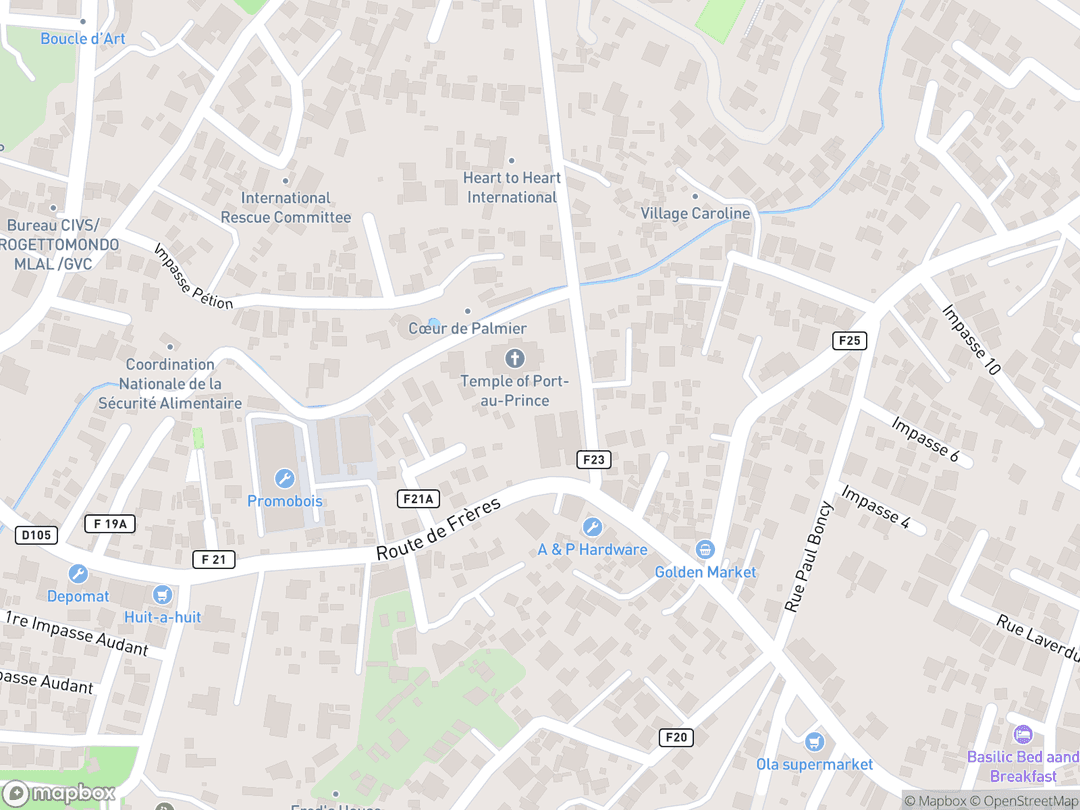
Route de Frères, Frères 23, Impasse Saint-Marc #20 & 22, Pétion-Ville, Port-au-Prince, Haiti
Hours: Tuesday–Saturday appointment schedule; closed Sunday and Monday.
Getting There: Located in Pétion-Ville off Route de Frères; accessible via private transport, taxi, or local tap-tap minibuses.
Get DirectionsTips for Your Visit
Garden Exploration
Visitors are invited to walk through the landscaped grounds during daylight hours for quiet reflection.
Sunday Services
All visitors are welcome to attend regular Sunday Christian worship services at the neighboring chapel.
About
The Port-au-Prince Haiti Temple stands as the 165th operating temple of The Church of Jesus Christ of Latter-day Saints and the second temple built in the Caribbean region. Dedicated in September 2019, the structure serves as a sacred sanctuary for thousands of faithful Haitian Latter-day Saints who previously endured long, expensive international journeys to reach the nearest temple in the Dominican Republic.
In harmony with broader Christian and Abrahamic traditions, Latter-day Saints venerate temples as physical 'Houses of the Lord' set apart from the secular world. Rooted in biblical heritage from the ancient Tabernacle to Solomon's Temple, the structure provides a holy space where believers enter into sacred covenants with God, receive spiritual endowment, and form eternal family relationships that endure beyond mortality.
Gallery
Symbolic Elements
The temple's exterior features intricate carvings, each rich with spiritual meaning:
Hibiscus Motif ('Choublack')
Haiti's national flower is carved into wood millwork and etched into art glass windows as a symbol of local beauty offered to God.
Palm Fronds
Stylized tropical palm foliage featured in glass work represents spiritual victory over death and peace in Christian iconography.

Twelve Oxen Font
Twelve sculpted oxen support the baptismal font, symbolizing the twelve tribes of Israel spreading the gospel outward.

Angel Moroni Statue
The gold-leafed figure crowning the spire symbolizes the restoration of the everlasting gospel to all nations.

Light Progression
Interior lighting grows progressively brighter from the entrance to the Celestial Room, symbolizing spiritual growth.

Off-White Limestone Plaster
The smooth light exterior finish symbolizes purity and reverence while reflecting tropical sunlight.

Stepped Spire Pediment
The central tower raises eyes heavenward, representing humanity's connection to the divine.
Interesting Facts
It is the second Latter-day Saint temple completed in the Caribbean, dedicated 19 years after Santo Domingo. (Tier A)
The building withstood a 7.2-magnitude earthquake in 2021 with zero structural damage thanks to advanced seismic engineering. (Tier A)
Interior designs feature Haiti's national flower, the Hibiscus, woven into carpets and glass art. (Tier A)
Elder David A. Bednar invited youth during the dedication to sing 'Majestic rises on Haiti!' in a custom hymn arrangement. (Tier A)
Custom light fixtures include Austrian Swarovski crystal chandeliers and Venetian hand-blown glass from Italy. (Tier A)
Before its construction, lost birth records from the 2010 earthquake prevented many members from getting passports to travel for temple worship. (Tier B)
At 10,396 square feet, it is one of the most compact single-story complete ordinance temples in the Americas. (Tier A)
Fritzner and Gina Joseph, the first native Haitian couple sealed in a temple in 1990, later served in temple leadership. (Tier A)
Common Questions
Can non-members visit the Port-au-Prince Haiti Temple?
Visitors of all faiths are welcome to enjoy the quiet exterior gardens, while interior entry is reserved for faithful Church members.
Why is this temple so significant for Haitian members?
It allows local Latter-day Saints to participate in sacred covenants without making difficult international trips to the Dominican Republic.
What architectural style is used in the temple?
The building uses a clean Neoclassical single-story design adapted with subtle Caribbean floral motifs.
How did the temple withstand recent earthquakes?
The temple was engineered to strict international seismic standards, suffering no damage during the major 2021 earthquake.
Featured Stories
Overcoming International Barriers to Worship
2010
For nearly two decades following the dedication of the Santo Domingo temple, Haitian members faced arduous journeys across international borders to attend temple worship. After the catastrophic 2010 earthquake destroyed municipal archives, many members lost birth certificates and could not secure passports. The completion of the Port-au-Prince temple eliminated these geographic and legal barriers, bringing sacred ordinances directly to Haitian soil.
Source: Church Newsroom
Majestic Rises on Haiti
September 1, 2019
During the dedicatory proceedings on September 1, 2019, Elder David A. Bednar invited attending youth to modify the traditional ending of a beloved hymn. Together, the congregation joyfully sang 'Majestic rises on Haiti!' celebrating a new era of spiritual strength for the nation. The moment marked a deep emotional milestone for generations of faithful Haitian Latter-day Saints.
Source: Church Newsroom
Pioneer Legacy of the Joseph Family
1990
In 1990, Fritzner and Gina Joseph traveled to the Washington D.C. Temple to become the first native Haitian couple sealed for eternity. Decades later, after years of faithful service building up local stakes, they were called as leadership figures during the opening of the Port-au-Prince temple. Their journey mirrors the pioneer spirit of Haiti's growing Latter-day Saint community.
Source: Church Newsroom
Timeline
Official Government Recognition
The Haitian government officially recognizes the Church, opening the way for formal congregation building.
MilestoneHaiti Mission Established
The Haiti Port-au-Prince Mission is created to supervise missionary work across the nation.
MilestoneFirst Haitian Stake Organized
The first stake in Haiti is formally organized in Port-au-Prince to support rapid membership growth.
MilestoneDevastating Earthquake Hits Capital
A catastrophic earthquake destroys vital civil records, restricting members from obtaining travel passports for temple worship.
EventTemple Announced
President Thomas S. Monson announces the construction of Haiti's first temple during General Conference.
MilestoneSite Selection Announced
Elder Neil L. Andersen announces the acquisition of temple property along Route de Frères in Pétion-Ville.
MilestoneGroundbreaking Ceremony
Elder Walter F. González presides over the official groundbreaking ceremony.
component.timeline.groundbreakingPublic Open House Begins
Thousands of local citizens, civic leaders, and religious figures tour the completed temple interior.
EventTemple Dedication
Elder David A. Bednar dedicates the temple across three sacred sessions.
DedicationSeismic Safety Confirmed
A major 7.2 earthquake strikes southern Haiti, but the temple structure remains completely undamaged.
EventHistory by Decade
1970s–1980s — Foundations of Faith
Missionary work in Haiti began after native convert Alexandre Mourra introduced the faith in the late 1970s. The Haitian government formally recognized the Church in 1980, leading to the creation of the first official branch in Port-au-Prince and the establishment of the Haiti Port-au-Prince Mission in 1984.
1990s–2000s — Stake Growth and Pilgrimages
Haitian membership grew rapidly, leading to the organization of the first stake in Port-au-Prince in 1997. During this era, local Saints made sacrifices to travel long distances to temples in the United States and later the Dominican Republic.
2010s — Disaster, Announcement, and Dedication
Following the devastating 2010 earthquake, President Thomas S. Monson announced the Port-au-Prince Temple in 2015. Construction began in 2017, and Elder David A. Bednar dedicated the completed sanctuary in September 2019, bringing immense joy to local members.
2020s — Seismic Engineering and Spiritual Resilience
When a 7.2-magnitude earthquake struck southern Haiti in August 2021, the temple's modern seismic engineering protected the complex from any structural damage. It continues to stand as a symbol of spiritual stability and refuge.
Architecture & Facilities
The Port-au-Prince Haiti Temple features a refined single-story Neoclassical architectural style adapted with subtle Caribbean motifs and island aesthetic sensibilities. Its low-profile rectangular massing, clean plaster facade, and central stepped tower topped with a gold-leafed spire harmonize effortlessly with the surrounding tropical hillsides of Pétion-Ville.
Building Materials
Exterior Plaster
Smooth off-white stucco plaster made to resemble finished limestone cladding.
Art Glass Windows
Custom insulated glass panels featuring stylized tropical floral abstractions.
Interior Hardwoods
Polished interior millwork and door frames built from durable warm-toned hardwoods.
Chandelier Crystals
Austrian Swarovski crystal chandeliers lighting the Celestial and Sealing rooms.
Interior Features
Instruction Room
A single reverent room designed for instruction and sacred covenant making.
Sealing Room
A sacred space featuring custom mirrors and altar for eternal family marriages.
Baptistry
A baptismal font resting upon twelve bronze-finished oxen for proxy ordinances.
Celestial Room
A softly lit room symbolizing heavenly peace and divine communion.
Temple Grounds
The 1.77-acre property features native tropical foliage, royal palm trees, flowering bougainvillea, concrete plazas, and secure wrought-iron perimeter fencing.
Additional Facilities
An adjacent Latter-day Saint meetinghouse, mission offices, and temple president residence share the hilltop complex.
Religious Significance
In alignment with ancient Judeo-Christian theology, the Port-au-Prince Haiti Temple is revered as a literal 'House of the Lord.' While meetinghouses serve for weekly community worship and fellowship, the temple is dedicated exclusively to holy ordinances that bind individuals and families to God.
To provide a sacred space for personal covenants, proxy baptisms, spiritual endowment, and eternal family sealings.
Sacred Ordinances
Baptism for Ancestors
Proxy baptisms performed on behalf of deceased ancestors who did not have the opportunity in life.
The Endowment
Sacred instruction and solemn covenants regarding obedience, sacrifice, and devotion to Jesus Christ.
Eternal Sealing
Holy marriage ordinances uniting husbands, wives, and children for eternity.
An Anchor of Spiritual Peace
Amid socio-economic challenges and natural disasters, the temple stands as a tangible anchor of divine peace, hope, and eternal perspective for the Haitian people.
Similar Temples
Sources & Research
Every fact on Temples.org is backed by verified Sources & Research. Each piece of information is rated by source tier and confidence level.
View All Sources (5)
| Field | Source | Tier | Retrieved |
|---|---|---|---|
| About & Historical Background | The Church of Jesus Christ of Latter-day Saints (opens in a new tab) | A | 2026-02-15 |
| Timeline & Key Events | Church History Department (opens in a new tab) | A | 2026-02-15 |
| Dedicatory Services & History | The Church of Jesus Christ of Latter-day Saints (opens in a new tab) | A | 2026-02-15 |
| Architecture & Design | The Church of Jesus Christ of Latter-day Saints (opens in a new tab) | A | 2026-02-15 |
| Visitor Insights & Facts | ChurchofJesusChristTemples.org (opens in a new tab) | C | 2026-02-15 |