Visitor Insights
Visiting Elephanta Caves
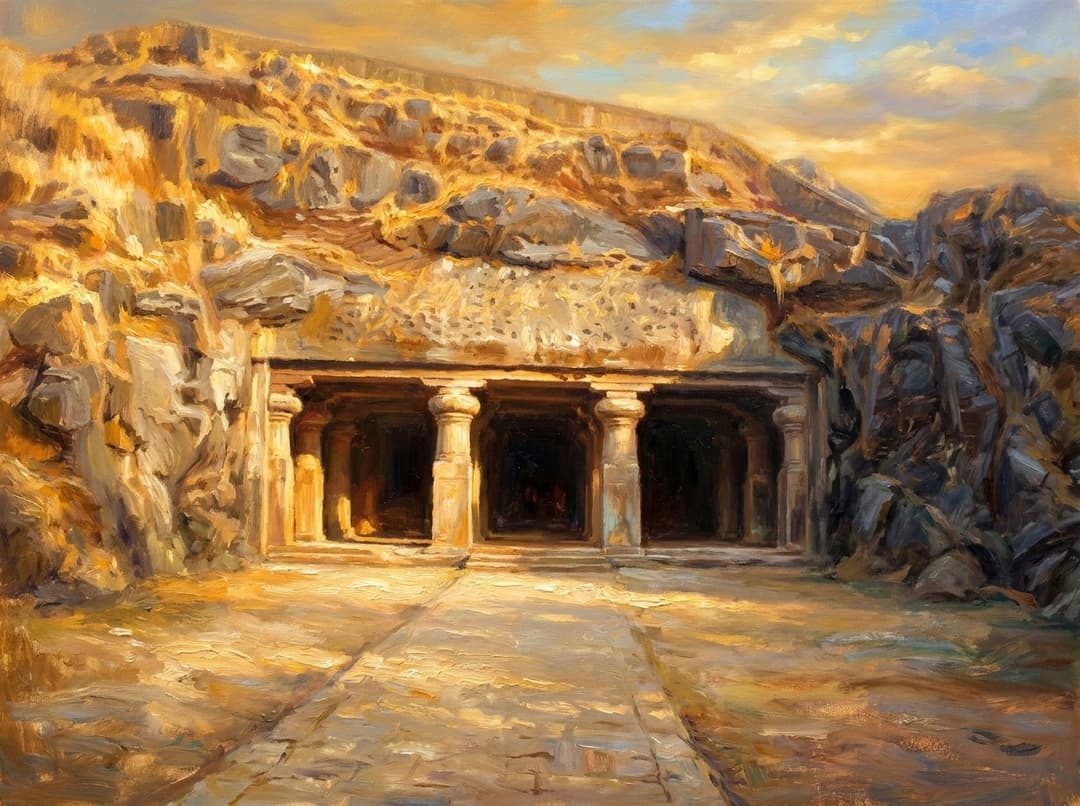
Visiting the Elephanta Caves offers a captivating journey into ancient Indian art and religious traditions. Accessible by ferry from Mumbai, the island provides a serene escape from the bustling city. Upon arrival, visitors can explore the network of caves, marveling at the intricate sculptures and the colossal Trimurti statue. The atmosphere is imbued with a sense of history and spirituality, making it a memorable experience for those interested in art, religion, and Indian culture.
Highlights
- Explore the Great Cave (Cave 1) and witness the Trimurti statue.
- Discover the various sculptures depicting Hindu deities and mythological scenes.
- Enjoy a scenic ferry ride from Mumbai to Elephanta Island.
Things to Know
- Wear comfortable shoes as there is some walking involved.
- Carry water and snacks, especially during the warmer months.
- Be respectful of the religious significance of the site.
Location

Elephanta Island, Mumbai Harbour, Maharashtra, India
Hours: Ferry services operate regularly from the Gateway of India in Mumbai, typically from 9:00 AM to 5:00 PM. The caves are open during these hours.
Getting There: The Elephanta Caves are accessible by ferry from the Gateway of India in Mumbai. Ferries operate regularly, and the journey takes approximately one hour.
Get DirectionsAbout
The Elephanta Caves, located on Elephanta Island (also known as Gharapuri) in Mumbai Harbour, are a remarkable collection of rock-cut temples dedicated primarily to the Hindu god Shiva. These caves, dating back to the mid-5th to 6th centuries CE, represent a fusion of Indian rock-cut architecture and Hindu religious ideas. The island, originally known as Gharapuri, was renamed "Elephanta" by the Portuguese in the 16th century after they discovered a large elephant statue.
The caves are carved from solid basalt rock and are renowned for their impressive sculptures, particularly the colossal Trimurti (three-faced Shiva) statue in Cave 1, also known as the Great Cave. This cave features several compartments, a pillared mandapa (hall), and a sanctuary housing a lingam, symbolizing Shiva's creative energy. The caves also contain various other sculptures depicting Hindu deities and mythological scenes, offering a glimpse into the rich religious and artistic heritage of India.
Designated a UNESCO World Heritage Site in 1987 and a Monument of National Importance, the Elephanta Caves are maintained and protected by the Archaeological Survey of India (ASI). They attract visitors from around the world, providing a unique opportunity to explore ancient Indian art and religious traditions. The local community on Elephanta Island depends on tourism, making the preservation of this site crucial for both cultural heritage and local livelihoods.
Gallery
Symbolic Elements
The temple's exterior features intricate carvings, each rich with spiritual meaning:

Trimurti
The Trimurti, or three-faced Shiva, is one of the most significant sculptures in the Elephanta Caves. It represents the three fundamental aspects of Shiva: creation, preservation, and destruction. This colossal statue embodies the cyclical nature of the universe and the interconnectedness of these divine functions.

Lingam
The Lingam, housed in the sanctuary of Cave 1, is a symbol of Shiva's creative energy and represents the generative power of the deity. It is a central object of worship and signifies the divine potential within the universe. The Lingam is often depicted alongside the Yoni, representing the female principle, symbolizing the union of male and female energies.

Nataraja
Nataraja, the dancing form of Shiva, is a powerful symbol of cosmic energy and the rhythm of creation and destruction. This sculpture captures Shiva in a dynamic pose, surrounded by a ring of fire, representing the continuous cycle of the universe. The dance symbolizes the balance and harmony inherent in the cosmos.

Ardhanarishvara
Ardhanarishvara represents the composite form of Shiva and Parvati, symbolizing the unity of male and female principles. This androgynous form embodies the idea that the divine is beyond gender and that true wholeness comes from the integration of both masculine and feminine energies. It signifies the interdependence and harmony between Shiva and Shakti.

Cave Architecture
The rock-cut architecture of the Elephanta Caves is a symbolic representation of human efforts to create sacred spaces within the natural world. Carved from solid basalt rock, the caves demonstrate the ingenuity and skill of ancient Indian artisans. The pillared halls, intricate carvings, and sculpted deities reflect a deep understanding of both art and religious philosophy.

Basalt Rock
The use of basalt rock as the primary material for the Elephanta Caves carries symbolic weight, representing strength, permanence, and the enduring nature of the divine. Basalt, a volcanic rock, is known for its durability and resistance to erosion, symbolizing the timeless quality of the religious beliefs and artistic expressions embodied in the caves.

Pillared Mandapa
The pillared mandapa, or hall, in Cave 1 serves as a symbolic space for gathering, contemplation, and worship. The pillars themselves represent the support structure of the universe, connecting the earthly realm with the divine. The open design of the mandapa encourages community and shared spiritual experiences, fostering a sense of unity among worshippers.

Yogishvara
Yogishvara, or Shiva as the Lord of Yoga, is depicted in a meditative posture, symbolizing the path to inner peace and enlightenment. This representation highlights the importance of self-discipline, contemplation, and spiritual practice in achieving union with the divine. The serene expression and composed posture of Yogishvara convey a sense of tranquility and wisdom.
Interesting Facts
The island was originally known as Gharapuri, meaning 'city of caves'.
The Portuguese damaged some of the sculptures during their rule.
The main cave (Cave 1) is a large complex measuring 39 meters (128 ft) square.
The caves contain both Hindu and Buddhist sculptures, indicating a period of religious harmony.
The Trimurti statue is considered one of the greatest masterpieces of Indian art.
The caves were painted in the past, but only traces of the paint remain.
The Archaeological Survey of India (ASI) maintains and protects the caves.
The caves are a popular tourist destination, attracting visitors from all over the world.
The caves have been featured in numerous books, documentaries, and films.
The local community on Elephanta Island depends on tourism for their livelihood.
Common Questions
What are the Elephanta Caves?
The Elephanta Caves are a network of sculpted caves located on Elephanta Island in Mumbai Harbour, featuring rock art linked to the Hindu god Shiva. They are a UNESCO World Heritage Site and a Monument of National Importance.
How can I get to the Elephanta Caves?
The Elephanta Caves are accessible by ferry from the Gateway of India in Mumbai. Ferries operate regularly, and the journey takes approximately one hour.
What is the best time to visit the Elephanta Caves?
The best time to visit is during the winter months (October to March) when the weather is pleasant.
Who built the Elephanta Caves?
The Elephanta Caves are believed to have been constructed during the mid-5th to 6th centuries CE. The caves' construction is attributed to various rulers, including the Kalachuris.
What is the significance of the Trimurti statue?
The Trimurti, or three-faced Shiva, represents the three aspects of the deity: creation, preservation, and destruction. It is one of the most prominent sculptures in the Elephanta Caves.
Are there any Buddhist sculptures in the Elephanta Caves?
Yes, the caves contain both Hindu and Buddhist sculptures, indicating a period of religious harmony during their construction.
Featured Stories
The Discovery by the Portuguese
16th Century
In the 16th century, Portuguese explorers arrived at Gharapuri Island, where they encountered the magnificent cave temples. Struck by a large elephant statue near the shore, they renamed the island 'Elephanta,' a name that has endured through centuries. While the Portuguese admired the grandeur of the caves, their presence also marked a period of alteration and damage, as some sculptures were defaced during their rule. This encounter signifies a pivotal moment in the island's history, blending ancient artistry with colonial influence.
The Portuguese, primarily interested in establishing trade routes and asserting their dominance, did not fully grasp the religious and artistic significance of the caves. Their actions, driven by a lack of understanding and cultural sensitivity, resulted in irreversible damage to some of the sculptures. Despite this, the name 'Elephanta' remains a lasting legacy of their presence, forever linking the island to this historical encounter.
Source: https://www.mumbai.org.uk/elephanta-caves
The Construction Mystery
Mid-5th to 6th Centuries CE
The construction of the Elephanta Caves remains shrouded in mystery, with scholars attributing the creation to various dynasties, including the Kalachuris and possibly the Rashtrakutas. The precise timeline and the specific motivations behind the construction are still subjects of debate, adding an element of intrigue to the site. The remarkable skill required to carve these intricate sculptures from solid basalt rock speaks to the advanced artistic and engineering capabilities of the artisans involved.
The caves stand as a testament to the religious fervor and artistic patronage of the era, reflecting a deep commitment to honoring the Hindu god Shiva. The fusion of architectural styles and religious symbolism suggests a complex interplay of cultural influences, making the Elephanta Caves a unique and invaluable historical site. Unraveling the mysteries of its construction continues to be a focus of archaeological research and scholarly inquiry.
Source: https://www.sahapedia.org/the-elephanta-caves-an-overview
The Enduring Legacy of Art and Faith
Present Day
Today, the Elephanta Caves stand as a UNESCO World Heritage Site, attracting visitors from around the globe who come to marvel at the ancient artistry and religious significance. The caves serve as a powerful reminder of India's rich cultural heritage and the enduring power of faith. The Archaeological Survey of India (ASI) works tirelessly to preserve and protect the caves, ensuring that future generations can appreciate this invaluable treasure.
The local community on Elephanta Island depends on tourism, making the preservation of the caves crucial for both cultural heritage and local livelihoods. The caves not only offer a glimpse into the past but also provide a source of sustenance for the present, highlighting the interconnectedness of history, culture, and community. The Elephanta Caves continue to inspire awe and reverence, embodying the timeless spirit of art and faith.
Source: https://whc.unesco.org/en/list/244/
Timeline
Construction of the Elephanta Caves
The Elephanta Caves are believed to have been constructed during this period, attributed to various rulers, including the Kalachuris.
MilestonePortuguese Rename the Island
The Portuguese renamed the island 'Elephanta' after discovering a large elephant statue on the island.
EventNewspaper Mentions Exquisite Architecture
Newspaper articles mention the exquisite architecture of the Hindu temples.
EventDesignated a UNESCO World Heritage Site
The Elephanta Caves are designated a UNESCO World Heritage Site, recognizing their cultural and historical significance.
MilestoneLikely Start of Cave Construction
Scholars suggest the earliest cave excavations began around the mid-5th to 6th centuries CE, during the Kalachuri dynasty.
MilestonePossible Completion of Major Sculptures
It is estimated that the major sculptures and cave carvings were completed by the 6th century CE under the Kalachuri dynasty.
MilestonePortuguese Colonization Begins
The Portuguese took control of the island in 1534, initiating a period of potential damage and alteration to the caves.
EventDamage to Sculptures
During Portuguese rule, some sculptures were damaged, including the large elephant statue that gave the island its name.
RenovationFirst Efforts at Preservation
British colonial authorities began initial efforts to document and preserve the caves in the late 19th century.
RenovationFormal Archaeological Study
Archaeological Survey of India (ASI) initiated formal studies and conservation efforts at the site.
RenovationMajor Restoration Project
A significant restoration project was undertaken to stabilize and protect the caves from further deterioration.
RenovationNomination for World Heritage Status
The Elephanta Caves were officially nominated for UNESCO World Heritage status.
EventOngoing Conservation Efforts
The ASI continues to monitor and implement conservation measures to address environmental and structural challenges.
RenovationTourism Management Initiatives
Efforts were made to improve tourism infrastructure and manage visitor impact on the fragile cave environment.
EventContinued Preservation and Research
The Elephanta Caves remain a focal point for archaeological research and conservation, balancing cultural preservation with sustainable tourism.
EventSimilar Temples
Sources & Research
Every fact on Temples.org is backed by verified Sources & Research. Each piece of information is rated by source tier and confidence level.
View All Sources (8)
| Field | Source | Tier | Retrieved |
|---|---|---|---|
| About & Historical Background | UNESCO World Heritage Centre (opens in a new tab) | B | 2024-01-02 |
| About & Historical Background | Archaeological Survey of India (opens in a new tab) | A | 2024-01-02 |
| Coordinates | Wikidata (opens in a new tab) | B | 2024-01-02 |
| Architectural Description | Britannica (opens in a new tab) | B | 2024-01-02 |
| Timeline & Historical Context | Live History India (opens in a new tab) | C | 2024-01-02 |
| Visitor Information | Mumbai.org.uk (opens in a new tab) | D | 2024-01-02 |
| Symbolic Elements & Religious Significance | Indian Culture (opens in a new tab) | B | 2024-01-02 |
| Historical Newspaper Articles | Library of Congress (opens in a new tab) | B | 2024-01-02 |