Visitor Insights
Visiting Shri Swaminarayan Akshardham, Gandhinagar
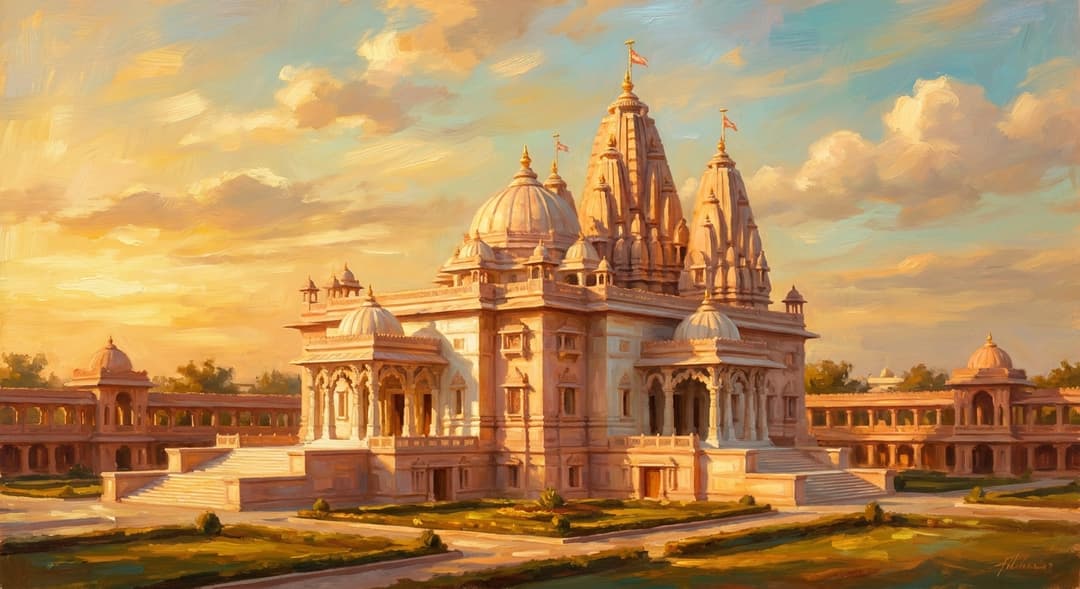
Akshardham Gandhinagar offers a profound cultural and spiritual experience combining active temple worship, hand-carved stone architecture, and state-of-the-art educational halls. Visitors can explore landscaped gardens, sacred repositories, and an evening multimedia water show.
Highlights
- Central 108-foot pink sandstone mandir housing gold-leafed murtis.
- Sahajanand Pradarshan immersive exhibitions featuring animatronics and dioramas.
- Prasadi Mandapam sacred repository showcasing 19th-century holy relics.
- Sat-Chit-Anand multimedia water show dramatizing the Upanishadic tale of Nachiketa.
Things to Know
- Security measures are strict; electronic devices, cameras, mobile phones, and large bags are prohibited.
- Modest dress covering shoulders and knees is mandatory for entry.
- The complex is closed every Monday.
Location
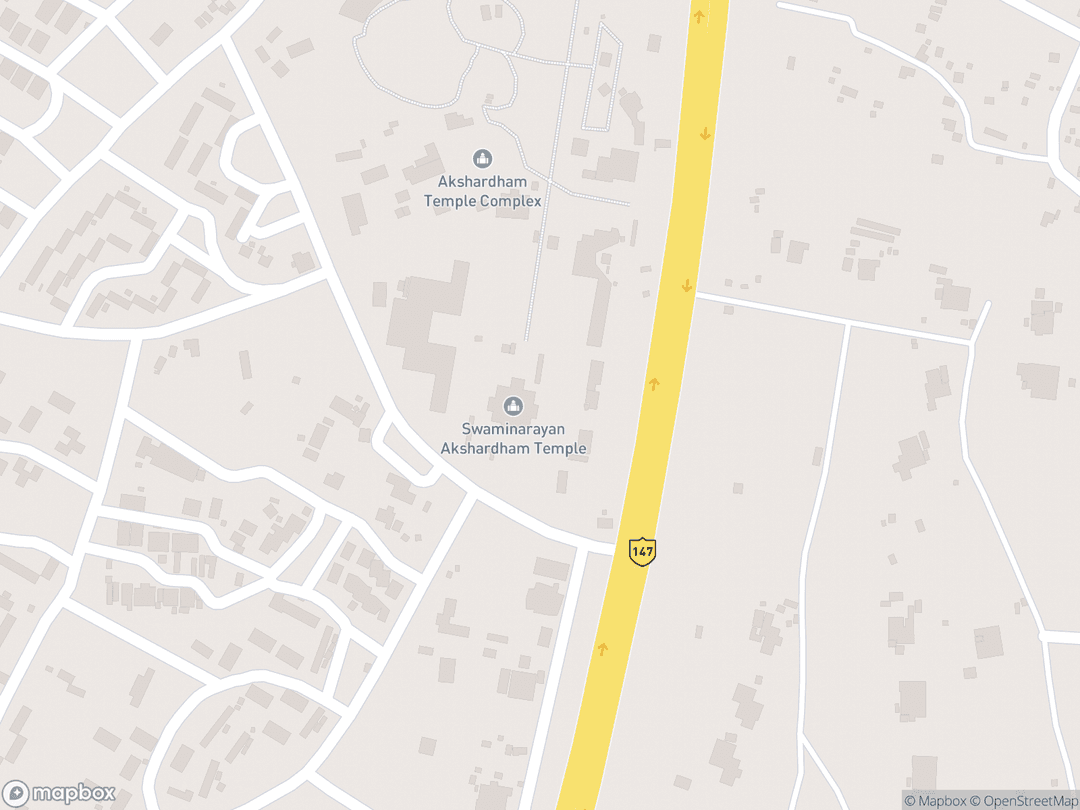
Sector 20, J-Road, Gandhinagar, Gujarat 382020, India
Hours: Tuesday to Sunday: 9:30 AM to 7:30 PM (Water Show after sunset). Closed Mondays.
Getting There: Located in Sector 20, Gandhinagar, approximately 20 km from Sardar Vallabhbhai Patel International Airport (AMD) in Ahmedabad via NH44.
Get DirectionsTips for Your Visit
Security and Belongings
Deposit mobile phones and cameras at the free cloakroom near the main entrance before passing through security.
Footwear Guidelines
Shoes must be removed before stepping onto the elevated marble podium of the main mandir.
Evening Water Show
Purchase tickets early in the afternoon to secure seating for the popular Sat-Chit-Anand Water Show.
About
Shri Swaminarayan Akshardham in Gandhinagar, Gujarat, is a landmark Hindu temple complex and cultural center dedicated to Bhagwan Swaminarayan. Inspired by Yogiji Maharaj and created by Pramukh Swami Maharaj, the 23-acre campus was consecrated on October 30, 1992. The center of the complex is a majestic 108-foot-tall load-bearing stone mandir built entirely without structural steel or iron.
Constructed from 6,000 metric tons of hand-carved pink sandstone from Rajasthan, Akshardham stands as a triumph of traditional Indian craftsmanship. The complex incorporates ancient Shilpa Shastras design with modern exhibitions, including interactive dioramas, research centers, and a multimedia water show. It serves as an active place of worship and a global testament to spiritual harmony.
Interesting Facts
Akshardham Gandhinagar was the first major load-bearing stone temple built in modern times without structural steel. (Tier A)
The 6,000-ton sandstone structure is held together by gravity and interlocking mortise-and-tenon joints designed to last 1,000 years. (Tier A)
More than 8 million volunteer hours were contributed by thousands of devotees and artisans during construction. (Tier A)
Pramukh Swami Maharaj's call for peace after a 2002 crisis successfully prevented civil unrest across the region. (Tier B)
The Sat-Chit-Anand water show features a 130-foot water screen and 4,000 nozzles created with French agency ECA2. (Tier B)
The Prasadi Mandapam houses authentic 19th-century personal relics of Bhagwan Swaminarayan. (Tier A)
All 97 pillars and 17 domes were hand-carved in Rajasthan workshops and cataloged with unique numeric codes before assembly. (Tier A)
The central sanctum stands on the exact spot where Yogiji Maharaj prayed under a banyan tree in 1970. (Tier A)
Common Questions
What is the primary spiritual significance of Akshardham Gandhinagar?
It is an active Hindu mandir dedicated to Bhagwan Swaminarayan while honoring the broader spiritual tradition of Sanatana Dharma.
Is there an admission fee for the complex?
Entry to the main mandir and surrounding gardens is free, though nominal fees apply for exhibition halls and the water show.
Why was the mandir built without structural steel?
Using load-bearing stone with mortise-and-tenon joints ensures a rust-free structural lifespan exceeding 1,000 years.
What items are prohibited inside the complex?
Mobile phones, cameras, smartwatches, electronic devices, bags, and outside food are strictly prohibited inside.
Featured Stories
Prophesy Under the Banyan Tree
1970
In 1970, Yogiji Maharaj visited Sector 20 in Gandhinagar and stood under a banyan tree. He scattered rose petals and prayed for a magnificent spiritual center to rise on that exact location. Two decades later, his vision was realized when the central mandir was consecrated on that precise spot.
Source: BAPS History Records
The Marvel of Steel-Free Construction
October 30, 1992
Engineers and artisans joined forces to erect a 108-foot-tall sandstone monument without using structural steel or reinforced concrete. Over 6,000 metric tons of pink sandstone were hand-carved in Rajasthan and assembled in Gandhinagar like a giant interlocking stone puzzle. This historic achievement sparked a global revival of ancient Indian temple stone craftsmanship.
Source: BAPS Architectural Archives
A World-Renowned Call for Peace
September 25, 2002
Following a tragic attack on the complex on September 24, 2002, Pramukh Swami Maharaj visited the grounds to sprinkle holy water and pray for all departed souls. His compassionate response and explicit call for peace prevented retaliatory violence across the region. His actions demonstrated the core Vedic principles of harmony and non-violence in the face of adversity.
Source: BAPS Communications Office
Timeline
Yogiji Maharaj's Vision
Yogiji Maharaj prays under a banyan tree in Gandhinagar, envisioning a grand spiritual center.
MilestoneInternational Research Survey
A research team of monks and architects surveys museums worldwide to integrate traditional stone arts with exhibition methods.
MilestoneStructural Engineering Begins
Groundwork commences with a commitment to pure load-bearing stone construction without structural steel.
component.timeline.groundbreakingStone Quarrying and Carving
Over 6,000 metric tons of pink sandstone are quarried from Rajasthan and hand-carved by master stone-cutters.
EventCampus Design Finalization
Plans for surrounding exhibition halls, research facilities, and 14 acres of gardens are completed.
MilestoneSacred Consecration (Prana Pratishtha)
Pramukh Swami Maharaj performs the consecration ceremony inside the central sanctum.
DedicationPublic Opening Assembly
A massive public inauguration takes place during the Yogiji Maharaj Centenary Celebrations.
EventComplex Security Crisis
A tragic incident occurs on the complex grounds, drawing global attention.
EventHistoric Call for Peace
Pramukh Swami Maharaj offers prayers for all victims and issues a historic appeal for peace and forgiveness.
MilestoneAARSH Research Center Opening
The Akshardham Centre for Applied Research in Social Harmony opens to advance interfaith and Vedic studies.
RenovationSat-Chit-Anand Water Show Launch
Inauguration of an advanced multimedia water screen show telling the story of Nachiketa.
EventHistory by Decade
1970s — Vision and Research
In 1970, Yogiji Maharaj prayed under a banyan tree for a spiritual complex in Gandhinagar. Following his passing in 1971, Pramukh Swami Maharaj led a research team of monks and architects to survey cultural monuments worldwide, blending ancient stone architecture with modern display techniques.
1980s — Sourcing and Hand-Carving
Structural groundwork began in 1979 without using structural steel. Between 1981 and 1988, over 6,000 metric tons of pink sandstone were quarried from Banshi Paharpur and hand-carved by hundreds of master stone-cutters across Rajasthan and Gujarat.
1990s — Consecration and Opening
Pramukh Swami Maharaj performed the sacred prana pratishtha consecration of the murtis on October 30, 1992. A grand public opening followed on November 2, 1992, establishing Akshardham as a monumental landmark of modern Hindu stone architecture.
2000s — Peace Appeal and Expansion
Following a security crisis on September 24, 2002, Pramukh Swami Maharaj issued a world-renowned message of forgiveness and peace that prevented widespread civil unrest. The campus subsequently expanded with new research centers and upgraded technological exhibits.
2010s — Multimedia Water Show Integration
In April 2010, the complex inaugurated the Sat-Chit-Anand Water Show in collaboration with French design firm ECA2. This multimedia fountain spectacle presents the ancient Upanishadic story of Nachiketa using water screens, lasers, and pyrotechnics.
2020s — Global Blueprint Legacy
Decades after its consecration, Gandhinagar Akshardham continues to operate as an active mandir and cultural landmark. It served as the architectural and spiritual precursor to later Akshardham monuments in New Delhi and New Jersey.
Architecture & Facilities
Shri Swaminarayan Akshardham in Gandhinagar is constructed according to ancient Shilpa Shastras in the traditional Solanki (Maru-Gurjara) Nagara architectural style of Western India. Designed without structural steel or iron, the entire load-bearing stone monument relies on intricate mortise-and-tenon interlocking joints to achieve a timeless aesthetic.
Building Materials
Banshi Paharpur Pink Sandstone
Quarried in Rajasthan for thermal strength, durability, and a warm natural hue.
White Makrana Marble
Utilized in the inner sanctum to evoke spiritual purity and diffuse ambient light.
Interlocking Stone Pegs
Traditional mortise-and-tenon joints engineered to withstand seismic stress for over 1,000 years.
Gold Leafing
Applied to the primary murtis to symbolize divine radiance.
Interior Features
Hari Mandapam
Central sanctum enshrining a seven-foot gold-leafed murti of Bhagwan Swaminarayan flanked by spiritual successors.
Vibhuti Mandapam
Marble-lined hall displaying foundational spiritual revelations on illuminated brass lotuses.
Prasadi Mandapam
Sacred repository preserving authentic 19th-century personal relics of Bhagwan Swaminarayan.
Sahajanand Pradarshan
Immersive 62,000 sq ft hall using animatronics and dioramas to communicate Vedic values.
Temple Grounds
The 23-acre complex features the 14-acre Sahajanand Van gardens, incorporating step-well style courtyards (vavs), bronze statues, fountains, and native plant species.
Additional Facilities
Includes the AARSH research center, the Sat-Chit-Anand water show amphitheater, visitor security centers, and vegetarian dining facilities.
Religious Significance
Shri Swaminarayan Akshardham in Gandhinagar is rooted in the eternal principles of Sanatana Dharma, expressing the universal Vedic quest for spiritual enlightenment. As part of the Swaminarayan Sampradaya, the mandir serves as a sacred bridge (tirtha) designed to elevate human consciousness and promote moral harmony.
To offer a sacred space for devotion (bhakti), spiritual education, and self-realization by worshiping Bhagwan Swaminarayan and honoring the eternal teachings of the Vedas.
Sacred Ordinances
Darshan and Aarti
Daily devotional viewing of the sacred murtis accompanied by rhythmic prayer offerings and burning of lamps.
Moorti Puja and Archana
Personal prayer rituals and offerings expressing reverence for the Divine and seeking inner purification.
Satsang and Spiritual Discourse
Community gatherings focusing on scriptural study, devotional singing, and moral guidance.
Shared Faith Heritage and Denominational Theology
Akshardham embodies both shared Hindu principles—such as karma, dharma, and moksha—and specific Swaminarayan Akshar-Purushottam philosophy. The presence of altars for Shri Sita-Ram, Shri Radha-Krishna, Shri Lakshmi-Narayan, and Shri Parvati-Mahadev highlights unity within Sanatana Dharma, while the central sanctum visually conveys the spiritual path of becoming aksharrup to worship Purushottam.
Major Festivals
Swaminarayan Jayanti and Ram Navami
March / April
Joint celebration commemorating the births of Bhagwan Swaminarayan and Lord Ram with special prayers and discourses.
Janmashtami
August / September
Celebration of Lord Krishna's birth with night-long devotional singing, decorations, and aarti.
Diwali and Annakut
October / November
Festival of lights featuring a grand offering of hundreds of vegetarian food dishes before the deities.
Similar Temples
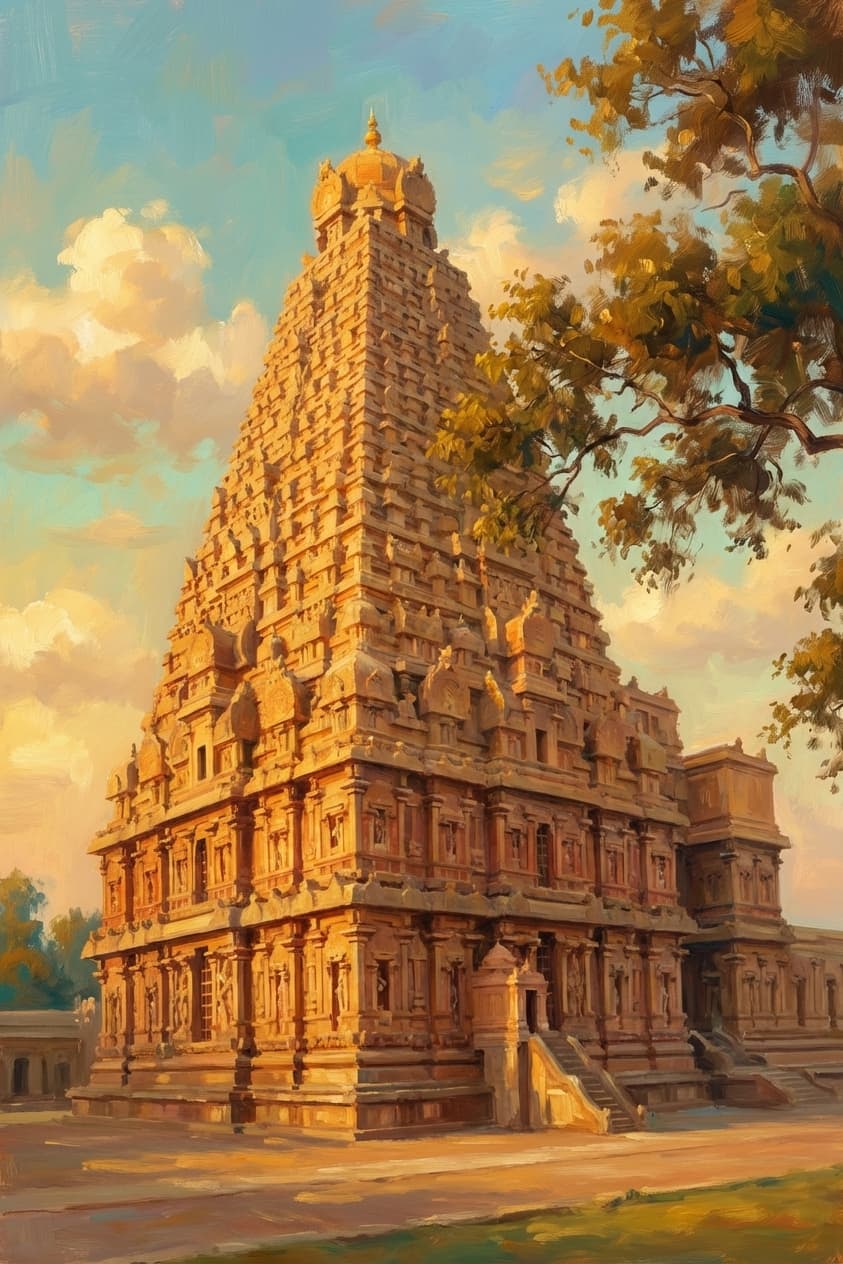

Sources & Research
Every fact on Temples.org is backed by verified Sources & Research. Each piece of information is rated by source tier and confidence level.
View All Sources (7)
| Field | Source | Tier | Retrieved |
|---|---|---|---|
| About & Historical Background | BAPS Swaminarayan Sanstha (opens in a new tab) | A | 2026-02-23 |
| Architecture & Structural Engineering | BAPS Swaminarayan Sanstha (opens in a new tab) | A | 2026-02-23 |
| Religious Significance & Relics | BAPS Swaminarayan Sanstha (opens in a new tab) | A | 2026-02-23 |
| Timeline & Peace Appeal | The Hindu (opens in a new tab) | B | 2026-02-23 |
| Visitor Information | Gujarat Tourism (opens in a new tab) | B | 2026-02-23 |
| Sat-Chit-Anand Water Show | ECA2 Creative Agency (opens in a new tab) | B | 2026-02-23 |
| Applied Research in Social Harmony | Akshardham Centre for Applied Research in Social Harmony (opens in a new tab) | A | 2026-02-23 |