Visitor Insights
Visiting Gurudwara Manikaran Sahib
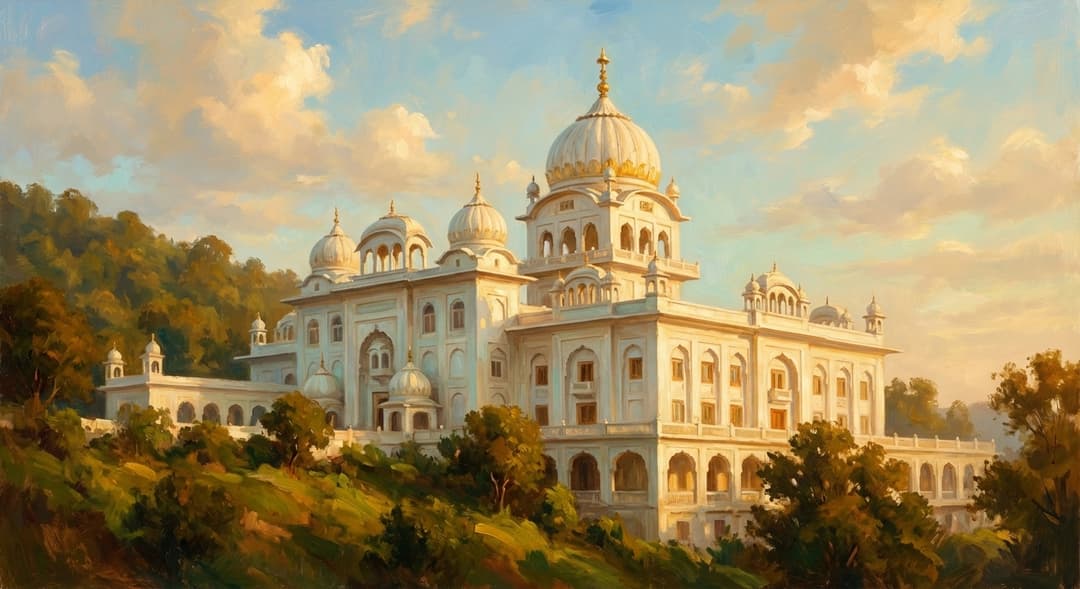
Visiting Gurudwara Manikaran Sahib is a deeply spiritual and culturally enriching experience. The serene atmosphere, coupled with the warmth of the hot springs and the selfless service in the langar, creates a unique and uplifting environment. Visitors can expect to witness the harmonious blend of Sikh and Hindu traditions, and to partake in the healing waters and communal meals that define this sacred site.
Highlights
- Experience the healing properties of the natural hot springs.
- Partake in the langar, a free communal meal prepared with devotion.
- Witness the harmonious blend of Sikh and Hindu architectural styles.
Things to Know
- Dress modestly and cover your head before entering the gurudwara.
- Remove shoes before entering the gurudwara.
- Respect local customs and traditions.
Location
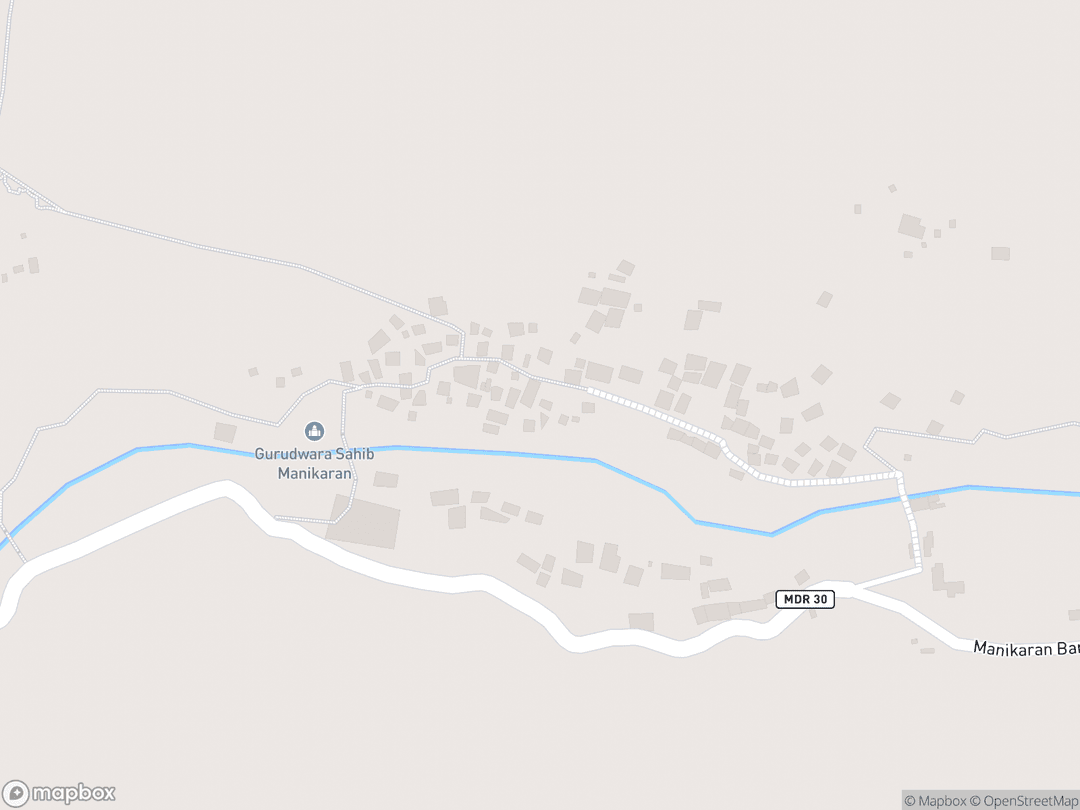
Manikaran, Kullu District, Himachal Pradesh 175105, India
Hours: Open 24 hours daily
Getting There: Located in Manikaran, approximately 4 km from Kasol, 45 km from Kullu, and 35 km from Bhuntar. The nearest airport is Kullu-Manali Airport in Bhuntar. Well-connected by road to major cities.
Get DirectionsTips for Your Visit
Dress Modestly
Ensure your attire is respectful when visiting the gurudwara.
Cover Your Head
It is customary to cover your head with a scarf or turban inside the gurudwara.
About
Gurudwara Manikaran Sahib is a prominent Sikh gurudwara located in the Kullu district of Himachal Pradesh, India. Situated in the Parvati Valley, it is a significant pilgrimage destination for both Sikhs and Hindus. The gurudwara is renowned for its natural hot springs and the langar, a communal kitchen that serves free meals to all visitors.
The history of Manikaran Sahib is deeply intertwined with the visit of Guru Nanak Dev Ji, the founder of Sikhism, in the early 16th century. According to Sikh tradition, Guru Nanak Dev Ji, along with his disciple Bhai Mardana, arrived at Manikaran. When Mardana expressed his need for food, Guru Nanak Dev Ji miraculously revealed a hot spring. This event solidified the site's spiritual significance and led to the establishment of the gurudwara.
The gurudwara complex features a blend of Sikh and Hindu architectural styles, harmonizing with the natural surroundings. The hot springs are a defining feature, believed to possess healing properties due to their mineral-rich content. The langar at Manikaran Sahib is prepared using the hot spring water, a unique and blessed culinary practice that embodies the Sikh principles of equality and selfless service.
Gallery
Symbolic Elements
The temple's exterior features intricate carvings, each rich with spiritual meaning:

Guru Granth Sahib
The central focus of the Gurudwara, the Guru Granth Sahib, is the holy scripture of Sikhism. It is treated with the utmost respect and reverence, and its teachings guide the spiritual practices of the devotees.

Langar
The communal kitchen symbolizes equality and selfless service, core tenets of Sikhism. The langar at Manikaran Sahib provides free meals to all visitors, regardless of their background or beliefs, fostering a sense of community and shared humanity.

Hot Springs
The natural hot springs represent divine intervention and healing. Believed to possess miraculous properties, the mineral-rich waters offer physical and spiritual rejuvenation to those who bathe in them.

Nishan Sahib
The Sikh flag, symbolizing the presence of the Gurudwara and Sikh identity, is prominently displayed at Manikaran Sahib. It serves as a beacon of faith and a reminder of the Sikh values of courage, compassion, and service.

Domes
The shimmering domes of the Gurudwara symbolize Sikh purity and divine grace. They reflect the spiritual aspirations of the devotees and the eternal presence of the divine.

Prayer Hall
The spacious prayer hall is where the Guru Granth Sahib is placed. The atmosphere is serene and spiritually uplifting, providing a space for devotees to connect with the divine through prayer and meditation.

Stone and Marble Architecture
The Gurudwara is predominantly constructed using stone and marble, materials that symbolize strength, durability, and purity. These materials reflect the enduring nature of faith and the timeless values of Sikhism.

Parvati River
The Parvati River flows alongside the Gurudwara, adding to the serene and spiritual ambiance of the site. The river symbolizes purity, renewal, and the continuous flow of divine grace.
Interesting Facts
Manikaran Sahib is a pilgrimage center for both Sikhs and Hindus, symbolizing unity in diversity.
The hot springs are believed to have miraculous healing properties due to their mineral-rich content.
The langar at Manikaran Sahib is prepared using the hot spring water, a unique and blessed culinary practice.
According to Sikh tradition, Guru Nanak Dev Ji's visit to Manikaran solidified the site's spiritual significance.
Hindu legend states that Lord Shiva and Parvati stayed in Manikaran for many years. Parvati lost her precious gem (mani) in a spring, giving the town its name.
The water in the hot springs is so hot that rice can be cooked in it.
Manikaran is mentioned in ancient Indian epics such as Braham Puran, Mahabharat, and Ramayan.
The Gurudwara provides free accommodation for visitors.
Manikaran is located at an altitude of approximately 1,760 meters (5,774 feet) above sea level.
An experimental geothermal energy plant has been set up in Manikaran.
Common Questions
What is Gurudwara Manikaran Sahib known for?
Gurudwara Manikaran Sahib is renowned for its natural hot springs, which are believed to have healing properties, and the langar, a communal kitchen that serves free meals to all visitors. It is also historically significant due to the visit of Guru Nanak Dev Ji.
How do I get to Gurudwara Manikaran Sahib?
The gurudwara is located in Manikaran, approximately 4 km from Kasol, 45 km from Kullu, and 35 km from Bhuntar. The nearest airport is Kullu-Manali Airport in Bhuntar. It is well-connected by road to major cities in Himachal Pradesh and neighboring states.
What are the best times to visit Gurudwara Manikaran Sahib?
The best times to visit are from April to June and September to November, when the weather is pleasant. Early mornings (7 AM – 10 AM) and late afternoons (4 PM – 6 PM) are ideal to avoid crowds.
What should I wear when visiting the gurudwara?
Dress modestly and cover your head with a scarf or turban as a sign of respect. Remove your shoes before entering the gurudwara.
What is the significance of the hot springs at Manikaran Sahib?
The hot springs are believed to have miraculous healing properties due to their mineral-rich content. They are also used to prepare the langar, a unique and blessed culinary practice.
Featured Stories
Guru Nanak's Miracle at Manikaran
Early 16th Century
In the early 16th century, Guru Nanak Dev Ji, the founder of Sikhism, visited Manikaran with his disciple Bhai Mardana. During their travels, Mardana expressed his hunger and the need for food. Guru Nanak Dev Ji, with his divine power, revealed a hot spring, providing a means to cook food and satiate their hunger. This miraculous event solidified Manikaran's spiritual significance, marking it as a sacred site blessed by the Guru himself.
The hot spring not only provided sustenance but also symbolized the Guru's compassion and his ability to provide for his followers in times of need. The event is a testament to the Guru's divine power and his unwavering commitment to serving humanity. It continues to inspire devotees who visit Manikaran Sahib, reminding them of the Guru's presence and his blessings.
Source: Sikh Historical Texts
Baba Narayan Hari and the Gurudwara's Establishment
Mid-20th Century
In the mid-20th century, Baba Narayan Hari, a Sikh saint, rediscovered the site of Guru Nanak Dev Ji's visit and initiated the construction of the Gurudwara. Despite facing initial opposition and challenges, Baba Narayan Hari persevered, driven by his devotion and vision to create a sacred space for pilgrims. His unwavering commitment and dedication laid the foundation for the modern Gurudwara Manikaran Sahib.
Baba Narayan Hari's efforts transformed Manikaran into a prominent pilgrimage destination, attracting devotees from far and wide. His legacy continues to inspire those who visit the Gurudwara, reminding them of the power of faith and the importance of selfless service. The Gurudwara stands as a testament to his vision and his enduring contribution to Sikhism.
Source: Local Gurudwara Records
The Langar: A Symbol of Equality and Service
Ongoing Tradition
The langar at Gurudwara Manikaran Sahib is a unique and blessed culinary practice, prepared using the hot spring water. This communal kitchen serves free meals to all visitors, regardless of their background or beliefs, embodying the Sikh principles of equality and selfless service. The langar is a testament to the Sikh values of compassion, generosity, and community, fostering a sense of shared humanity among all who partake in it.
The preparation and serving of the langar is a labor of love, carried out by dedicated volunteers who work tirelessly to ensure that all visitors are well-fed and cared for. The langar is not only a source of physical nourishment but also a spiritual experience, reminding devotees of the importance of serving others and sharing their blessings with those in need. It stands as a powerful symbol of Sikhism's commitment to social justice and equality.
Source: Gurudwara Manikaran Sahib Management Committee
Timeline
Guru Nanak Dev Ji's Visit
Guru Nanak Dev Ji, the founder of Sikhism, visits Manikaran with his disciple Bhai Mardana, marking the site's spiritual significance.
MilestoneGuru Nanak Dev Ji's Visit
Guru Nanak Dev Ji visits the place with Bhai Mardana.
MilestoneRediscovery by Baba Narayan Hari
Baba Narayan Hari rediscovers the site of Guru Nanak Dev Ji's visit and initiates the construction of the gurudwara.
MilestoneFormal Establishment of Gurudwara
Baba Narayan Hari formally establishes the Gurudwara Manikaran Sahib, laying the foundation for the modern shrine.
DedicationDeath of Saint Shri Narayan Hari
Saint Shri Narayan Hari, who played a pivotal role in establishing the gurudwara, passes away.
EventPreservation Efforts
Efforts are focused on preserving the cultural and spiritual heritage of Gurudwara Manikaran Sahib.
RenovationContinued Pilgrimage Site
Gurudwara Manikaran Sahib remains a significant pilgrimage site, attracting visitors to experience the healing hot springs and participate in the langar.
EventGuru Nanak's Visit
Guru Nanak Dev Ji visits the place with Bhai Mardana.
MilestoneGurudwara Established
Baba Narayan Hari, a Sikh saint, formally establishes the Gurudwara.
DedicationSaint Shri Narayan Hari Dies
Saint Shri Narayan Hari dies.
EventHeritage Preservation
Efforts are focused on preserving the cultural and spiritual heritage of Gurudwara Manikaran Sahib.
RenovationPilgrimage Site
Gurudwara Manikaran Sahib remains a significant pilgrimage site, attracting visitors to experience the healing hot springs and participate in the langar.
EventGuru Nanak's Visit
Guru Nanak Dev Ji, the founder of Sikhism, visits Manikaran with his disciple Bhai Mardana, marking the site's spiritual significance.
MilestoneBaba Narayan Hari
Baba Narayan Hari rediscovers the site of Guru Nanak Dev Ji's visit and initiates the construction of the Gurudwara.
MilestoneSimilar Temples
Sources & Research
Every fact on Temples.org is backed by verified Sources & Research. Each piece of information is rated by source tier and confidence level.
View All Sources (3)
| Field | Source | Tier | Retrieved |
|---|---|---|---|
| About & Historical Background | District Administration Kullu (opens in a new tab) | A | 2024-01-31 |
| Historical Context | eUttaranchal (opens in a new tab) | D | 2024-01-31 |
| Gurudwara Establishment | ChalBanjare (opens in a new tab) | C | 2024-01-31 |