Visitor Insights
Visiting Takht Sri Patna Sahib
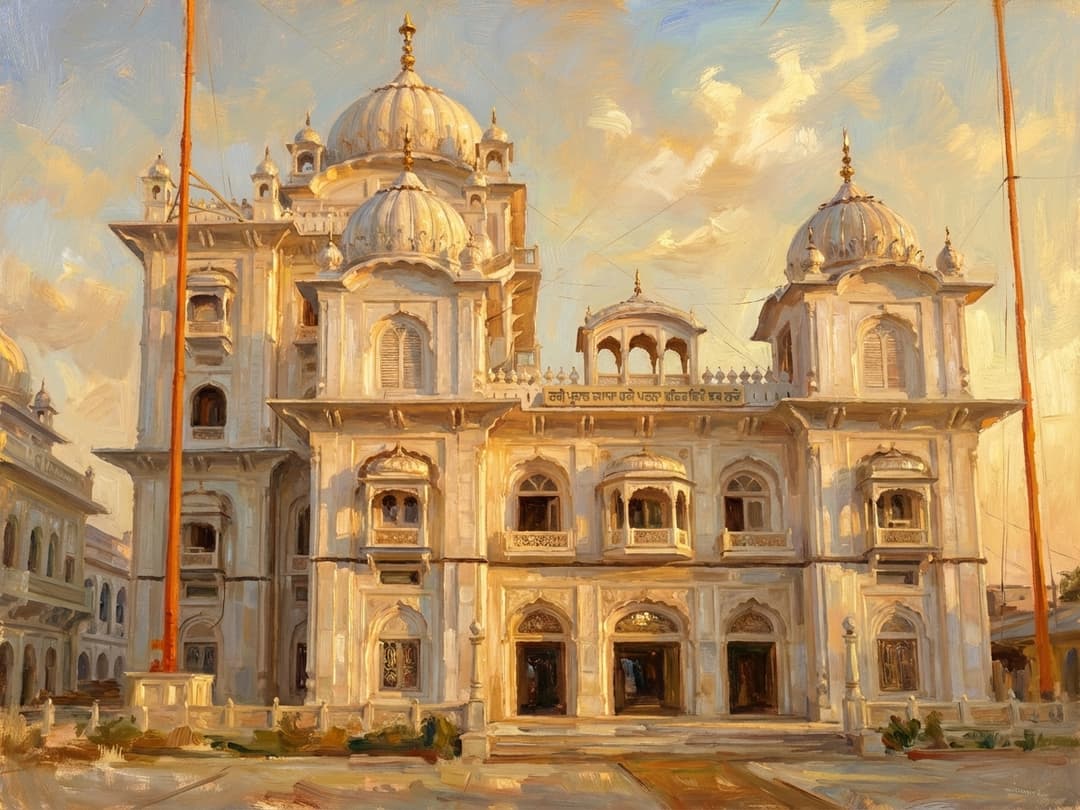
Visiting Takht Sri Patna Sahib offers a deeply spiritual and culturally enriching experience. The atmosphere is serene and filled with devotion, as pilgrims from all walks of life come to pay their respects. Visitors can expect to witness the beautiful architecture, participate in prayers, and partake in the langar, the community kitchen that serves free meals to all, embodying the Sikh principles of equality and service. It is advisable to dress modestly and cover your head as a sign of respect.
Highlights
- Witness the stunning Sikh architecture, adorned with domes, marble inlays, and ornate frescoes.
- Participate in the daily prayers and immerse yourself in the spiritual ambiance.
- Experience the langar, a community kitchen that serves free meals to all visitors.
Things to Know
- Dress modestly and cover your head as a sign of respect.
- Be mindful of the religious customs and traditions of the Gurdwara.
- Plan your visit during the pleasant weather months of October to March.
Location
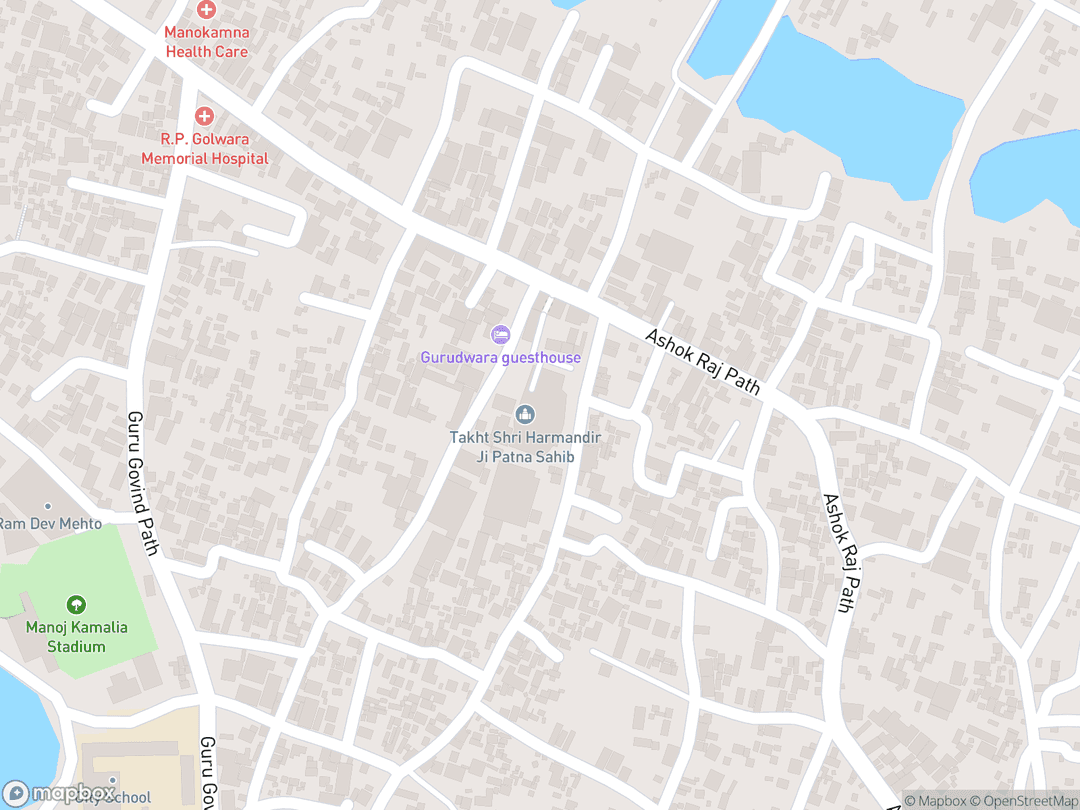
Takhat Sri Harimandir ji, Patna Sahib, Patna, Bihar 800008, India
Hours: Open daily from 4:00 AM to 9:00 PM.
Getting There: The Gurdwara is approximately 5 km from Patna city center. Autos, taxis, and cycle rickshaws are readily available.
Get DirectionsAbout
Takht Sri Patna Sahib, also known as Takhat Sri Harimandir Ji, stands as one of the most significant Gurdwaras in Sikhism. Located in Patna, Bihar, India, it holds immense importance as one of the five Takhts, or seats of authority, in the Sikh tradition. The Gurdwara is especially revered as the birthplace of Guru Gobind Singh Ji, the tenth and last human Guru of Sikhism, who was born here in December 1666.
Guru Gobind Singh Ji spent his early years in Patna, absorbing the spiritual and cultural atmosphere of the city, before eventually moving to Anandpur Sahib. Besides its association with Guru Gobind Singh Ji, Patna also holds significance as a place visited by Guru Nanak, the founder of Sikhism, and Guru Tegh Bahadur, the ninth Sikh Guru. These visits have further sanctified the city and cemented its place in Sikh history.
As a Sikh temple, Takht Sri Patna Sahib is part of the Sikh theological grouping within the broader Dharmic traditions. Sikhism shares common ground with other Dharmic religions like Hinduism and Buddhism in its emphasis on dharma, karma, and reincarnation, while maintaining its distinct identity through its unique scriptures, principles, and practices centered on the teachings of the ten Gurus and the Guru Granth Sahib. The Gurdwara serves as a beacon of faith, attracting pilgrims from all over the world who come to pay homage to Guru Gobind Singh Ji and experience the spiritual essence of Sikhism.
Gallery
Symbolic Elements
The temple's exterior features intricate carvings, each rich with spiritual meaning:

Golden Dome
The golden dome is a prominent feature of Takht Sri Patna Sahib, symbolizing spiritual enlightenment and divine grace. Its radiant presence signifies the Gurdwara's sacredness and its role as a beacon of faith for Sikhs worldwide.

Nishan Sahib
The Nishan Sahib, a Sikh flag, stands tall at Takht Sri Patna Sahib, representing the sovereignty and identity of the Sikh community. It serves as a reminder of the Sikh values of courage, sacrifice, and unwavering devotion to the teachings of the Gurus.

Langar Hall
The Langar Hall is a community kitchen where free meals are served to all visitors, regardless of their background or social status. It embodies the Sikh principles of equality, selfless service, and sharing, fostering a sense of unity and compassion among the community.

Sacred Relics
Takht Sri Patna Sahib houses several sacred relics associated with Guru Gobind Singh Ji, including his cradle, weapons, and a pair of sandals. These relics serve as tangible reminders of the Guru's life, teachings, and sacrifices, inspiring devotees to follow his path of righteousness and devotion.

White Marble Facade
The white marble facade of Takht Sri Patna Sahib exudes purity, serenity, and spiritual grace. Its pristine appearance reflects the Gurdwara's sacredness and its role as a sanctuary for prayer, meditation, and contemplation.

Prayer Halls
The prayer halls at Takht Sri Patna Sahib provide a serene and sacred space for devotees to gather, offer prayers, and immerse themselves in the spiritual ambiance. These halls are adorned with intricate architectural details, creating an atmosphere of reverence and devotion.

Guru Granth Sahib
The Guru Granth Sahib, the holy scripture of Sikhism, is enshrined at Takht Sri Patna Sahib, serving as the central focus of worship and reverence. Its teachings guide Sikhs on the path of righteousness, compassion, and selfless service, inspiring them to live a life of devotion and spiritual fulfillment.
Interesting Facts
Takht Sri Patna Sahib marks the exact spot where Guru Gobind Singh Ji was born on December 22, 1666.
It is one of the five Takhts in Sikhism, serving as a significant seat of authority and decision-making within the Sikh community.
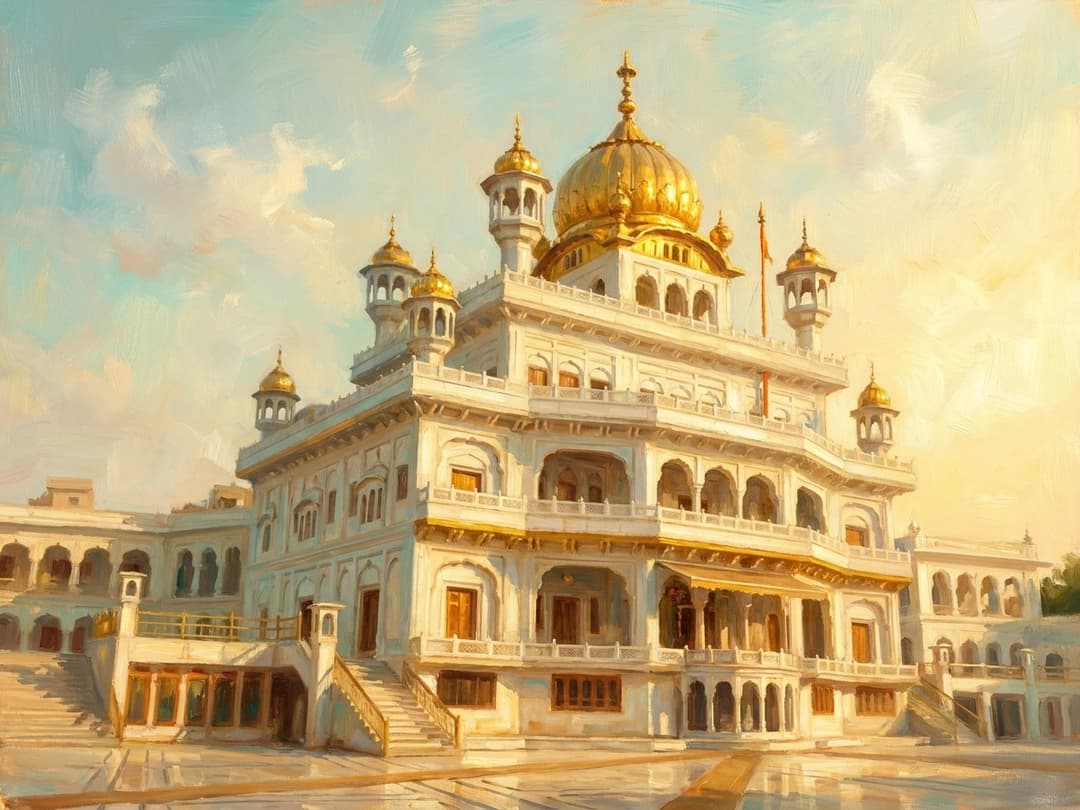
The original structure was rebuilt in the 1950s after being damaged in a 1934 earthquake, mirroring the style of the Golden Temple in Amritsar.
The Gurdwara houses sacred relics of Guru Gobind Singh Ji, including his cradle, weapons, and an old manuscript of the Guru Granth Sahib.
The Gurdwara is renowned for its langar (community kitchen), which serves free meals to thousands of visitors daily, embodying the Sikh principles of equality and service.
Takht Sri Patna Sahib is not only a place of worship but also a center for learning, community service, and promoting Sikh values of equality, compassion, and selfless service.
The construction of a multi-level parking facility is underway to accommodate the increasing number of pilgrims.
Common Questions
What is the significance of Takht Sri Patna Sahib?
Takht Sri Patna Sahib is one of the five Takhts, or seats of authority, in Sikhism and is revered as the birthplace of Guru Gobind Singh Ji, the tenth and last human Guru of Sikhism.
When is the best time to visit Takht Sri Patna Sahib?
The best time to visit is from October to March for pleasant weather. Early morning (4:00 AM – 8:00 AM) or evening (5:00 PM – 8:00 PM) are ideal for peaceful darshan.
What should I wear when visiting Takht Sri Patna Sahib?
Visitors should wear modest attire suitable for a religious site and cover their heads as a sign of respect.
Is Takht Sri Patna Sahib accessible to people with disabilities?
The Gurdwara is mostly accessible and wheelchair friendly, with benches and seating areas available.
How can I get to Takht Sri Patna Sahib from Patna city center?
The Gurdwara is approximately 5 km from Patna city center. Autos, taxis, and cycle rickshaws are readily available.
Related Stories
Explore the rich history, traditions, and people connected to this sacred site.
Featured Stories
The Birth of a Spiritual Leader
December 22, 1666
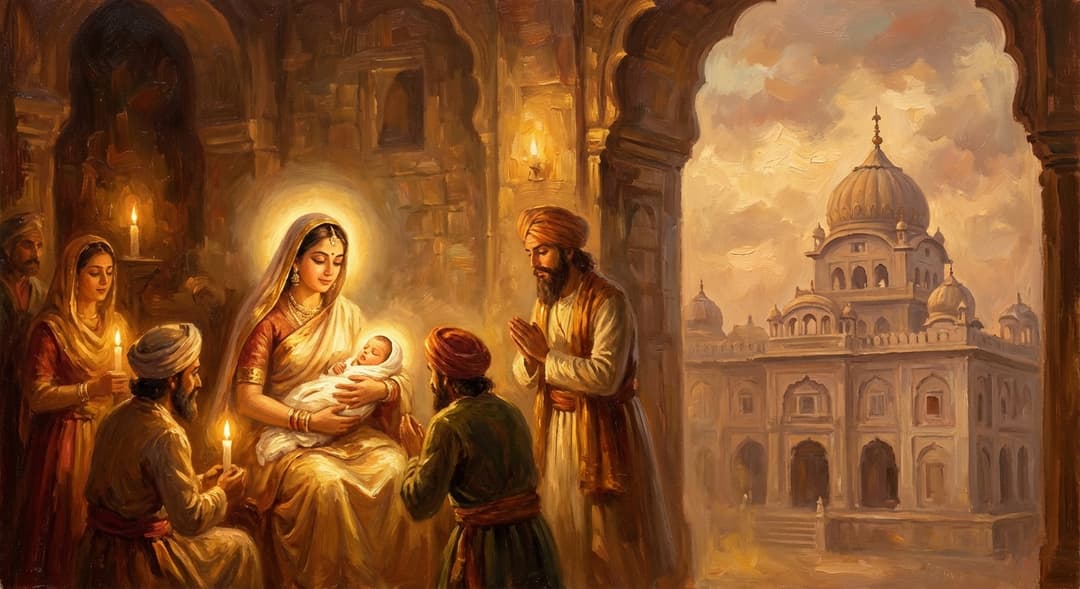
The city of Patna rejoiced on December 22, 1666, as Mata Gujri gave birth to Gobind Rai, who would later become Guru Gobind Singh Ji, the tenth Sikh Guru. His birth marked the continuation of the spiritual lineage of Sikhism. The young Gobind Rai spent his formative years in Patna, imbibing the rich cultural and spiritual heritage of the city. His early life in Patna shaped his character and laid the foundation for his future role as a spiritual leader and warrior.
The birthplace of Guru Gobind Singh Ji is now enshrined as Takht Sri Patna Sahib, a sacred site that attracts pilgrims from all over the world. Devotees come to pay homage to the Guru and seek blessings at the place where he was born. The Gurdwara serves as a reminder of the Guru's life, teachings, and sacrifices, inspiring Sikhs to follow his path of righteousness and devotion.
Source: Historical Gurudwaras
The Legacy of Maharaja Ranjit Singh
18th Century
Maharaja Ranjit Singh, the founder of the Sikh Empire, played a pivotal role in the construction of Takht Sri Patna Sahib. Recognizing the significance of Patna as the birthplace of Guru Gobind Singh Ji, he commissioned the construction of a magnificent Gurdwara to commemorate the Guru's legacy. The construction of the Takht was a testament to Maharaja Ranjit Singh's devotion to Sikhism and his commitment to preserving its heritage.
The Gurdwara was designed to reflect the grandeur and splendor of the Sikh Empire, with intricate architectural details, golden domes, and ornate frescoes. Maharaja Ranjit Singh's vision was to create a sacred space that would inspire generations of Sikhs to come. Today, Takht Sri Patna Sahib stands as a symbol of the Guru's legacy and the enduring spirit of Sikhism.
Source: Bihar Government
Rebuilding After the Earthquake
1948–1957
In 1934, a devastating earthquake struck Bihar, causing significant damage to Takht Sri Patna Sahib. The earthquake threatened to erase the historical and spiritual significance of the Gurdwara. However, the Sikh community rallied together to rebuild the Takht, determined to preserve the legacy of Guru Gobind Singh Ji. The rebuilding effort was a testament to the resilience and unwavering faith of the Sikh community.
The Gurdwara was rebuilt in the 1950s, mirroring the architectural style of the Golden Temple in Amritsar. The rebuilt Takht stands as a symbol of the Sikh community's determination to overcome adversity and preserve its heritage. Today, Takht Sri Patna Sahib continues to inspire and uplift devotees from all over the world.
Source: Temples.org
Timeline
Guru Nanak's Visit
Guru Nanak visited Patliputra (Patna) during his first journey to the east and stayed at Bhagat Jaitamal's House, now called Gurdwara Sri Gau Ghat Sahib.
MilestoneBirth of Guru Gobind Singh
Guru Gobind Singh, the tenth Sikh Guru, was born in Patna. He spent his early years there before moving to Anandpur Sahib.
MilestoneGuru Tegh Bahadur's Visit
Guru Tegh Bahadur, the ninth Sikh Guru, along with his family, reached Patna and stayed at Jaitamal's house, where Guru Nanak had established a center.
MilestoneConstruction Commissioned
The construction of the Takht was commissioned by Maharaja Ranjit Singh to mark the birthplace of Guru Gobind Singh.
MilestoneEarthquake Damage
A severe earthquake caused damage to the Takht.
RenovationRebuilding of the Takht
The building was rebuilt after being damaged in the 1934 earthquake. The current shrine was built in the 1950s.
RenovationMulti-Level Parking Construction
Construction of a multi-level parking facility commenced at Takhat Sri Harimandirji Patna Sahib Gurdwara to accommodate the increasing number of pilgrims.
EventReligious Significance
Takht Sri Patna Sahib holds immense religious significance for Sikhs as the birthplace of Guru Gobind Singh Ji, the tenth and last human Guru. It is one of the five Takhts, or seats of authority, in Sikhism, making it a central pilgrimage site.
The primary purpose of Takht Sri Patna Sahib is to commemorate the birth and early life of Guru Gobind Singh Ji, to preserve and promote his teachings, and to provide a sacred space for Sikhs to connect with their faith and heritage. As a part of the Dharmic traditions, the temple emphasizes the importance of dharma, karma, and reincarnation.
Sacred Ordinances
Prayer (Ardas)
Prayer is an integral part of Sikh worship, and devotees gather at Takht Sri Patna Sahib to offer prayers and seek blessings. The Ardas, a Sikh prayer, is recited daily, expressing gratitude, seeking guidance, and reaffirming faith in the teachings of the Gurus.
Kirtan (Hymn Singing)
Kirtan, or hymn singing, is a devotional practice that involves singing praises of God and the Gurus. At Takht Sri Patna Sahib, Kirtan is performed regularly, creating a spiritual atmosphere and uplifting the hearts of devotees.
Langar (Community Kitchen)
Langar, the community kitchen, is a unique feature of Sikh Gurdwaras, where free meals are served to all visitors, regardless of their background or social status. It embodies the Sikh principles of equality, selfless service, and sharing, fostering a sense of unity and compassion among the community.
The Teachings of Guru Gobind Singh Ji
Guru Gobind Singh Ji's teachings emphasize the importance of courage, sacrifice, and unwavering devotion to God. He instilled in his followers a spirit of fearlessness and a commitment to fighting for justice and righteousness. His teachings continue to inspire Sikhs to live a life of purpose, compassion, and service.
The Significance of the Five Takhts
The five Takhts, including Takht Sri Patna Sahib, are the seats of authority in Sikhism, representing the spiritual, temporal, and intellectual leadership of the Sikh community. These Takhts play a crucial role in preserving and promoting Sikh traditions, resolving disputes, and guiding the community on matters of faith and practice.
Similar Temples
Sources & Research
Every fact on Temples.org is backed by verified Sources & Research. Each piece of information is rated by source tier and confidence level.
View All Sources (11)
| Field | Source | Tier | Retrieved |
|---|---|---|---|
| About & Historical Background | Historical Gurudwaras (opens in a new tab) | A | 2024-01-26 |
| About & Historical Background | Bihar Government (opens in a new tab) | A | 2024-01-26 |
| About & Historical Background | Discover Sikhism (opens in a new tab) | A | 2024-01-26 |
| About & Historical Background | Guru Nanak Society (opens in a new tab) | A | 2024-01-26 |
| About & Historical Background | Puja Path Vedic (opens in a new tab) | B | 2024-01-26 |
| Architectural Description | India Times (opens in a new tab) | C | 2024-01-26 |
| Visitor Information | ChalBanjare (opens in a new tab) | D | 2024-01-26 |
| Interesting Facts | Temples.org (opens in a new tab) | C | 2024-01-26 |
| Historical Timeline | Bihar Government (opens in a new tab) | A | 2024-01-26 |
| Symbolic Elements | TataNeu (opens in a new tab) | D | 2024-01-26 |
| Visitor Information | MakeMyTrip (opens in a new tab) | D | 2024-01-26 |