Visitor Insights
Visiting The Garden Tomb
The Garden Tomb offers a tranquil and reflective experience for visitors seeking a place of spiritual contemplation in Jerusalem. The serene garden setting provides a peaceful atmosphere, inviting visitors to explore the ancient tomb and reflect on its significance. Expect a quiet and reverent environment, with opportunities for guided tours and personal reflection.
Highlights
- Explore the ancient rock-cut tomb
- Wander through the peaceful gardens
- Reflect on the significance of the site
Things to Know
- The site is closed on Sundays
- Advance booking is required for group tours
- Eating, smoking, and mobile phone use are not allowed
Location
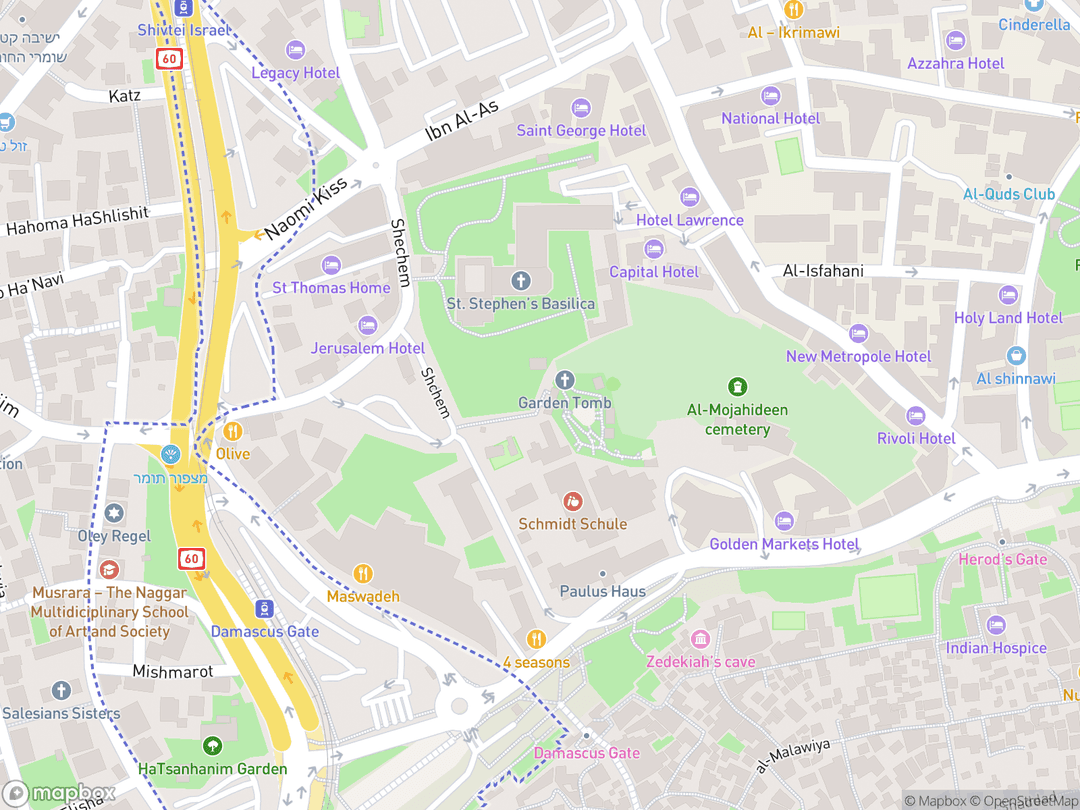
Conrad Schick Street, Jerusalem 91193, Israel
Hours: Monday - Saturday, typically 9:00 am - 5:00 pm, but hours can vary.
Getting There: Located just outside the walls of the Old City, near the Damascus Gate. Accessible by foot or public transportation.
Get DirectionsTips for Your Visit
Book a Tour
Enhance your visit by booking a free guided tour in advance.
Dress Respectfully
Dress modestly as the Garden Tomb is a place of worship.
About
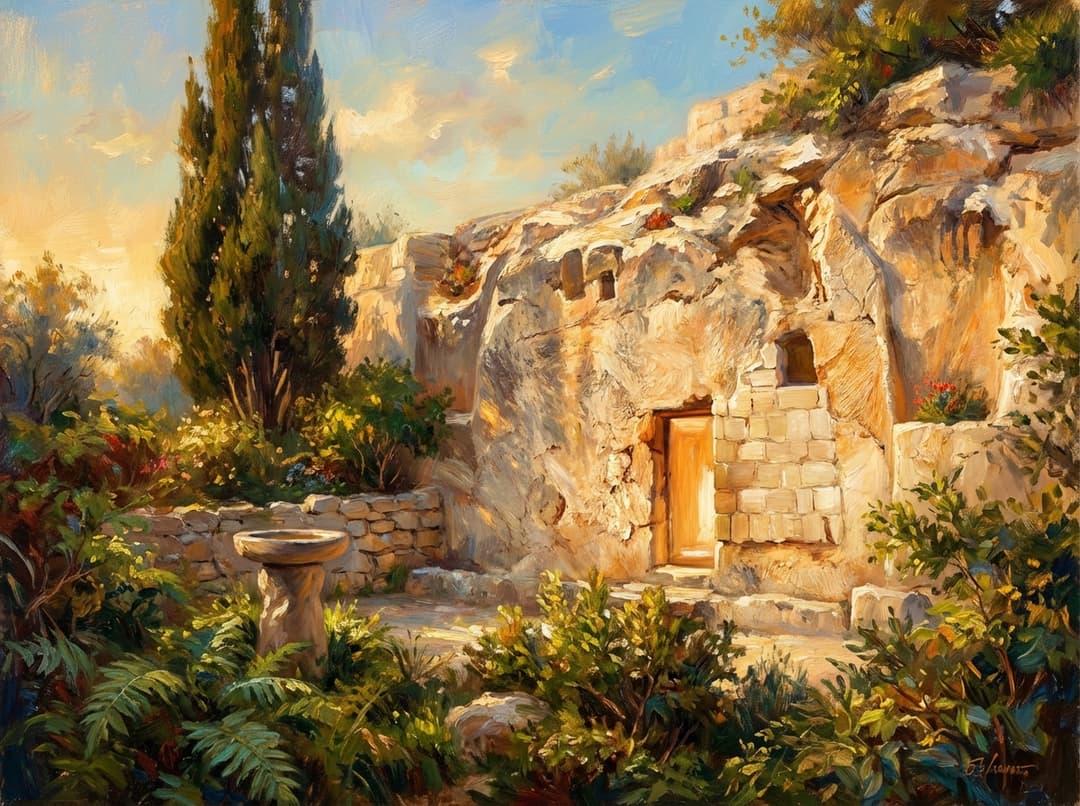
The Garden Tomb is a rock-cut tomb in Jerusalem that is considered by some Christians to be the site of Jesus' burial and resurrection. It is located just outside the walls of the Old City, near the Damascus Gate. The site features a peaceful garden setting, an ancient tomb, and a rocky escarpment known as Skull Hill or Gordon's Golgotha.
The Garden Tomb offers an alternative to the Church of the Holy Sepulchre as the location of Jesus' burial. It was discovered in 1867 and has since become a popular pilgrimage site, particularly among Evangelical and Protestant Christians. The Garden Tomb Association, a non-denominational Christian organization based in the UK, maintains the site.
Visitors to the Garden Tomb can explore the tomb itself, wander through the tranquil gardens, and reflect on the significance of the site. Free guided tours are available, providing historical and religious context. The Garden Tomb is a place of worship and reflection, offering a serene atmosphere for spiritual contemplation.
Gallery
Symbolic Elements
The temple's exterior features intricate carvings, each rich with spiritual meaning:

The Garden
In the Gospels, Jesus' tomb was located in a garden (John 19:41). The presence of a wine press and cistern supports the idea that the area was once a garden, a place of life and growth, contrasting with death.

The Tomb
The tomb represents the burial place of Jesus and, for some Christians, the site of his resurrection. It symbolizes the transition from death to life, and the hope of eternal life through Jesus Christ. The simplicity of the tomb invites reflection on the sacrifice made.

Skull Hill (Golgotha)
The adjacent rocky outcrop is believed by some to be the site of Jesus' crucifixion. The Bible tells us that Christ suffered outside the city gate at 'the place of the skull' (Golgotha in Aramaic and Calvary in Latin), a place of suffering and sacrifice.

The Wine Press
The ancient wine press suggests that the area was once a working garden, producing wine. In Christian symbolism, wine often represents the blood of Christ, shed for the remission of sins, connecting the garden to the sacrifice of Jesus.

The Cistern
The large water cistern, capable of holding 250,000 gallons of rainwater, represents the provision of life-giving water. In Christian symbolism, water often represents spiritual cleansing and renewal, symbolizing baptism and the Holy Spirit.

Rolling Stone Groove
A stone groove runs along the ground outside the tomb, which some believe was a slot for a rolling stone to close the tomb entrance. This groove symbolizes the effort to seal the tomb, and the miraculous removal of the stone at the resurrection.

The Empty Tomb
The empty tomb is the central symbol of the Garden Tomb, representing the resurrection of Jesus Christ. It signifies victory over death and the promise of eternal life for believers. The absence of the body is a powerful testament to the resurrection.

The Garden's Peace
The overall sense of peace and tranquility within the garden provides a space for contemplation and reflection. This atmosphere encourages visitors to connect with the spiritual significance of the site and find solace in the message of hope and resurrection.
Interesting Facts
The Garden Tomb is an alternative to the Church of the Holy Sepulchre as the actual site of Jesus' burial.
The Garden Tomb Association, which maintains the site, is a non-denominational Christian organization based in the UK.
Volunteers from around the world help care for the garden and tomb.
The Garden Tomb is particularly popular among Evangelical and Protestant Christians.
Archaeological evidence, including an ancient winepress and cistern, suggests that the area was once a working garden.
The Garden Tomb Association refrains from claiming that the Garden Tomb is the authentic tomb of Jesus.
The organization emphasizes the site's utility as a visual aid for the gospel accounts and its function as a place of Christian worship.
The Garden Tomb is a member of the Evangelical Alliance of Israel.
The site attracts hundreds of thousands of visitors annually.
Some scholars believe that the rocky escarpment near the Garden Tomb resembles a skull, thus identifying it as Golgotha.
Common Questions
What is the Garden Tomb?
The Garden Tomb is a rock-cut tomb in Jerusalem that is considered by some Christians to be the site of Jesus' burial and resurrection. It offers an alternative to the Church of the Holy Sepulchre.
Who owns the Garden Tomb?
The Garden Tomb is owned and maintained by The Garden Tomb (Jerusalem) Association, a non-denominational charitable trust based in the United Kingdom. The association comprises people from many different denominations and national backgrounds.
Is there an admission fee to visit the Garden Tomb?
No, admission to the Garden Tomb is free. However, donations are welcome to support the maintenance and preservation of the site.
Are guided tours available at the Garden Tomb?
Yes, free guided tours are available in English, but advance booking is required for groups. These tours provide historical and religious context to the site.
What are the opening hours of the Garden Tomb?
The Garden Tomb is typically open Monday through Saturday from 9:00 am to 5:00 pm, but hours can vary. It is closed on Sundays. It's always best to check the official website for the most up-to-date information.
Featured Stories
The Discovery of the Garden Tomb
1867
In 1867, a rock-hewn tomb was discovered near Jerusalem, sparking interest as a potential site of Jesus' burial. Doubts had arisen regarding the traditional location at the Church of the Holy Sepulchre, leading to a search for an alternative. This discovery ignited a wave of excitement among those seeking a more serene and garden-like setting, aligning with the Gospel accounts.
The tomb's location outside the city walls, coupled with the presence of a nearby rocky escarpment resembling a skull, further fueled speculation. The identification of this site as Golgotha, the place of crucifixion, added to the significance of the discovery. This moment marked the beginning of the Garden Tomb's journey as a revered pilgrimage destination.
News of the discovery quickly spread, attracting visitors and sparking debate about its authenticity. Despite differing opinions, the Garden Tomb began to offer a compelling alternative narrative, drawing Christians seeking a more personal and reflective experience. The discovery itself became a pivotal moment in the site's history, shaping its identity and purpose.
Source: The Garden Tomb Association
The Garden Tomb Association's Mission
1894
In 1894, The Garden Tomb Association, a non-denominational Christian organization based in the UK, purchased the land surrounding the tomb. This act demonstrated a commitment to preserving the site and ensuring its accessibility for future generations. The association's mission extended beyond mere preservation, encompassing the creation of a space for worship, reflection, and spiritual connection.
The association's diverse membership, drawn from various denominations and national backgrounds, reflected a spirit of unity and shared purpose. Volunteers from around the world contributed their time and talents, helping to maintain the garden and welcome visitors. This collaborative effort underscored the global significance of the Garden Tomb as a place of Christian heritage.
The Garden Tomb Association has consistently emphasized the site's role as a visual aid for understanding the Gospel accounts, rather than definitively claiming it as the authentic tomb of Jesus. This approach has allowed the site to serve as a catalyst for faith and reflection, inviting visitors to engage with the story of Jesus in a meaningful way. The association's mission continues to guide the Garden Tomb's development as a place of peace and inspiration.
Source: The Garden Tomb Association
The Garden Tomb Today
Present Day
Today, the Garden Tomb stands as a testament to the enduring power of faith and the human desire for connection with the divine. Hundreds of thousands of visitors from around the world journey to this peaceful site each year, seeking solace, inspiration, and a deeper understanding of the Christian story. The garden setting provides a sanctuary from the bustling city, inviting contemplation and reflection.
The free guided tours offered at the Garden Tomb provide valuable historical and religious context, enriching the visitor experience. The site's accessibility and welcoming atmosphere make it a popular destination for individuals, families, and church groups. The Garden Tomb has become a symbol of hope and resurrection, offering a tangible connection to the events of the past.
The Garden Tomb's continued popularity reflects its unique ability to resonate with people from diverse backgrounds and beliefs. As a place of worship, reflection, and historical significance, the Garden Tomb remains a vital part of Jerusalem's spiritual landscape. Its legacy as a place of peace and inspiration is set to endure for generations to come.
Source: The Garden Tomb Association
Timeline
Tomb Origin
The rock-cut tomb is believed to have originated during the Iron Age II period.
MilestoneJesus' Burial
The Gospels describe Jesus' burial in a new tomb in a garden.
EventDoubts Arise
Doubts arose about the traditional site of Jesus' burial at the Church of the Holy Sepulchre.
EventGarden Tomb Proposed
German scholar Otto Thenius proposed the Garden Tomb as the burial site of Christ.
MilestoneTomb Discovered
The rock-hewn tomb was discovered.
MilestonePromotion Begins
A group in England began to assemble to promote the Garden Tomb as the true Holy Sepulchre.
EventLand Purchased
The Garden Tomb Association purchased the land to preserve it as a pilgrimage site.
MilestoneWinepress Excavated
An ancient winepress was excavated, suggesting the area was once a garden.
MilestonePilgrimage Site
The Garden Tomb is a popular pilgrimage site, especially among Evangelical and Protestant Christians.
EventHellenistic Era Dating
Italian archaeologist Riccardo Lufrani suggests the tomb dates to the Hellenistic era.
MilestoneSkull-Faced Cliff Identified
Otto Thenius identified the skull-faced cliff overlooking the garden as Golgotha.
MilestoneAssociation Founded
The Garden Tomb Association was founded to maintain the site.
MilestoneContinued Pilgrimage
The Garden Tomb continues to be a significant site for Christian pilgrims.
EventVolunteer Efforts
Volunteers from around the world help care for the garden and tomb.
EventHundreds of Thousands Visit
The site attracts hundreds of thousands of visitors annually.
EventHistory by Decade
8th-7th Century BC
The earliest archaeological evidence suggests that the rock-cut tomb originated during the Iron Age II period. This dating places the tomb's construction centuries before the time of Jesus, raising questions about its potential connection to the events described in the Gospels. Nevertheless, the tomb's ancient origins contribute to its historical significance and intrigue.
1st Century AD
The Gospels describe Jesus' burial in a new tomb located in a garden near the site of his crucifixion. While the Garden Tomb's origins predate this period, its location and physical characteristics align with the biblical accounts. The presence of a garden setting and a rock-cut tomb contribute to the site's appeal as a potential location of Jesus' burial.
Mid-19th Century
Doubts began to surface regarding the authenticity of the traditional site of Jesus' burial at the Church of the Holy Sepulchre. This prompted a search for alternative locations that better matched the Gospel descriptions. The discovery of the Garden Tomb in 1867 provided a compelling alternative, sparking debate and attracting interest from Christians seeking a more serene and garden-like setting.
Late 19th Century
The Garden Tomb gained increasing recognition as a potential site of Jesus' burial, particularly among Evangelical and Protestant Christians. The establishment of The Garden Tomb Association in 1894 marked a significant step in preserving the site and promoting its significance. The association's efforts helped to transform the Garden Tomb into a popular pilgrimage destination.
20th Century
The Garden Tomb continued to attract visitors and scholars throughout the 20th century. Archaeological excavations and research provided further insights into the site's history and characteristics. The Garden Tomb Association played a crucial role in maintaining the site and providing information to visitors.
21st Century
The Garden Tomb remains a popular pilgrimage site in the 21st century, attracting hundreds of thousands of visitors each year. The site's peaceful atmosphere and historical significance continue to resonate with people from diverse backgrounds and beliefs. The Garden Tomb Association continues to preserve and promote the site, ensuring its accessibility for future generations.
Architecture & Facilities
Ancient Rock-Cut Tomb set within a tranquil garden landscape, featuring a first-century Jewish burial chamber carved directly into the limestone cliff face, with a rolling-stone groove and a simple weeping chamber reflective of biblical-era funerary traditions.
Building Materials
Limestone Rock
The tomb is hewn from the native limestone rock of the Jerusalem area, a common building material in ancient times. The rock's durability has allowed the tomb to survive for centuries, bearing witness to the events of the past.
Garden Vegetation
The surrounding garden features a variety of plants and trees, creating a peaceful and contemplative atmosphere. The vegetation provides a contrast to the starkness of the rock-cut tomb, symbolizing life and renewal.
Interior Features
Tomb Chambers
The tomb consists of two chambers with stone benches along the sides of each wall. These chambers would have served as burial places for the deceased, providing a final resting place within the rock-cut structure.
Temple Grounds
The Garden Tomb is set within a tranquil garden, featuring pathways, trees, and flowers. The garden provides a serene setting for reflection and contemplation, enhancing the visitor experience.
Religious Significance
The Garden Tomb holds significant religious meaning for many Christians, who believe it may be the site of Jesus' burial and resurrection. While the Church of the Holy Sepulchre is the traditional site, the Garden Tomb offers an alternative perspective, emphasizing the garden setting described in the Gospels.
The Garden Tomb serves as a place of remembrance, reflection, and worship for Christians. It provides a tangible connection to the events of Jesus' death and resurrection, inviting visitors to contemplate the significance of these events for their faith.
Sacred Ordinances
Prayer and Reflection
Visitors often engage in prayer and reflection at the Garden Tomb, seeking to connect with the spiritual significance of the site. The peaceful atmosphere encourages contemplation and personal connection with God.
The Resurrection
The empty tomb is the central symbol of the Garden Tomb, representing the resurrection of Jesus Christ. This event is considered the cornerstone of Christian faith, signifying victory over death and the promise of eternal life.
Similar Temples
Sources & Research
Every fact on Temples.org is backed by verified Sources & Research. Each piece of information is rated by source tier and confidence level.
View All Sources (7)
| Field | Source | Tier | Retrieved |
|---|---|---|---|
| About & Historical Background | The Garden Tomb (opens in a new tab) | A | 2024-02-29 |
| Historical Timeline | Biblical Archaeology Society (opens in a new tab) | B | 2024-02-29 |
| Architectural Description | Israel Tourism Consultants (opens in a new tab) | D | 2024-02-29 |
| Interesting Facts | CBN (opens in a new tab) | C | 2024-02-29 |
| Ownership | Charity Commission for England and Wales (opens in a new tab) | A | 2024-02-29 |
| Visitor Information | The Garden Tomb (opens in a new tab) | D | 2024-02-29 |
| Interesting Facts | Holy Land Tours Travel (opens in a new tab) | D | 2024-02-29 |