Visitor Insights
Visiting Fukuoka Japan Temple
The Fukuoka Japan Temple is a sacred space reserved for members of The Church of Jesus Christ of Latter-day Saints who hold a current temple recommend. While the interior is not open for public tours after dedication, the temple grounds offer a peaceful environment for quiet contemplation.
Highlights
- Experience the serene temple grounds, open to the public for quiet reflection.
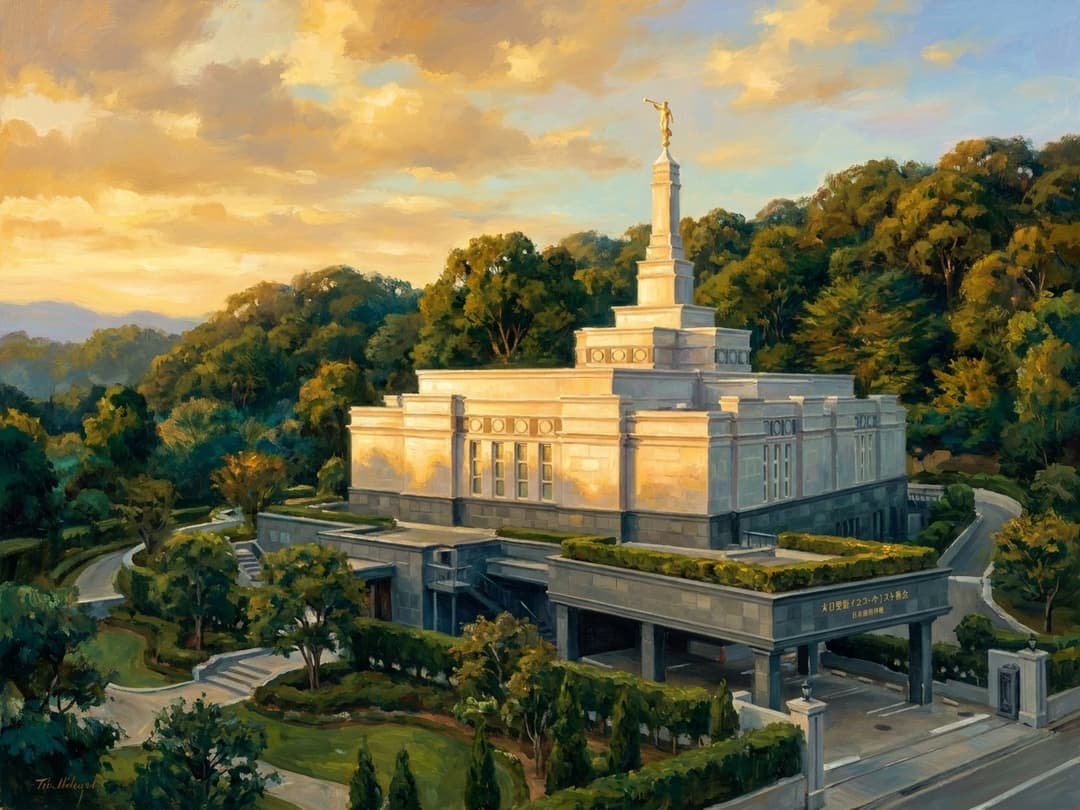
- Appreciate the temple's beautiful architecture and its integration with the natural hillside.
Things to Know
- Interior access is restricted to temple-recommend holders.
- No public visitors' center is available at this location.
Location
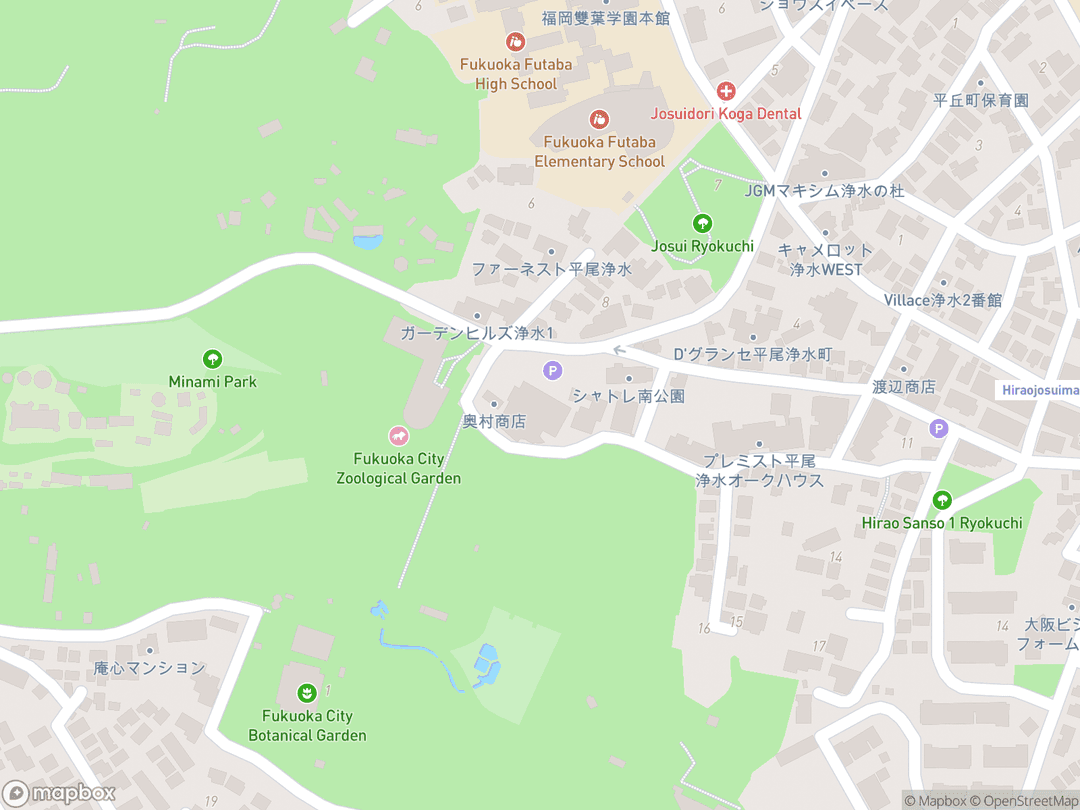
9-15 Hirao Johsui Machi Chuo-ku, Fukuoka-shi, Fukuoka 810-0029, Japan
Hours: Temple operating hours vary; check the official Church website for current schedules.
Getting There: The temple is located near the Fukuoka City Botanical Garden and Zoo, accessible by local transportation.
Get DirectionsTips for Your Visit
Visit the Grounds
Enjoy the peaceful atmosphere and beautiful landscaping of the temple grounds, which are open to the public.
Plan Ahead for Ordinances
Members wishing to participate in ordinances should check the temple's schedule and make appointments in advance.
About
The Fukuoka Japan Temple is a revered house of worship for The Church of Jesus Christ of Latter-day Saints, a Christian faith rooted in Abrahamic traditions. Dedicated in 2000, it stands as a spiritual anchor for Latter-day Saints across southern Japan, providing a place for sacred ordinances and covenants.
Nestled on a verdant hillside, the temple's serene setting offers a tranquil escape for members seeking to draw closer to God. Its construction marked a significant milestone, making temple blessings more accessible to a growing congregation in the region. The temple symbolizes the Church's global reach and its commitment to providing sacred spaces for its members worldwide.
Gallery
Symbolic Elements
The temple's exterior features intricate carvings, each rich with spiritual meaning:

Angel Moroni Statue
This gold-leafed figure atop the spire symbolizes the restoration of the gospel of Jesus Christ to the earth.

Baptistry
Housing a baptismal font on twelve oxen, it symbolizes the twelve tribes of Israel and baptism for the dead.

Instruction Rooms
These rooms are where members learn about God's plan of salvation and make sacred covenants.

Sealing Rooms
Dedicated to eternal marriages and family units, these rooms reflect the belief in everlasting family relationships.

Celestial Room
Designed to evoke peace and divine glory, this room symbolizes a return to God's presence and eternal life.

Empress White and Majestic Grey Granite
The exterior cladding from China gives the edifice a light, dignified, and enduring appearance.

Hillside Location
Nestled along a verdant hillside, the temple provides a serene and spiritually uplifting backdrop.

Single Spire
The prominent single spire directs attention heavenward, symbolizing aspiration and connection to the divine.
Interesting Facts
The Fukuoka Japan Temple is the 88th operating temple of The Church of Jesus Christ of Latter-day Saints worldwide (Tier A).
It was the second temple built in Japan and the first Latter-day Saint temple constructed in southern Japan (Tier C).
The temple stands on a site with historical significance, previously home to an early Church building on Kyushu island (Tier C).
Its groundbreaking on March 20, 1999, occurred on the same day as groundbreakings for three other temples globally (Tier C).
Over 4,800 visitors toured the temple during its three-day public open house before dedication (Tier A).
President Gordon B. Hinckley, who dedicated the temple, expressed deep emotion, having overseen Church affairs in Fukuoka since the 1960s (Tier A).
The Fukuoka Japan Temple was the initial dedication in a series of four temples dedicated by President Hinckley during an extensive Asia-Pacific tour in 2000 (Tier A).
In 2018, the temple's exterior lighting was renovated with energy-efficient LED floodlights, creating a 'solemn and beautiful presence' (Tier A).
With 10,700 square feet, its design aligns with the 'mini temple' style, making temples more accessible globally (Tier B).
Common Questions
Can non-members enter the Fukuoka Japan Temple?
No, after its dedication, only members of The Church of Jesus Christ of Latter-day Saints with a current temple recommend may enter.
Are the temple grounds open to the public?
Yes, the temple grounds are generally open to the public for quiet contemplation and enjoyment.
When was the Fukuoka Japan Temple dedicated?
The temple was dedicated on June 11, 2000, by President Gordon B. Hinckley.
What is the significance of the Angel Moroni statue?
The Angel Moroni statue symbolizes the restoration of the gospel of Jesus Christ to the earth.
Is there a visitors' center at the temple?
There is no public visitors' center at the temple, but patron housing is available for traveling members.
Featured Stories
A Historic Dedication by President Hinckley
June 11, 2000
President Gordon B. Hinckley dedicated the Fukuoka Japan Temple as part of a historic Asia-Pacific tour, marking the 88th operating temple worldwide. He expressed deep emotion during the services, reflecting on his long association with Church affairs in Fukuoka since the 1960s, making the dedication a poignant personal milestone.
Joyful Groundbreaking Ceremony
March 20, 1999
The groundbreaking ceremony for the Fukuoka Japan Temple brought immense joy to local Church members, signifying the beginning of a long-awaited sacred edifice. Elder L. Lionel Kendrick presided over the event, attended by over 500 people, marking a significant step towards making temple blessings more accessible in southern Japan.
Community Welcomed at Open House
June 1-3, 2000
Before its dedication, the Fukuoka Japan Temple opened its doors to the public for a three-day open house, welcoming over 4,800 visitors, including government dignitaries. This rare opportunity allowed the community to tour the sacred interior, fostering understanding and goodwill before the temple became exclusively dedicated for worship.
Timeline
Japan Dedicated for Missionary Work
Heber J. Grant dedicated Japan for missionary work, though efforts were later suspended and resumed after World War II.
EventTokyo Japan Temple Dedicated
The Tokyo Japan Temple became the first Latter-day Saint temple in Japan, providing sacred ordinances closer to home.
MilestoneFukuoka Temple Announced
The First Presidency announced plans for a temple in Fukuoka, bringing joy to local Church members.
component.timeline.announcementGroundbreaking Ceremony Held
Elder L. Lionel Kendrick presided over the groundbreaking and site dedication, attended by over 500 people.
component.timeline.groundbreakingAngel Moroni Statue Placed
The gold-leafed Angel Moroni statue was placed atop the temple's single spire, a significant construction milestone.
MilestonePublic Open House Begins
A three-day public open house commenced, allowing over 4,800 visitors to tour the temple's interior.
EventTemple Dedicated by President Hinckley
President Gordon B. Hinckley dedicated the Fukuoka Japan Temple in four sessions, marking the 88th operating temple globally.
DedicationExterior Lighting System Renovated
Older mercury lamps were replaced with energy-efficient LED floodlights, enhancing the temple's nighttime appearance.
RenovationTemporary Closure Due to Pandemic
The temple temporarily closed in response to the global COVID-19 pandemic, like all other temples worldwide.
EventHistory by Decade
Early 20th Century — Missionary Beginnings
In 1901, Heber J. Grant dedicated Japan for missionary work, laying the foundation for the Church's presence in the nation. Missionary efforts faced periods of suspension but were eventually re-established after World War II, demonstrating the enduring commitment to sharing the gospel in Japan.
1980s — First Temple in Japan
The 1980s marked a significant milestone with the dedication of the Tokyo Japan Temple, the first Latter-day Saint temple in the country. Prior to its completion, members in Japan often undertook arduous journeys to Hawaii to participate in sacred temple ordinances, highlighting the need for more accessible temples.
1990s — Fukuoka Temple Announced and Begun
On May 7, 1998, the First Presidency announced plans for the Fukuoka Japan Temple, a decision that brought great anticipation to local members. The groundbreaking ceremony followed on March 20, 1999, presided over by Elder L. Lionel Kendrick, with the Angel Moroni statue placed atop the spire later that year.
2000s — Dedication and Global Impact
The Fukuoka Japan Temple was dedicated on June 11, 2000, by President Gordon B. Hinckley, becoming the 88th operating temple worldwide and the first in southern Japan. This dedication was part of a historic Asia-Pacific tour, underscoring the Church's rapid global expansion and commitment to its members.
2010s — Enhancements and Modernization
In 2018, the temple's exterior lighting system underwent a significant renovation, replacing older mercury lamps with energy-efficient LED floodlights. This upgrade not only improved visibility but also enhanced the temple's nighttime appearance, creating a "solemn and beautiful presence" on the hillside.
2020s — Global Challenges and Continued Service
Like all other temples globally, the Fukuoka Japan Temple temporarily closed in 2020 in response to the COVID-19 pandemic. Despite these challenges, the temple has since resumed operations, continuing its sacred mission to provide essential ordinances and a spiritual refuge for Latter-day Saints in the region.
Architecture & Facilities
The Fukuoka Japan Temple features a classic modern, single-spire design, characteristic of many Latter-day Saint temples constructed in the late 1990s and early 2000s, often referred to as a "mini temple" style. Its architecture is thoughtfully integrated into a verdant hillside, blending contemporary lines with a serene natural environment.
Building Materials
Exterior
The temple is clad in Empress White and Majestic Grey granite, sourced from China, providing a light and dignified appearance.
Lower Level
A darker grey granite is used for the lower level, which houses mission offices and residences, distinguishing it from the temple proper.
Interior Features
Baptistry
This room contains a baptismal font resting on the backs of twelve oxen, symbolizing the twelve tribes of Israel.
Instruction Rooms
These spaces are designed for members to receive instruction on God's plan of salvation and make sacred covenants.
Sealing Rooms
Dedicated to eternal marriages and family units, these rooms facilitate ordinances that bind families beyond mortal life.
Celestial Room
Representing a return to God's presence, this room is designed to evoke peace, light, and divine glory.
Temple Grounds
The temple is nestled along a verdant hillside, adjacent to the Fukuoka City Botanical Garden and Zoo, offering a serene and contemplative landscape with carefully maintained gardens and pathways.
Additional Facilities
The lower level of the temple structure accommodates mission offices, a mission home, and the temple president's apartment, with patron housing also available nearby for members traveling from a distance.
Religious Significance
As a sacred edifice of The Church of Jesus Christ of Latter-day Saints, the Fukuoka Japan Temple holds profound religious significance within the Christian theological grouping and Abrahamic traditions. It serves as a dedicated house of the Lord, distinct from regular chapels, where members engage in higher spiritual worship and make eternal covenants.
The core spiritual purpose of the temple is to provide a sacred space for Latter-day Saints to participate in saving ordinances and make solemn covenants with God, enabling them to draw closer to Him and prepare for eternal life with their families.
Sacred Ordinances
Baptism for the Dead
Members perform proxy baptisms on behalf of deceased ancestors, offering them the opportunity to accept the gospel.
Endowment
Participants receive sacred instruction, make covenants, and are endowed with power from on high to live a Christ-like life.
Sealing
Families are sealed together for time and all eternity, signifying that family relationships can continue beyond mortal life.
Plan of Salvation
The temple teaches and reinforces the eternal plan of salvation, emphasizing humanity's divine origin, purpose in life, and eternal destiny through Jesus Christ.
Eternal Progression
Through temple worship, members gain a deeper understanding of eternal progression and their potential to become more like God, striving for exaltation.
Similar Temples
Sources & Research
Every fact on Temples.org is backed by verified Sources & Research. Each piece of information is rated by source tier and confidence level.
View All Sources (5)
| Field | Source | Tier | Retrieved |
|---|---|---|---|
| About & Historical Background | The Church of Jesus Christ of Latter-day Saints (opens in a new tab) | A | 2024-07-30 |
| Architectural Description & Facts | ChurchofJesusChristTemples.org (opens in a new tab) | C | 2024-07-30 |
| Symbolic Elements & Religious Significance | PhotoGent (opens in a new tab) | C | 2024-07-30 |
| Temple Announcement | The Church of Jesus Christ of Latter-day Saints (opens in a new tab) | A | 2024-07-30 |
| Architectural Style & Materials | BYU ScholarsArchive (opens in a new tab) | B | 2024-07-30 |