Visitor Insights
Visiting Ginkaku-ji
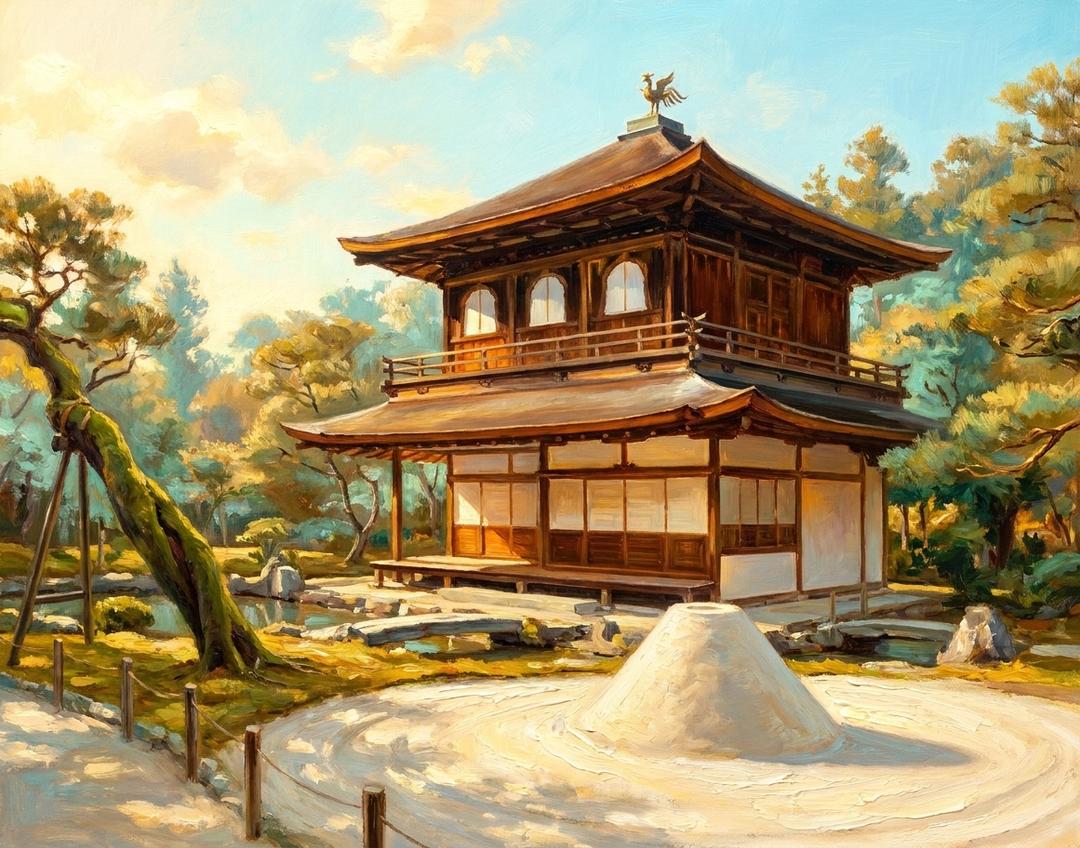
Ginkaku-ji offers a serene walking journey through Muromachi Zen landscape design and historic architecture. The circular trail leads past dry sand arrangements, mirror ponds, and a hillside forest overlooking Kyoto. Visiting during morning opening hours provides the most peaceful contemplative experience.
Highlights
- Admire the authentic 15th-century Kannon-den reflected in Kinkyo-chi pond.
- Observe the precise geometric forms of the Ginshadan and Kogetsudai sand sculptures.
- Climb the terraced moss garden path for panoramic vistas across Kyoto.
- View the exterior of the historic Togudo, the architectural ancestor of the Japanese tea room.
Things to Know
- Interior access to the Togudo requires special advance seasonal reservations.
- Narrow stone pathways and stairs on the hillside route are not wheelchair accessible.
- Tripods, drones, and large baggage are strictly prohibited within the grounds.
Location
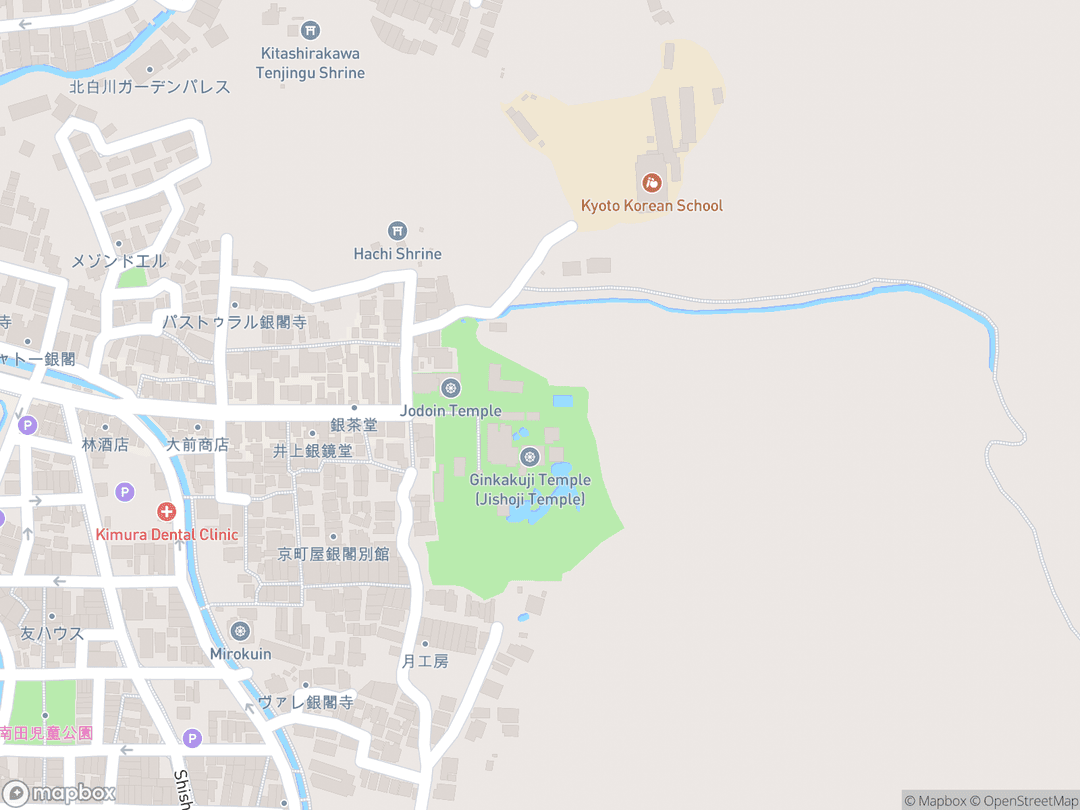
2 Ginkakuji-cho, Sakyo-ku, Kyoto, Kyoto Prefecture 606-8402, Japan
Hours: Summer: 8:30 AM – 5:00 PM; Winter: 9:00 AM – 4:30 PM
Getting There: Take Kyoto City Bus 5, 17, or 100 from Kyoto Station to the Ginkakuji-michi stop, followed by a ten-minute walk east.
Get DirectionsTips for Your Visit
Arrive at Opening Gate
Enter at 8:30 AM to experience the serene raked sands before midday tour crowds arrive.
Walk the Philosopher's Path
Combine your temple visit with a tranquil stroll down the canal path stretching southward to Nanzen-ji.
Autumn Foliage Timing
Visit in late November when fiery Japanese maples frame the dark cypress bark eaves.
About
Ginkaku-ji, officially known as Higashiyama Jisho-ji, stands as a foundational monument of Rinzai Zen Buddhism and medieval Japanese aesthetics. Constructed initially in 1482 by Ashikaga Yoshimasa as his retirement villa, the complex was consecrated as a Zen temple upon his death in 1490. It belongs to the Shokoku-ji school of Rinzai Zen.
Rooted in the Dharmic quest to transcend cyclic existence (samsara), the temple reflects the core Buddhist insights of impermanence (anicca) and ultimate emptiness (sunyata). Rather than relying on gilded grandeur, the complex pioneered the aesthetic philosophy of wabi-sabi, finding the sacred within weathered timber, unadorned surfaces, and natural harmony.
The temple compound contains two original surviving structures from the Muromachi period: the two-story Kannon-den and the Togudo. Surrounding these halls is a masterpiece stroll garden featuring pristine white granitic sand sculptures designed to capture and amplify the evening moonlight.
Gallery
Symbolic Elements
The temple's exterior features intricate carvings, each rich with spiritual meaning:

Bronze Phoenix (Ho-o)
Perched atop the pavilion roof facing east, this mythical bird symbolizes enlightened governance and spiritual harmony.

Kogetsudai Sand Cone
This geometric cone evokes Mount Meru and functions as a spiritual platform to welcome the rising moon.

Ginshadan Raked Sand
The raked quartz waves represent the ocean of consciousness, reflecting cosmic moonlight into the temple hall.

Katomado Cusped Windows
The bell-shaped Zen window openings symbolize clear portals through which to observe reality without mental attachment.

Kannon Bodhisattva
Housed on the upper floor, Avalokiteśvara embodies boundless compassion responding to the cries of the world.

Dojinsai 4.5-Mat Layout
Based on the Vimalakirti Sutra, this compact room structure signifies that small spaces contain universal spiritual truth.

Hiwada-buki Cypress Bark Roof
Layered natural cypress bark shingles embody the Buddhist doctrine of impermanence by returning gracefully to the soil.

Kinkyo-chi Mirror Pond
The reflecting water surface serves as a visual metaphor for the tranquil mind reflecting reality without distortion.
Interesting Facts
Comprehensive microscopic analysis during the 2010 restoration confirmed that no silver was ever applied to the wooden facade. (Tier A)
The temple was never named Ginkaku-ji in Yoshimasa's era, only earning the title during the Edo period. (Tier B)
The four-and-a-half tatami mat Dojinsai room established the standard blueprint for Japanese tea rooms and domestic interiors. (Tier B)
The Ginshadan sand terrace is built using mineral-rich quartz gravel specially formulated to reflect night moonlight. (Tier B)
Unlike the reconstructed Golden Pavilion, Ginkaku-ji's main halls are authentic 15th-century wooden survivors. (Tier A)
Ashikaga Yoshimasa abandoned active political military governance to establish the enduring aesthetic principles of tea and flower arrangement. (Tier B)
The conical sand sculpture called Kogetsudai was geometrically engineered to align sightlines with the moon rising over Mount Tsukivake. (Tier B)
The outer bamboo enclosure wall deliberately isolates incoming pilgrims from the noise of the modern city before entry. (Tier B)
Common Questions
Was Ginkaku-ji ever covered in real silver leaf?
No, rigorous scientific testing during the 2010 restoration proved that silver foil was never applied to the exterior.
What is the primary spiritual tradition practiced at Ginkaku-ji?
The temple is an active monastic site belonging to the Rinzai Zen tradition of Japanese Buddhism.
Can visitors enter the interior of the Silver Pavilion?
The interior of the Kannon-den is closed to the public to ensure the long-term conservation of its historic woodwork.
What do the large sand mounds represent?
The conical Kogetsudai represents sacred peaks, while the Ginshadan represents ocean waves reflecting the moon.
Featured Stories
The Shogun's Solitude and Higashiyama Culture
1482
Exhausted by the brutal devastation of the Onin War, Ashikaga Yoshimasa abandoned military governance to cultivate a sanctuary of quiet beauty in Kyoto's eastern hills. Working alongside Zen monks and landscape artists, he spent his remaining years transforming everyday domestic architecture into an instrument for meditative reflection. His retreat catalyzed Higashiyama Culture, cementing the spiritual values of simplicity and contemplation that still define traditional Japanese arts.
Source: Shokoku-ji Religious Foundation
The Definitive Debunking of the Silver Foil Myth
2010
For centuries, folklore claimed that Yoshimasa ran out of funds before he could cover his pavilion in radiant silver leaf to rival the Golden Pavilion. During the comprehensive conservation project from 2007 to 2010, scientific researchers conducted chemical and microscopic examinations of the original wooden timbers. Their findings proved that no silver leaf or binding primers were ever applied, demonstrating that the austere black lacquer was always the intended aesthetic.
Source: Japanese Agency for Cultural Affairs
The Birthplace of the Japanese Tea Ceremony
1486
Within the quiet walls of the Togudo hall, Yoshimasa and tea master Murata Juko gathered in an intimate room measuring just four-and-a-half tatami mats known as the Dojinsai. Here, the ritual consumption of matcha was stripped of aristocratic ostentation and reimagined as a disciplined Zen art centered on equality, reverence, and presence. This small sanctuary became the structural and philosophical ancestor of all future Japanese tea houses.
Source: Kyoto Heritage Preservation Committee
Timeline
Construction Commences
Ashikaga Yoshimasa begins building his Higashiyama-dono mountain retirement retreat.
MilestoneShogunal Residence
Yoshimasa moves into the residential quarter of the mountain estate.
EventTogudo Completed
Artisans complete the Togudo private chapel housing the Dojinsai study and tea room.
MilestoneKannon-den Framing
Framing begins on the two-story pavilion intended for meditation and moon viewing.
MilestonePassing of Yoshimasa
Shogun Ashikaga Yoshimasa dies before the interior embellishments are finalized.
EventConsecration as Jisho-ji
The villa is formally converted into a Rinzai Zen monastery under the authority of Shokoku-ji.
DedicationSengoku Era Fires
Civil warfare destroys peripheral residential halls while sparing the Kannon-den and Togudo.
EventEdo Period Landscaping
The monastery grounds and sand sculptures undergo major reconstruction under Tokugawa patronage.
RenovationPopular Ginkaku Moniker
Guidebooks popularize the name Ginkaku-ji to contrast with the Golden Pavilion.
EventNational Treasure Status
The Kannon-den and Togudo are formally designated National Treasures of Japan.
MilestoneUNESCO World Heritage Inscription
Ginkaku-ji is inscribed as an essential component of the Historic Monuments of Ancient Kyoto.
MilestoneRestoration Project Concluded
Microscopic analysis finishes, definitively confirming the pavilion was never coated in silver foil.
RenovationHistory by Decade
1480s — The Shogunal Mountain Retreat
Following the ruin of Kyoto in the Onin War, Ashikaga Yoshimasa founded his Higashiyama-dono retreat in 1482 to pursue spiritual and artistic solace. The Togudo hall was consecrated in 1486 as his personal devotional chapel, followed by the structural framing of the Kannon-den.
1490s — Zen Consecration and Founding
Following Yoshimasa's death in January 1490, the entire residential estate was consecrated as a Rinzai Zen monastery under the name Jisho-ji. Governed under the parent monastery Shokoku-ji, the complex transitioned from an aristocratic pleasure garden into an active contemplative retreat.
1550s — Survival Through Sengoku Turmoil
During the destructive factional battles of the late Sengoku period, widespread fires leveled the vast residential palaces of the complex. Miraculously, both the two-story Kannon-den and the sacred Togudo chapel survived the surrounding devastation.
1610s–1630s — Edo Period Garden Transformation
Under early Tokugawa shogunate sponsorship, the temple grounds underwent comprehensive landscape renewal. It was during this seventeenth-century renaissance that the iconic Ginshadan sand terrace and the conical Kogetsudai mound were sculpted into their modern forms.
1880s–1890s — Modern Preservation and Public Awakening
Following the turbulent anti-Buddhist disestablishment movement of the Meiji Restoration, the temple stabilized its monastic resources. Ginkaku-ji opened its historic grounds to scholarly research, gaining nationwide veneration as an essential treasure of medieval design.
1990s–2010s — UNESCO Inscription and Restoration
In 1994, Ginkaku-ji was inscribed as a UNESCO World Heritage Site within the Ancient Kyoto listing. A meticulous structural restoration between 2007 and 2010 repaired the cypress roof and established definitive evidence regarding the building's authentic dark lacquer finish.
Architecture & Facilities
Ginkaku-ji represents the architectural culmination of the Muromachi period, uniting domestic Shoin-zukuri residential design with continental Zen-shu-yo monastic architecture into a seamless meditation space.
Building Materials
Japanese Cypress Bark (Hiwada)
Dense, layered cypress bark forms the water-resistant, gently sloping hip-and-gable roof.
Natural Dark Urushi Lacquer
Protective dark natural tree lacquer coats the primary timber framing to resist weathering.
Shirakawa Granitic Sand
Mineral-rich white quartz gravel gathered from local riverbeds forms the light-reflecting sand sculptures.
Unfinished Cryptomeria Timber
Aromatic Japanese cedar posts and framing members provide natural structural balance without decorative paint.
Interior Features
Shinkuden (Lower Level)
A serene residential-style hall opening outward to the pond via sliding cedar doors and translucent shoji.
Choonkaku (Upper Level)
A continental Zen prayer space with bell-curved windows enshrining a gilded image of Kannon Bodhisattva.
Dojinsai (Togudo Hall)
An intimate four-and-a-half mat room featuring an integrated writing desk and display alcove.
Jibutsu-do Chapel
The primary private devotional hall within the Togudo housing an altar dedicated to Amida Buddha.
Temple Grounds
The grounds feature a stroll garden encircling Kinkyo-chi pond, integrating dry landscape gravel terraces with mossy hillside pathways.
Additional Facilities
The temple grounds provide a stone approach corridor, a modern administrative office, and public visitor rest facilities.
Religious Significance
Within the Dharmic family of traditions, Ginkaku-ji demonstrates the Zen Buddhist pathway toward liberation by discovering sacred stillness directly within the natural environment.
To dissolve mental illusions of permanence and ego through the contemplative discipline of radical simplicity, natural harmony, and silent observation.
Sacred Ordinances
Zazen (Seated Meditation)
The foundational practice of seated mindfulness directed toward observing reality free of conceptual attachment.
Chado (The Way of Tea)
A moving meditation transforming the ritual preparation of matcha into a spiritual practice of presence and purity.
Sutra Chanting (Dokkyo)
Monastic vocalization of sacred texts including the Heart Sutra to internalize the truth of universal emptiness.
Karesansui Contemplation
The meditative viewing of dry landscape gardens to perceive the boundless ocean of mind within raked gravel.
Sunyata and the Spirit of Wabi-Sabi
Zen doctrine teaches that all worldly forms are devoid of separate independent selfhood (sunyata). Ginkaku-ji translates this profound metaphysical teaching into architectural restraint, showing that stripping away superficial decoration reveals the pure luminous nature of the present moment.
Transcending Samsara Through Nature
The garden design embodies the Dharmic journey from worldly turbulence toward awakening. By walking the mossy hillside path, pilgrims physically ascend from the worldly sphere into clear meditative sightlines overlooking the broader river valley.
Similar Temples
Sources & Research
Every fact on Temples.org is backed by verified Sources & Research. Each piece of information is rated by source tier and confidence level.
View All Sources (10)
| Field | Source | Tier | Retrieved |
|---|---|---|---|
| About & Historical Background | Rinzai Shokoku-ji Religious Foundation (opens in a new tab) | A | 2026-03-30 |
| Architecture & Structural Preservation | Higashiyama Jisho-ji Monastery (opens in a new tab) | A | 2026-03-30 |
| Heritage Listing & Global Status | UNESCO World Heritage Centre (opens in a new tab) | B | 2026-03-30 |
| Visitor Insights & Access | Japan National Tourism Organization (opens in a new tab) | A | 2026-03-30 |
| Timeline & Consecration | Japan Guide (opens in a new tab) | C | 2026-03-30 |
| Religious Significance & Zen Practices | Sacred Destinations Travel Guide (opens in a new tab) | B | 2026-03-30 |
| Featured Stories & Artifacts | Live Japan Travel Portal (opens in a new tab) | D | 2026-03-30 |
| Symbolic Elements & Sand Sculptures | Japan Experience (opens in a new tab) | D | 2026-03-30 |
| Grounds & Stroll Garden Design | Japanistry Media (opens in a new tab) | C | 2026-03-30 |
| Visitor Tips & Cultural Etiquette | Japan Travel Manual (opens in a new tab) | C | 2026-03-30 |