Visitor Insights
Visiting Okinawa Japan Temple
The Okinawa Japan Temple is a dedicated house of worship for members of The Church of Jesus Christ of Latter-day Saints. Once dedicated, public access to the interior is restricted to members holding a current temple recommend.
Highlights
- Experience the serene grounds and exterior architecture.
- Understand the unique cultural integration in its design.
Things to Know
- No public visitors' center or arrival center is available.
- Interior access is limited to Church members with a temple recommend.
Location
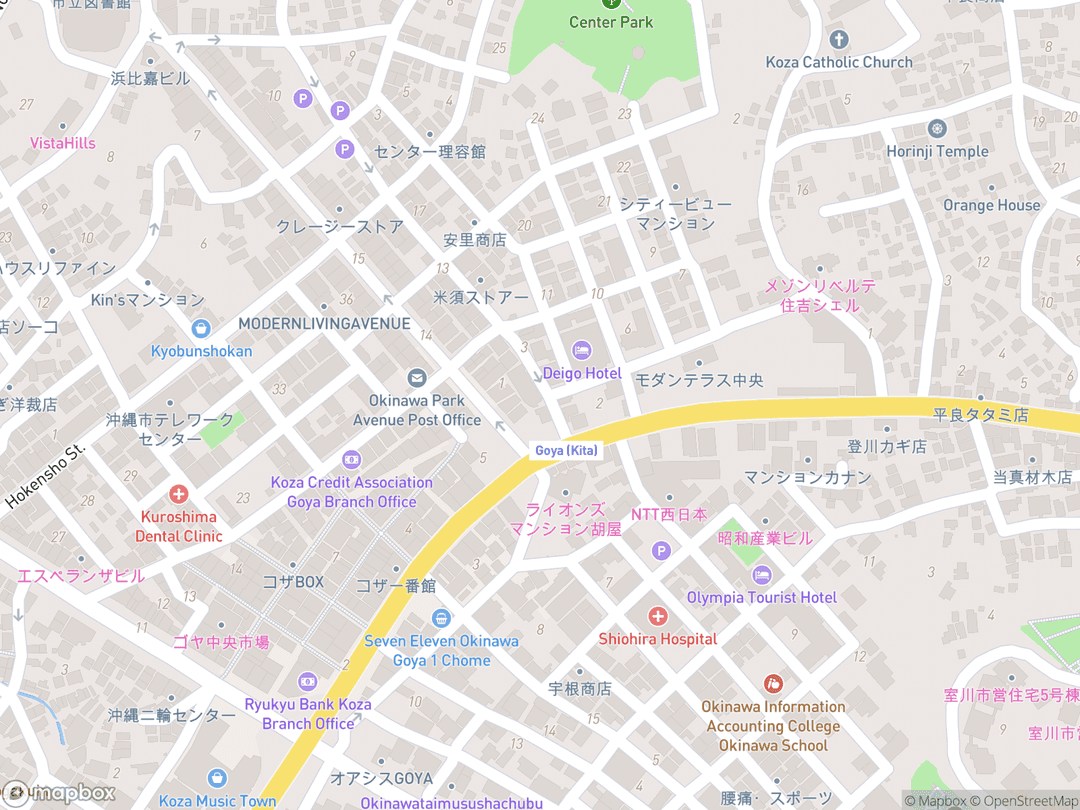
7-11-32 Matsumoto Okinawa-shi, Okinawa-ken, Okinawa 904-2151, Japan
Hours: Operating on Thursdays, Fridays, and Saturdays; specific schedules should be confirmed directly with the temple.
Getting There: The temple is located in Okinawa City near Kadena Air Base and is easily accessible from the Okinawa Expressway.
Get DirectionsAbout
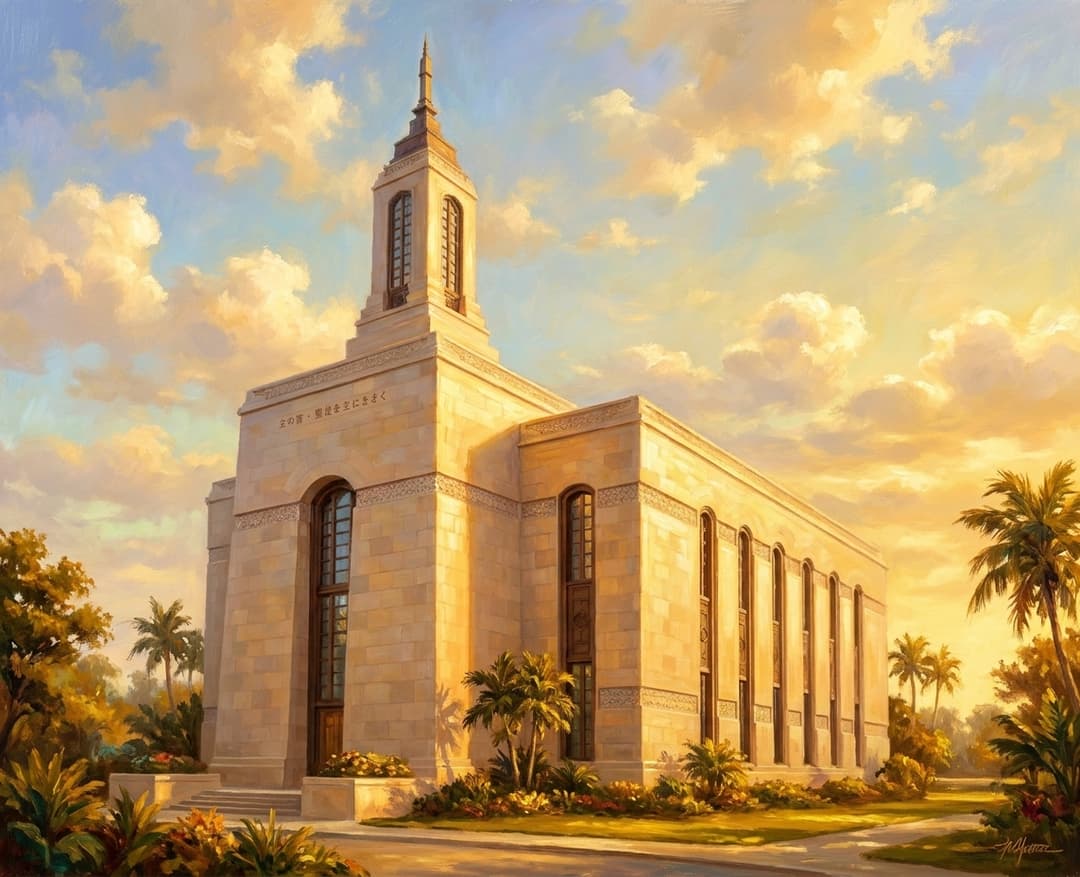
The Okinawa Japan Temple is a sacred edifice of The Church of Jesus Christ of Latter-day Saints, serving as the fourth temple in Japan and the first on the island chain of Okinawa. Dedicated in November 2023, it represents a significant milestone for Latter-day Saints in the region. The temple's design thoughtfully blends traditional Okinawan and Japanese architectural elements with a subtle Art Deco influence, reflecting both its spiritual purpose and its local cultural context.
As a "House of the Lord," the temple provides a sacred space for members of The Church of Jesus Christ of Latter-day Saints to participate in eternal ordinances and make covenants with God. Its presence in Okinawa holds particular significance, offering a symbol of peace and spiritual healing in an area with a profound history. The temple serves a diverse congregation, including native Japanese members and English-speaking military personnel and their families.
Gallery
Symbolic Elements
The temple's exterior features intricate carvings, each rich with spiritual meaning:

Segmented Arches
Inspired by traditional Okinawan stone walls, these arches symbolize connection to local heritage and enduring faith.

Decorative Floral Band
Connecting the arches, this band alludes to the traditional 'karamon' gate, signifying important gateways and cultural beauty.

Bingata Art Glass
Inspired by traditional Okinawan stencils, the art glass integrates vibrant local artistic traditions into the sacred space.

Sunset Gold Chinese Granite
This durable material, cladding the reinforced concrete, provides a warm, inviting exterior that reflects the temple's enduring nature.

Origami-Inspired Grand Stair
The interior grand stair's design evokes the lightness and precision of origami, creating a visually floating and elegant ascent.

Japanese Rock Garden
Situated at the back of the temple, this traditional garden offers a place of contemplation and peace, reflecting local landscape aesthetics.

Native Tropical Plants
Fountain palms, sago palms, and Chinese hibiscus adorn the grounds, complementing the tropical environment and symbolizing local beauty.

Beech Wood Paneling
Adorning the ordinance rooms, the beech wood paneling, with its Japanese grid designs, adds warmth and cultural resonance to the interior.
Interesting Facts
The Okinawa Japan Temple is the fourth temple in Japan and the first on the island chain of Okinawa (Tier A).
Upon its dedication, it became both the southernmost and westernmost temple in Japan (Tier A).
The temple serves a diverse congregation, including native Japanese members and English-speaking military personnel (Tier A).
Exterior architecture features segmented arches inspired by traditional Okinawan stone walls, like those at Shurijo Castle (Tier A).
The interior art glass is uniquely inspired by traditional Okinawan 'bingata' stencils and patterns (Tier A).
The grand staircase within the temple was designed with an origami-inspired aesthetic, giving it a visually light and floating appearance (Tier A).
The temple grounds include a traditional Japanese rock garden and native plants such as fountain palms and Chinese hibiscus (Tier A).
Dedication ceremonies were conducted in both Japanese and English to accommodate local and military members (Tier A).
Local leaders view the temple as a 'symbol of peace,' holding profound significance given Okinawa's World War II history (Tier A).
Early Latter-day Saints from Okinawa would charter airplanes to travel to the Laie Hawaii Temple for ordinances before temples were built in Japan (Tier B).
Common Questions
What is the purpose of the Okinawa Japan Temple?
The temple is a sacred house of worship where members of The Church of Jesus Christ of Latter-day Saints participate in eternal ordinances and make covenants with God.
Can non-members visit the Okinawa Japan Temple?
Once dedicated, only Church members holding a current temple recommend can enter the temple for worship; however, the grounds are generally open to the public.
What are some unique architectural features of the temple?
The temple features segmented arches inspired by Okinawan castles, a decorative floral band, and art glass inspired by traditional 'bingata' stencils.
How does the temple reflect Okinawan culture?
Its design incorporates local architectural motifs, 'bingata' art glass, and native plants in its landscaping, blending local heritage with its sacred purpose.
Is there a visitor center at the temple?
There is no public visitors' center, but a patron waiting area is available in the adjacent meetinghouse for members.
Featured Stories
A Symbol of Peace for Okinawa
November 12, 2023
Given Okinawa's profound history as the site of a devastating World War II battle, local leaders view the temple as a 'symbol of peace.' Its dedication brings a spiritual healing and sanctity to the land, offering solace and hope to a community that has experienced immense hardship. The temple stands as a testament to enduring faith and reconciliation.
Source: The Church Newsroom
Early Saints' Dedication to Temple Worship
Pre-2023
Before temples were built in Japan, early Latter-day Saints from Okinawa demonstrated remarkable dedication by chartering airplanes to travel to the Laie Hawaii Temple. This arduous journey underscored their deep commitment to participating in sacred ordinances, highlighting the profound spiritual significance of temple worship in their lives. Their sacrifices paved the way for a temple closer to home.
Source: LDS Living
Cultural Integration in Sacred Design
2023
The design of the Okinawa Japan Temple beautifully integrates traditional Okinawan and Japanese architectural elements, such as segmented arches inspired by local castles and art glass reflecting 'bingata' stencils. This thoughtful blend ensures the temple feels deeply rooted in its local culture while serving its universal sacred purpose. It stands as a harmonious fusion of faith and heritage.
Source: ChurchofJesusChristTemples.org
Timeline
Church Established in Japan
The Church of Jesus Christ of Latter-day Saints officially established its presence in Japan.
EventFirst Latter-day Saints in Okinawa
American servicemen became the first Latter-day Saints to arrive in Okinawa during World War II.
EventOkinawa Added to Japanese Mission
Okinawa was officially included in the Japanese Mission, expanding the Church's reach.
EventOkinawa Dedicated for Gospel Preaching
Elder Joseph Fielding Smith formally dedicated Okinawa for the preaching of the gospel.
MilestoneFirst Japanese Baptisms
The first Japanese members of the Church were baptized on Christmas Day.
EventFirst Missionaries Sent
The first assigned missionaries arrived in Okinawa to begin proselyting efforts.
EventOkinawa Japan Stake Organized
The Japanese-speaking Okinawa Japan Stake was organized by Elder Ezra Taft Benson.
MilestoneTemple Announced
President Russell M. Nelson announced the Okinawa Japan Temple during General Conference.
component.timeline.announcementGroundbreaking Ceremony
Elder Takashi Wada presided over the groundbreaking, officially commencing construction.
component.timeline.groundbreakingPublic Open House Begins
The temple opened its doors for public tours, welcoming nearly 8,000 visitors.
EventTemple Dedicated
Elder Gary E. Stevenson formally dedicated the Okinawa Japan Temple in two sessions.
DedicationTemple Opens for Ordinances
The Okinawa Japan Temple officially opened for sacred ordinances, serving its members.
EventHistory by Decade
Early 20th Century (1901–1940s) — Gospel's Arrival
The Church of Jesus Christ of Latter-day Saints established its presence in Japan in 1901. Decades later, during World War II, American servicemen became the first Latter-day Saints to arrive in Okinawa and the surrounding Ryukyu Islands, marking the initial seeds of the Church's growth in the region.
Mid-20th Century (1950s–1960s) — Establishing a Foothold
Okinawa was officially added to the Japanese Mission in 1951, and Elder Joseph Fielding Smith formally dedicated the island for gospel preaching in 1955. The first Japanese members were baptized that same year, followed by the arrival of assigned missionaries in 1956, leading to the construction of early chapels and the organization of local branches.
Late 20th Century (1970s–1980s) — Growth and Organization
The Church continued to grow in Okinawa, culminating in the organization of the Japanese-speaking Okinawa Japan Stake by Elder Ezra Taft Benson in 1980. This period also saw the dedication of the Tokyo Japan Temple, which served as a distant but vital sacred space for Okinawan members.
Early 21st Century (2010s) — Temple Announcement
An adjacent meetinghouse was completed in 2013, which would later include a patron waiting area for the temple. The long-awaited announcement of the Okinawa Japan Temple came on April 7, 2019, by President Russell M. Nelson, bringing joy and anticipation to local members.
2020s — Construction and Dedication
The temple's location and exterior rendering were released in May 2020, followed by a groundbreaking ceremony in December of that year. After a public open house in September 2023, the Okinawa Japan Temple was formally dedicated by Elder Gary E. Stevenson on November 12, 2023, and opened for ordinances four days later.
Architecture & Facilities
The Okinawa Japan Temple's architectural style is a harmonious blend of traditional Okinawan and Japanese elements with a subtle Art Deco influence, creating a unique and culturally resonant design. It draws inspiration from historical local structures, integrating their forms and decorative motifs into a modern sacred edifice that reflects both its spiritual purpose and its island setting.
Building Materials
Exterior Cladding
Reinforced concrete is clad in Sunset Gold Chinese granite from Wenshang, Shandong Province, providing a durable and aesthetically pleasing facade.
Art Glass
The art glass, fabricated by Savoy Studios, features three panes with unique designs inspired by traditional Okinawan 'bingata' stencils and patterns.
Interior Flooring
A combination of stone, porcelain, and ceramic tiles, along with custom-designed area rugs, creates a refined and inviting interior ambiance.
Interior Millwork
Ordinance rooms are adorned with decorative millwork panels and beech wood paneling, featuring patterns that reflect traditional Japanese grid designs.
Interior Features
Grand Stair
The grand stair features an origami-inspired aesthetic, giving it a visually light and floating appearance as a central design element.
Ordinance Rooms
These sacred spaces are enhanced with beech wood paneling and stone window surrounds, designed for solemn worship and instruction.
Celestial Room
A room of profound beauty and spiritual significance, designed to evoke a sense of peace and closeness to God.
Sealing Rooms
Rooms dedicated to eternal family covenants, featuring elegant finishes and a serene atmosphere for sacred ceremonies.
Temple Grounds
The temple grounds are meticulously landscaped to complement the tropical environment, featuring native plants such as fountain palms, sago palms, and Chinese hibiscus. A traditional Japanese rock garden is thoughtfully placed at the back of the temple, providing a serene and contemplative space for visitors.
Additional Facilities
An adjacent meetinghouse includes a dedicated patron waiting area, providing comfort and convenience for members preparing to enter the temple for sacred ordinances.
Religious Significance
As a temple of The Church of Jesus Christ of Latter-day Saints, the Okinawa Japan Temple is considered a sacred 'House of the Lord,' distinct from regular chapels. It is a place where members draw closer to Jesus Christ and participate in ordinances that have eternal significance within the Christian theological framework.
The core spiritual purpose of the temple is to provide a dedicated sanctuary for members to make and renew sacred covenants with God, receive divine instruction, and perform ordinances that unite families for eternity, all centered on the teachings and Atonement of Jesus Christ.
Sacred Ordinances
Baptism for the Dead
Vicarious baptisms performed on behalf of deceased ancestors, offering them the opportunity to accept gospel ordinances.
Endowment
A series of sacred instructions and covenants that provide spiritual power, knowledge, and blessings for eternal progression.
Sealing
Ordinances that unite husbands and wives, and children to parents, for time and all eternity, establishing eternal family units.
Covenant Path
The temple helps members progress along the covenant path, a series of commitments and blessings that lead to eternal life with God.
Eternal Families
A central doctrine taught in the temple is the eternal nature of the family unit, with ordinances performed to bind families together beyond mortal life.
Peace and Revelation
The temple serves as a place of refuge from the world, where members can find peace, receive personal revelation, and feel closer to God.
Similar Temples


Sources & Research
Every fact on Temples.org is backed by verified Sources & Research. Each piece of information is rated by source tier and confidence level.
View All Sources (8)
| Field | Source | Tier | Retrieved |
|---|---|---|---|
| About & Historical Background | The Church of Jesus Christ of Latter-day Saints (opens in a new tab) | A | 2024-07-30 |
| Dedication & Status | The Church Newsroom (opens in a new tab) | A | 2024-07-30 |
| Architectural Details & Art Glass | McNicholas Architects (opens in a new tab) | A | 2024-07-30 |
| Historical Timeline & Early Church Presence | Church History Department (opens in a new tab) | A | 2024-07-30 |
| General Information & Statistics | ChurchofJesusChristTemples.org (opens in a new tab) | C | 2024-07-30 |
| Open House & Public Access | LDS Living (opens in a new tab) | B | 2024-07-30 |
| Cultural Integration & Symbolism | LDS Daily (opens in a new tab) | B | 2024-07-30 |
| Dedication Ceremonies & Significance | The Church News (opens in a new tab) | B | 2024-07-30 |