Visitor Insights
Visiting Amarbayasgalant Monastery
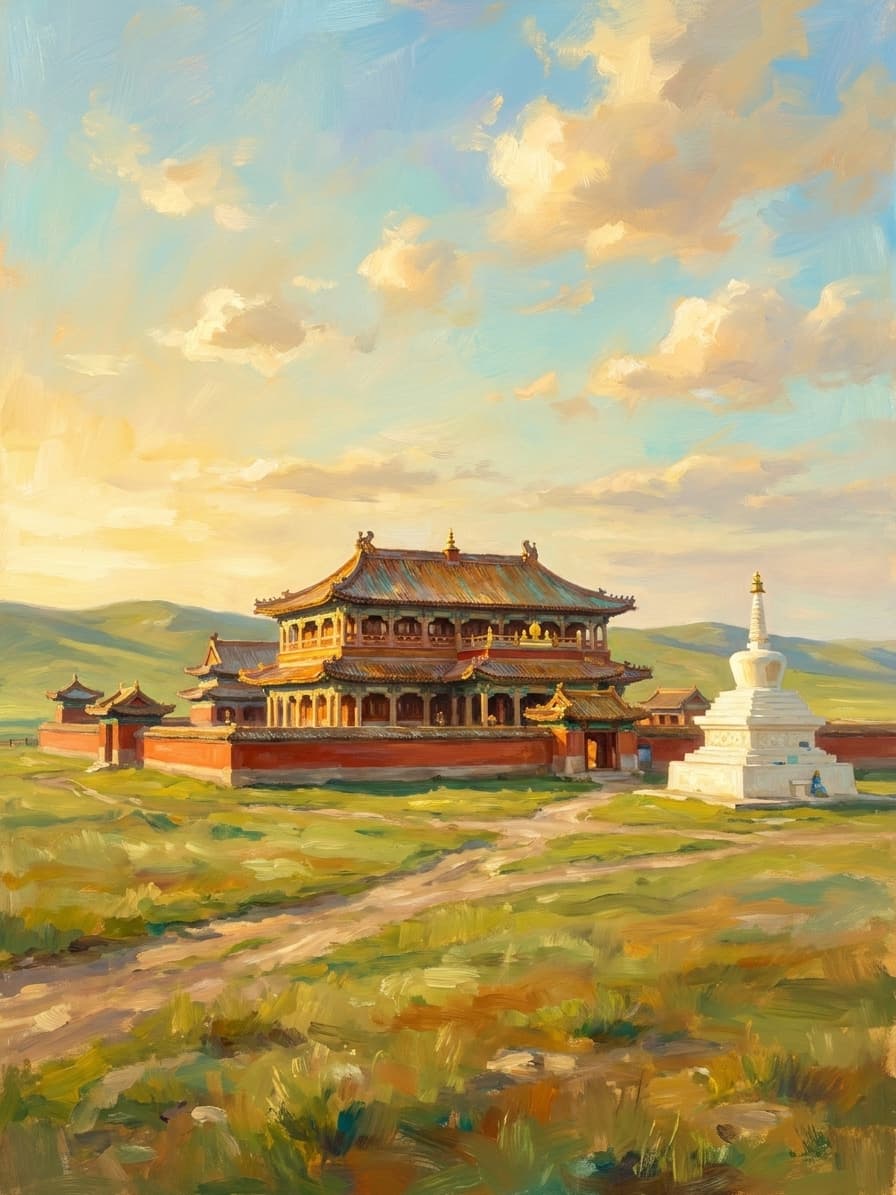
Visiting Amarbayasgalant offers an inspiring journey across the open Mongolian steppe into a pristine sacred valley. Visitors witness active Buddhist monastic life, explore preserved 18th-century timber architecture, and hike to hilltop stupas overlooking the valley.
Highlights
- Central Tsogchin Dugana assembly hall with nail-less timber construction.
- Hilltop Jarun Hashor Eye Stupa and 13-meter golden Je Tsongkhapa statue.
- Quadralingual imperial stone tablet at the entrance Protector Gate.
Things to Know
- Requires a 4WD vehicle to traverse 35 km of unpaved steppe tracks from the main highway.
- Modest dress covering shoulders and knees is required inside active shrine halls.
Location
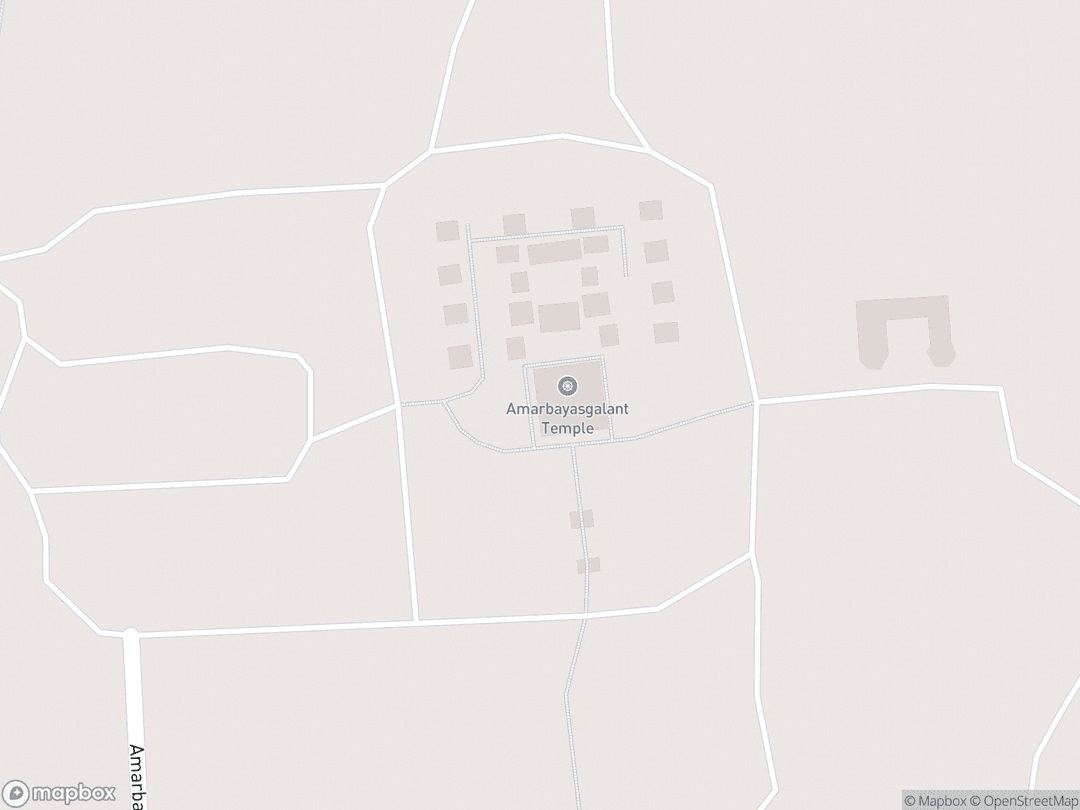
Iven Valley, Baruunbüren District, Selenge Province, Mongolia
Hours: 08:00 - 18:00 daily; morning chanting ceremonies take place from 09:00 to 10:30
Getting There: Located in Selenge Province, 360 km northwest of Ulaanbaatar and 120 km northeast of Erdenet. Access is via a 35 km dirt track off the paved Darkhan-Erdenet highway.
Get DirectionsTips for Your Visit
Attend Morning Chanting
Arrive by 09:00 to experience resident monks reciting sacred Tibetan texts inside the main assembly hall.
Hike the Sacred Ridge
Climb the stairs behind the monastery to the Je Tsongkhapa statue for panoramic views across the entire Iven Valley.
Perform Clockwise Circumambulation
Walk clockwise (Kora) around shrine halls, prayer wheels, and stupas in accordance with Buddhist tradition.
Prepare for Remote Steppe Travel
Carry sufficient water, cash in Mongolian Tugrik for admission, and sturdy footwear for uneven terrain.
About
Amarbayasgalant Monastery, known in Qing imperial records as the Monastery of Tranquil Felicity, is one of Mongolia's largest and most complete Buddhist monastic complexes. Commissioned in 1727 by the Qing Yongzheng Emperor to fulfill the deathbed decree of the Kangxi Emperor, it was built as a grand reliquary shrine honoring Undur Gegeen Zanabazar, the First Jebtsundamba Khutukhtu and supreme spiritual leader of Khalkha Mongolia.
Rooted in the foundational Dharmic traditions shared across Asian spiritual philosophies, Amarbayasgalant anchors the Gelug school of Tibetan Buddhism within the Mongolian steppe. As a major sanctuary of spiritual study and contemplation, the complex embodies the shared Dharmic pursuit of liberation from Samsara through ethical discipline, meditative insight, and universal loving-kindness (Maitri).
Set against the backdrop of Mount Büren-Khaan in the secluded Iven Valley, the complex features 28 preserved temples and halls arranged in a symmetrical imperial court layout. Constructed entirely of Siberian larch timber without iron nails, Amarbayasgalant stands as an extraordinary architectural synthesis of Chinese imperial symmetry, Tibetan liturgy, and Mongolian artistic mastery.
Gallery
Symbolic Elements
The temple's exterior features intricate carvings, each rich with spiritual meaning:

Maitreya Buddha
Represents the Future Buddha of loving-kindness who will awaken in the next cosmic cycle.

Soyombo Emblem
The national and spiritual emblem designed by Zanabazar depicting cosmic harmony and Dharma protection.
Four Heavenly Kings
Monumental guardian statues (*Lokapalas*) warding off negative forces at the entrance gate.
Je Tsongkhapa Statue
The 13-meter golden image honoring the founder of the Gelug school and scholastic rigor.

Jarun Hashor Stupa
An eye stupa symbolizing the Buddha's all-seeing wisdom overlooking the sacred steppe.
Quadralingual Tablet
An imperial stele written in four scripts affirming state protection of the Buddhist Dharma.
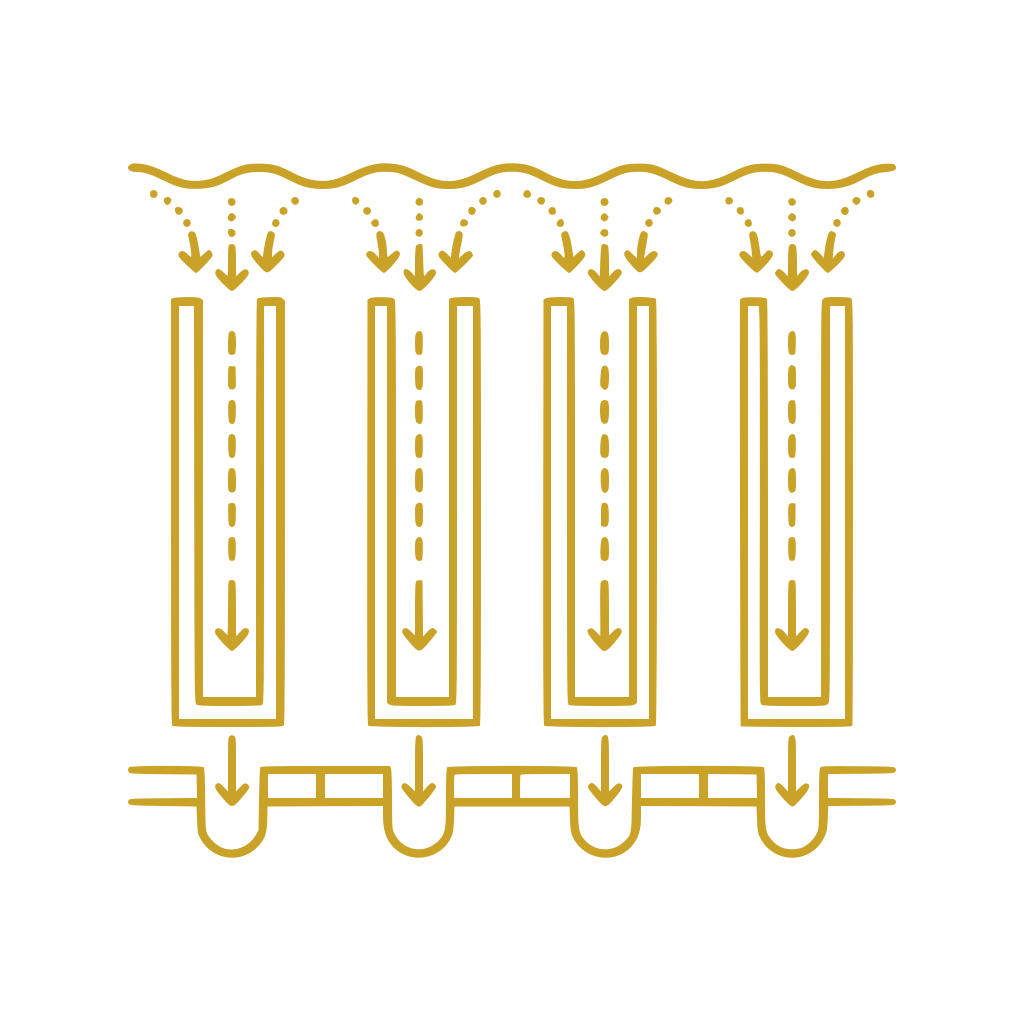
Internal Rain Columns
Four hollow structural timber pillars that route roof rainwater straight into underground stone channels.
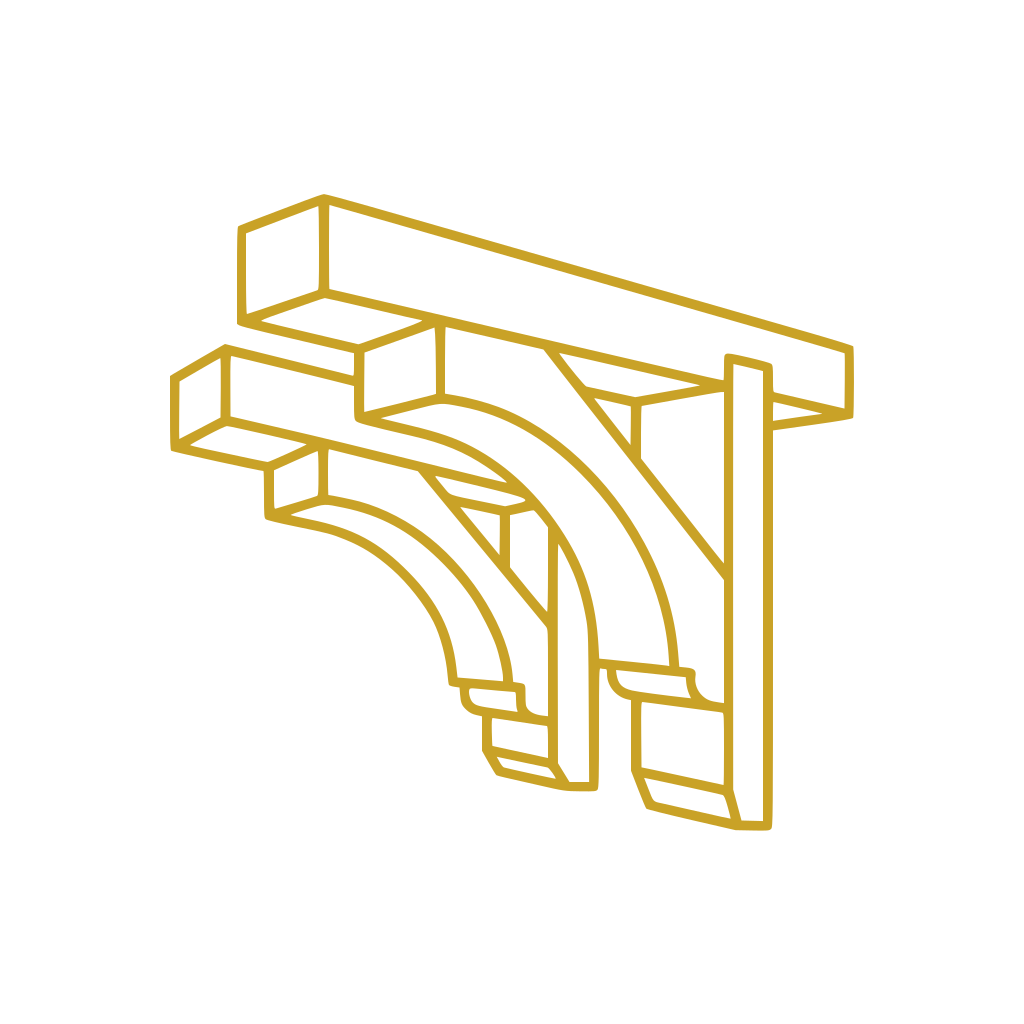
Dougong Timber Joinery
Classical nail-less interlocking wooden brackets engineered to survive extreme temperature variations.
Interesting Facts
The monastery was financed using 100,000 taels of silver from the imperial Qing state treasury. (Tier A)
Legend says the site was named after two playing children named Amur ('Peace') and Bayasqulangtu ('Joy'). (Tier B)
The main hall features hollow structural pillars that act as internal rain gutters during storms. (Tier A)
The complex was built entirely without iron nails using interlocking mortise-and-tenon timber joinery. (Tier A)
It was one of very few major monasteries to survive the Stalinist anti-religious purges of 1937. (Tier B)
An entrance plaque displays imperial decrees inscribed in Mongolian, Manchu, Tibetan, and Chinese scripts. (Tier A)
The embalmed body of Zanabazar was enshrined here inside a golden stupa reliquary for over 150 years. (Tier B)
The nearby Jarun Hashor Stupa is modeled directly after Nepal's famous Boudhanath Stupa. (Tier B)
The surrounding valley holds 2,000-year-old Turkic burial monuments and Bronze Age mounds. (Tier B)
Common Questions
Is Amarbayasgalant Monastery currently active?
Yes, it operates as an active Gelug monastic center housing resident monks and novices.
Why is the monastery built without iron nails?
It utilizes mortise-and-tenon bracket joinery (dougong), allowing timber to expand and contract through seasonal extreme temperatures.
How did the monastery survive the 1930s purges?
Its extreme geographic remoteness and deliberate administrative delays by sympathetic local leaders spared most core temples.
Can tourists visit during daily prayer services?
Yes, respectful visitors are welcome to observe morning chanting ceremonies between 09:00 and 10:30.
Featured Stories
The Imperial Foundation Decree
1727
Following the passing of Zanabazar in Beijing, the Yongzheng Emperor fulfilled his predecessor's vow by allocating nearly four tons of treasury silver to construct a royal reliquary sanctuary. Craftspeople from across the empire gathered in Northern Mongolia's remote Iven Valley to blend imperial palace design with sacred Tibetan Buddhist spatial geometry.
Source: UNESCO World Heritage Tentative List Documentation
The Miraculous Survival of 1937
1937
During the devastating anti-religious purges that demolished over 700 Mongolian monasteries, Amarbayasgalant stood in grave peril. Thanks to its extreme geographic isolation and intentional bureaucratic delays by local sympathetic commanders, the central core of 28 temples survived while surrounding complexes were destroyed.
Source: Asian Historical Architecture & Heritage Archives
The Hydraulic Marvel of the Central Hall
1736
Master builders devised an extraordinary solution to protect the massive 32-meter wooden main hall from water damage in freezing climates. They hollowed out the four central roof-supporting pillars, transforming them into internal water ducts that channel rainwater from the vast tiled roof directly into underground stone tunnels.
Source: World Monuments Fund Preservation Reports
Timeline
Passing of Zanabazar
Undur Gegeen Zanabazar passes away in Beijing, prompting the Qing Emperor to decree a imperial reliquary shrine.
Construction Commences
The Qing Imperial Treasury allocates 100,000 taels of silver to begin building the complex in the secluded Iven Valley.
Monastery Completion
Core construction concludes with over 40 temples and residential quarters enclosed within a red brick perimeter wall.
Interment of Relics
The mummified body of Zanabazar is transferred from Beijing and enshrined inside a golden stupa reliquary hall.
Peak Monastic Era
Explorer Alexey Pozdneyev documents a thriving monastic city of 8 colleges housing over 2,000 resident lamas.
Survives Stalinist Purges
While hundreds of Mongolian monasteries are destroyed, Amarbayasgalant miraculously escapes total demolition.
State Heritage Protection
The Mongolian government officially declares the site a protected national historical monument.
UNESCO Restoration
Systematic architectural restoration begins with technical and financial assistance from UNESCO.
Religious Rebirth
Following Mongolia's Democratic Revolution, ordained lamas return to resume monastic life and education.
World Heritage Nomination
Amarbayasgalant Monastery is officially placed on Mongolia's UNESCO World Heritage Tentative List.
History by Decade
1720s — Imperial Vow and Site Selection
Following the death of Zanabazar in Beijing in 1723, the Yongzheng Emperor issued an imperial decree to construct a grand reliquary shrine in Khalkha Mongolia. Surveyors selected the secluded Iven Valley at the foot of Mount Büren-Khaan, establishing the site in 1727 with massive financial backing from the Qing treasury.
1730s–1770s — Construction and Relic Enshrining
Completed in 1736 after nearly a decade of craftsmanship, the complex emerged as an imperial Sino-Tibetan sanctuary. In 1779, the embalmed reliquary body of Zanabazar was solemnly brought from Beijing and enshrined inside a golden stupa, establishing Amarbayasgalant as Northern Mongolia's chief pilgrimage destination.
1890s — Peak Monastic Scholastic Era
By the late 19th century, Amarbayasgalant had grown into a major monastic city comprising 8 specialized colleges and 6 monk residential sectors. Russian scholar Alexey Pozdneyev visited in 1892, recording over 2,000 ordained lamas engaged in higher Buddhist philosophy, medicine, and ritual art.
1930s — Stalinist Suppression and Survival
The political purges of 1937–1938 brought severe devastation as religious practice was outlawed, senior lamas were arrested, and sacred texts were scattered. However, the physical structure survived largely intact due to its remote valley location and local protective efforts, losing only outer auxiliary structures.
1940s–1980s — Heritage Protection and Scientific Restoration
Recognized for its irreplaceable cultural significance, the Mongolian government declared the site state-protected in 1943. International conservation efforts led by UNESCO in 1988 initiated comprehensive timber structural stabilization and tile roof restoration work across the central courtyard halls.
1990s–Present — Democratic Rebirth and Active Monastic Life
With the return of religious freedom following Mongolia's 1990 Democratic Revolution, lamas re-established daily chanting and monastic education. Nominated to UNESCO's World Heritage Tentative List in 1996, Amarbayasgalant today flourishes as both an active Gelug monastery and a treasured national monument.
Architecture & Facilities
Amarbayasgalant Monastery represents an extraordinary architectural synthesis where Manchu imperial symmetry frames Tibetan monastic liturgy and traditional Mongolian decorative motifs. Built according to a unified master plan modeled after Qing imperial palaces, the complex features a strict north-south processional axis enclosed by thick masonry walls and elevated tiled wooden halls.
Building Materials
Siberian Larch Timber
Durable native larch timber fitted using nail-less mortise-and-tenon joinery (dougong).
Dark Red Brick Masonry
Thick load-bearing fired brick walls providing thermal insulation against severe Siberian winters.
Glazed Ceramic Tiles
Heavy multi-colored roof tiles featuring dragon antefixes and gilded roof finials.
Gilded Copper Ornaments
Gilded copper roof ridge emblems (dhvaja and ganjira) embodying Buddhist ritual power.
Interior Features
Tsogchin Dugana
The grand main assembly hall spanning 32 by 32 meters with four internal rain-drainage columns.
Shar Urgoo Reliquary
The rear sanctuary hall originally constructed to house the golden reliquary stupa of Zanabazar.
Maharajas Entrance Gate
The protective gatehouse containing painted statues of the Four Great Heavenly Kings.
Monastic Colleges (Datsans)
Surrounding residential study halls dedicated to Buddhist philosophy, astrology, and medicine.
Temple Grounds
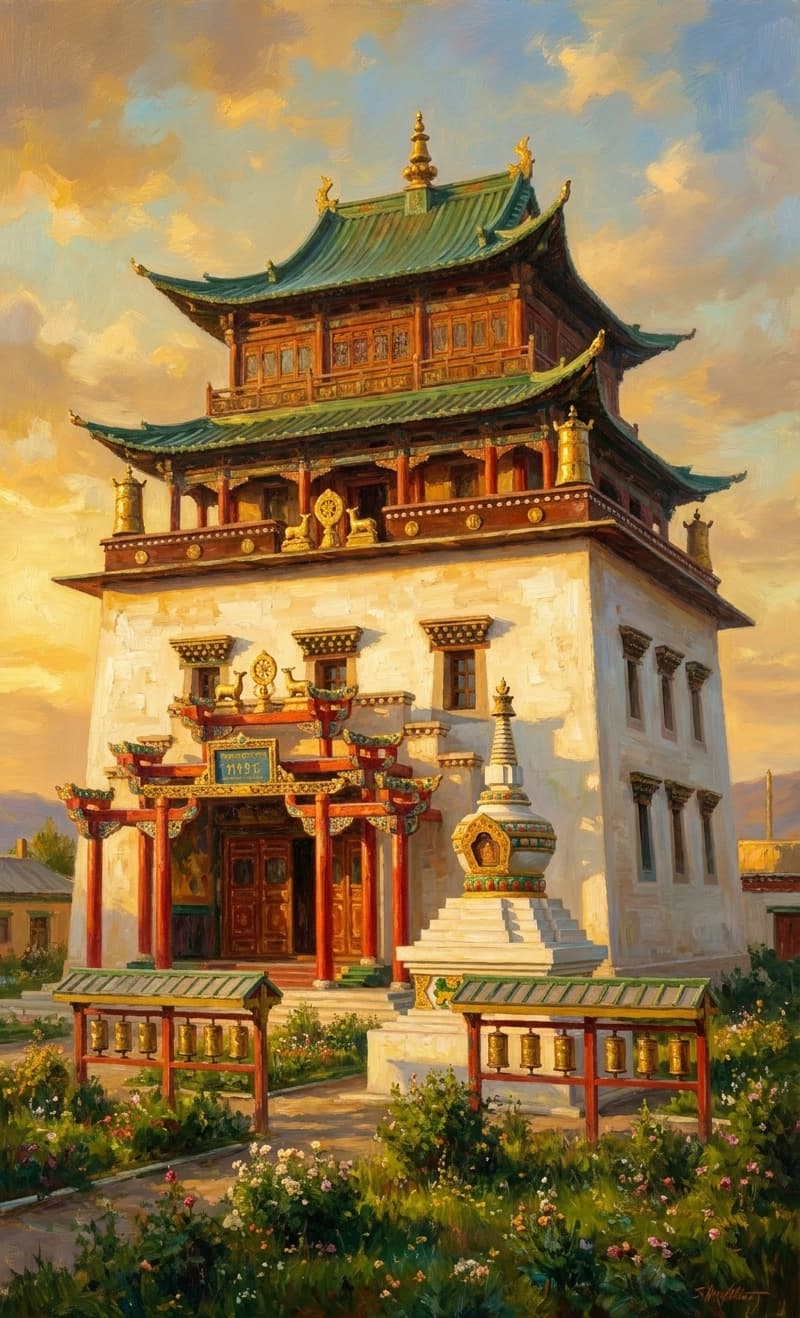
The complex is enclosed by a rectangular red-brick perimeter wall measuring 207 meters by 175 meters in the open grasslands of Iven Valley. The surrounding grounds feature outer prayer wheel walkways, stone stupas, and scenic hillside hiking paths leading up to the Je Tsongkhapa statue and Jarun Hashor Eye Stupa.
Additional Facilities
Visitor facilities include pilgrim reception quarters, educational information displays, and marked hiking routes along the surrounding sacred ridge.
Religious Significance
Amarbayasgalant Monastery stands as a pivotal beacon of Buddhist spirituality on the North Asian steppe. Shared across all Dharmic traditions is the core realization of Samsara—the continuous cycle of existence governed by Karma—and the path to ultimate liberation (Nirvana). Buddhist doctrine emphasizes ethical conduct, mental cultivation, and wisdom to overcome suffering and realize selfless truth. Within this grand Dharmic foundation, Amarbayasgalant belongs to the Gelug (Yellow Hat) school of Tibetan Buddhism, deeply integrated with Mongolian Vajrayana traditions. It honors the monastic lineage of Je Tsongkhapa and serves as the primary reliquary shrine of Undur Gegeen Zanabazar, whose spiritual realization and artistic legacy continue to inspire Mongolian identity.
To serve as an active center for Gelug monastic education, high Vajrayana ritual practice, and national pilgrimage dedicated to universal peace.
Sacred Ordinances
Chokha (Daily Morning Chanting)
Daily communal recitation of sacred Tibetan Buddhist texts and mantras by resident monks.
Tsam Mask Dance
Sacred ritual dance performed during summer festivals to subjugate negative forces and bring spiritual protection.
Kora (Clockwise Circumambulation)
Pilgrims walk clockwise around the perimeter walls, shrines, and stupas to purify negative karma.
Gongorii Bumba Ceremony
An annual summer ritual dedicated to White Mahakala (Gongor) for prosperity, peace, and spiritual well-being.
The Lineage of Undur Gegeen Zanabazar
As the First Jebtsundamba Khutukhtu, Zanabazar was recognized as a supreme scholar, master bronze sculptor, and political unifying figure for Khalkha Mongolia. Amarbayasgalant was conceived as his eternal reliquary home, housing his mummified body and serving as the focal point for his living spiritual lineage.
Dharmic Synergy and Universal Peace
The name Amarbayasgalant translates to 'Monastery of Tranquil Felicity.' In alignment with universal Dharmic teachings, the site remains dedicated to cultivating inner peace (Shanti) and loving-kindness (Maitri) as the foundation for global harmony and spiritual awakening.
Similar Temples
Sources & Research
Every fact on Temples.org is backed by verified Sources & Research. Each piece of information is rated by source tier and confidence level.
View All Sources (7)
| Field | Source | Tier | Retrieved |
|---|---|---|---|
| About & Historical Background | UNESCO World Heritage Centre (opens in a new tab) | B | 2026-02-23 |
| About & Historical Background | Asian Historical Architecture (opens in a new tab) | B | 2026-02-23 |
| Religious Significance & Lineage | Buddhist Digital Resource Center (opens in a new tab) | B | 2026-02-23 |
| Religious Significance & Lineage | Mongolian Temples Documentation Project (opens in a new tab) | A | 2026-02-23 |
| Timeline & Historical Events | Arts Council of Mongolia (opens in a new tab) | B | 2026-02-23 |
| Visitor Insights & Pilgrimage | Mongolian National Tourism Organization (opens in a new tab) | B | 2026-02-23 |
| Visitor Insights & Pilgrimage | Nomadic Expeditions (opens in a new tab) | D | 2026-02-23 |