Visitor Insights
Visiting Madrid Spain Temple
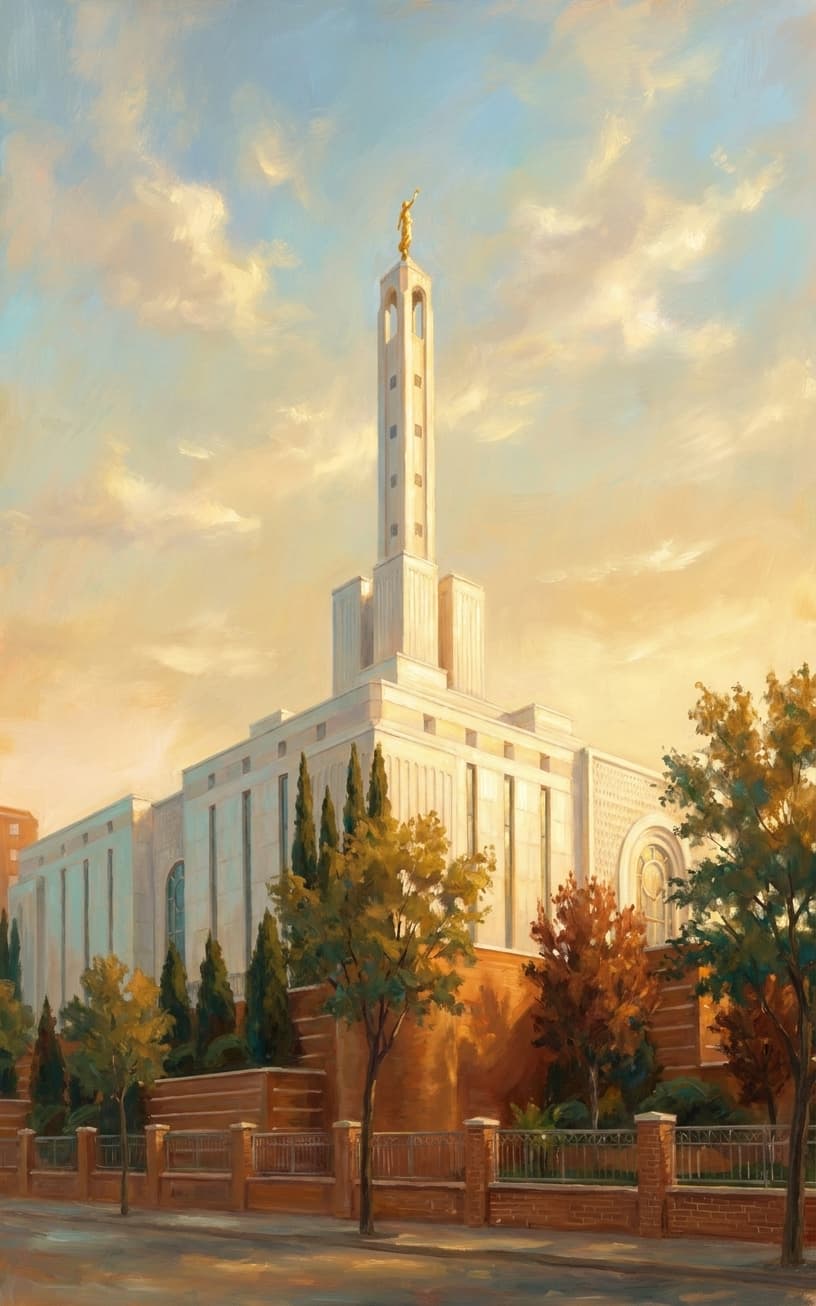
Visitors to the Madrid Spain Temple can expect a serene and reverent atmosphere. While there is no formal visitors' center, an arrival center is available for those attending temple sessions. The grounds are beautifully maintained, offering a peaceful environment for reflection. The temple stands as a symbol of faith and commitment for members of The Church of Jesus Christ of Latter-day Saints in Spain and the surrounding region.
Highlights
- Experience the spiritual peace within the temple grounds.
- Witness the beautiful architecture and design of the temple.
- Learn about the significance of the temple in the lives of Latter-day Saints.
Things to Know
- Temple worship is reserved for members of The Church of Jesus Christ of Latter-day Saints who are in good standing.
- Appropriate attire is required when entering the temple.
- Photography is not permitted inside the temple.
Location

Calle del Templo 2, 28030 Madrid, Spain
Hours: Temple session schedules vary; please check the official website for current information.
Getting There: The Madrid Spain Temple is located at Calle del Templo 2, Madrid. Public transportation and parking are available.
Get DirectionsTips for Your Visit
Plan Ahead
Check the temple schedule online before your visit to ensure it is open and sessions are available.
Dress Respectfully
When visiting the temple grounds, dress modestly and respectfully.
About
The Madrid Spain Temple stands as a beacon of faith in the heart of Spain, marking a significant milestone for The Church of Jesus Christ of Latter-day Saints. As the first temple in Spain and the seventh in Europe, it symbolizes the Church's established presence and commitment to serving its members in the region. The temple provides a sacred space for members to participate in ordinances that strengthen their connection with God and their families.
Announced on April 4, 1993, by President Gordon B. Hinckley, the Madrid Spain Temple quickly became a symbol of hope and growth for the Church in Spain. The groundbreaking ceremony, also presided over by President Hinckley on June 11, 1996, marked the first visit of a Church president to Spain, further solidifying the temple's importance. The dedication of the temple from March 19-21, 1999, was a momentous occasion, celebrated by Latter-day Saints throughout Spain and neighboring countries.
The temple's architecture reflects a modern-classical design, featuring a single spire topped by a statue of the angel Moroni. Clad in Italian Camaro marble, the exterior radiates a bright white appearance, distinguishing it from the surrounding buildings. The Madrid Spain Temple serves as a spiritual anchor for members of the Church, providing a place of peace, reflection, and divine connection.
Gallery
Symbolic Elements
The temple's exterior features intricate carvings, each rich with spiritual meaning:
Angel Moroni Statue
The statue of the angel Moroni stands atop the temple spire, symbolizing the restoration of the gospel of Jesus Christ. Latter-day Saints believe that Moroni was an ancient prophet who appeared to Joseph Smith and delivered the golden plates from which the Book of Mormon was translated. The golden statue serves as a beacon of hope and a reminder of the divine message of the restored gospel.

Italian Camaro Marble
The exterior of the Madrid Spain Temple is clad in Italian Camaro marble, giving it a bright white appearance that distinguishes it from the surrounding buildings. The marble symbolizes purity, strength, and enduring faith. Its smooth, polished surface reflects the light, creating a radiant and inviting presence.

Single Spire
The temple features a single spire, reaching towards the heavens and symbolizing the connection between earth and the divine. The spire serves as a focal point, drawing the eye upward and inspiring feelings of reverence and spiritual aspiration. It represents the temple's role as a place where individuals can draw closer to God.

Olive Trees
The grounds are landscaped with Spanish olive trees, representing peace, wisdom, and prosperity. Olive trees are a common sight in Spain and the Mediterranean region, adding a touch of local culture and heritage to the temple grounds. Their presence symbolizes the enduring nature of faith and the blessings of the gospel.

Fountain
A large fountain is located at the plaza entrance, symbolizing the living water of Jesus Christ. The flowing water represents purification, renewal, and the blessings of the gospel. The fountain's gentle sounds create a peaceful and inviting atmosphere, welcoming visitors to the temple grounds.
Holiness to the Lord Inscription
Above a front-facing window, the words 'Holiness to the Lord: The House of the Lord' are inscribed. This inscription reflects the sacred nature of the building and its purpose as a place where individuals can draw closer to God. It serves as a reminder of the temple's divine purpose and the importance of reverence and respect within its walls.

Ordinance Rooms
The Madrid Spain Temple includes four ordinance rooms, where sacred ordinances are performed. These rooms are designed to create a reverent and peaceful atmosphere, allowing individuals to focus on their spiritual connection with God. The ordinances performed in these rooms are essential to the faith and beliefs of Latter-day Saints.
Sealing Rooms
The temple also includes four sealing rooms, where families can be eternally united. These rooms are beautifully decorated and designed to create a sacred space for this important ordinance. The sealing ceremony symbolizes the eternal nature of family relationships and the blessings of eternal life.
Interesting Facts
The Madrid Spain Temple was the first temple in Spain and the seventh in Europe.
Gordon B. Hinckley became the first Church President to visit Spain for the groundbreaking ceremony.
During the open house, over 44,000 people toured the temple.
Gordon B. Hinckley presented the King and Queen of Spain with a Lladro figurine of the Christus.
At the time of its dedication, the Madrid Spain Temple served Latter-day Saints in Spain, Portugal, the Canary Islands, and southern France.
The temple is part of a complex referred to as the 'Temple Square of Madrid'.
Missionary work in Spain began in 1967 after the passage of a religious liberty law.
Clark Hinckley, son of President Gordon B. Hinckley, was among the first missionaries sent to Spain.
The exterior of the temple is made of Italian Camaro marble.
The temple has four ordinance rooms and four sealing rooms.
Common Questions
What is the purpose of temples in The Church of Jesus Christ of Latter-day Saints?
Temples are considered houses of God, sacred spaces set apart from the world. Latter-day Saints believe temples are the most sacred places on earth, used to perform sacred ordinances and make covenants that bind families together and connect individuals to God.
Who can enter the Madrid Spain Temple?
Temple worship is reserved for members of The Church of Jesus Christ of Latter-day Saints who are in good standing and have a temple recommend from their local leaders.
What is the significance of the angel Moroni statue on top of the temple?
The statue of the angel Moroni symbolizes the restoration of the gospel of Jesus Christ. Latter-day Saints believe that Moroni was an ancient prophet who appeared to Joseph Smith and delivered the golden plates from which the Book of Mormon was translated.
What should I wear when visiting the Madrid Spain Temple grounds?
When visiting the temple grounds, it is recommended to dress modestly and respectfully. While there are no specific dress codes for the grounds, it is important to maintain a reverent atmosphere.
Are there any accommodations for visitors with disabilities?
Yes, the temple provides some accommodations for those with disabilities, including headsets for patrons with hearing impairment. Contact the temple in advance to inquire about specific needs.
What is the 'Temple Square of Madrid'?
The 'Temple Square of Madrid' refers to the complex surrounding the Madrid Spain Temple, which includes a meetinghouse, a family history center, patron and missionary housing, a distribution center, and an eight-story office building.
Featured Stories
The Announcement of the Madrid Spain Temple
April 4, 1993
On April 4, 1993, during the Church's general conference, President Gordon B. Hinckley announced the plans to build a temple in Madrid, Spain. This announcement was met with immense joy and gratitude by Latter-day Saints throughout Spain, who had long desired a temple in their own country. The news spread quickly, filling members with hope and anticipation for the blessings that a temple would bring to their lives and the growth of the Church in Spain.
For many years, Spanish Latter-day Saints had traveled long distances to attend temples in other countries, often facing significant financial and logistical challenges. The prospect of having a temple in Madrid, a place where they could more easily access sacred ordinances and strengthen their faith, was a dream come true. The announcement marked a turning point for the Church in Spain, signaling a new era of growth and spiritual development.
Source: The Church of Jesus Christ of Latter-day Saints Newsroom
The Dedication: A Historic Event for Spain
March 19-21, 1999
The dedication of the Madrid Spain Temple from March 19-21, 1999, was a truly historic event for The Church of Jesus Christ of Latter-day Saints in Spain. President Gordon B. Hinckley presided over the ten dedicatory sessions, each filled with spiritual power and reverence. Members traveled from all corners of Spain, as well as from Portugal, the Canary Islands, and southern France, to participate in this momentous occasion.
The dedication of the temple not only provided a sacred space for members to worship and perform ordinances but also served as a symbol of the Church's commitment to Spain and its people. The event was widely covered by the media, raising awareness of the Church and its teachings throughout the country. The Madrid Spain Temple became a beacon of faith, attracting visitors and inspiring countless individuals to learn more about the restored gospel of Jesus Christ.
Source: The Church of Jesus Christ of Latter-day Saints Newsroom
The Groundbreaking: A President's First Visit
June 11, 1996
The groundbreaking ceremony for the Madrid Spain Temple, held on June 11, 1996, was a significant event in the history of the Church in Spain. President Gordon B. Hinckley presided over the ceremony, marking the first time a President of The Church of Jesus Christ of Latter-day Saints had visited the country. The event was attended by hundreds of members and local dignitaries, all eager to witness the beginning of this sacred project.
President Hinckley's presence at the groundbreaking underscored the importance of the Madrid Spain Temple to the Church and its members. His visit served as a testament to the growing strength and vitality of the Church in Spain, and it provided a powerful message of hope and encouragement to the Latter-day Saints who had worked so diligently to establish their faith in the country. The groundbreaking ceremony marked the beginning of a new chapter in the history of the Church in Spain, one filled with promise and opportunity.
Source: The Church News
Timeline
Temple Announced
Gordon B. Hinckley announced plans to build a temple in Madrid, Spain.
component.timeline.announcementGroundbreaking Ceremony
Groundbreaking ceremony was held, with Gordon B. Hinckley presiding. This marked the first visit of a Church president to Spain.
component.timeline.groundbreakingPublic Open House Begins
Public open house was held, attracting approximately 44,000 visitors.
EventTemple Dedication
The temple was dedicated in 10 sessions by Gordon B. Hinckley.
DedicationMissionary Training Center Closed
The Missionary Training Center (MTC) adjacent to the temple was closed as part of a global restructuring of church training facilities.
EventTemple Temporarily Closed
The Madrid Spain Temple temporarily closed due to the COVID-19 pandemic.
RenovationTemple Operations Resumed
Temple operations resumed full worship services.
Renovation25th Anniversary
The temple celebrated its 25th anniversary.
EventMissionary Work Begins
Missionary work in Spain began after the passage of a religious liberty law.
MilestoneKing and Queen Visit
King Juan Carlos and Queen Sofía of Spain toured the temple during the open house.
EventChristus Statue Gifted
Gordon B. Hinckley presented the King and Queen of Spain with a Lladro figurine of the Christus.
EventTemple Serves Many
At the time of its dedication, the Madrid Spain Temple served Latter-day Saints in Spain, Portugal, the Canary Islands, and southern France.
MilestoneFirst Church President Visit
Gordon B. Hinckley's visit for the groundbreaking marked the first visit of a Church president to Spain.
MilestoneTemple Announcement Impact
The announcement of the Madrid Spain Temple brought great joy and anticipation to Latter-day Saints in Spain.
MilestoneClark Hinckley's Mission
Clark Hinckley, son of President Gordon B. Hinckley, was among the first missionaries sent to Spain.
MilestoneHistory by Decade
1960s — Early Missionary Efforts
Missionary work in Spain officially began in 1967, following the passage of a religious liberty law that allowed for the official recognition of The Church of Jesus Christ of Latter-day Saints. Prior to this, efforts to establish the Church in Spain were limited due to legal restrictions. The arrival of the first missionaries marked a significant turning point, as they began to share the message of the restored gospel with the Spanish people.
1970s — Growth and Development
The 1970s saw steady growth in the number of Latter-day Saints in Spain. As more individuals embraced the gospel, congregations were established, and Church programs were implemented. This period was characterized by the dedication and perseverance of early members who worked tirelessly to build a foundation for the Church in Spain.
1980s — Strengthening the Foundation
During the 1980s, the Church continued to strengthen its presence in Spain. New meetinghouses were constructed, and efforts were made to translate Church materials into Spanish. Leadership training programs were implemented to develop local leaders and ensure the long-term stability of the Church.
1990s — The Temple Era Begins
The 1990s marked a pivotal moment in the history of the Church in Spain with the announcement and construction of the Madrid Spain Temple. The announcement in 1993 brought immense joy and anticipation to Latter-day Saints throughout the country. The groundbreaking in 1996 and the subsequent dedication in 1999 were landmark events that solidified the Church's presence in Spain.
2000s — Consolidation and Service
Following the dedication of the Madrid Spain Temple, the Church focused on consolidating its gains and providing service to the community. Members engaged in various humanitarian projects and outreach programs, demonstrating their commitment to living the teachings of Jesus Christ. The temple became a center of spiritual strength and a symbol of hope for Latter-day Saints in Spain.
2010s — Continued Growth and Adaptation
The 2010s saw continued growth and adaptation for the Church in Spain. As the country faced economic challenges, members found strength in their faith and continued to serve one another and their communities. The Church also embraced new technologies and communication methods to reach out to individuals and share the message of the gospel.
Architecture & Facilities
The Madrid Spain Temple showcases a modern-classical architectural style, blending traditional elements with contemporary design. The temple's exterior is clad in Italian Camaro marble, giving it a bright white appearance that stands out against the surrounding landscape. The design incorporates clean lines, symmetrical proportions, and a single spire topped by a statue of the angel Moroni, creating a sense of elegance and reverence. The temple's architecture reflects its purpose as a sacred space, inviting individuals to draw closer to God and experience spiritual peace.
Building Materials
Italian Camaro Marble
The exterior of the temple is clad in Italian Camaro marble, known for its bright white color and smooth texture. This marble was carefully selected to create a sense of purity and elegance, reflecting the sacred nature of the temple.
Reinforced Concrete
The temple's structural framework is constructed of reinforced concrete, providing a strong and durable foundation. This material ensures the temple's stability and longevity, allowing it to withstand the test of time.
Granite
Granite is used in various areas of the temple's exterior and interior, adding a touch of natural beauty and durability. This stone is known for its strength and resistance to weathering, making it an ideal choice for high-traffic areas.
Glass
Glass is used extensively throughout the temple, allowing natural light to flood the interior spaces. Stained glass windows add a touch of artistry and symbolism, creating a peaceful and uplifting atmosphere.
Interior Features
Baptistry
The baptistry is a sacred space where baptisms for the dead are performed. It features a large font of water, symbolizing purification and new beginnings. The room is designed to create a reverent and peaceful atmosphere for this important ordinance.
Ordinance Rooms
The temple includes four ordinance rooms, where sacred ordinances are performed. These rooms are designed to create a reverent and peaceful atmosphere, allowing individuals to focus on their spiritual connection with God. The ordinances performed in these rooms are essential to the faith and beliefs of Latter-day Saints.
Sealing Rooms
The temple also includes four sealing rooms, where families can be eternally united. These rooms are beautifully decorated and designed to create a sacred space for this important ordinance. The sealing ceremony symbolizes the eternal nature of family relationships and the blessings of eternal life.
Celestial Room
The celestial room is a quiet and peaceful space where individuals can reflect and pray. It is designed to create a sense of heaven on earth, with soft lighting, comfortable furnishings, and inspiring artwork. This room is a place of refuge and spiritual renewal.
Temple Grounds
The temple is situated on a 3.5-acre (1.4-hectare) site that is part of a larger complex. The grounds are landscaped with Spanish olive trees, Mediterranean cypress trees, and a large fountain at the plaza entrance. The landscaping creates a peaceful and inviting atmosphere for visitors.
Additional Facilities
The 'Temple Square of Madrid' includes a meetinghouse, a family history center, patron and missionary housing, a distribution center, and an eight-story office building.
Religious Significance
Temples of The Church of Jesus Christ of Latter-day Saints are considered houses of the Lord, sacred spaces dedicated to serving God and His children. They are distinct from meetinghouses, where regular Sunday worship services are held. Temples are reserved for special ordinances and covenants that bind families together and connect individuals to God.
The primary purpose of temples is to provide a place where members of the Church can participate in sacred ordinances that are essential for their eternal progression. These ordinances include baptisms for the dead, the endowment, and sealings.
Sacred Ordinances
Baptism for the Dead
Baptism for the dead is a vicarious ordinance performed in temples on behalf of those who have died without the opportunity to be baptized. Latter-day Saints believe that all individuals deserve the chance to accept the gospel of Jesus Christ, even after death. This ordinance allows them to receive that opportunity.
The Endowment
The endowment is a sacred ordinance in which individuals receive instruction, make covenants with God, and are blessed with power from on high. This ordinance helps them to prepare for eternal life and to fulfill their divine potential.
Sealing
Sealing is a sacred ordinance in which families are eternally united. Couples are sealed to one another, and children are sealed to their parents, creating eternal family relationships. This ordinance is essential for the eternal progression and happiness of individuals and families.
The Temple as a Bridge to Eternity
The temple serves as a bridge between the temporal and the eternal. It is a place where individuals can connect with God, receive divine guidance, and make covenants that will bless them and their families for eternity. The temple is a symbol of hope and a reminder of the eternal nature of life.
Similar Temples
Sources & Research
Every fact on Temples.org is backed by verified Sources & Research. Each piece of information is rated by source tier and confidence level.
View All Sources (2)
| Field | Source | Tier | Retrieved |
|---|---|---|---|
| About & Historical Background | The Church of Jesus Christ of Latter-day Saints (opens in a new tab) | A | 2024-05-03 |
| About & Historical Background | churchofjesuschristtemples.org (opens in a new tab) | C | 2024-05-03 |