Visitor Insights
Visiting Taipei Taiwan Temple
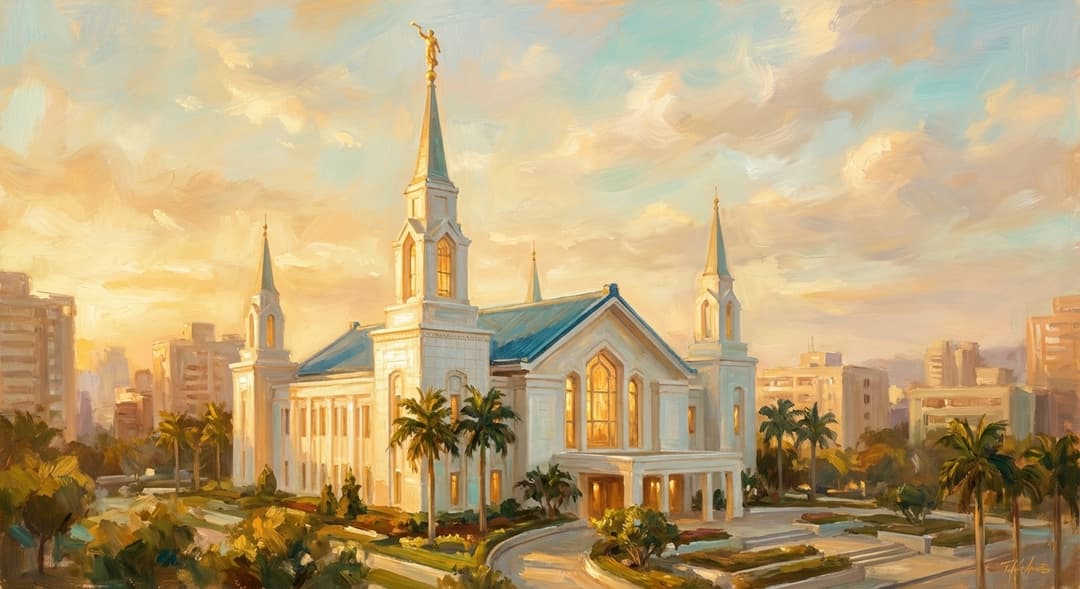
Visitors to the Taipei Taiwan Temple will find a serene and reverent atmosphere. While there is no dedicated visitors' center on-site, the temple grounds offer a peaceful environment for reflection. The temple is part of a larger Church complex that includes a stake center, patron housing, and an office building. Visitors can appreciate the temple's architecture, which blends Western design with local Taiwanese aesthetics.
Highlights
- Appreciate the unique architecture blending Western and Taiwanese elements.
- Reflect in the peaceful and well-maintained temple grounds.
- Visit the on-site distribution center for Church materials.
Things to Know
- There is no dedicated visitors' center on-site.
- Temple grounds are primarily for members attending religious ceremonies.
- Respectful attire is expected when visiting the temple grounds.
Location
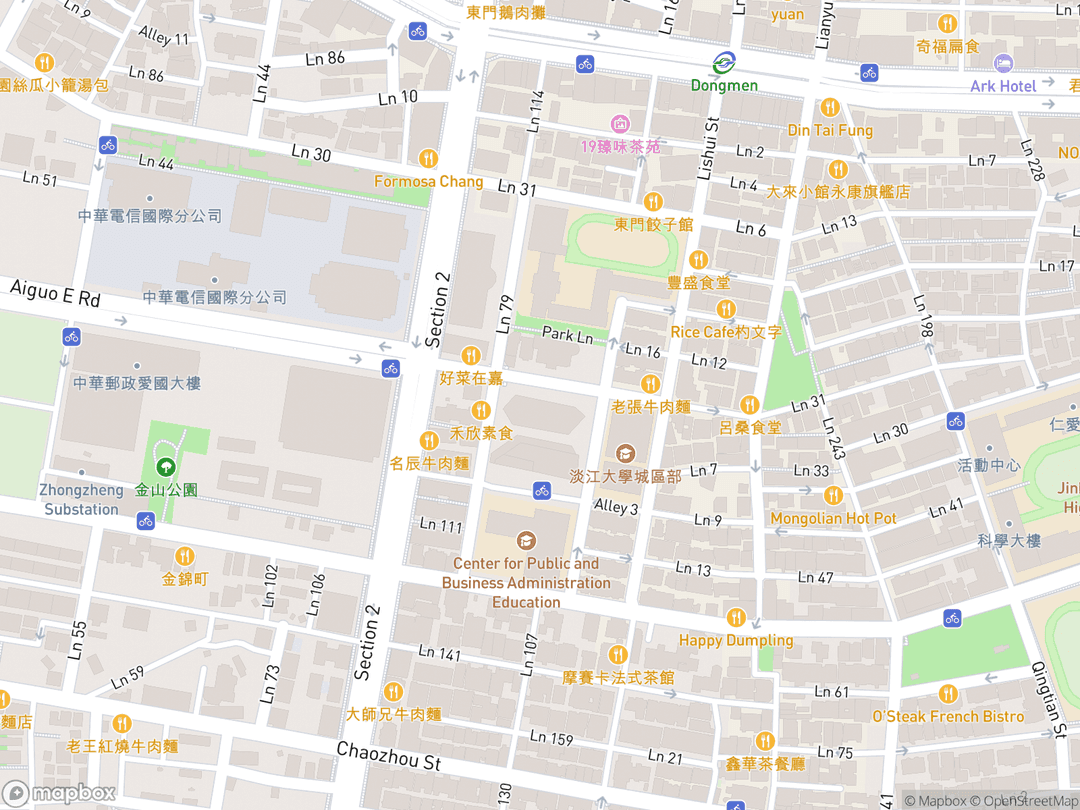
256 Ai Kuo East Road, Taipei 10642, Taiwan
Hours: The temple is open to members with temple recommends. Contact the temple for specific ordinance schedules.
Getting There: The Taipei Taiwan Temple is located at 256 Ai Kuo East Road, Taipei. Public transportation is available, and the temple is easily accessible by taxi.
Get DirectionsTips for Your Visit
Respectful Attire
Please dress modestly and respectfully when visiting the temple grounds.
Temple Recommend
A temple recommend is required to enter the temple for religious ordinances.
About
According to The Church of Jesus Christ of Latter-day Saints, the Taipei Taiwan Temple stands as the 31st operating temple of the faith and holds the distinction of being the first temple built in Taiwan and the third in Asia. Located in Taipei City, this sacred edifice serves Latter-day Saints throughout Taiwan, providing a dedicated space for worship and the performance of sacred religious ordinances.
As part of the Christian theological grouping and the Abrahamic traditions, Latter-day Saint temples are considered Houses of the Lord, distinct from regular meetinghouses used for Sunday services. These temples are dedicated to performing sacred ordinances such as baptisms for the dead, endowments, and sealings, which unite families for eternity. These ordinances are central to the faith, offering opportunities for spiritual growth and a deeper connection with God.
The temple's architecture reflects a blend of Western design principles with subtle nods to local Taiwanese aesthetics, creating a harmonious and reverent atmosphere. Its presence in Taipei serves as a testament to the enduring faith of the Latter-day Saint community in Taiwan and their commitment to the teachings of Jesus Christ. The temple stands as a symbol of hope, peace, and eternal promises for all who enter its doors.
Gallery
Symbolic Elements
The temple's exterior features intricate carvings, each rich with spiritual meaning:

Angel Moroni Statue
The statue of the angel Moroni atop the tallest spire symbolizes the restoration of the gospel of Jesus Christ. This iconic figure is a common feature on Latter-day Saint temples, representing the divine messenger who revealed the Book of Mormon to Joseph Smith.

Blue Tile Roof
The blue tile roof of the Taipei Taiwan Temple reflects a deliberate effort to harmonize with local architectural traditions. The blue tiles complement the nearby National Chiang Kai-shek Memorial Hall, creating a visual connection to the surrounding cultural landscape.

Six-Spire Design
The Taipei Taiwan Temple is part of the Church's six-spire series, a common architectural design for temples built during a specific period. The spires symbolize the reaching towards heaven and the connection between the earthly and divine realms.

White Ceramic Tile Exterior
The exterior of the Taipei Taiwan Temple is clad in white ceramic tile, providing a clean and bright appearance. The white color symbolizes purity and holiness, reflecting the sacred nature of the temple.

Terraced Landscaping
The temple grounds feature terraced landscaping, creating a visually appealing and peaceful environment. The terraced design adds depth and dimension to the landscape, enhancing the overall beauty of the temple grounds.

Fountains
Fountains are incorporated into the temple grounds, adding a sense of tranquility and serenity. The flowing water symbolizes cleansing and renewal, contributing to the spiritual atmosphere of the temple.

Mature Trees
Mature trees surround the Taipei Taiwan Temple, providing shade and a sense of peace. The trees symbolize growth, strength, and the enduring nature of faith.
Inscriptions
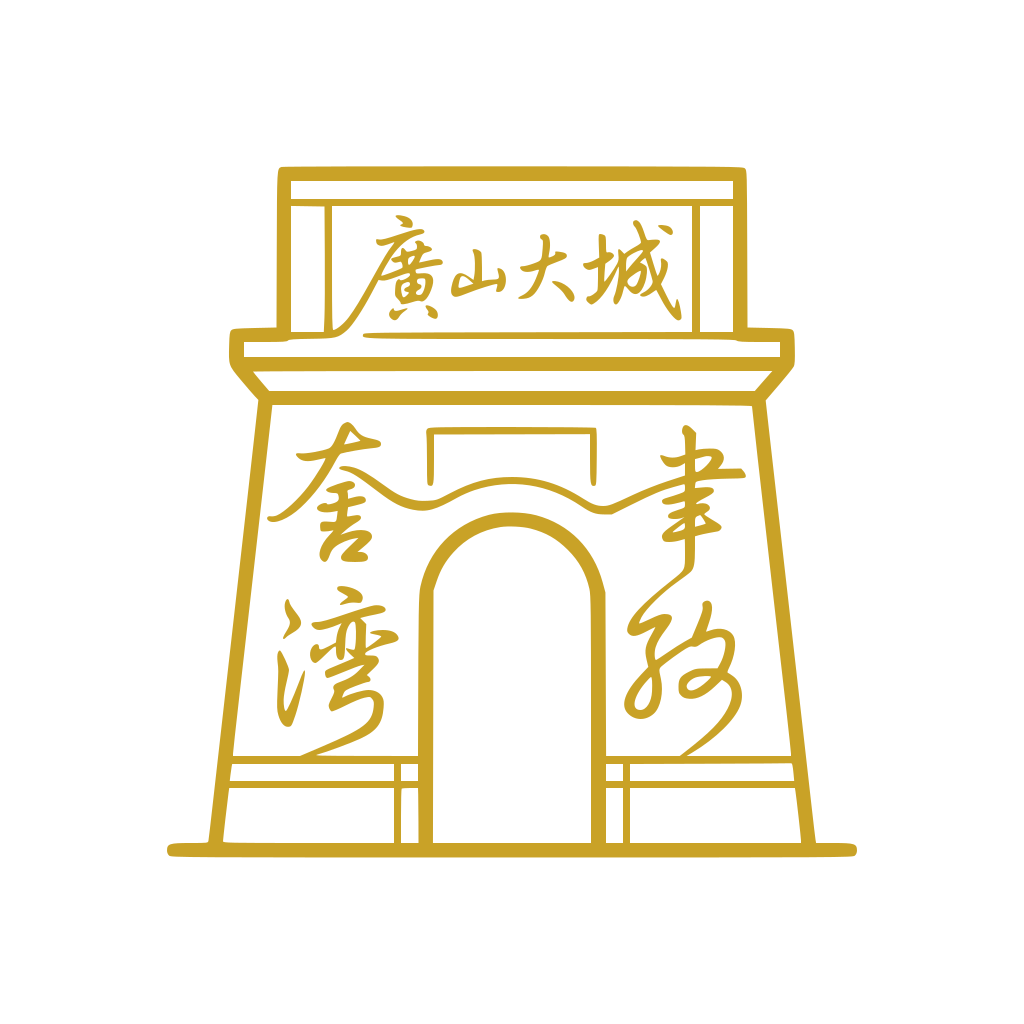
Chinese characters for 'House of the Lord' and 'Holiness to the Lord' are inscribed on the tower. These inscriptions reinforce the sacred purpose of the temple and its dedication to God.
Interesting Facts
The Taipei Taiwan Temple was the first temple built in Taiwan.
The temple is the third temple built in Asia.
The temple was built on a site that previously housed a prison and then a Latter-day Saint meetinghouse.
During the open house, the temple attracted over 16,000 visitors.
During the dedication, President Gordon B. Hinckley noted that the temple would 'open the prison doors of the veil of death,' referencing the site's history as a prison.
Citizens of Taipei have expressed admiration for the temple's beauty, with architecture students studying the building.
The temple was constructed with respect for local tradition, including the blue tile roof that complements nearby landmarks.
The announcement of the Taipei Taiwan Temple was made alongside announcements for temples in Boise, Denver, and Guayaquil.
At the time of the temple's dedication, there were only about 500 temple recommend holders in Taiwan.
The temple is situated just east of the National Chiang Kai-shek Memorial Hall.
The temple is part of a larger Church complex that includes a stake center, patron housing, and an office building.
Common Questions
What is the purpose of the Taipei Taiwan Temple?
The Taipei Taiwan Temple serves as a sacred space for members of The Church of Jesus Christ of Latter-day Saints to participate in religious ordinances, such as baptisms for the dead, endowments, and sealings, which unite families for eternity. These ordinances are central to the faith and provide opportunities for spiritual growth and a deeper connection with God.
When was the Taipei Taiwan Temple dedicated?
The Taipei Taiwan Temple was dedicated on November 17-18, 1984, by Gordon B. Hinckley.
Where is the Taipei Taiwan Temple located?
The Taipei Taiwan Temple is located at 256 Ai Kuo East Road, Taipei 10642, Taiwan.
Is there a visitors' center at the Taipei Taiwan Temple?
No, there is no dedicated visitors' center on-site. However, the temple grounds offer a peaceful environment for reflection.
What are some of the architectural features of the Taipei Taiwan Temple?
The Taipei Taiwan Temple is part of the Church's six-spire series. The exterior features white ceramic tile and a blue-tiled roof. The tallest spire is 126 feet high and is adorned with a statue of the angel Moroni. The temple's design reflects respect for local traditions, with the blue tile roof complementing the nearby National Chiang Kai-shek Memorial Hall.
What is the significance of temples in The Church of Jesus Christ of Latter-day Saints?
Temples are considered Houses of the Lord, distinct from meetinghouses or chapels used for regular Sunday services. Temples are dedicated to performing sacred ordinances that are essential to the faith and provide opportunities for spiritual growth and connection with God.
Featured Stories
The Dedication of the Taipei Taiwan Temple
November 17-18, 1984
The dedication of the Taipei Taiwan Temple was a momentous occasion for Latter-day Saints in Taiwan. Elder Gordon B. Hinckley presided over the dedication services, which were filled with spiritual power and gratitude. Members had long awaited the opportunity to have a temple in their own land, and the dedication marked the fulfillment of their dreams.
During the dedicatory prayer, Elder Hinckley expressed gratitude for the blessings that the temple would bring to the people of Taiwan. He prayed that the temple would be a beacon of light and truth, guiding individuals and families towards eternal life. He also acknowledged the sacrifices and faith of the members who had worked tirelessly to make the temple a reality.
The dedication services were attended by members from all over Taiwan, who traveled long distances to participate in this historic event. The atmosphere was filled with joy and reverence, as members felt the presence of the Holy Spirit and renewed their commitment to the gospel of Jesus Christ. The dedication of the Taipei Taiwan Temple marked a new chapter in the history of the Church in Taiwan, providing a sacred space for members to draw closer to God and strengthen their faith.
Source: The Church News
The Announcement of the Taipei Taiwan Temple
March 31, 1982
The announcement of the Taipei Taiwan Temple on March 31, 1982, brought immense joy and excitement to Latter-day Saints in Taiwan. The news was received with gratitude and anticipation, as members had long desired to have a temple in their own country. The announcement was made by Elder Gordon B. Hinckley, who had a special connection to Taiwan, having visited the country years earlier to find a location for a meetinghouse.
The announcement was significant not only for the members in Taiwan but also for the Church as a whole, as it marked the continued growth and expansion of the gospel in Asia. The Taipei Taiwan Temple would be the first temple in Taiwan and the third in Asia, demonstrating the Church's commitment to serving its members in this part of the world.
The announcement of the Taipei Taiwan Temple was a testament to the faith and dedication of the Latter-day Saints in Taiwan, who had worked tirelessly to build the Church in their country. Their prayers had been answered, and they looked forward with great anticipation to the day when they could enter the doors of the Taipei Taiwan Temple and participate in sacred ordinances.
Source: Newsroom, The Church of Jesus Christ of Latter-day Saints
The Construction of the Taipei Taiwan Temple
1982-1984
The construction of the Taipei Taiwan Temple was a remarkable undertaking that required careful planning, coordination, and dedication. The temple was built on a site that had previously housed a prison and then a Latter-day Saint meetinghouse, presenting unique challenges for the construction team. Despite these challenges, the construction progressed smoothly, thanks to the hard work and expertise of the builders and volunteers.
The temple's design reflected a blend of Western architectural principles with subtle nods to local Taiwanese aesthetics. The blue tile roof, for example, was chosen to complement the nearby National Chiang Kai-shek Memorial Hall, creating a visual connection to the surrounding cultural landscape. The temple's exterior was clad in white ceramic tile, providing a clean and bright appearance that symbolized purity and holiness.
The construction of the Taipei Taiwan Temple was a collaborative effort that involved members from all over Taiwan, who volunteered their time and talents to help build the House of the Lord. Their dedication and sacrifice were a testament to their faith and their love for the gospel of Jesus Christ. The completion of the Taipei Taiwan Temple was a cause for great celebration, as it marked the culmination of years of planning, preparation, and hard work.
Source: Church History Department
Timeline
Elder Gordon B. Hinckley Visits Taipei
Elder Gordon B. Hinckley visited Taipei to find a location for a meetinghouse, leading to the purchase of a site with an old prison.
MilestoneTaipei Taiwan Temple Announced
The announcement of the Taipei Taiwan Temple was made by Gordon B. Hinckley.
component.timeline.announcementGroundbreaking Ceremony Held
The groundbreaking ceremony took place with approximately 1,500 members in attendance.
component.timeline.groundbreakingPublic Open House Begins
The public open house was held, attracting over 16,000 visitors.
EventTemple Dedication
The temple was dedicated by Gordon B. Hinckley.
DedicationTemple Dedication
The temple was dedicated by Gordon B. Hinckley.
DedicationDistribution Center Expanded
The Distribution Center in Taipei expanded its selection of Church materials.
EventFirst Temple in Taiwan
The Taipei Taiwan Temple became the first temple in Taiwan.
MilestoneThird Temple in Asia
The Taipei Taiwan Temple became the third temple in Asia.
MilestoneTemple Opens Prison Doors
During the dedication, Gordon B. Hinckley noted that the temple would 'open the prison doors of the veil of death,' referencing the site's history as a prison.
DedicationCitizens Admire Temple
Citizens of Taipei expressed admiration for the temple's beauty, with architecture students studying the building.
EventAnnouncement with Other Temples
The announcement of the Taipei Taiwan Temple was made alongside announcements for temples in Boise, Denver, and Guayaquil.
component.timeline.announcementTemple Recommend Holders
At the time of the temple's dedication, there were only about 500 temple recommend holders in Taiwan.
MilestoneTemple Location
The temple is situated just east of the National Chiang Kai-shek Memorial Hall.
MilestonePart of Church Complex
The temple is part of a larger Church complex that includes a stake center, patron housing, and an office building.
MilestoneHistory by Decade
1960s — Early Church Presence
In 1960, Elder Gordon B. Hinckley, while assisting the Quorum of the Twelve Apostles, visited Taipei to find a location for a meetinghouse. A site with an old prison was purchased, marking an early step in establishing a stronger Church presence in Taiwan. This initial purchase laid the groundwork for future growth and development of the Church in the region.
1980s — Temple Announcement and Construction
The 1980s marked a significant milestone with the announcement of the Taipei Taiwan Temple on March 31, 1982, by Gordon B. Hinckley. The groundbreaking ceremony took place on August 26, 1982, with approximately 1,500 members in attendance, signifying the strong support and anticipation for the temple among the local Latter-day Saint community.
1984 — Temple Dedication
The Taipei Taiwan Temple was dedicated on November 17-18, 1984, by Gordon B. Hinckley. The public open house, held from October 30 to November 10, attracted over 16,000 visitors, showcasing the community's interest and respect for the temple. The dedication marked a new era for Latter-day Saints in Taiwan, providing a sacred space for worship and ordinances.
2010s — Continued Growth
In 2016, the Distribution Center in Taipei expanded its selection of Church materials, reflecting the continued growth and needs of the Latter-day Saint community in Taiwan. This expansion provided members with greater access to resources that support their faith and worship.
Architecture & Facilities
The Taipei Taiwan Temple showcases a blend of Western architectural design with subtle influences of local Taiwanese aesthetics. The temple is part of the Church's six-spire series, featuring a symmetrical layout and a prominent central spire. The exterior is clad in white ceramic tile, providing a clean and bright appearance, while the blue-tiled roof reflects a deliberate effort to harmonize with local architectural traditions.
Building Materials
Exterior Ceramic Tile
The exterior of the Taipei Taiwan Temple is clad in white ceramic tile, providing a clean and bright appearance that symbolizes purity and holiness. The ceramic tile is durable and weather-resistant, ensuring the temple's beauty for years to come.
Blue Roof Tiles
The blue roof tiles of the Taipei Taiwan Temple reflect a deliberate effort to harmonize with local architectural traditions. The blue tiles complement the nearby National Chiang Kai-shek Memorial Hall, creating a visual connection to the surrounding cultural landscape.
Reinforced Concrete
The structural framework of the Taipei Taiwan Temple is constructed of reinforced concrete, providing a strong and stable foundation for the building. The reinforced concrete is designed to withstand earthquakes and other natural disasters, ensuring the safety of the temple's occupants.
Interior Finishes
The interior of the Taipei Taiwan Temple is finished with high-quality materials, including marble, wood, and carpeting. These materials create a warm and inviting atmosphere, enhancing the spiritual experience for those who worship in the temple.
Interior Features
Baptistry
The baptistry is a sacred space where baptisms for the dead are performed. The font is typically made of white marble and is surrounded by beautiful artwork and furnishings.
Endowment Rooms
The endowment rooms are where members receive sacred instruction and make covenants with God. These rooms are designed to create a reverent and peaceful atmosphere, conducive to spiritual learning.
Sealing Rooms
The sealing rooms are where marriages are performed, uniting families for eternity. These rooms are decorated with beautiful artwork and furnishings, creating a special and memorable experience for couples and their families.
Celestial Room
The celestial room is a quiet and peaceful space where members can reflect and pray. This room is designed to evoke a sense of heaven on earth, providing a sanctuary from the cares of the world.
Temple Grounds
The temple grounds feature mature trees, terraced landscaping, and fountains, creating a peaceful and serene environment for visitors and members alike. The grounds are meticulously maintained, reflecting the sacred nature of the temple.
Religious Significance
The Taipei Taiwan Temple holds profound religious significance for members of The Church of Jesus Christ of Latter-day Saints. As a House of the Lord, it is a sacred space dedicated to performing ordinances that are essential for salvation and eternal life.
The primary purpose of the Taipei Taiwan Temple is to provide a place where members can participate in sacred ordinances, such as baptisms for the dead, endowments, and sealings, which unite families for eternity. These ordinances are central to the faith and provide opportunities for spiritual growth and a deeper connection with God.
Sacred Ordinances
Baptism for the Dead
Baptism for the dead is a vicarious ordinance performed in behalf of those who have died without the opportunity to be baptized. This ordinance allows deceased individuals to receive the blessings of baptism and become members of The Church of Jesus Christ of Latter-day Saints.
Endowment
The endowment is a sacred ordinance in which members receive instruction, make covenants with God, and are endowed with power from on high. This ordinance prepares members to receive eternal life and exaltation.
Sealing
The sealing ordinance unites families for eternity, binding husbands and wives, parents and children together in an eternal relationship. This ordinance ensures that families can be together forever, even after death.
The Temple as a House of the Lord
Temples are considered Houses of the Lord, distinct from meetinghouses or chapels used for regular Sunday services. Temples are dedicated to performing sacred ordinances that are essential to the faith and provide opportunities for spiritual growth and connection with God. The Taipei Taiwan Temple serves as a beacon of light and truth, guiding individuals and families towards eternal life.
The Temple and Eternal Families
The sealing ordinance performed in the Taipei Taiwan Temple unites families for eternity, binding husbands and wives, parents and children together in an eternal relationship. This ordinance ensures that families can be together forever, even after death. The temple is a place where families can strengthen their bonds of love and commitment, creating a legacy of faith and righteousness for generations to come.
Similar Temples
Sources & Research
Every fact on Temples.org is backed by verified Sources & Research. Each piece of information is rated by source tier and confidence level.
View All Sources (5)
| Field | Source | Tier | Retrieved |
|---|---|---|---|
| About & Historical Background | The Church of Jesus Christ of Latter-day Saints (opens in a new tab) | A | 2024-01-02 |
| About & Historical Background | Church of Jesus Christ Temples (opens in a new tab) | C | 2024-01-02 |
| Historical Timeline | The Church News (opens in a new tab) | B | 2024-01-02 |
| Announcement of the Taipei Taiwan Temple | Church Newsroom (opens in a new tab) | A | 2024-01-02 |
| Temple Dedication | Church History Department (opens in a new tab) | A | 2024-01-02 |