Visitor Insights
Visiting Ely Cathedral
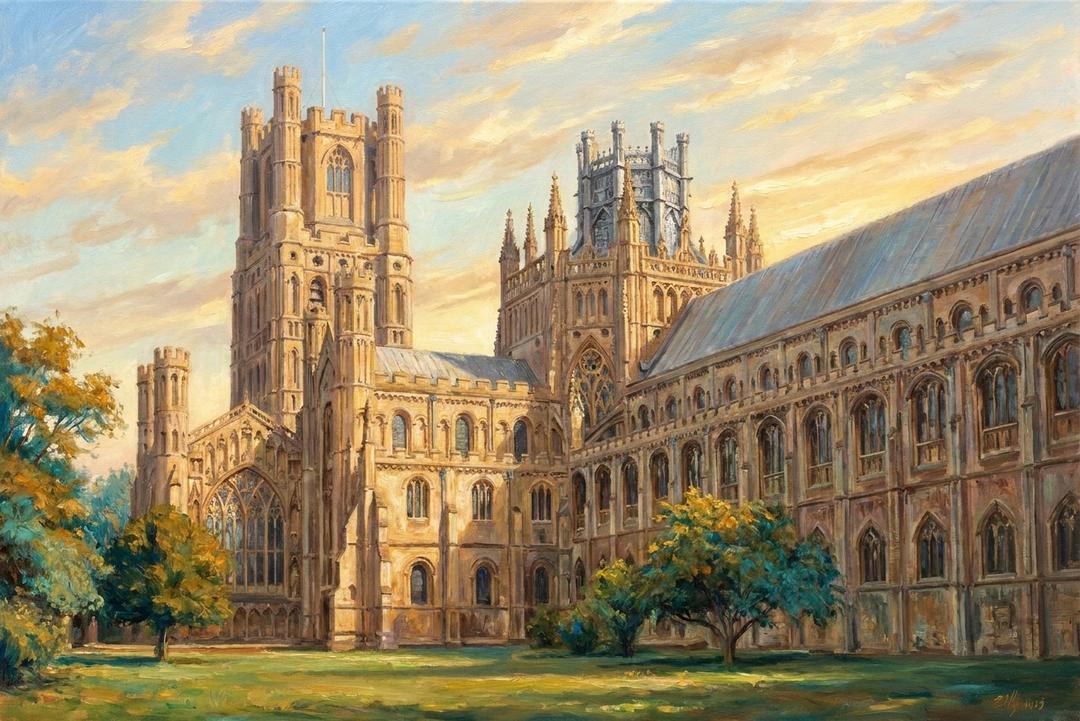
Ely Cathedral welcomes visitors into an immense, light-filled sacred space framed by majestic Romanesque arches and sweeping Gothic vistas. Daily services, organ recitals, and tower ascents offer profound cultural and spiritual engagement.
Highlights
- Gaze up into the timber Octagon lantern, illuminated by high clerestory windows.
- Marvel at the vast Lady Chapel, featuring the widest medieval stone vault in England.
- Explore The Stained Glass Museum located high in the South Triforium.
- Climb the West Tower or Octagon for sweeping views across the fenlands.
Things to Know
- Daily Choral Evensong takes place late afternoons and offers evocative acoustics.
- Ascending the Octagon and West towers requires advance booking and climbing steep spiral stone steps.
- Sightseeing hours are curtailed on Sundays to accommodate cathedral Eucharistic liturgies.
Location
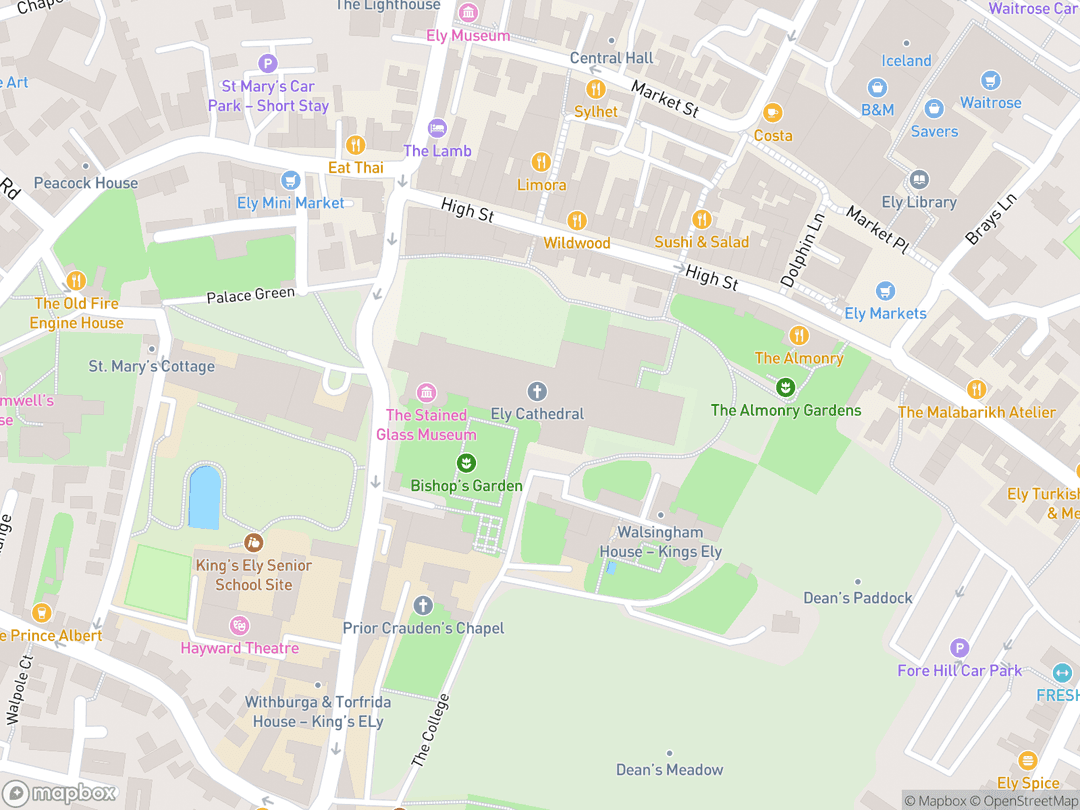
The Chapter House, The College, Ely, Cambridgeshire CB7 4DL, United Kingdom
Hours: Monday through Saturday from 10:00 AM to 4:00 PM; Sunday sightseeing from 12:30 PM to 3:30 PM
Getting There: Located a 10-minute walk uphill from Ely Railway Station, which offers direct rail links to London King's Cross and Cambridge.
Get DirectionsTips for Your Visit
Attend Choral Evensong
Sit in the choir stalls during weekday evensong to hear the cathedral choir in extraordinary acoustic resonance.
Book an Octagon Tower Tour
Reserve an Octagon tour to venture directly into the 14th-century roof space and see the giant cantilevered oak posts.
Visit Cherry Hill Park
Walk down through Cherry Hill Park for the classic exterior photography vantage point framing the south elevation.
About
Ely Cathedral, formally the Cathedral Church of the Holy and Undivided Trinity, stands as one of England's most magnificent medieval monuments. Originating as a monastic sanctuary founded by Saint Etheldreda in the seventh century, it evolved into an expansive Norman stronghold and episcopal seat within the Abrahamic Christian tradition.
Surging above the Cambridgeshire marshes, the cathedral is famed internationally as the 'Ship of the Fens.' Following the catastrophic collapse of its central Norman tower in 1322, master builders executed the unique timber Octagon lantern, creating an unmatched marvel of European Gothic carpentry and engineering.
Today, the cathedral serves as the mother church for the Anglican Diocese of Ely. It maintains an uninterrupted tradition of daily choral prayer, welcoming pilgrims, scholars, and visitors to experience its layered history of monastic endurance, spiritual renewal, and architectural wonder.
Gallery
Symbolic Elements
The temple's exterior features intricate carvings, each rich with spiritual meaning:
Christ in Majesty Ceiling Boss
The carved timber boss presiding over the lantern symbolizes Christ reigning over the heavenly cosmos.

The Octagon Plan
The eight-sided crossing evokes the Eighth Day of creation, representing resurrection and eternal life.

Tree of Jesse Ceiling
Vibrant ceiling paintings illustrate the messianic lineage from Jesse to the birth of Jesus Christ.
St. Etheldreda Capital Carvings
Eight stone narrative carvings depict the life, monastic dedication, and posthumous miracles of Etheldreda.

Defaced Lady Chapel Niches
Mutilated statues stand as a solemn monument to the theological transformations of the English Reformation.

Nodding Ogee Arches
S-curved stonework creates dynamic wave-like projections symbolizing divine beauty flowing through stone.

Bishop Alcock Rebus
Carved figures of a cockerel on a globe signify pastoral vigilance, apostolic watchfulness, and episcopal repentance.
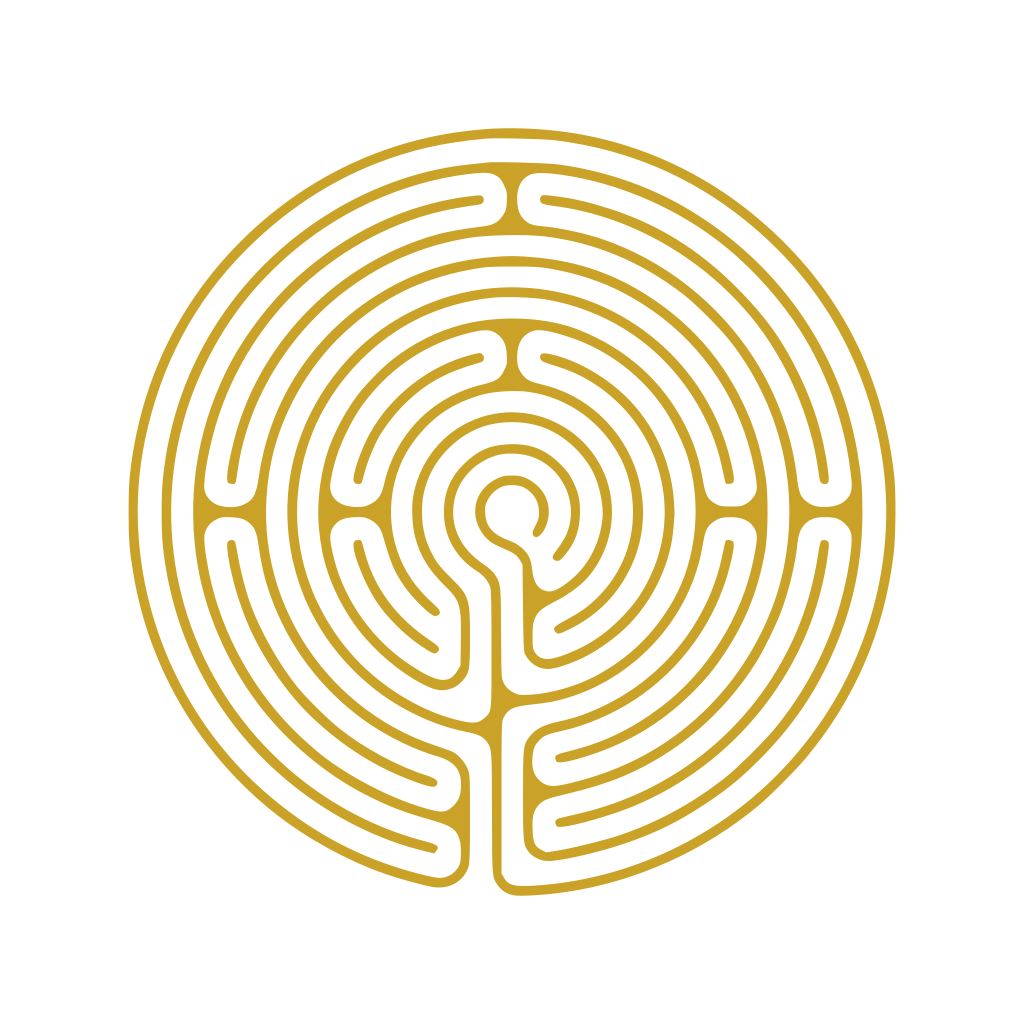
Nave Processional Labyrinth
Intricate floor tile labyrinths symbolize the Christian believer's meditative spiritual journey toward the heavenly Jerusalem.
Interesting Facts
The suspended wooden lantern over the central crossing weighs approximately 400 tons and rests on eight enormous oak posts. (Tier A)
The English word 'tawdry' derives from cheap lace neckbands historically sold at Ely during Saint Audrey's annual medieval fair. (Tier B)
Ely Cathedral frequently doubles for Westminster Abbey in film and television productions, including The Crown and The King's Speech. (Tier B)
The monumental silhouette of the cathedral appears between two metal sculpture heads on the cover of Pink Floyd's 1994 album The Division Bell. (Tier B)
The Lady Chapel contains the widest medieval stone-vaulted roof span in England without any interior supporting columns. (Tier A)
Oliver Cromwell lived in an adjacent timber-framed house and served as tithe farmer to the cathedral chapter during the 1630s. (Tier A)
Amateur Victorian artists formulated a special 'spirit fresco' incorporating lavender oil and beeswax to paint the massive nave ceiling. (Tier B)
The cathedral houses The Stained Glass Museum, the only institution in Britain exclusively devoted to rescued historic stained glass. (Tier A)
Common Questions
Why is Ely Cathedral called the Ship of the Fens?
It earned the title because its colossal silhouette rises dramatically over miles of surrounding flat agricultural marshland like a ship at sea.
Who founded the first church on this site?
Anglo-Saxon Queen and Saint Etheldreda established the original religious community here around the year 673.
What makes the central Octagon unique in medieval architecture?
It replaced four collapsed stone crossing piers with an open eight-sided space capped by a suspended wooden lantern weighing 400 tons.
Are services held regularly at Ely Cathedral?
Yes, the cathedral maintains active daily worship including Holy Communion, Morning Prayer, and Choral Evensong.
Can visitors climb the towers?
Guided tours regularly allow visitors to climb the West Tower and venture into the internal framework of the Octagon lantern.
Featured Stories
The Catastrophic Fall and Vision of the Octagon
February 22, 1322
When the Norman central tower crashed in ruins in 1322, the monks feared their beloved church was destroyed. Sacrist Alan of Walsingham daringly cleared the wreckage and swept away the traditional four crossing piers. Collaborating with royal carpenter William Hurley, he constructed the revolutionary Octagon, transforming structural catastrophe into medieval Europe's greatest architectural triumph.
Source: Ely Cathedral Archives
Saint Etheldreda and the Anglo-Saxon Sanctuary
673
Queen Etheldreda relinquished royal power and political marriage to establish a monastic sanctuary amid the inaccessible marshlands of Ely. Following her death, chronicles recorded that her body remained uncorrupted, turning her tomb into one of medieval England's premier pilgrimage destinations. Her spiritual legacy established Ely as an enduring beacon of Christian prayer.
Source: Venerable Bede, Ecclesiastical History of the English People
Cromwell's Confrontation in the Choir
January 10, 1644
During the upheaval of the English Civil War, Oliver Cromwell resided right beside the cathedral close. Objecting vehemently to ceremonial choral liturgies, Cromwell marched armed soldiers straight into the choir, demanding the service cease. When the clergyman courageously persisted, Cromwell ordered his troops to disperse the congregation and shuttered the sanctuary.
Source: Historical Manuscripts Commission
Timeline
Monastery Founded
Anglo-Saxon Queen Etheldreda founds a double monastery on the high ground of the Isle of Ely.
MilestoneTranslation of St. Etheldreda
Etheldreda's incorrupt body is translated into a Roman marble sarcophagus, inaugurating a major pilgrimage shrine.
MilestoneBenedictine Refoundation
Bishop Æthelwold of Winchester refounds the community as a Benedictine monastery under King Edgar.
MilestoneNorman Construction Begins
Abbot Simeon commences construction on the present Romanesque cathedral church.
component.timeline.groundbreakingDiocese of Ely Created
King Henry I and Pope Paschal II establish the See of Ely, elevating the abbey church to a cathedral.
MilestonePresbytery Dedication
King Henry III attends the formal consecration of Bishop Hugh of Northwold's Early English presbytery.
DedicationNorman Tower Collapses
The square Norman central tower collapses, prompting Alan of Walsingham to conceive the great Octagon.
EventCompletion of the Octagon
Royal Master Carpenter William Hurley finishes the suspended timber lantern of the Octagon.
MilestoneAlcock Chantry Completed
Bishop John Alcock completes his elaborate Perpendicular Gothic chantry chapel in the presbytery.
RenovationDissolution of the Priory
The Benedictine monastery surrenders to the crown under King Henry VIII, who refounds it as a secular chapter in 1541.
MilestoneCromwell Halts Services
Oliver Cromwell marches troops into the choir to halt un-parliamentary church services during the Civil War.
EventNave Ceiling Painted
Artists Henry Styleman Le Strange and Thomas Gambier Parry begin painting the monumental Tree of Jesse ceiling.
RenovationCathedral in Crisis Campaign
A major multi-million pound conservation program commences to restore deteriorating stonework and timber roofs.
RenovationHistory by Decade
670s–970s — Anglo-Saxon Abbey and Scandinavian Incursions
Saint Etheldreda established a double monastery for monks and nuns in 673 on the isolated Isle of Ely. After Danish Viking armies sacked the settlement in 870, a small community of priests maintained the shrine. In 970, Bishop Æthelwold of Winchester refounded it as a prosperous Benedictine monastery.
1080s–1100s — The Norman Conquest and Episcopal Elevation
Following Hereward the Wake's resistance on the Isle of Ely, Abbot Simeon began erecting a massive Romanesque church in 1083. In 1106, relics of Etheldreda were translated into the new Norman choir. By 1109, King Henry I created the See of Ely, making the church a cathedral.
1230s–1250s — The Early English Presbytery
Bishop Hugh of Northwold demolished the Norman apse to construct a breathtaking Early English Gothic presbytery to honor Saint Etheldreda's shrine. Adorned with polished Purbeck marble and crisp stiff-leaf foliage, the grand extension was solemnly dedicated in 1252 in the presence of King Henry III.
1320s–1340s — Collapse, the Octagon, and the Lady Chapel
The square Norman tower collapsed in 1322, crushing adjacent choir bays. Sacrist Alan of Walsingham and master carpenter William Hurley erected the colossal 74-foot-wide timber Octagon lantern. Concurrently, Master John of Wisbech erected the expansive Decorated Gothic Lady Chapel until the Black Death struck.
1530s–1650s — Reformation Iconoclasm and Civil War
In 1539, the Benedictine monastery surrendered to King Henry VIII, who refounded the institution as a secular chapter. The shrine of Saint Etheldreda was destroyed and statues in the Lady Chapel decapitated. During the Civil War, Oliver Cromwell suspended choral worship and quartered troops locally.
1840s–1870s — The Grand Victorian Restoration
Dean George Peacock and renowned architect Sir George Gilbert Scott orchestrated a comprehensive Victorian restoration. They stabilized the Octagon, renewed liturgical furnishings, and commissioned Henry Styleman Le Strange and Thomas Gambier Parry to paint the monumental Tree of Jesse ceiling.
Architecture & Facilities
Ely Cathedral represents a masterpiece of English medieval architecture, transitioning seamlessly from monumental 11th-century Anglo-Norman Romanesque to Early English lancet Gothic, Decorated Gothic innovation in the Octagon and Lady Chapel, and late Perpendicular Gothic chantry craft.
Building Materials
Barnack Stone
Oolitic limestone shipped by fenland barges from Northamptonshire for the primary Norman walls and piers.
Purbeck Marble
Polished dark fossiliferous stone from Dorset used for slender detached shafts, capitals, and base plinths.
English Oak
Massive seasoned oak trunks sourced from royal forests to construct the cantilevered framing of the Octagon.
Cast Lead Sheathing
Protective weatherproofing covering the broad low-pitched nave roofs and the exterior faceted envelope of the lantern.
Interior Features
The Norman Nave
Twelve grand Romanesque bays rising through three stories below a painted wooden ceiling.
The Octagon Crossing
An open octagonal central space where soaring timber ribs rise to a suspended glazed lantern.
The Lady Chapel
A vaulted hall spanning forty-six feet across with intricate wall arcades and nodding ogees.
The Presbytery and Retrochoir
Bishop Northwold's Early English shrine sanctuary featuring polished stone arcades and ribbed vaults.
Temple Grounds
The cathedral sits within a picturesque precinct of medieval collegiate buildings, sprawling greens, Cherry Hill Park, and cloisters.
Additional Facilities
Features The Stained Glass Museum in the South Triforium, visitor tea rooms, an education center, and a cathedral bookshop.
Religious Significance
Within Abrahamic Christian theology, Ely Cathedral is dedicated to the Holy and Undivided Trinity, serving as a sacramental sanctuary that foreshadows the New Jerusalem and embodies God's presence among humanity.
To serve as the episcopal seat for the Bishop of Ely, sustaining daily prayer, apostolic ministry, and sacramental life.
Sacred Ordinances
The Holy Eucharist
The central Christian sacrament celebrated daily, commemorating Christ's death and resurrection through bread and wine.
Choral Evensong and Daily Office
Daily choral recitation of psalms, scripture readings, and canticles according to the Book of Common Prayer.
Christian Pilgrimage
A centuries-old spiritual practice of journeying to Ely to pray, meditate, and seek spiritual renewal.
The Ark of the Fens
Like Noah's ark preservation in Genesis, Ely Cathedral was historically viewed as a vessel of salvation riding above the marshy fenland waters, symbolizing the church guiding souls through worldly trials toward heavenly life.
Similar Temples
Sources & Research
Every fact on Temples.org is backed by verified Sources & Research. Each piece of information is rated by source tier and confidence level.
View All Sources (8)
| Field | Source | Tier | Retrieved |
|---|---|---|---|
| About & Historical Background | The Chapter of Ely Cathedral (opens in a new tab) | A | 2026-03-31 |
| Diocesan Ecclesiology & Governance | Diocese of Ely (opens in a new tab) | A | 2026-03-31 |
| Architectural Listing & Conservation | Historic England (opens in a new tab) | A | 2026-03-31 |
| Anglican Liturgy & Cathedral Worship | The Church of England (opens in a new tab) | A | 2026-03-31 |
| The Stained Glass Museum Collections | The Stained Glass Museum (opens in a new tab) | B | 2026-03-31 |
| Medieval Fenland History & Architecture | University of Cambridge (opens in a new tab) | B | 2026-03-31 |
| Regional Heritage & Preservation | National Trust (opens in a new tab) | B | 2026-03-31 |
| Visitor Access & Regional Tourism | Visit Ely (opens in a new tab) | D | 2026-03-31 |