Visitor Insights
Visiting Montevideo Uruguay Temple
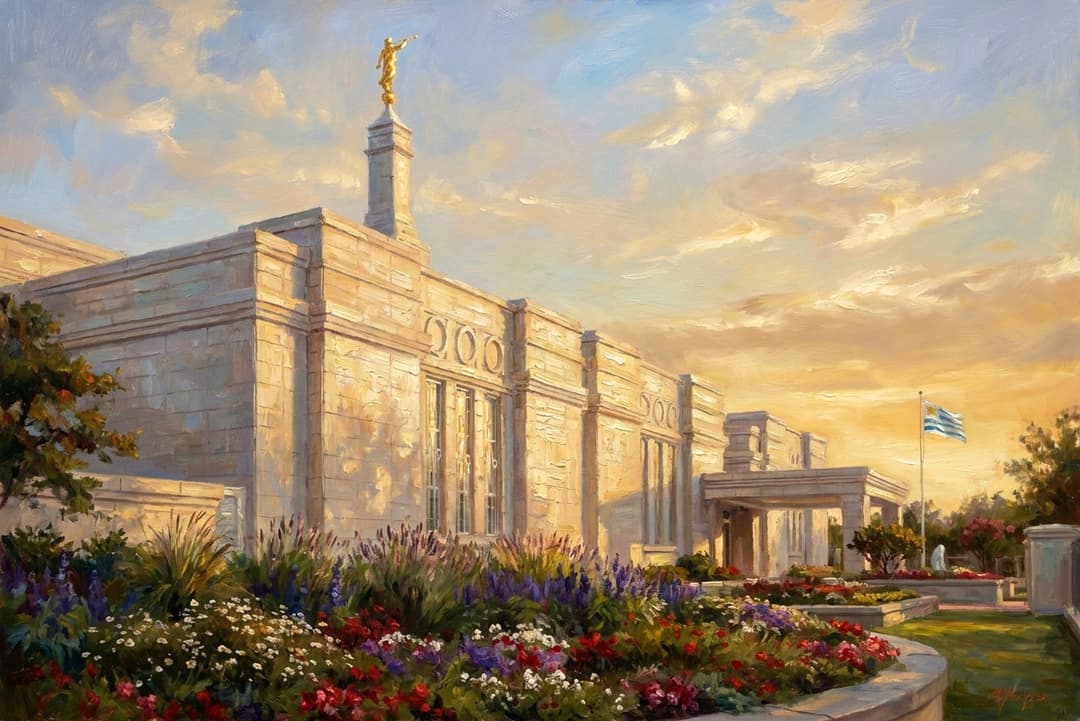
The Montevideo Uruguay Temple grounds are open to the public, offering a serene environment for contemplation and enjoyment. While the temple interior is reserved for members with a current temple recommend, visitors are welcome to walk the beautifully landscaped gardens.
Highlights
- Enjoy the tranquil temple grounds adorned with native flora.
- Observe the exterior architecture and the Angel Moroni statue.
- Patron housing and a distribution center are available on site.
Things to Know
- Check the official temple schedule for current operating hours and closure dates.
- The temple interior is not open for public tours outside of designated open house periods.
Location
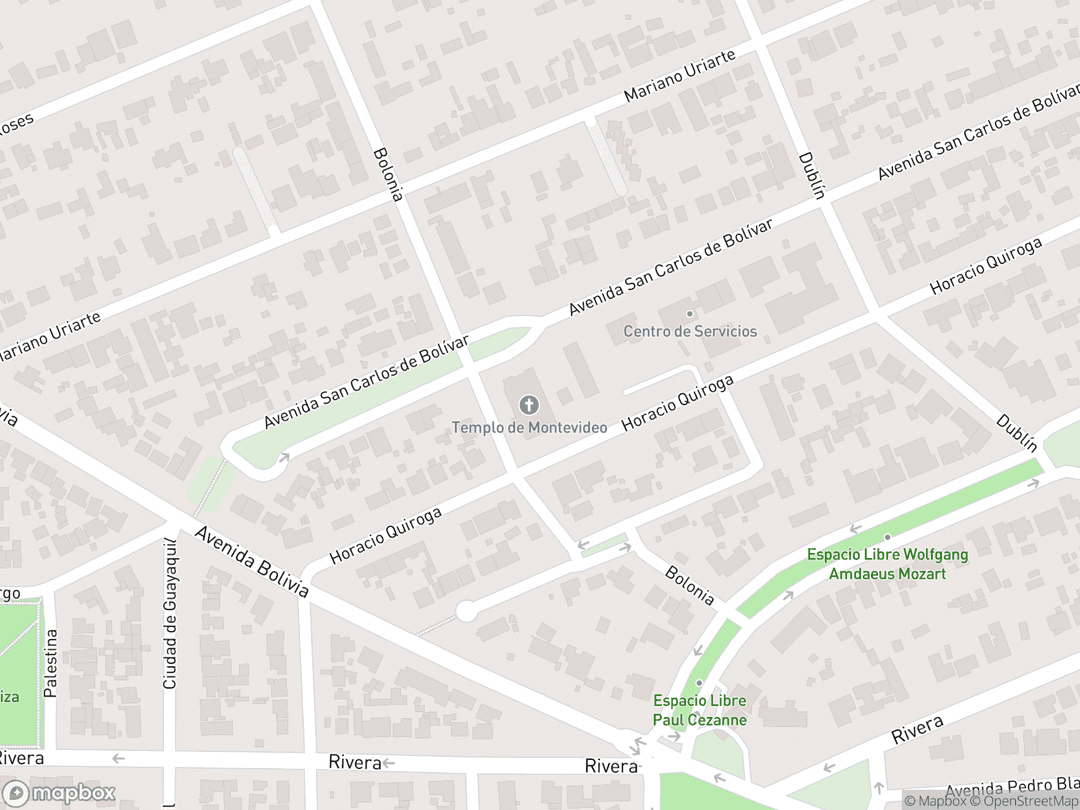
Bolonia 1722, Carrasco 11500, Montevideo, Uruguay
Hours: Typically open Wednesday to Friday, 9:00 AM to 10:15 PM, and Saturday, 7:30 AM to 6:15 PM. Closed Mondays and Tuesdays.
Getting There: Located in the Carrasco neighborhood of Montevideo, accessible by local transportation. Parking is available on site.
Get DirectionsTips for Your Visit
Explore the Gardens
Take time to walk through the meticulously maintained grounds, which feature a variety of local plants and flowers.
Respect Sacred Space
While on the grounds, please maintain a respectful demeanor, as the temple is considered a sacred place of worship.
About
The Montevideo Uruguay Temple stands as a beacon of faith in the Carrasco neighborhood of Montevideo, Uruguay. Dedicated on March 18, 2001, by Church President Gordon B. Hinckley, it was the first Latter-day Saint temple dedicated in the 21st century. This temple serves as a sacred space where members of The Church of Jesus Christ of Latter-day Saints participate in ordinances and make covenants with God.
Its construction marked a significant milestone for the growing Church in Uruguay, providing a closer place of worship for members who previously traveled long distances to Argentina. The temple's presence reflects the enduring commitment of Latter-day Saints to their Christian faith and their desire to strengthen families and communities through sacred worship.
Gallery
Symbolic Elements
The temple's exterior features intricate carvings, each rich with spiritual meaning:

Angel Moroni
Perched atop the spire, the gold-leafed Angel Moroni symbolizes the restoration of the gospel and its proclamation to the world.

Asa Branca Granite
The durable asa branca granite exterior symbolizes strength, purity, and the enduring nature of divine covenants.

Circle Motifs
Subtle circle motifs above the windows represent eternal life and the never-ending love of God.

Single Spire
The single spire reaching heavenward signifies a connection between earth and heaven, pointing towards God.

Temple Layout
The internal progression through various rooms represents a spiritual journey of growth and return to God's presence.
Celestial Room
The Celestial Room symbolizes heaven, eternal peace, and the presence of God, serving as the culmination of the temple experience.

Lush Grounds
The temple grounds, adorned with palm trees and vibrant flowers, symbolize the beauty and peace associated with sacred spaces.
Interesting Facts
The Montevideo Uruguay Temple was the first temple built in Uruguay, marking a significant religious milestone (Tier A).
It holds the distinction of being the 103rd operating temple of The Church of Jesus Christ of Latter-day Saints worldwide (Tier A).
The temple was the first Latter-day Saint temple to be dedicated in the 21st century, ushering in a new era of temple building (Tier A).
The site for the temple was acquired by the Church in the 1960s and was locally known as 'Mormon grounds' for decades prior to its announcement (Tier C).
During the public open house, nearly 25,000 people toured the temple, including then-Uruguayan President Jorge Batlle (Tier A).
The dedication significantly reduced the travel burden for Uruguayan members, who previously traveled over 72 hours to Argentina for temple worship (Tier A).
Elder Richard G. Scott, who presided over the groundbreaking, had served as a missionary in Uruguay 48 years prior, making the event deeply personal (Tier A).
President Gordon B. Hinckley's dedicatory prayer included a blessing for the nation of Uruguay, acknowledging its significance (Tier A).
Common Questions
Who can enter the Montevideo Uruguay Temple?
The temple interior is reserved for members of The Church of Jesus Christ of Latter-day Saints who hold a current temple recommend.
Are the temple grounds open to the public?
Yes, the beautifully landscaped temple grounds are open to the public for quiet contemplation and enjoyment.
Is there a visitors' center at the temple?
While there is no dedicated visitors' center, an arrival center is available on site with an area to change clothes.
What is the significance of the Angel Moroni statue?
The Angel Moroni symbolizes the restoration of the gospel and the spreading of its message throughout the world.
When was the Montevideo Uruguay Temple dedicated?
The Montevideo Uruguay Temple was dedicated on March 18, 2001, by Church President Gordon B. Hinckley.
Featured Stories
A Missionary's Return to Uruguay
April 27, 1999
Elder Richard G. Scott of the Quorum of the Twelve Apostles presided over the groundbreaking ceremony for the Montevideo Uruguay Temple. This event held deep personal significance for him, as he had served as a missionary in Uruguay 48 years prior. His return to dedicate a temple in a land he loved was a treasured experience, symbolizing the growth of the Church.
The First Temple of the 21st Century
March 18, 2001
The dedication of the Montevideo Uruguay Temple by Church President Gordon B. Hinckley marked a historic moment as the first Latter-day Saint temple dedicated in the 21st century. This event ushered in a new era of temple building and accessibility for members worldwide. Over 7,600 members attended the four dedicatory sessions, celebrating this spiritual milestone.
A Blessing for Uruguayan Members
March 18, 2001
The Montevideo Uruguay Temple significantly reduced the travel burden for Uruguayan members, who previously endured arduous journeys of over 72 hours by automobile to attend the Buenos Aires Argentina Temple. Its dedication brought sacred ordinances closer to home, strengthening families and communities. President Hinckley's dedicatory prayer included a special blessing for the nation of Uruguay, acknowledging the temple's profound impact.
Timeline
First Branch Organized
The first branch of The Church of Jesus Christ of Latter-day Saints in Uruguay was organized in Montevideo.
EventUruguay Mission Established
Uruguay became the third South American nation to host a mission of the Church, following Argentina and Brazil.
MilestoneProperty Acquisition
The Church acquired the property in Carrasco, locally known as 'Mormon grounds,' where the temple now stands.
EventMormon Block Constructed
The 'Mormon Block' was constructed in Carrasco to house building missionaries, establishing a Church presence.
MilestoneTemple Announced
The First Presidency announced plans to construct a temple in Montevideo, bringing temple worship closer to members.
component.timeline.announcementGroundbreaking Ceremony
Elder Richard G. Scott, a former missionary in Uruguay, presided over the groundbreaking ceremony, attended by 900 people.
component.timeline.groundbreakingPublic Open House Begins
A public open house commenced, allowing nearly 25,000 visitors, including the Uruguayan President, to tour the temple.
EventTemple Dedicated
Church President Gordon B. Hinckley dedicated the temple in four sessions, marking the first Latter-day Saint temple dedication of the 21st century.
DedicationTemporary Closure
The temple temporarily closed due to the global coronavirus pandemic, affecting operations worldwide.
EventHistory by Decade
1940s — Early Church Growth
The seeds of The Church of Jesus Christ of Latter-day Saints were sown in Uruguay during the 1940s. In 1944, the first branch (a small congregation) was organized in Montevideo, marking the formal establishment of the Church in the nation. By 1948, Uruguay became the third South American country to host a mission, signifying growing membership and missionary efforts.
1960s — Establishing a Presence
During the 1960s, the Church acquired the land in the Carrasco neighborhood of Montevideo that would eventually become the temple site, locally known as "Mormon grounds." In 1961, the "Mormon Block" was constructed on this site, providing housing for building missionaries and further solidifying the Church's presence in the community. This early investment laid the groundwork for future expansion.
1990s — Temple Announcement and Groundbreaking
A pivotal moment arrived on November 2, 1998, with the announcement of plans to construct a temple in Montevideo, a joyous occasion for local members. This meant an end to long journeys to Argentina for temple worship. On April 27, 1999, Elder Richard G. Scott, a former missionary to Uruguay, presided over the groundbreaking ceremony, attended by approximately 900 people, marking the official start of construction.
2000s — Dedication and Operation
The completed temple opened its doors for a public open house from February 28 to March 10, 2001, welcoming nearly 25,000 visitors, including then-Uruguayan President Jorge Batlle. On March 18, 2001, President Gordon B. Hinckley dedicated the Montevideo Uruguay Temple in four sessions, making it the 103rd operating temple worldwide and the first dedicated in the 21st century. The temple has since served as a spiritual anchor for Latter-day Saints in the region.
2020s — Continued Service
Like many public and religious institutions globally, the Montevideo Uruguay Temple temporarily closed in 2020 due to the global coronavirus pandemic. Following health guidelines, it later resumed operations, continuing its sacred mission to provide a place of worship and covenant-making for members of The Church of Jesus Christ of Latter-day Saints.
Architecture & Facilities
The Montevideo Uruguay Temple is designed in a classic modern style, characterized by its clean lines, elegant proportions, and a sense of understated dignity. This architectural approach blends contemporary aesthetics with traditional temple elements, creating a timeless and reverent structure that harmonizes with its surroundings in the Carrasco neighborhood. The design emphasizes simplicity and spiritual focus, reflecting the sacred purpose of the edifice.
Building Materials
Exterior
The temple's exterior is finished with durable asa branca granite, known for its light color and ability to withstand the elements, symbolizing purity and strength.
Interior
The interior features high-quality finishes, including fine woods, stone, and fabrics, creating an atmosphere of peace and reverence for worship.
Interior Features
Baptistry
The baptistry includes a font resting on twelve oxen, used for proxy baptisms for the deceased, symbolizing the twelve tribes of Israel.
Instruction Rooms
Two instruction rooms are designed for two-stage progressive endowment sessions, guiding patrons through sacred teachings and covenants.
Sealing Rooms
Two sealing rooms provide a sacred space where families can be eternally united through divine covenants.
Celestial Room
The Celestial Room, representing heaven and eternal peace, is a beautiful, light-filled space for quiet contemplation and communion with God.
Temple Grounds
The lush temple grounds are meticulously landscaped with palm trees, native shrubs, and brightly colored flowers, creating a serene and inviting environment for visitors and patrons.
Additional Facilities
The temple shares its city block with other Church-owned facilities, including a meetinghouse, a patron housing facility, two mission homes, a regional service center, and a distribution center for Church materials.
Religious Significance
As a temple of The Church of Jesus Christ of Latter-day Saints, the Montevideo Uruguay Temple serves as a sacred house of the Lord, distinct from regular chapels or meetinghouses. It is a place dedicated to the highest ordinances and covenants of the restored gospel of Jesus Christ, where members draw closer to God and learn of His eternal plan.
The core spiritual purpose of the temple is to provide a place where Latter-day Saints can make and renew sacred covenants with God, receive divine instruction, and participate in ordinances that are essential for eternal progression and family unity.
Sacred Ordinances
Baptism for the Dead
Members perform proxy baptisms on behalf of their deceased ancestors, offering them the opportunity to accept saving ordinances beyond the veil.
Endowment
The endowment is a series of sacred instructions and covenants that provide spiritual power, knowledge, and blessings to worthy members.
Sealing
Families are sealed together for time and all eternity, signifying that relationships can continue beyond mortal life through the power of the priesthood.
Covenant Path
The temple experience guides individuals along a covenant path, symbolizing their journey back to the presence of God through obedience and faithfulness to sacred promises.
Eternal Families
A central doctrine taught and practiced in the temple is that families can be eternal, providing hope and comfort regarding relationships that transcend death.
Similar Temples
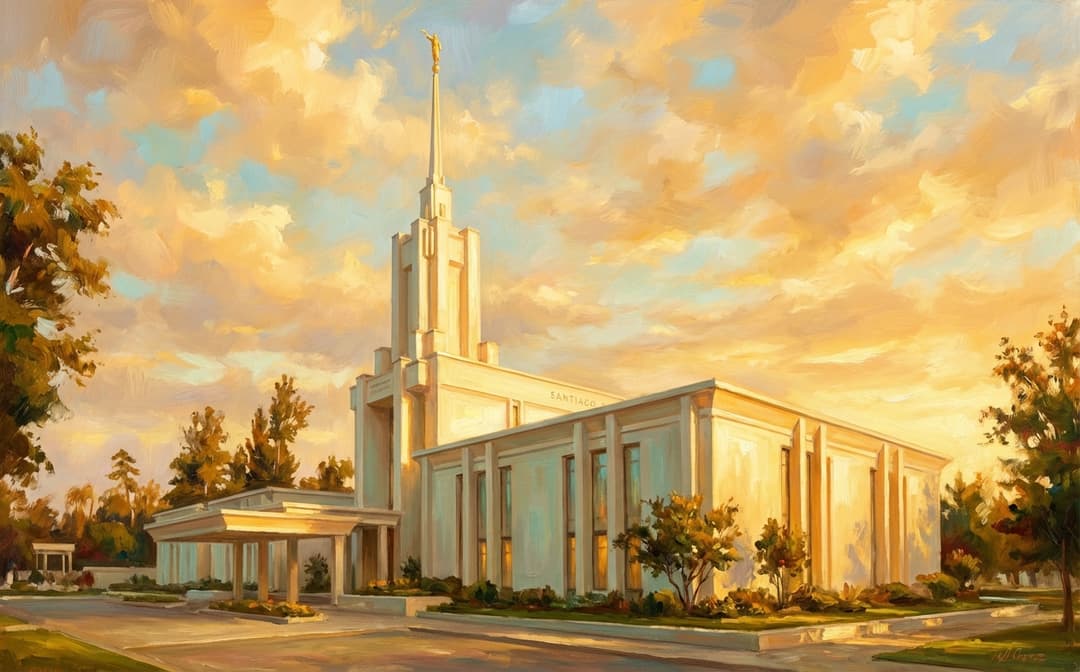
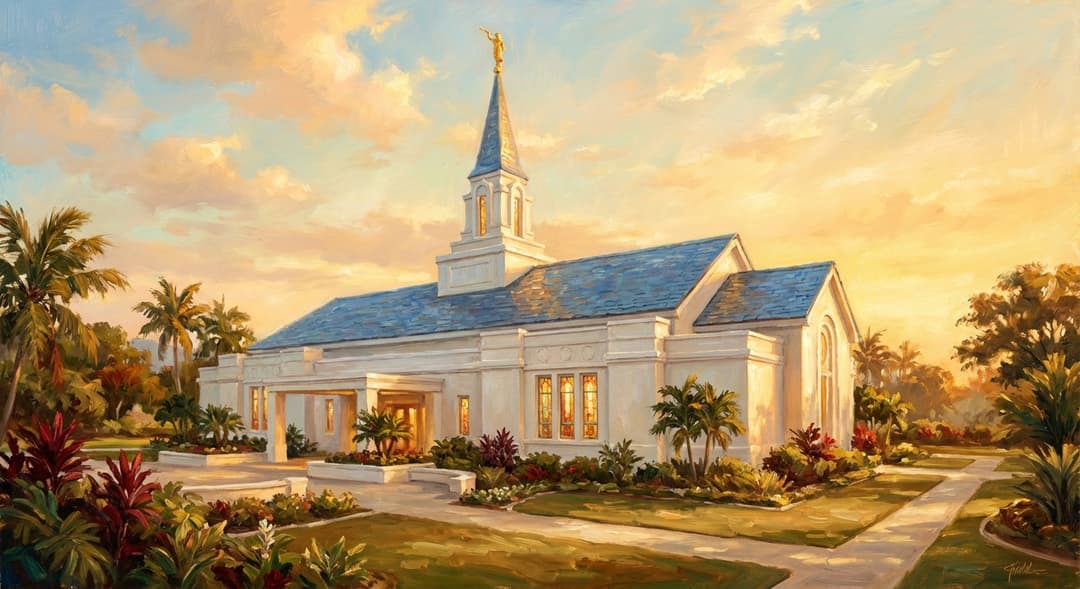
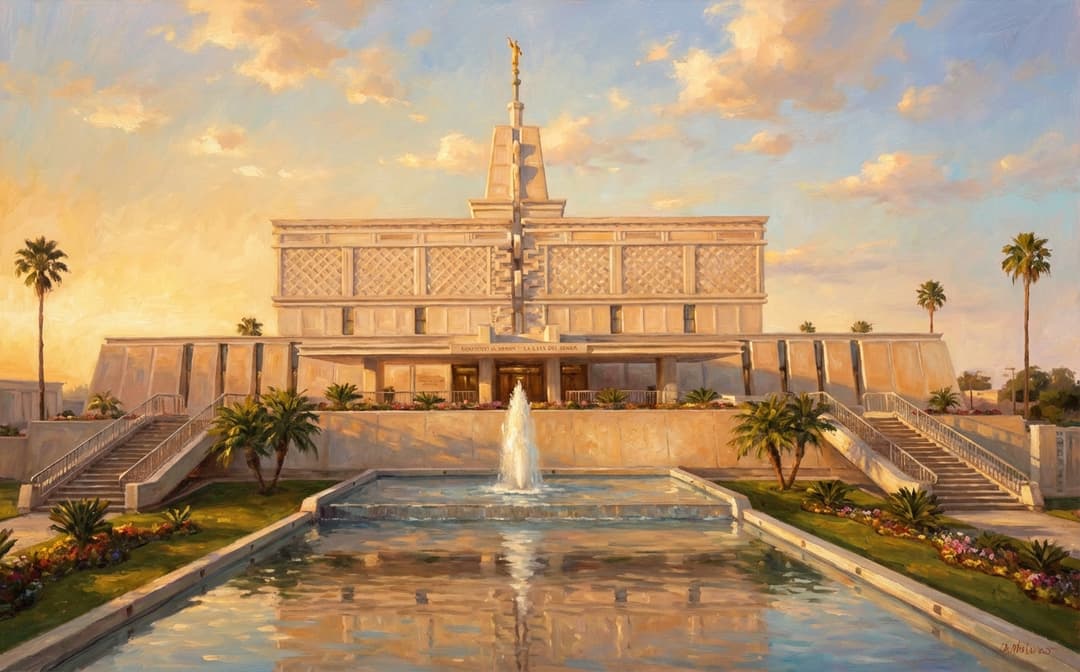
Sources & Research
Every fact on Temples.org is backed by verified Sources & Research. Each piece of information is rated by source tier and confidence level.
View All Sources (7)
| Field | Source | Tier | Retrieved |
|---|---|---|---|
| Dedication & Open House | The Church News (opens in a new tab) | B | 2024-05-15 |
| Architectural Details | ChurchofJesusChristTemples.org (opens in a new tab) | C | 2024-05-15 |
| Historical Context | Photogent (opens in a new tab) | C | 2024-05-15 |
| Visitor Information | The Church of Jesus Christ of Latter-day Saints (opens in a new tab) | A | 2024-05-15 |
| General Overview | Kiddle (opens in a new tab) | C | 2024-05-15 |
| Operating Hours | ShowMeLocal (opens in a new tab) | D | 2024-05-15 |
| Interesting Facts | Temple Passport (opens in a new tab) | C | 2024-05-15 |