Visitor Insights
Visiting Papeete Tahiti Temple
Visiting the Papeete Tahiti Temple offers a serene and spiritual experience. The temple grounds are beautifully maintained, providing a peaceful environment for reflection. Visitors can stroll through the gardens, admire the architecture, and feel the spirit of the temple. While there is no visitors' center, the grounds are open to the public, and the nearby arrival center provides a place to change clothes for those attending temple sessions.
Highlights
- Strolling through the beautifully landscaped gardens.
- Admiring the unique blend of European and Polynesian architectural styles.
- Experiencing the peaceful and spiritual atmosphere of the temple grounds.
Things to Know
- There is no visitors' center on site.
- Modest dress is required when visiting the temple grounds.
- Check the temple schedule for session times and availability.
Location
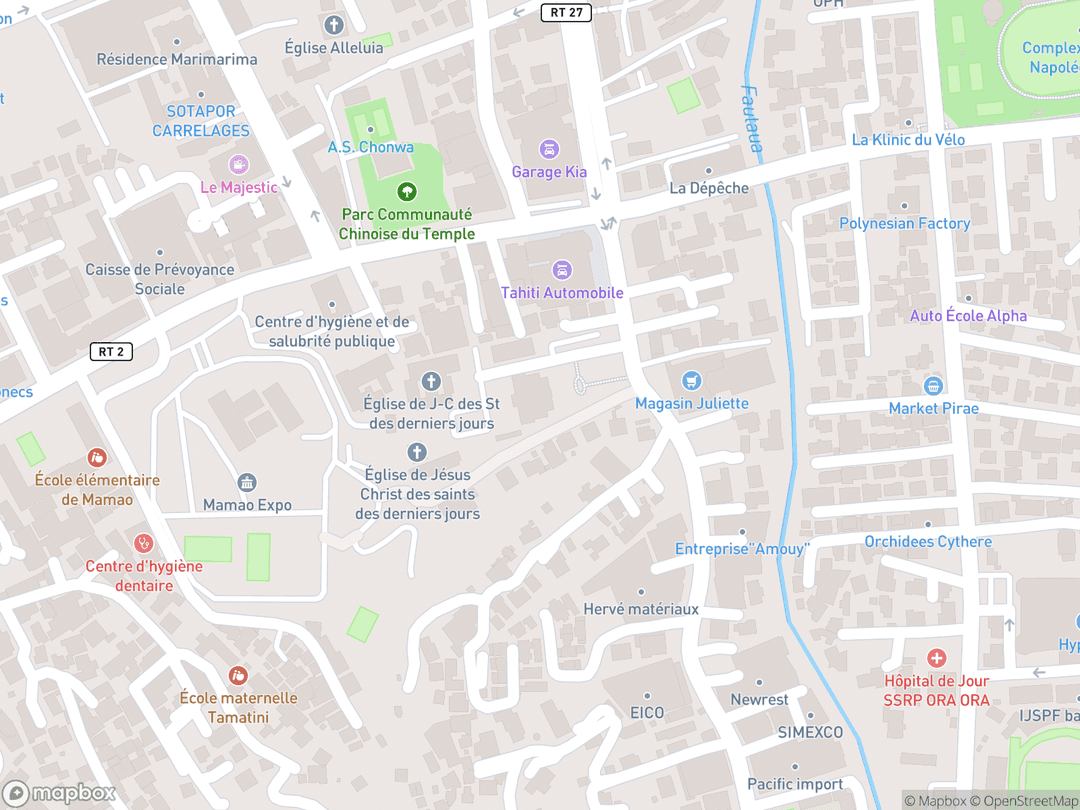
Route de la Fautaua-Titioro Commune de Papeete, Tahiti 98713, French Polynesia
Hours: Check the official temple website for the current schedule.
Getting There: The temple is located in Pirae, near Papeete. You can reach it by public bus, taxi, or car. From the center of Papeete, take the bus heading towards 'Fautaua' or 'Pirae.' Get off at the stop closest to Route De Fautaua Titioro and walk approximately 1.5 kilometers uphill. Taxis and ride-sharing services are also readily available in Papeete.
Get DirectionsAbout
According to The Church of Jesus Christ of Latter-day Saints, the Papeete Tahiti Temple is an operating temple dedicated in 1983 and rededicated in 2006, serving as a spiritual sanctuary for members in French Polynesia and the surrounding islands. Its presence symbolizes the Church's deep commitment to the people of the Pacific and their enduring faith.
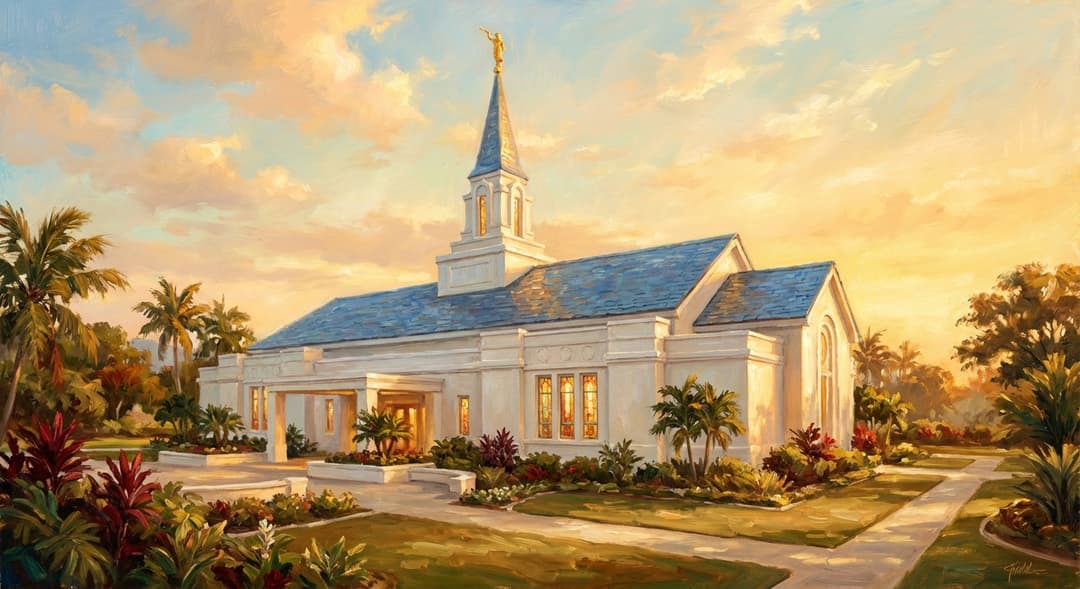
The temple's architecture blends European and Polynesian influences, creating a unique and harmonious design. The exterior, finished with painted plaster over stucco using imported white sand, reflects the natural beauty of the island. The single spire, capped with a gold-leafed statue of the angel Moroni, stands as a testament to the temple's sacred purpose.
Throughout its history, the Papeete Tahiti Temple has undergone renovations and expansions to better serve the needs of its patrons. These improvements have ensured that the temple remains a place of reverence and spiritual growth for generations to come. The temple grounds, adorned with tropical gardens and palm trees, provide a tranquil setting for reflection and worship.
Gallery
Symbolic Elements
The temple's exterior features intricate carvings, each rich with spiritual meaning:

Angel Moroni Statue
The angel Moroni statue, which stands atop the spire of the Papeete Tahiti Temple, is a symbol of the restored gospel of Jesus Christ. It represents the angel mentioned in the Book of Revelation who was sent to declare the everlasting gospel to all nations. The statue faces eastward, signifying the anticipation of Christ's Second Coming.

Blue Slate Tile Roof
The blue slate tile roof of the temple is not only an architectural feature but also a symbolic element. The color blue is often associated with heaven and divinity, representing the sacred nature of the temple. The durable slate material signifies the enduring and eternal covenants made within the temple walls.

Stained-Glass Windows
The stained-glass windows that adorn the façade of the Papeete Tahiti Temple are both decorative and symbolic. The intricate designs and vibrant colors create a beautiful and inspiring atmosphere within the temple. The light that filters through the stained glass represents the light of Christ, illuminating the path to eternal life.

Single Spire
The single spire of the Papeete Tahiti Temple is a prominent architectural feature that draws the eye upward. It symbolizes the connection between heaven and earth, representing the temple as a place where individuals can draw closer to God. The spire serves as a beacon of hope and faith for members of the Church.

Tropical Gardens
The lush tropical gardens that surround the Papeete Tahiti Temple create a peaceful and serene environment. The vibrant colors and fragrant blossoms of the local flora symbolize the beauty and abundance of God's creations. The gardens provide a tranquil space for reflection and meditation.

Celestial Room
The celestial room within the Papeete Tahiti Temple represents heaven on earth. It is a place of peace, beauty, and light, where members can feel closer to God. The room is often decorated with elegant furnishings and artwork, creating a serene and inspiring atmosphere.

Baptistry
The baptistry in the Papeete Tahiti Temple is where baptisms for the dead are performed. This ordinance provides the opportunity for those who have passed on without the chance to be baptized to accept the gospel of Jesus Christ. The font is supported by twelve oxen, representing the twelve tribes of Israel.

Sealing Rooms
Sealing rooms are sacred spaces within the temple where marriages are performed, uniting families for eternity. These rooms are designed to create a reverent and peaceful atmosphere, where couples can make eternal covenants with each other and with God. The sealing ordinance is a central part of Latter-day Saint beliefs about the eternal nature of families.
Interesting Facts
The Papeete Tahiti Temple is the 25th operating temple of The Church of Jesus Christ of Latter-day Saints.
It was the first temple built in French Polynesia, marking a significant milestone for the Church in the Pacific.
Before its construction, members in Tahiti had to travel to New Zealand to attend a temple, demonstrating their dedication and sacrifice.
The first Latter-day Saint missionaries arrived in French Polynesia in 1844, marking the first mission where missionaries taught in a language other than English.
In 1976, President Spencer W. Kimball announced that he would travel to Tahiti for a conference, and many Church members traveled days in small boats to attend.
The groundbreaking for the Tahiti temple was followed by groundbreakings for temples in Nuku'alofa, Tonga, and Apia, Western Samoa, all announced on the same day.
During the public open house that preceded the rededication of the Papeete Tahiti Temple, 36,800 people partook of the heavenly setting inside the renovated building.
The temple was rededicated 23 years after its original dedication, symbolizing its enduring importance to the community.
Common Questions
What is the purpose of the Papeete Tahiti Temple?
The Papeete Tahiti Temple serves as a sacred place where members of The Church of Jesus Christ of Latter-day Saints can make covenants with God, participate in ordinances such as baptisms for the dead and eternal marriages, and strengthen their faith. It is a house of the Lord, set apart for holy purposes.
Can anyone visit the Papeete Tahiti Temple?
While the temple itself is reserved for members of The Church of Jesus Christ of Latter-day Saints who are in good standing, the temple grounds are open to the public. Visitors can stroll through the gardens, admire the architecture, and enjoy the peaceful atmosphere.
What should I wear when visiting the Papeete Tahiti Temple grounds?
When visiting the temple grounds, it is recommended to dress modestly and respectfully. This shows reverence for the sacred nature of the site and helps maintain a peaceful environment for all visitors.
Are there any special events held at the Papeete Tahiti Temple?
The Papeete Tahiti Temple occasionally hosts open houses and other special events. Check the official website of The Church of Jesus Christ of Latter-day Saints for information on upcoming events.
How can I learn more about the Papeete Tahiti Temple and The Church of Jesus Christ of Latter-day Saints?
You can learn more about the Papeete Tahiti Temple and The Church of Jesus Christ of Latter-day Saints by visiting the official Church website, talking to members of the Church, or visiting a local meetinghouse.
Related Stories
Explore the rich history, traditions, and people connected to this sacred site.
Featured Stories
The Announcement of the Papeete Tahiti Temple
April 2, 1980
The announcement of the Papeete Tahiti Temple on April 2, 1980, was met with joyous celebration by members of The Church of Jesus Christ of Latter-day Saints in French Polynesia. For years, faithful Saints had traveled long distances to temples in other countries, enduring significant sacrifices to participate in sacred ordinances. The prospect of having a temple in their own land filled them with hope and gratitude.
The announcement was particularly poignant because it replaced earlier plans for a regional temple in Pago Pago, American Samoa. The decision to build smaller temples in Apia, Samoa; Nuku'alofa, Tonga; and Papeete, Tahiti, demonstrated the Church's commitment to bringing the blessings of the temple closer to its members in the Pacific. This change reflected a deep understanding of the needs and circumstances of the Saints in these island nations.
The news spread quickly throughout the islands, uniting members in a shared sense of purpose and anticipation. They eagerly looked forward to the day when they could enter the doors of the Papeete Tahiti Temple and experience the blessings of eternity. The announcement marked a turning point in the history of the Church in French Polynesia, solidifying its presence and strengthening the faith of its members.
Source: newsroom.churchofjesuschrist.org
The Dedication of the Papeete Tahiti Temple
October 27–29, 1983
The dedication of the Papeete Tahiti Temple from October 27–29, 1983, was a momentous occasion for the Saints in French Polynesia. Presided over by Elder Gordon B. Hinckley, then a member of the Quorum of the Twelve Apostles, the dedication ceremonies were filled with spiritual power and deep emotion. Members from across the islands gathered to witness this historic event, their hearts overflowing with gratitude.
The dedication marked the culmination of years of planning, sacrifice, and hard work. Local members had contributed generously to the construction of the temple, demonstrating their unwavering commitment to the Lord's work. The dedication ceremonies provided an opportunity for them to express their love for God and their dedication to His gospel.
As Elder Hinckley pronounced the dedicatory prayer, a spirit of peace and reverence filled the temple. Those in attendance felt a profound connection to heaven, knowing that they were participating in a sacred and eternal event. The dedication of the Papeete Tahiti Temple ushered in a new era of spiritual growth and blessings for the Saints in French Polynesia.
Source: thechurchnews.com
The Rededication of the Papeete Tahiti Temple
November 12, 2006
After undergoing extensive renovation and expansion, the Papeete Tahiti Temple was rededicated on November 12, 2006, by Elder L. Tom Perry of the Quorum of the Twelve Apostles. The rededication marked the completion of a significant project to enhance the temple and better serve the needs of its patrons. The renovations included upgrades to the interior and exterior, as well as an expansion of the temple grounds.
Prior to the rededication, a public open house was held, allowing members of the community to tour the newly renovated temple. Over 36,000 people visited the temple during the open house, marveling at its beauty and feeling its spiritual power. The open house provided an opportunity for the Church to share the blessings of the temple with those of other faiths.
The rededication ceremonies were a time of renewal and recommitment for the Saints in French Polynesia. Elder Perry's words of counsel and encouragement inspired them to continue striving to live worthy of the blessings of the temple. The rededication of the Papeete Tahiti Temple reaffirmed its importance as a spiritual center for the Church in the Pacific.
Source: newsroom.churchofjesuschrist.org
Timeline
First Latter-day Saint missionaries arrive in French Polynesia
The first missionaries arrive, marking the first mission where missionaries taught in a language other than English.
MilestoneGovernment restrictions halt missionary work
Government restrictions temporarily halt missionary efforts in French Polynesia.
EventFirst Latter-day Saint meetinghouse built in Takaroa
The first Latter-day Saint meetinghouse in the South Pacific is constructed in Takaroa.
MilestoneGovernmental restrictions removed, missionary work resumes
Restrictions are lifted, allowing missionaries to resume their work in French Polynesia.
EventFirst stake in Tahiti organized
The first stake of The Church of Jesus Christ of Latter-day Saints in Tahiti is organized.
MilestoneChurch President Spencer W. Kimball visits Tahiti
President Spencer W. Kimball visits Tahiti for a conference, marking a significant event for local members.
EventRegional temple announced for Pago Pago, American Samoa
A regional temple is announced for Pago Pago, American Samoa, to serve Tahitian members.
component.timeline.announcedPlans announced for Papeete Tahiti Temple
Plans for the Pago Pago temple are replaced with plans for smaller temples in Apia, Samoa; Nuku'alofa, Tonga; and Papeete, Tahiti.
component.timeline.announcedGroundbreaking ceremony and site dedication
The groundbreaking ceremony and site dedication are held, presided over by Spencer W. Kimball.
component.timeline.groundbreakingPapeete Tahiti Temple dedicated
The Papeete Tahiti Temple is dedicated by Gordon B. Hinckley.
DedicationTemple featured on a national postage stamp
The Papeete Tahiti Temple is featured on a national postage stamp, recognizing its significance.
EventTemple closes for extensive renovation and expansion
The temple closes its doors for extensive renovation and expansion to better serve the needs of its patrons.
RenovationPublic open house held after renovation
A public open house is held, allowing the community to view the newly renovated temple.
EventTemple rededicated by L. Tom Perry
The temple is rededicated by L. Tom Perry, marking the completion of the renovation project.
DedicationTemple grounds expanded
The temple grounds are expanded, enhancing the beauty and tranquility of the site.
RenovationArchitecture & Facilities
The Papeete Tahiti Temple features a modern architectural style that blends European (French) and Polynesian elements, creating a unique and harmonious design.
Building Materials
Exterior
The exterior is finished with painted plaster over stucco, using imported white sand to create a bright and reflective surface that complements the tropical surroundings.
Roof
The temple has a distinctive blue slate tile roof, which not only provides durability but also adds a touch of elegance and sophistication to the overall design.
Windows
Stained-glass windows adorn the façade, adding beauty and color to the temple's exterior while also allowing natural light to filter into the interior spaces.
Interior Features
Celestial Room
The celestial room is designed to evoke a sense of peace and tranquility, with soft lighting, comfortable furnishings, and inspiring artwork that create a heavenly atmosphere.
Baptistry
The baptistry features a font supported by twelve oxen, symbolizing the twelve tribes of Israel, and is used for performing baptisms for the dead, an important ordinance in The Church of Jesus Christ of Latter-day Saints.
Sealing Rooms
The sealing rooms are beautifully decorated and furnished, providing a sacred space where couples can be sealed together for eternity, uniting families for generations to come.
Temple Grounds
The temple is set on beautifully landscaped grounds, featuring lush tropical gardens, palm trees, and flowering plants that create a serene and inviting atmosphere for visitors and patrons.
Religious Significance
The Papeete Tahiti Temple is a sacred house of the Lord, dedicated to the performance of holy ordinances and the strengthening of faith. It serves as a spiritual center for members of The Church of Jesus Christ of Latter-day Saints in French Polynesia and the surrounding islands.
The primary purpose of the temple is to provide a place where members can make covenants with God, participate in ordinances that bless both the living and the dead, and draw closer to the Savior, Jesus Christ.
Sacred Ordinances
Baptisms for the Dead
Baptisms for the dead are performed in the temple as a vicarious ordinance, allowing deceased individuals the opportunity to accept the gospel of Jesus Christ.
Endowment
The endowment is a sacred ordinance in which members receive instruction, make covenants, and are promised blessings that will help them return to God's presence.
Sealing
The sealing ordinance unites families together for eternity, allowing couples to be married and children to be sealed to their parents, ensuring that these relationships can continue beyond this life.
The Importance of Temple Worship
Temple worship is an essential part of the Latter-day Saint faith, providing opportunities for spiritual growth, personal revelation, and a deeper connection with God. By attending the temple regularly, members can strengthen their testimonies, find peace and comfort, and receive guidance in their lives.
Similar Temples
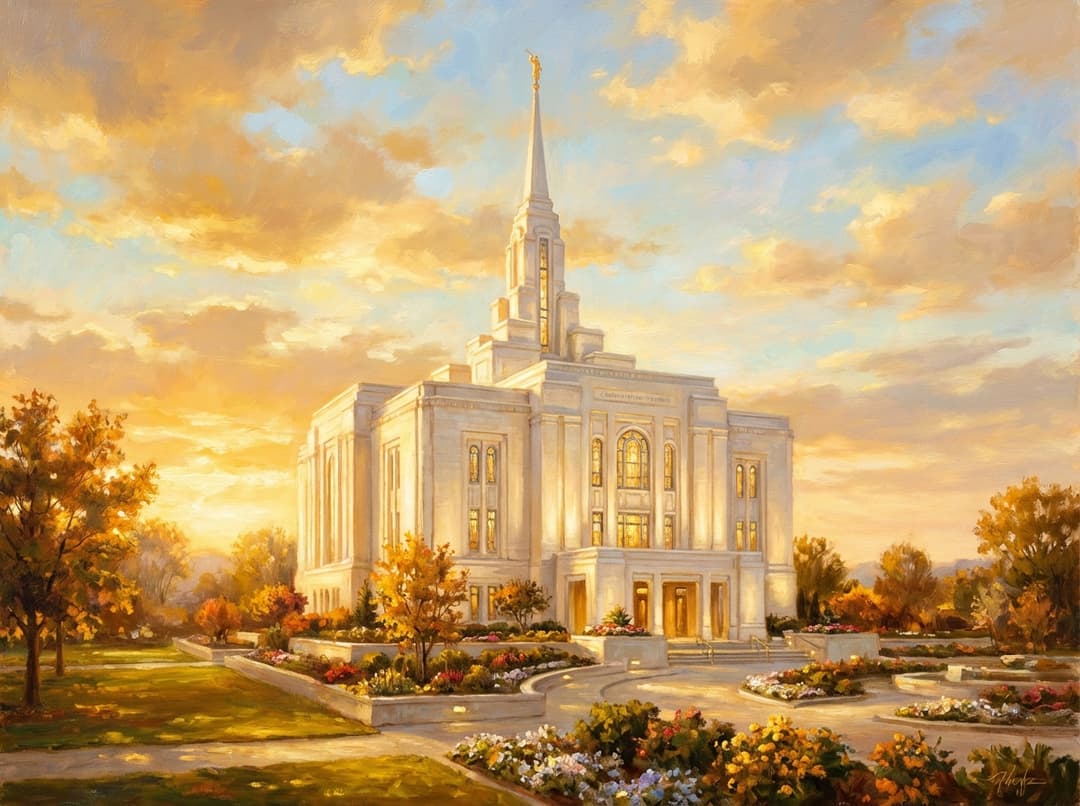
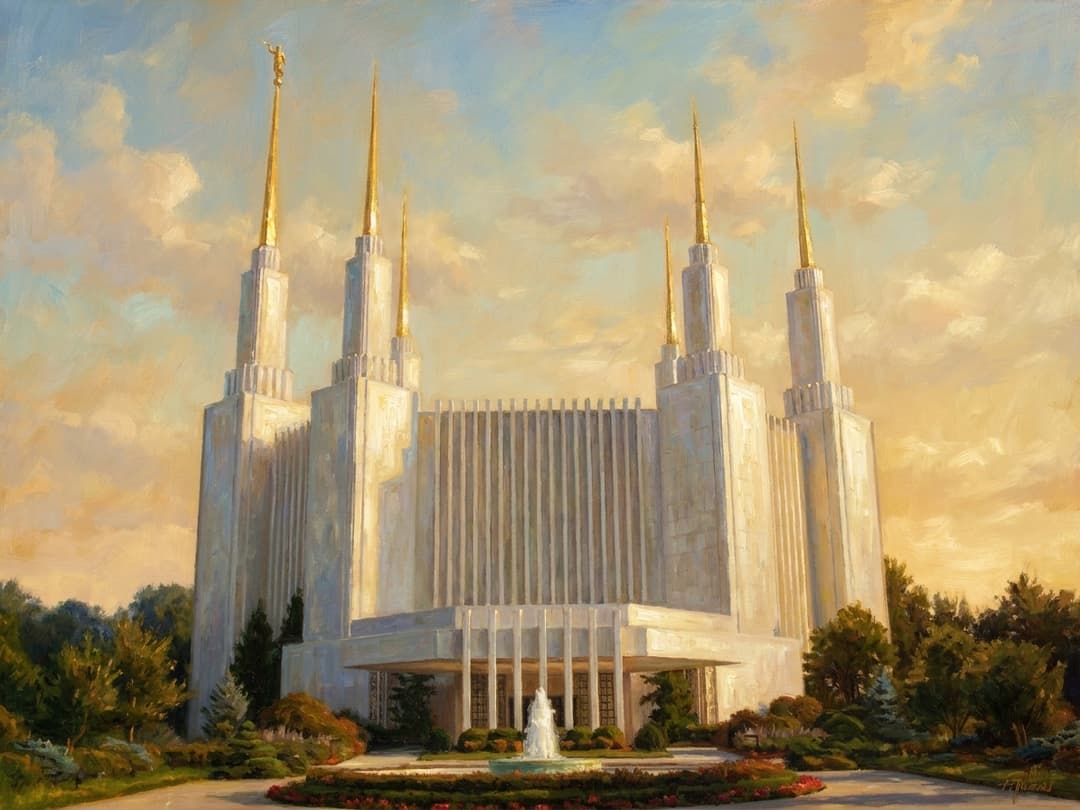
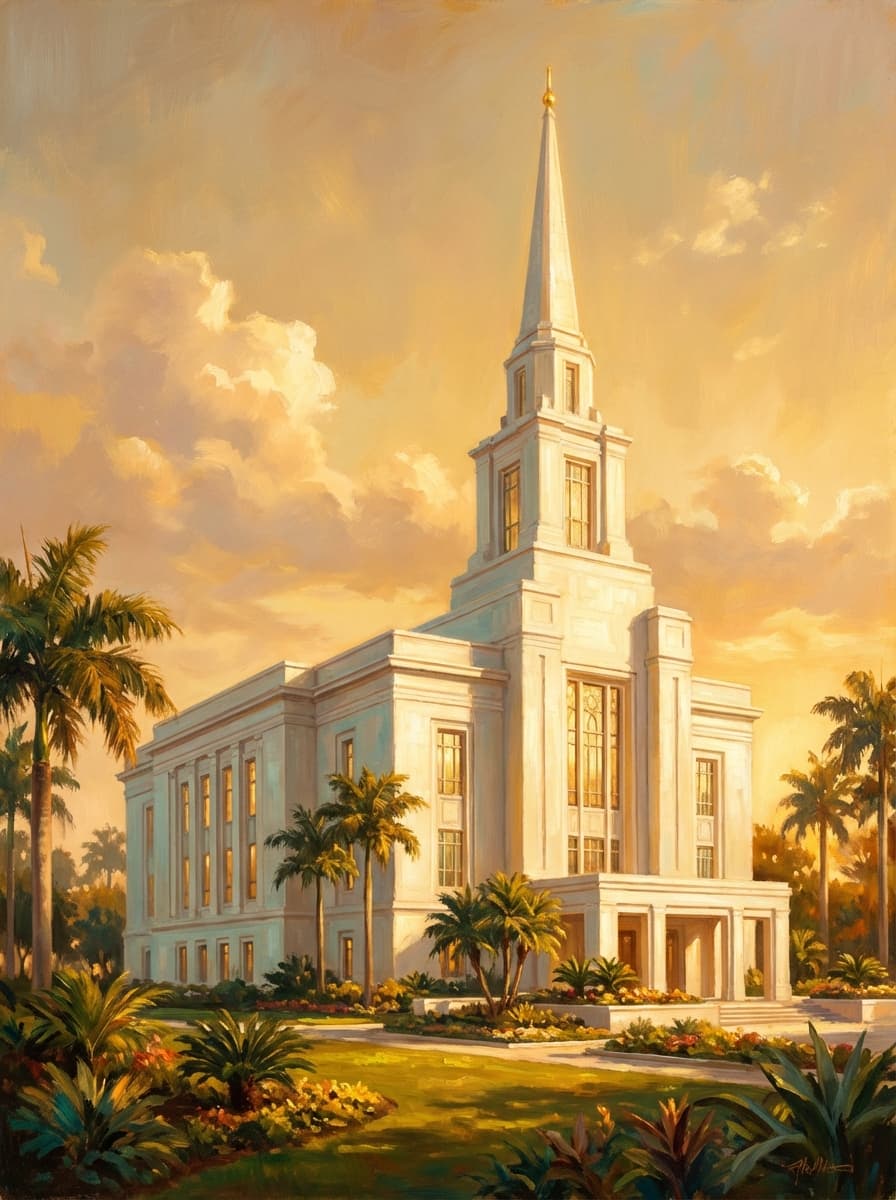
Sources & Research
Every fact on Temples.org is backed by verified Sources & Research. Each piece of information is rated by source tier and confidence level.
View All Sources (3)
| Field | Source | Tier | Retrieved |
|---|---|---|---|
| About & Historical Background | churchofjesuschristtemples.org (opens in a new tab) | C | 2024-01-18 |
| Visitor Information | The Church of Jesus Christ of Latter-day Saints (opens in a new tab) | A | 2024-01-18 |
| Architectural Details | alluringworld.com (opens in a new tab) | C | 2024-01-18 |