Visitor Insights
Visiting Phoenix Arizona Temple
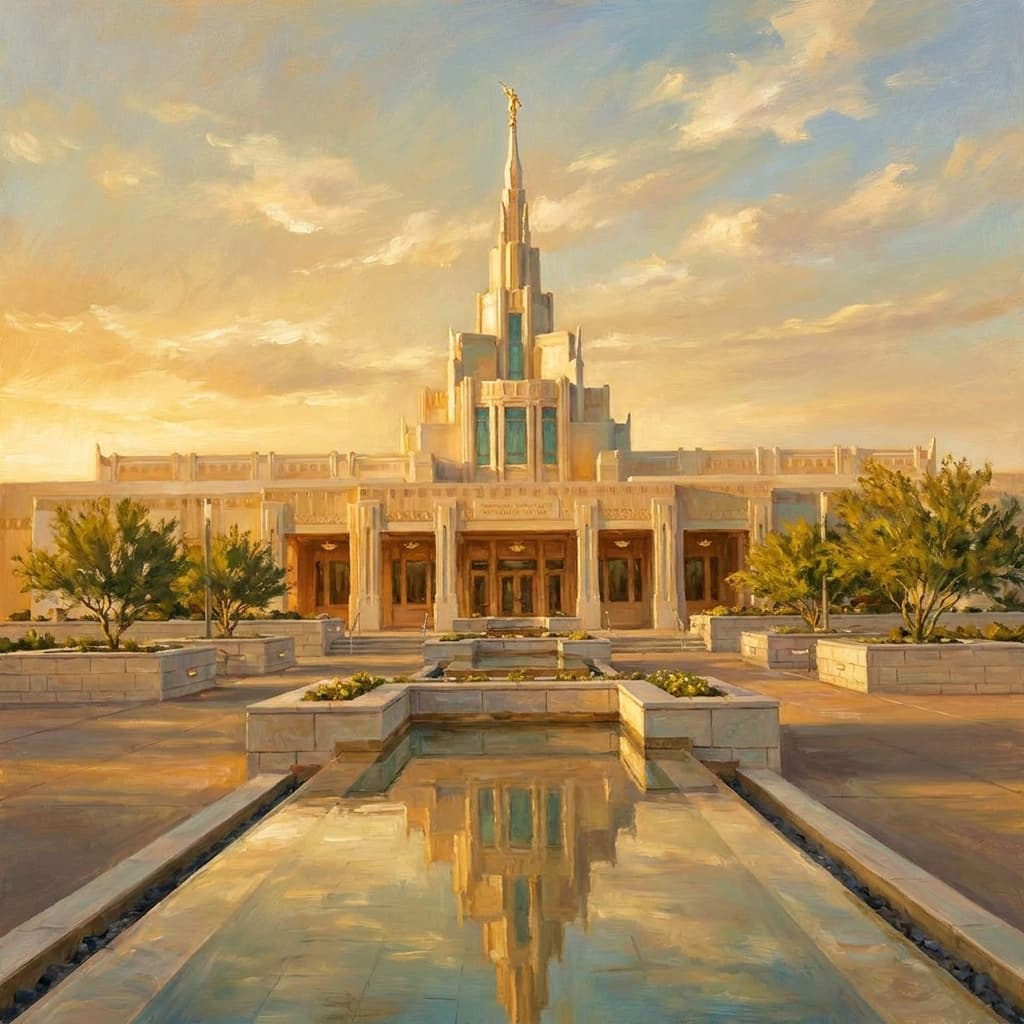
The Phoenix Arizona Temple grounds offer a peaceful desert sanctuary framed by native foliage and cascading water features. Visitors of all faiths are welcome to walk the manicured grounds and enjoy the serene environment.
Highlights
- Three cascading exterior water fountains symbolizing living waters
- Manicured desert landscaping featuring native Sonoran flora
- Subtle desert neoclassical architecture blending with nearby mountain views
Things to Know
- Interior access is reserved for Latter-day Saints holding current temple recommends
- Modest attire and reverent demeanor are requested while on temple grounds
Location
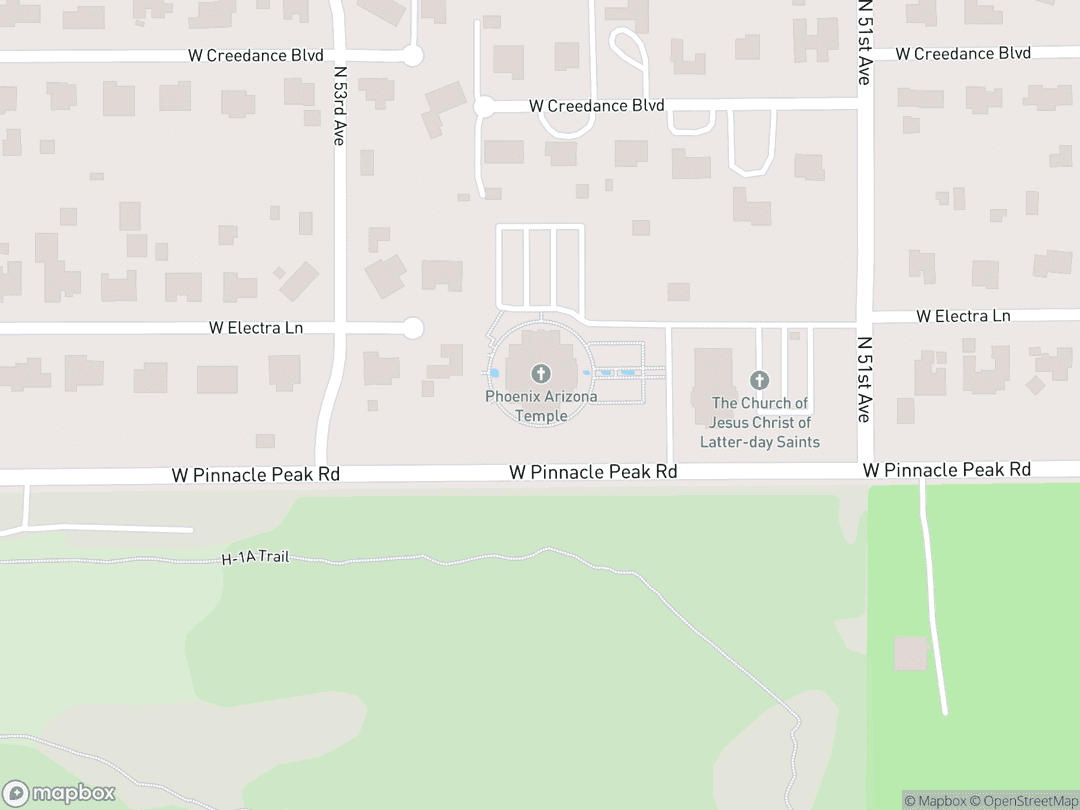
5220 W. Pinnacle Peak Road, Phoenix, Arizona 85310
Hours: Grounds open daily from dawn to late evening. Ordinances operate Tuesday through Saturday.
Getting There: Located along West Pinnacle Peak Road near 51st Avenue in North Phoenix, easily accessible via Interstate 17 or Loop 101.
Get DirectionsTips for Your Visit
Grounds Exploration
Visit during early morning or evening hours to experience the tranquil desert lighting across the exterior water features.
Visitor Guidelines
Public photography is welcome on the exterior grounds, provided it remains respectful of temple patrons.
About
Rooted in the ancient Judeo-Christian tradition of designated holy sanctuaries, the Phoenix Arizona Temple stands as a sacred house of God in the Sonoran Desert. Much like the biblical tabernacle and Solomon's Temple, this sanctuary serves as a dedicated portal between heaven and earth where believers seek divine communion, sacred instructions, and personal peace through Jesus Christ.
Constructed as the 144th operating temple of The Church of Jesus Christ of Latter-day Saints, the facility plays a distinct spiritual role compared to local meetinghouses. While chapels host weekly congregational worship and are open to all, the temple is reserved for sacred priesthood ordinances that unite families for eternity.
Designed by CCBG Architects, the structure reflects modern desert architecture tailored to harmonize with its residential surroundings. Incorporating subterranean floors to comply with local height limits, the building blends subtle earth tones, custom native floral motifs, and cascading water features into a tranquil space of worship.
Gallery
Symbolic Elements
The temple's exterior features intricate carvings, each rich with spiritual meaning:

Cascading Water Fountains
Three exterior fountains flow toward one another to symbolize Christ as the source of living water in arid lands.

Native Desert Flora Motifs
Stylized aloe vera stalks and desert tree leaves represent biblical prophecies of the desert blooming as a rose.

Angel Moroni Statue
The gold-leafed statue blowing a trumpet symbolizes the restoration of the everlasting gospel to all nations.

Subterranean Foundation
Placing significant square footage underground reflects the spiritual principle of being firmly rooted in God's covenants.

Twelve Oxen Baptistry
The baptismal font resting on twelve oxen represents the twelve tribes of Israel and Solomon's ancient temple sea.

Earth-Toned Precast Panels
Warm aggregates mirroring local mountain geology demonstrate harmony with God's natural creation.

Celestial Room Light
Brilliant illumination within the Celestial Room symbolizes the divine glory and eternal peace of God's presence.
Interesting Facts
To meet local neighborhood height restrictions, architects placed nearly half of the 64,870-square-foot temple underground. (Tier A)
Church leaders voluntarily withdrew their initial zoning application to redesign the building without height variances. (Tier A)
The Phoenix Arizona Temple became the fifth operating temple completed in the state of Arizona. (Tier A)
The temple helped alleviate heavy patron traffic at the historic Mesa Arizona Temple. (Tier A)
Exterior concrete panels were custom-blended with local aggregate to match Sonoran Desert earth tones. (Tier A)
Over 4,000 youth participated in the 'Be a Light' cultural performance prior to the dedication. (Tier A)
Three exterior fountains form a symbolic circuit representing living waters flowing through the desert. (Tier A)
Custom woodwork and glass incorporate stylized aloe vera stalks and native tree foliage. (Tier A)
Common Questions
Who is allowed inside the Phoenix Arizona Temple?
Interior entry is reserved for members of the Church who hold a current temple recommend.
Are the temple grounds open to the public?
Yes, the manicured desert grounds and water fountains are open daily to all visitors.
Why is so much of the building constructed underground?
Placing half the floor area underground allowed the temple to meet local 30-foot residential height limits.
What architectural style is used for the temple?
The building features contemporary desert neoclassical architecture using earth-toned precast concrete.
When was the Phoenix Arizona Temple dedicated?
The temple was dedicated on November 16, 2014, by Church President Thomas S. Monson.
Featured Stories
Neighborhood Harmony Through Redesign
2009–2010
When initial plans for the temple encountered neighborhood concerns regarding building height and traffic, church leaders chose a path of civic reconciliation. Rather than pushing for zoning variances, the Church voluntarily withdrew its application and completely redesigned the building to fit within local 30-foot height limits. By moving half of the square footage underground, the project forged lasting goodwill with the surrounding Phoenix community.
Source: Church News & Local Municipal Records
Youth Cultural Celebration: 'Be a Light'
November 15, 2014
On the eve of the dedication, over 4,000 Latter-day Saint youth gathered at Grand Canyon University Arena for a vibrant cultural celebration. Titled 'Be a Light,' the production showcased Arizona's rich history, native cultures, and spiritual pioneer heritage through music and dance. President Thomas S. Monson attended the performance, commending the youth for their spiritual devotion and energetic portrayal of local history.
Source: Church Newsroom Reports
A Dedication in the Valley of the Sun
November 16, 2014
President Thomas S. Monson dedicated the Phoenix Arizona Temple across three sacred sessions, marking the Church's fifth temple in Arizona. Accompanied by other general authorities, President Monson offered a dedicatory prayer asking for blessings of peace upon the desert region and its inhabitants. The dedication fulfilled years of anticipation for local Latter-day Saints who previously traveled long distances across the metropolitan area.
Source: Official Dedicatory Prayer Records
Timeline
Temple Announcement
President Thomas S. Monson announces plans to build a temple in North Phoenix.
MilestoneZoning Approval
Phoenix City Council approves initial zoning requests for the proposed structure.
MilestoneRedesign Announcement
Church leaders announce a complete redesign to comply with local 30-foot residential height limits.
MilestoneRedesigned Submittal
Revised single-story plans featuring a basement level are submitted to the City of Phoenix.
MilestoneGroundbreaking Ceremony
Elder Ronald A. Rasband presides at the official site dedication and groundbreaking.
component.timeline.groundbreakingStatue Placement
The gold-leafed Angel Moroni statue is raised atop the 90-foot spire.
MilestonePublic Open House Begins
The temple opens for a three-week public open house, welcoming over 120,000 visitors.
EventYouth Cultural Celebration
Over 4,000 local youth perform in the 'Be a Light' celebration at Grand Canyon University Arena.
EventTemple Dedication
President Thomas S. Monson officially dedicates the Phoenix Arizona Temple in three sessions.
DedicationTemporary Closure
Operations are temporarily suspended in response to global health protocols.
EventPhased Reopening
Full ordinance operations resume for local members on an appointment basis.
MilestoneHistory by Decade
2000s — Regional Growth and Announcement
Rapid population growth in the Phoenix metropolitan area during the 2000s placed heavy demands on the historic Mesa Arizona Temple. In response, President Thomas S. Monson announced plans in May 2008 to build a new temple in North Phoenix. The announcement initiated site selection and preliminary architectural planning for the region's expanding Latter-day Saint population.
2010s — Redesign, Construction, and Dedication
Following neighborhood discussions, the building was redesigned in 2010 to feature a single-story profile with an extensive subterranean basement. Groundbreaking occurred in June 2011, culminating in a three-week public open house and dedication by President Monson in November 2014. The completed structure provided a dedicated worship facility tailored to desert neoclassical aesthetics.
2020s — Sustained Operations and Community Presence
In 2020, operations were temporarily paused in compliance with global health measures before resuming under appointment-based protocols in 2021. Today, the Phoenix Arizona Temple continues to serve tens of thousands of church members across northern and western Phoenix. The manicured desert grounds remain a recognized peaceful landmark in the North Phoenix community.
Architecture & Facilities
Designed by CCBG Architects, the Phoenix Arizona Temple exhibits contemporary desert neoclassical architecture tailored to its Sonoran Desert setting. The low horizontal roofline and single-story exterior profile were designed to harmonize with the nearby Thunderbird Conservation Park mountains while respecting surrounding residential height limits.
Building Materials
Precast Concrete Panels
Custom-blended precast aggregate panels finished in warm earth tones matching local desert sandstone.
Art Glass Windows
Insulated double-paned windows incorporating geometric patterns with soft green, amber, terracotta, and turquoise hues.
Carved Hardwoods
Interior woodwork crafted from premium hardwoods featuring hand-carved aloe vera and native flora motifs.
Custom Carpentry & Plaster
Decorative plaster moldings and custom ceiling trims displaying stylized Sonoran Desert plant foliage.
Interior Features
Celestial Room
A bright room symbolizing eternal peace, decorated in warm earth tones with terracotta and turquoise accents.
Instruction Rooms
Two progressive instruction rooms used for presenting sacred doctrinal teachings on creation and eternal purpose.
Sealing Rooms
Four marriage sealing rooms featuring altar pedestals where eternal marriage covenants are solemnized.
Subterranean Baptistry
A lower-level font resting upon twelve stone-carved oxen representing the tribes of Israel.
Temple Grounds
The 5.19-acre grounds feature manicured desert gardens, native trees, palm pathways, and three cascading water fountains engineered to recirculate water through custom filtration systems.
Additional Facilities
Adjacent facilities include dedicated visitor parking, patron entry corridors, and administrative offices supporting temple operations.
Religious Significance
In harmony with traditional Abrahamic reverence for consecrated sanctuaries, the Phoenix Arizona Temple is understood as a literal House of the Lord. It serves as a holy space set apart from the worldly sphere where believers draw closer to Jesus Christ through sacred covenants.
To provide a dedicated sanctuary for sacred priesthood ordinances, eternal family sealings, and personal spiritual reflection.
Sacred Ordinances
Baptism for the Dead
Proxy baptisms performed in the lower-level font offering saving ordinances to ancestors who passed away without them.
Temple Endowment
A sacred instructional ceremony where patrons make personal covenants of obedience, sacrifice, and devotion to God.
Eternal Marriage Sealings
Sacred ceremonies performed in sealing rooms uniting husbands, wives, and families for time and all eternity.
The Covenant Community
Latter-day Saints view temple worship as the pinnacle of religious devotion. Within the temple, individual believers enter into eternal covenants that bind generations together in divine love and spiritual order.
Similar Temples
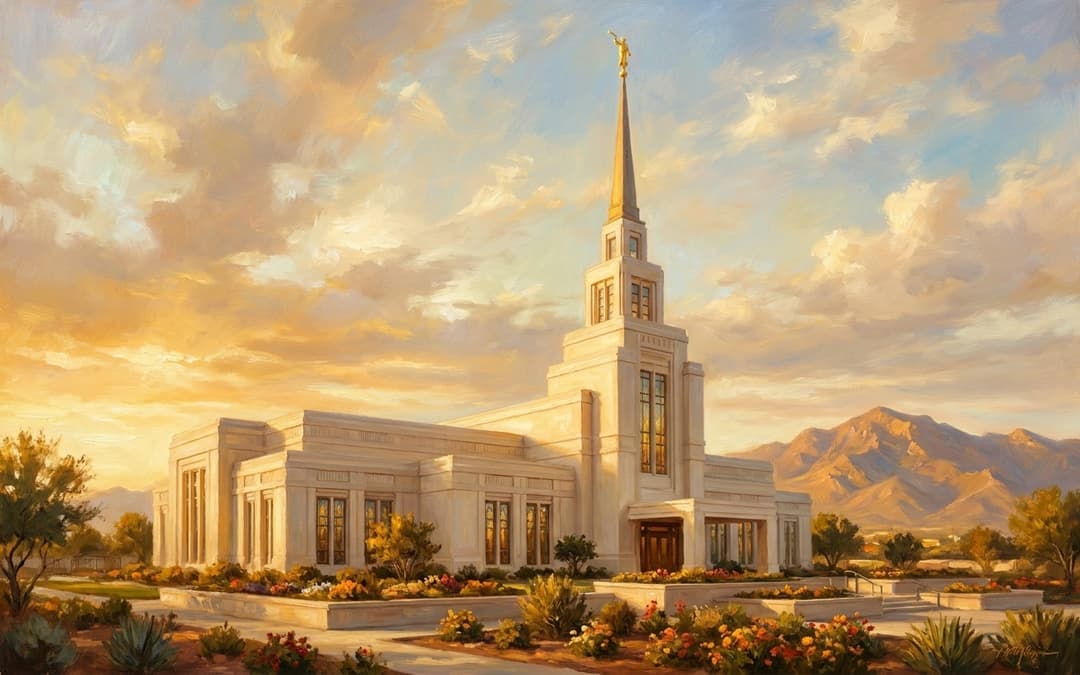
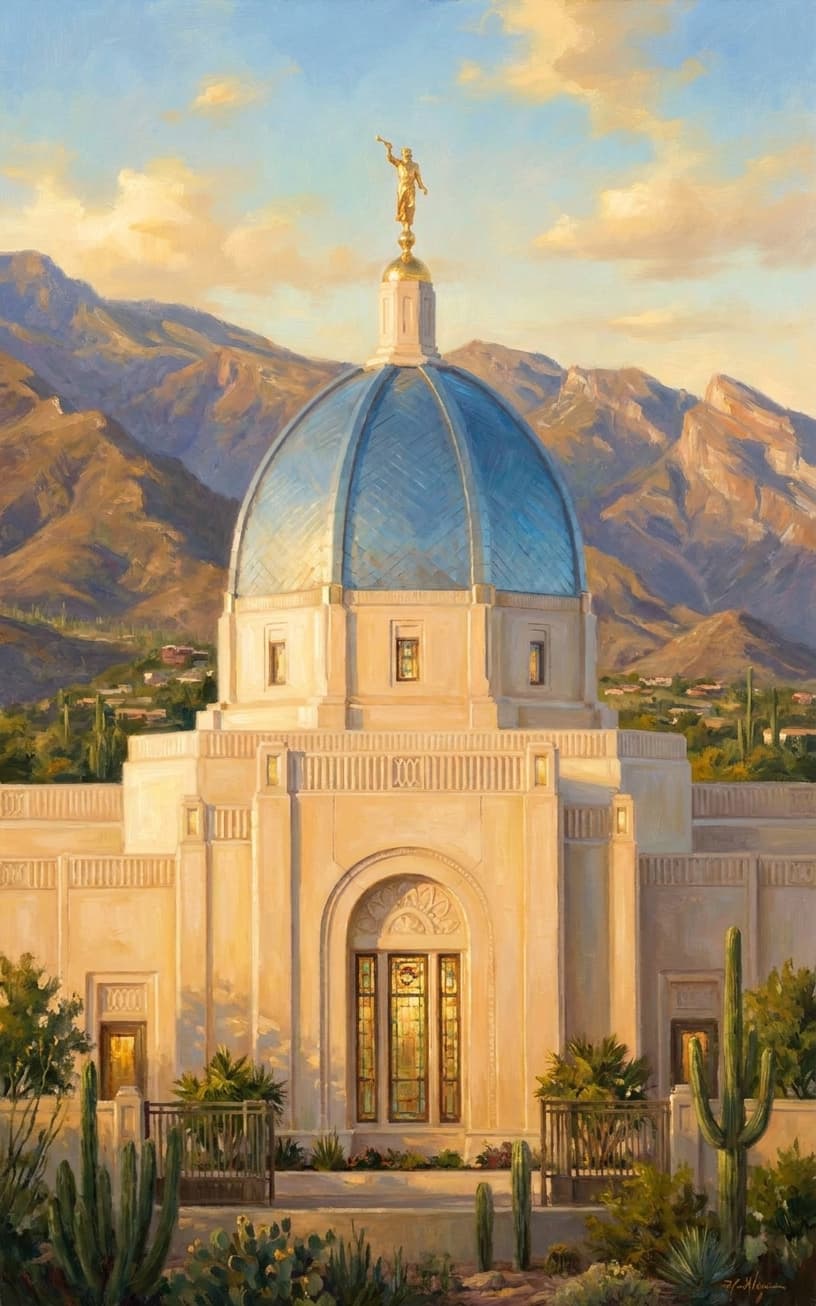
Sources & Research
Every fact on Temples.org is backed by verified Sources & Research. Each piece of information is rated by source tier and confidence level.
View All Sources (5)
| Field | Source | Tier | Retrieved |
|---|---|---|---|
| About & Historical Background | The Church of Jesus Christ of Latter-day Saints (opens in a new tab) | A | 2026-01-30 |
| About & Historical Background | ChurchofJesusChristTemples.org (opens in a new tab) | C | 2026-01-30 |
| Architecture & Facilities | CCBG Architects (opens in a new tab) | B | 2026-01-30 |
| Timeline & Featured Stories | The Arizona Republic (opens in a new tab) | B | 2026-01-30 |
| Visitor Insights & Access | City of Phoenix Municipal Government (opens in a new tab) | A | 2026-01-30 |