Visitor Insights
Visiting Tucson Arizona Temple
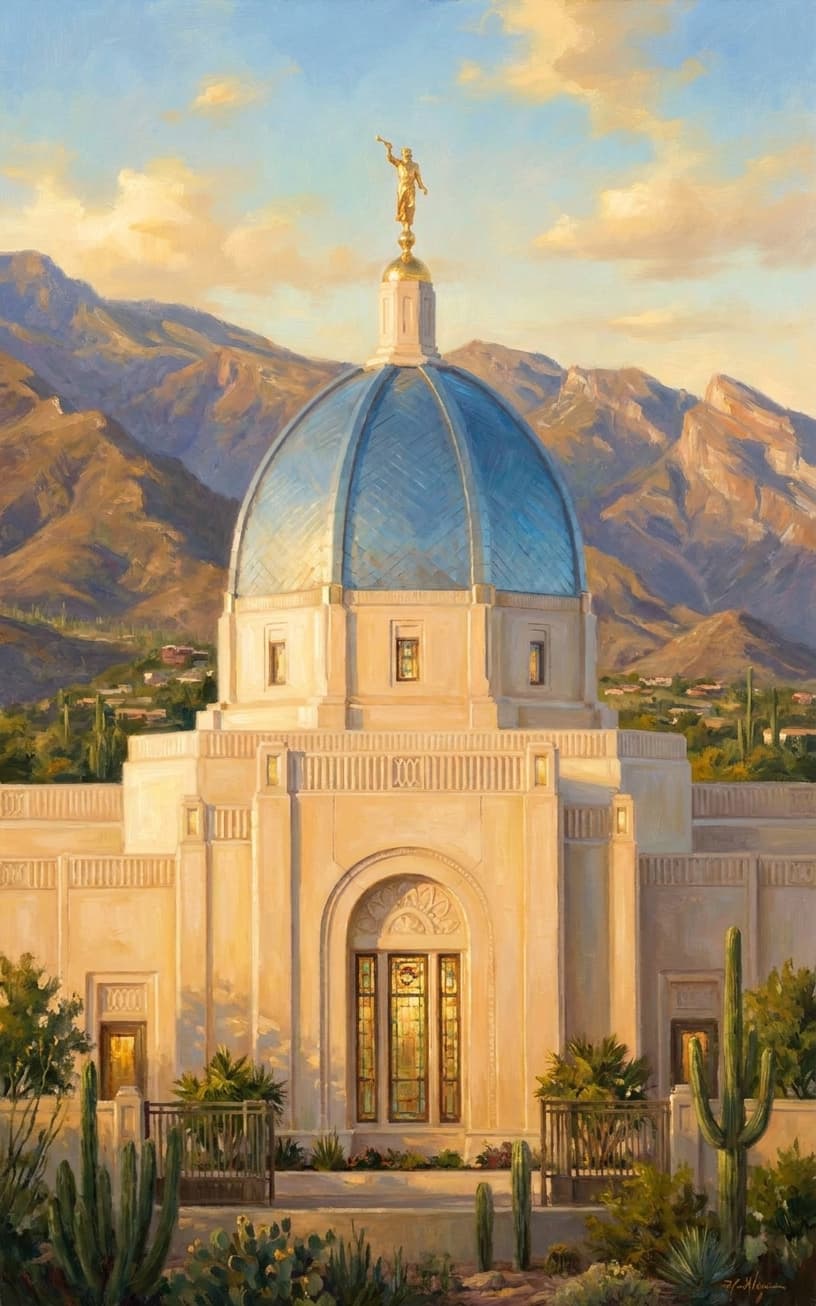
The Tucson Arizona Temple offers a serene environment set against the striking Santa Catalina Mountains. While interior access is reserved for Church members holding a valid temple recommend, visitors are welcome to walk the beautifully landscaped public grounds featuring native desert flora.
Highlights
- Unique silvery-blue zinc dome inspired by local historic landmarks.
- Native desert landscaping with re-planted saguaros and ocotillo plants.
- Panoramic views of the surrounding Santa Catalina Mountains.
Things to Know
- No on-site public visitors' center or patron housing is available.
- Desert temperatures can be extreme during midday summer months.
Location
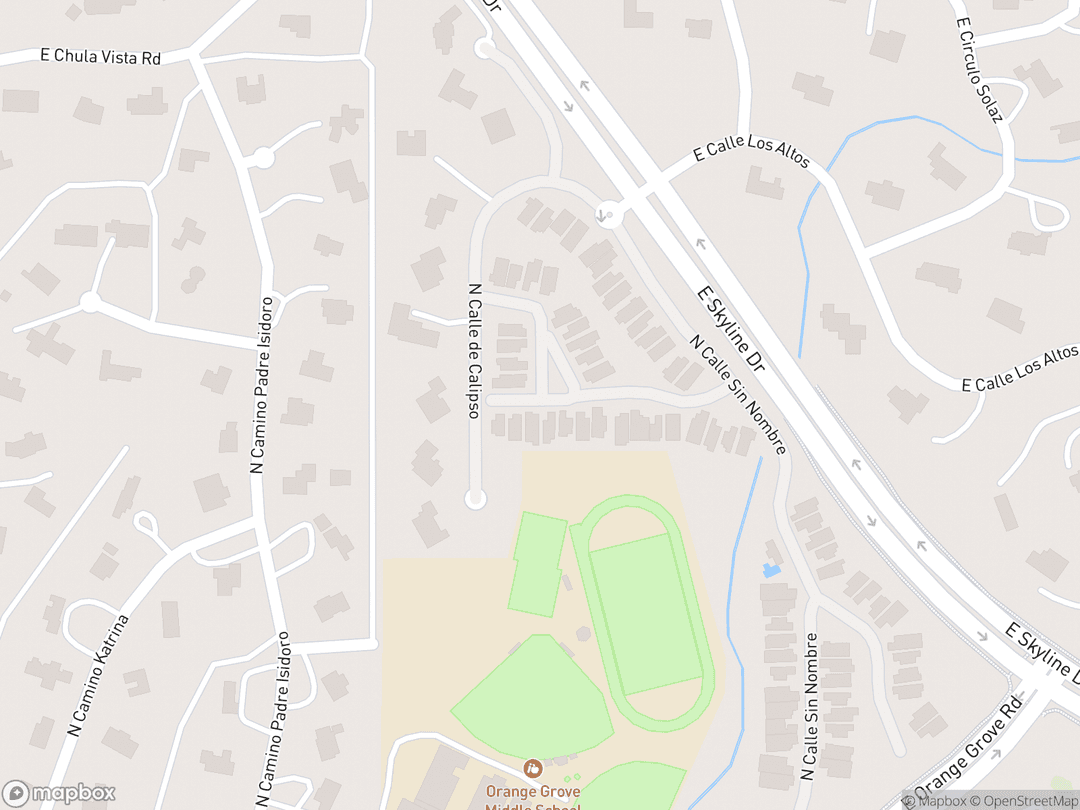
7281 North Skyline Drive, Tucson, Arizona 85718, United States
Hours: Grounds open daily from sunrise to sunset. Temple ordinance schedules vary.
Getting There: Located in the Catalina Foothills near East Ina Road and Skyline Drive, accessible via local vehicular traffic with ample parking.
Get DirectionsTips for Your Visit
Best Time for Photography
Visit near golden hour in late afternoon when the desert sun highlights the textured precast walls and blue zinc dome.
Respectful Dress
Modest attire is appreciated while walking through the sacred temple grounds.
About
The Tucson Arizona Temple stands as the 157th operating temple of The Church of Jesus Christ of Latter-day Saints and the sixth built in the state of Arizona. Located in the picturesque Catalina Foothills north of Tucson, the temple serves thousands of Latter-day Saints living across southern Arizona.
Rooted in the Judeo-Christian tradition of sacred sanctuary, the temple represents a holy refuge set apart from the secular world. Unlike meetinghouses used for weekly Sunday worship, Latter-day Saint temples are considered literal houses of God where sacred ceremonies, known as ordinances, unite families for eternity and deepen personal commitments to follow Jesus Christ.
Designed by FFKR Architects, the facility seamlessly integrates Southwestern Art Deco architecture with Sonoran Desert motifs. Capped by a unique zinc-clad dome inspired by regional historical landmarks, the temple harmonizes with its surrounding mountain backdrop while providing a peaceful center for spiritual reflection.
Gallery
Symbolic Elements
The temple's exterior features intricate carvings, each rich with spiritual meaning:

Central Blue Dome
Symbolizes the vault of heaven and divine protection, drawing architectural inspiration from regional historic structures.

Octagonal Lantern
Represents eternal life and regeneration through its eight-sided geometric form supporting the central statue.

Angel Moroni Statue
Represents the restored gospel being preached to all nations as heralded in biblical prophecy.

Ocotillo Art Glass
Depicts native flora in stained glass, symbolizing spiritual flourishing and endurance in desert environments.

Prickly Pear Motifs
Integrated into interior fabrics and wood carvings to honor the local natural beauty of the Sonoran region.

Desert-Toned Friezes
Feature geometric stepping patterns that cast dynamic shadows representing spiritual ascension.

Sacred Holiness Inscription
Marks the entrance as consecrated ground set apart from worldly pursuits unto the Lord.

Stepped Deco Geometry
Reflects structured spiritual progress and continuous growth toward divine light.
Interesting Facts
Architects adopted a dome cupola to meet strict 44-foot local zoning height restrictions without requesting a variance. (Tier A)
It features the first zinc-clad dome on an LDS temple, utilizing imported German tiles that reflect shifting sky colors. (Tier B)
Hundreds of wild cacti were carefully excavated before construction, preserved in an on-site nursery, and re-planted into the grounds. (Tier A)
One-third of the 7.4-acre property was left as untouched Sonoran Desert to protect local wildlife habitats. (Tier A)
The groundbreaking occurred on the exact same day as the groundbreaking for the Concepción Chile Temple. (Tier A)
The site stands near the historical path marched by the Mormon Battalion in 1846. (Tier B)
The precast concrete shell earned the 2020 PCI Design Award for Best Religious Structure. (Tier B)
The exterior precast panels incorporate custom desert-toned aggregates matching the surrounding mountains. (Tier A)
Common Questions
Can non-members enter the Tucson Arizona Temple?
Non-members are welcome to enjoy the exterior grounds, though interior entry is reserved for Church members with a temple recommend.
Why does the temple have a dome instead of a spire?
The dome design complied with local 44-foot height restrictions and honored historic regional architecture.
Is there an on-site visitors' center?
No, the Tucson Temple grounds do not include an on-site visitors' center.
What plant life is featured on the grounds?
The grounds feature native Sonoran Desert plants, including re-planted saguaros, ocotillos, and prickly pear cacti.
Featured Stories
Harmony Through Adaptive Design
2015
When initial plans for a traditional 95-foot spire met local zoning code constraints limiting rooflines to 44 feet, Church leaders chose collaboration over conflict. Architects replaced the spire with an elegant blue-toned dome inspired by downtown Tucson's historic court house. This respectful design change satisfied community regulations while creating a distinct, beloved regional landmark.
Source: Newsroom Press Release, 2015
Preserving the Sonoran Environment
2015
Prior to site excavation, workers carefully removed hundreds of native cacti, including iconic saguaros and ocotillos. The plants were nurtured in a dedicated on-site nursery for two years throughout construction. Upon completion, workers re-integrated the native desert plants into the final landscape design.
Source: Church History Department Records
A Historical Pioneer Connection
August 2017
The dedication of the Tucson Temple marked a milestone spanning more than 170 years of history. Latter-day Saints first passed through Tucson in 1846 with the Mormon Battalion during their historic march. The temple stands as a permanent monument to that long spiritual heritage in southern Arizona.
Source: Dedicatory Remarks, 2017
Timeline
Mormon Battalion Passes Tucson
Members of the Mormon Battalion march through Tucson during the Mexican-American War.
MilestoneTemple Announced
President Thomas S. Monson formally announces the construction of the Tucson Arizona Temple.
MilestoneDome Design Confirmed
The Church reveals a revised design replacing the steeple with a dome to meet local height limits.
MilestoneGroundbreaking Ceremony
President Dieter F. Uchtdorf presides over the groundbreaking ceremony.
component.timeline.groundbreakingAngel Moroni Installed
A gold-leafed Angel Moroni statue is hoisted atop the central dome lantern.
MilestonePublic Open House Begins
The public open house opens to visitors, drawing over 112,000 guests during its three-week run.
EventYouth Cultural Celebration
More than 2,100 youth participate in a cultural performance highlighting regional heritage.
EventTemple Dedication
President Dieter F. Uchtdorf dedicates the temple in three formal sessions.
DedicationHistory by Decade
1840s–1910s — Early Latter-day Saint Roots
Latter-day Saint history in southern Arizona began in 1846 when the Mormon Battalion passed through Tucson during the Mexican-American War. Permanent settlement developed in 1899 with the founding of Binghampton near the Rillito River, leading to the creation of Tucson's first formal Church branch in 1910.
1920s–2000s — Regional Growth & Preparation
For decades, local members traveled to the Mesa Arizona Temple, dedicated in 1927. Growth in Tucson led to the creation of its first stake in 1956. By 2010, the Church secured a 7.4-acre site in the Catalina Foothills to prepare for a local temple.
2010s — Announcement, Design & Dedication
President Thomas S. Monson announced the temple in 2012. Following collaborative design adjustments that introduced a landmark blue dome, groundbreaking took place in October 2015. President Dieter F. Uchtdorf dedicated the temple on August 13, 2017.
Architecture & Facilities
The Tucson Arizona Temple exhibits a refined Southwestern Art Deco (Moderne) architectural style customized for its desert environment. Designed by FFKR Architects, the building features stepped massing, raking frieze patterns, and custom precast panels that harmonize with the surrounding Santa Catalina Mountains.
Building Materials
Exterior Wall Panels
Custom precast concrete panels featuring desert-toned aggregate and Art Deco geometric friezes.
Central Dome Shingles
Imported German zinc-based shingles that reflect shifting sky colors in blue and gray tones.
Interior Millwork
Hardwood trim with clean chamfered edges and stepped geometric Art Deco details.
Art Glass Windows
Stained glass panels depicting native ocotillo and red prickly pear cacti.
Interior Features
Baptistry
Features a stainless steel baptismal font supported by twelve sculpted oxen.
Instruction Rooms
Two ordinance rooms finished with soft desert color palettes and custom floor coverings.
Sealing Rooms
Two marriage sealing rooms adorned with delicate stone molding and sacred altars.
Celestial Room
A serene room featuring lofty ceilings, crystal chandeliers, and subtle desert floral patterns.
Temple Grounds
The 7.4-acre grounds incorporate preserved Sonoran Desert buffer zones alongside landscaped walkways filled with native saguaros, ocotillo, and reflection areas.
Additional Facilities
The temple complex includes patron parking areas and an administrative wing serving ordinance operations.
Religious Significance
In harmony with Judeo-Christian theology regarding ancient sanctuaries, the Tucson Arizona Temple is revered as a consecrated house of God set apart from secular life.
To provide a sacred environment for performing eternal ordinances that unite families and deepen covenants with God.
Sacred Ordinances
Baptisms for the Dead
Vicarious baptisms performed on behalf of deceased ancestors, offering them spiritual choices.
Initiatory & Endowment
Sacred instruction and personal covenants focused on eternal progression and devotion to Jesus Christ.
Eternal Marriage Sealings
Marriages solemnized for time and all eternity, uniting husband, wife, and children forever.
House of the Lord
Carved with the words 'Holiness to the Lord,' the temple serves as an earthly sanctuary facilitating spiritual communion.
Similar Temples
Sources & Research
Every fact on Temples.org is backed by verified Sources & Research. Each piece of information is rated by source tier and confidence level.
View All Sources (5)
| Field | Source | Tier | Retrieved |
|---|---|---|---|
| About & Historical Background | The Church of Jesus Christ of Latter-day Saints (opens in a new tab) | A | 2026-02-22 |
| Architecture & Design | FFKR Architects (opens in a new tab) | B | 2026-02-22 |
| Timeline & Featured Stories | Church History Department (opens in a new tab) | A | 2026-02-22 |
| Visitor Insights & Symbolism | ChurchofJesusChristTemples.org (opens in a new tab) | C | 2026-02-22 |
| Symbolism & Theological Context | The Church of Jesus Christ of Latter-day Saints (opens in a new tab) | A | 2026-02-22 |