Visitor Insights
Visiting The Gila Valley Arizona Temple
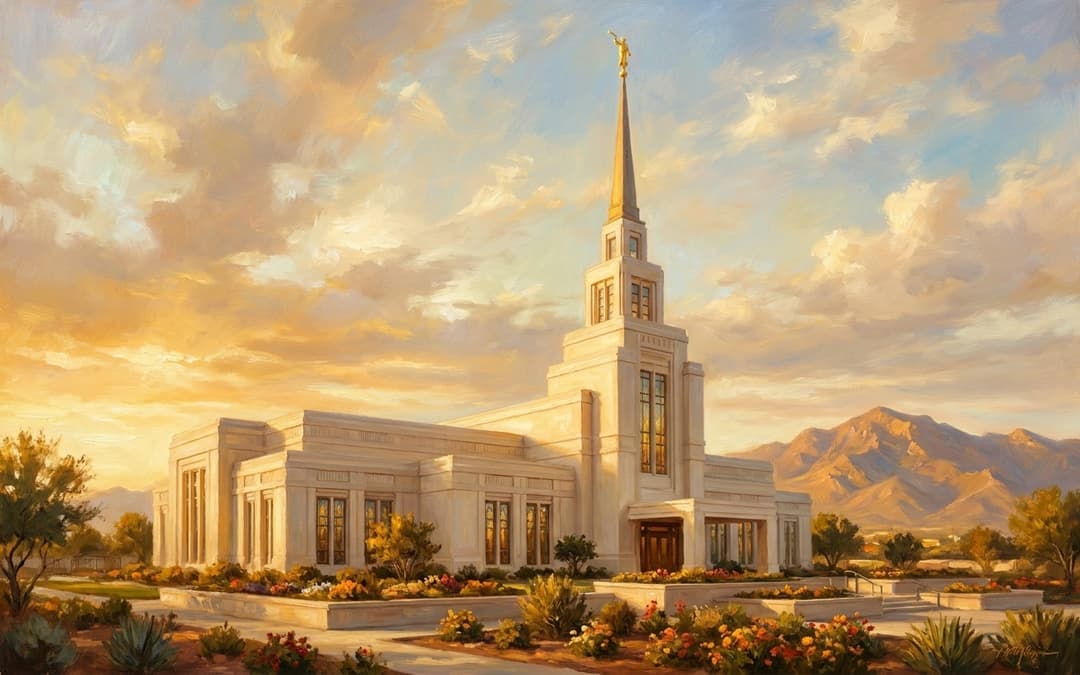
Situated along US Highway 70 in Central, Arizona, the temple features 17 acres of peaceful, manicured grounds open to all visitors. The vibrant floral gardens and desert landscaping offer quiet spots for prayerful reflection against Mount Graham.
Highlights
- Stunning panoramic views of Mount Graham and the surrounding desert landscape.
- Meticulously landscaped floral gardens featuring native desert flora.
- Quiet outdoor walking paths suitable for reflection and meditation.
Things to Know
- Interior access requires a valid LDS temple recommend; grounds are open to everyone.
- No cafeteria or clothing rental facilities are available on-site.
Location
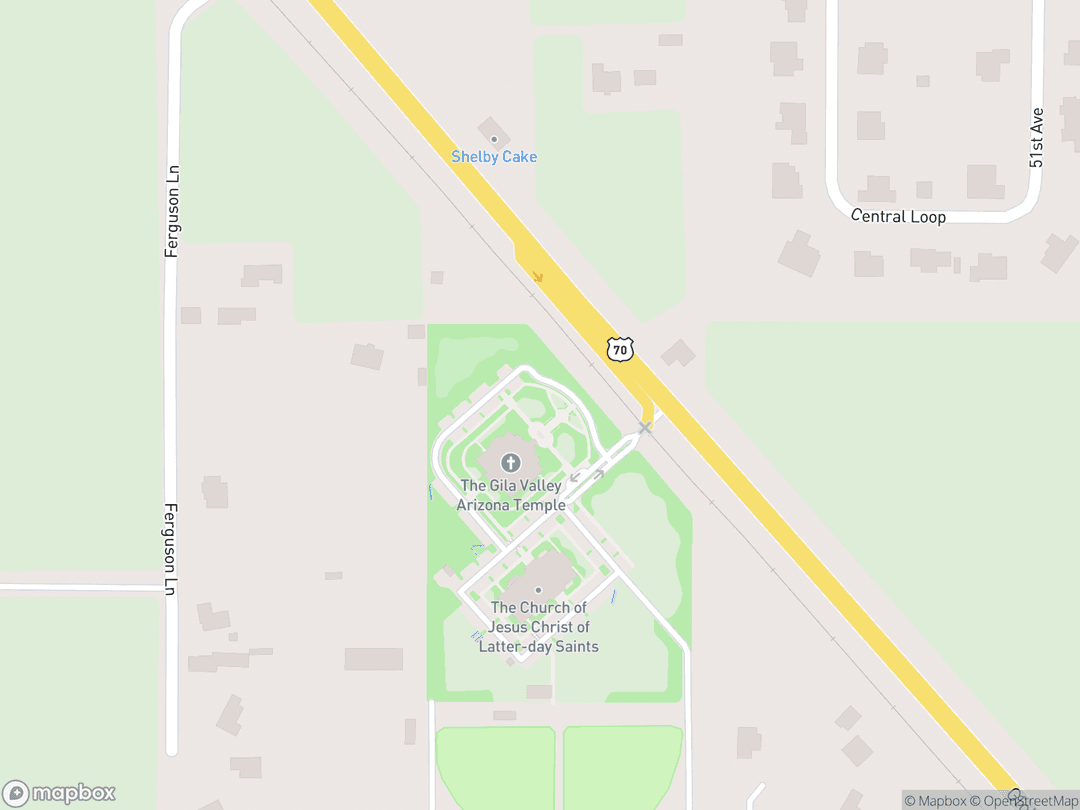
5291 West Highway 70, Central, Arizona 85531, United States
Hours: Grounds are open daily from dawn until dusk; sanctuary schedule varies.
Getting There: Located directly off US Highway 70 midway between Thatcher and Pima in Graham County.
Get DirectionsTips for Your Visit
Golden Hour Photography
Visit during late afternoon when the setting sun highlights the precast stone walls against Mount Graham.
Grounds Etiquette
Maintain a reverent atmosphere while enjoying the walking trails and outdoor garden seating.
About
The Gila Valley Arizona Temple stands as a sacred house of the Lord in Central, Arizona, serving Latter-day Saints across southeastern Arizona and southwestern New Mexico. Grounded in the broader Abrahamic and Christian tradition of holy sanctuaries like the Ancient Tabernacle and Solomon's Temple, it functions as a dedicated place of communion, covenant, and eternal devotion.
First prophesied by Apostle John W. Taylor in 1898, the temple was formally announced in 2008 by President Thomas S. Monson. Constructed on 17 acres of former community ballfields against the backdrop of Mount Graham, the structure was dedicated on May 23, 2010, marking the fulfillment of a 112-year-old local promise.
Gallery
Symbolic Elements
The temple's exterior features intricate carvings, each rich with spiritual meaning:

Angel Moroni Statue
The gold-leafed figure facing east symbolizes the restoration of the gospel and the Second Coming of Jesus Christ.

Twelve Baptismal Oxen
The font rests upon twelve sculpted oxen representing the Twelve Tribes of Israel and biblical tradition.

Desert Botanical Stained Glass
Art-glass windows feature leaded desert flora patterns depicting spiritual renewal blossoming in the wilderness.

Progressive Ordinance Rooms
Instruction spaces portray the journey of human souls progressing from Creation into the presence of God.

East-Facing Single Spire
The central vertical spire reaches skyward to symbolize divine elevation and prayers ascending to Heaven.

Mount Graham Scenic Murals
Hand-painted interior murals depict local geography to connect sacred space with the surrounding creation.

Cream Precast Concrete Facade
Durable light-colored stone paneling represents purity and reflects desert heat for thermal conservation.
Interesting Facts
Apostle John W. Taylor prophesied in 1898 that a temple would be built in the valley, a promise fulfilled 112 years later. (Tier A)
Church President Spencer W. Kimball grew up in nearby Thatcher after moving there in 1898 at age three. (Tier A)
The 17-acre temple site was constructed on land previously used for Church-owned community softball fields. (Tier B)
This was one of the first two temples announced by Thomas S. Monson after becoming Church President in 2008. (Tier A)
Contracting teams completed the entire structural build and grounds development in just 14 fast-tracked months. (Tier B)
Interior instruction room murals feature hand-painted local landmarks including the Gila River and Mount Graham. (Tier A)
It was dedicated as the third operating temple in Arizona, following Mesa and Snowflake. (Tier A)
Over 90,000 visitors toured the sanctuary during its 22-day public open house in 2010. (Tier B)
Common Questions
Who can enter the interior of the Gila Valley Arizona Temple?
Interior entry is reserved for active members holding a valid temple recommend, though grounds are open to all.
When was the Gila Valley Arizona Temple dedicated?
The temple was formally dedicated on May 23, 2010, by President Thomas S. Monson.
Is there a visitor center on the temple grounds?
There is no separate visitor center on site, but an adjacent meetinghouse handles public gatherings.
What architectural style is used for the building?
The building features a Classic Modern single-spire architectural design clad in light cream precast concrete.
Featured Stories
The 112-Year Prophecy
January 30, 1898
During an 1898 conference in Thatcher, Apostle John W. Taylor declared that one of the most beautiful temples would eventually stand in the Gila Valley. Though the rural population remained small for generations, Church leaders maintained faith in the divine promise. The prophecy reached its fulfillment 112 years later when President Thomas S. Monson dedicated the completed edifice in 2010.
Source: Church News & Historical Records
Spencer W. Kimball's Valley Legacy
1898
Spencer W. Kimball arrived in Thatcher as a three-year-old child in 1898 and spent forty-five formative years in the Gila Valley. As stake president and later President of the Church, he frequently expressed deep affection for his childhood home and its faithful saints. His steadfast reliance on early prophecies encouraged local members to prepare spiritually for their future temple.
Source: Spencer W. Kimball Historical Society
A Beacon in the Valley Youth Celebration
May 22, 2010
On the eve of the temple dedication, over 2,800 local Latter-day Saint youth gathered at Eastern Arizona College for a dynamic cultural performance titled 'A Beacon in the Valley.' The production celebrated the rich pioneer heritage, agricultural legacy, and deep faith of the region's settlers. President Monson commended the young performers for their vibrant witness of Christ before presiding over the dedication.
Source: Official Church Dedication Reports
Timeline
Latter-day Saint Settlement
Pioneers settle along the Gila River to establish agricultural communities in southeastern Arizona.
MilestoneProphecy of the Temple
Apostle John W. Taylor prophesies that a beautiful temple will one day stand in the Gila Valley.
MilestoneKimball Reaffirms Prophecy
Elder Spencer W. Kimball notes that the Lord will fulfill the 1898 prophecy in His own time.
EventOfficial Temple Announcement
President Thomas S. Monson officially announces plans to construct the Gila Valley Arizona Temple.
MilestoneSite Selection Announced
Local Church leaders announce the selection of a 17-acre parcel in Central, Arizona.
MilestoneGroundbreaking Ceremony
Elder Neil L. Andersen presides over the official site dedication and groundbreaking ceremony.
component.timeline.groundbreakingPublic Open House Begins
A 22-day public open house commences, welcoming over 90,000 visitors to tour the interior.
EventYouth Cultural Celebration
More than 2,800 local youth participate in 'A Beacon in the Valley' at Eastern Arizona College.
EventDedication Session
President Thomas S. Monson formally dedicates the temple in three sacred sessions.
DedicationCommencement of Operations
The temple opens for ordinance work serving seven stakes in Arizona and New Mexico.
MilestoneHistory by Decade
1870s–1890s — Pioneer Settlement and Prophecy
One of the most beautiful temples that was ever built among the Saints in the Rocky Mountains will be built in this valley.
Latter-day Saint pioneers settled along the Gila River basin in the late 19th century, establishing rural farming communities such as Pima, Thatcher, and Safford. In 1898, Apostle John W. Taylor prophesied to local members that a temple would one day grace their valley.
1900s–1970s — Growth and Faith in the Valley
Throughout the 20th century, the Gila Valley served as a heartland of faith, nurturing future Church leaders like President Spencer W. Kimball. Despite modest population growth, local members preserved the 1898 prophecy as a cherished spiritual heritage.
2000s — Announcement and Accelerated Build
In April 2008, President Thomas S. Monson announced the construction of the Gila Valley Arizona Temple. Groundbreaking occurred in February 2009, and construction progressed efficiently over 14 months on 17 acres of former community ballfields.
2010s–Present — Dedication and Sacred Service
President Monson dedicated the sanctuary on May 23, 2010, following a public open house that welcomed over 90,000 visitors. Today, the temple continues as a spiritual beacon serving saints across southeastern Arizona and southwestern New Mexico.
Architecture & Facilities
The Gila Valley Arizona Temple features a Classic Modern single-spire architectural design characterized by clean geometric lines, balanced symmetry, and classical proportions tailored to its desert backdrop.
Building Materials
Exterior Paneling
High-performance precast concrete panels in light cream engineered to withstand intense desert heat.
Interior Millwork
Custom dark-stained American Maple and Cherry wood trims on entry doors, cabinetry, and altars.
Stone & Tile Flooring
Polished natural marble and limestone flooring installed across high-traffic entry foyers.
Custom Art Glass
Leaded art-glass windows featuring warm earth tones and stylized desert floral motifs.
Interior Features
Baptistry
Houses a sacred baptismal font resting upon twelve hand-sculpted bronze-finished oxen.
Ordinance Rooms
Two-stage progressive rooms adorned with hand-painted murals depicting local desert flora and Mount Graham.
Celestial Room
A serene, beautifully appointed space representing heavenly peace and communion with God.
Sealing Rooms
Two sacred rooms equipped with facing mirrors symbolizing eternal marriage and family unity.
Temple Grounds
The 17-acre manicured property features desert-adapted flora, broad walking paths, reflective seating areas, and floral garden beds framing views of Mount Graham.
Additional Facilities
An adjacent meetinghouse provides accommodation for large Church assemblies and community gatherings.
Religious Significance
Rooted in the ancient Abrahamic and Christian tradition of consecrated spaces like the Tabernacle of Moses, the Gila Valley Arizona Temple serves as a holy house of the Lord.
The temple provides sacred ordinances including baptism for ancestors, the endowment, and eternal marriage sealings that unite families for eternity.
Sacred Ordinances
Baptisms for Ancestors
Vicarious baptisms performed in the font on behalf of deceased ancestors following biblical tradition.
The Endowment
Sacred instruction and covenants detailing God's eternal plan of salvation for His children.
Eternal Marriage Sealings
Holy rites performed at sacred altars that bind husband, wife, and children for eternity.
Fulfillment of Prophecy
The temple stands as a testament to prophetic inspiration, fulfilling Apostle John W. Taylor's 1898 promise to the rural saints of the Gila Valley.
Similar Temples
Sources & Research
Every fact on Temples.org is backed by verified Sources & Research. Each piece of information is rated by source tier and confidence level.
View All Sources (6)
| Field | Source | Tier | Retrieved |
|---|---|---|---|
| About & Historical Background | The Church of Jesus Christ of Latter-day Saints (opens in a new tab) | A | 2026-02-15 |
| Architecture & Design | Church History Department (opens in a new tab) | A | 2026-02-15 |
| Timeline & Prophecy | ChurchofJesusChristTemples.org (opens in a new tab) | C | 2026-02-15 |
| Visitor Insights & Location | Eastern Arizona College (opens in a new tab) | B | 2026-02-15 |
| Symbolism & Construction | Jacobsen Construction (opens in a new tab) | B | 2026-02-15 |
| History & Local Heritage | Graham County Official Website (opens in a new tab) | B | 2026-02-15 |