Visitor Insights
Visiting San Francisco Peaks (Doko'oo'sliid)
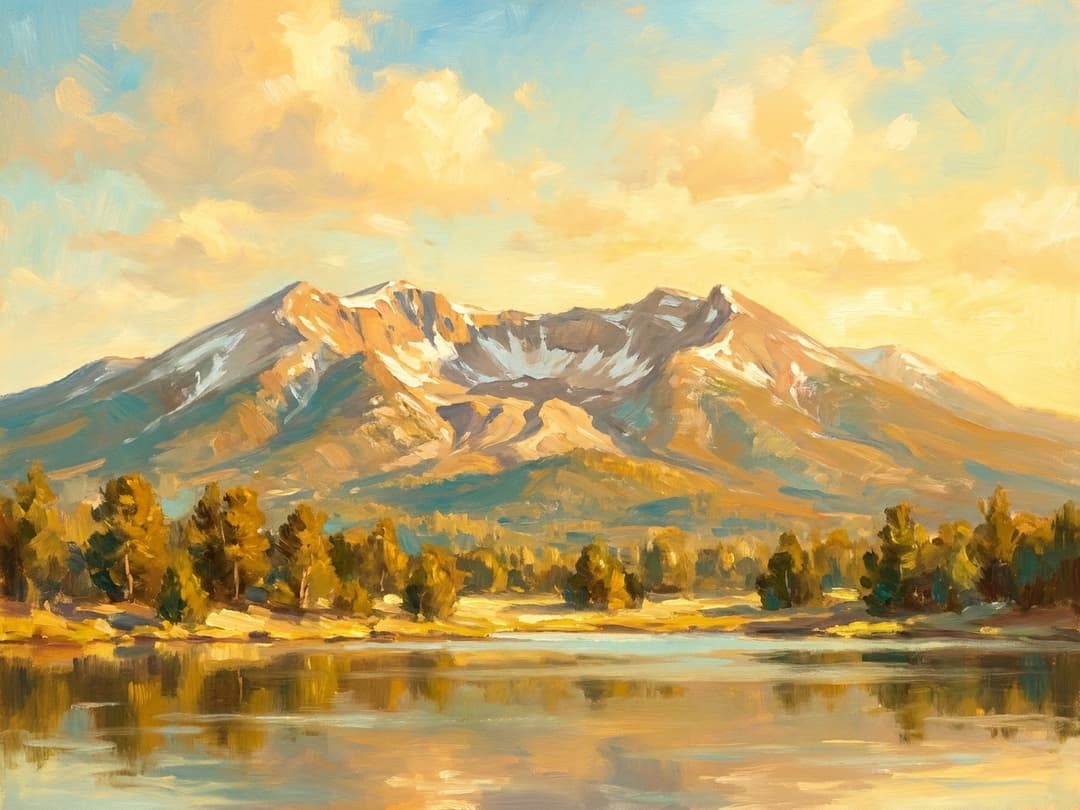
Visiting the San Francisco Peaks offers an encounter with one of North America's most prominent sacred natural landscapes. Visitors are asked to maintain quiet reverence and respect the mountain as a living house of worship.
Highlights
- Summit panorama from Humphreys Peak across Northern Arizona
- Fall foliage viewing among the Inner Basin aspen groves
- Exploring Arizona's only alpine tundra ecosystem
Things to Know
- Never touch, disturb, or photograph Indigenous prayer offerings
- High altitude weather changes rapidly; early morning starts are essential
- Stay strictly on designated trails to safeguard fragile tundra plants
Location
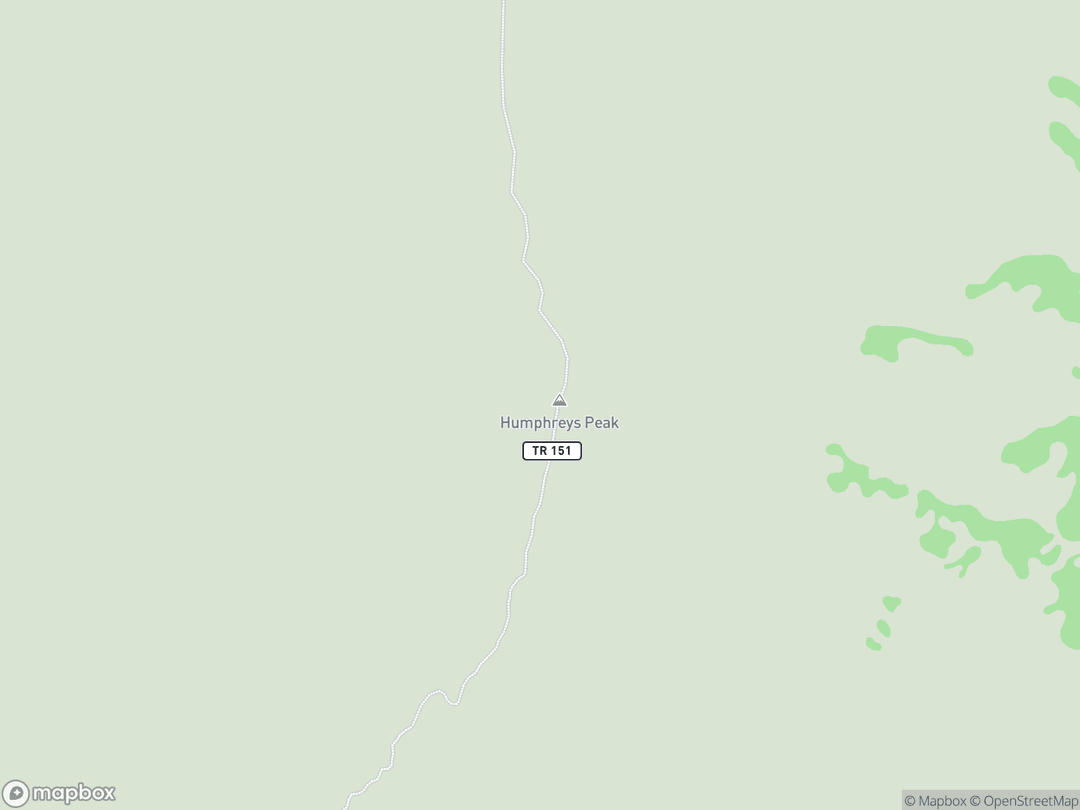
Coconino National Forest, Flagstaff, AZ 86001, United States
Hours: Open 24 hours daily; daylight visits strongly recommended.
Getting There: Located 10–15 miles north of Flagstaff via US-180 West to Snowbowl Road or FR 552 to Lockett Meadow.
Get DirectionsTips for Your Visit
Respect Sacred Offerings
If you encounter prayer sticks, tobacco, or cornmeal offerings, maintain distance and do not disturb or photograph them.
Monsoon Lightning Safety
Summer afternoon thunderstorms develop quickly; turn back from alpine ridges before noon to avoid lightning hazards.
Tundra Conservation
The fragile alpine tundra requires decades to recover from damage; keep boots strictly on established trail corridors.
About
The San Francisco Peaks, known as Doko'oo'sliid to the Diné (Navajo) and Nuva'tikya'ovi to the Hopi, rise dramatically above the Colorado Plateau in Northern Arizona. Reaching an elevation of 12,633 feet at Humphreys Peak, this eroded stratovolcano forms the highest landform in the state and serves as a sacred natural sanctuary for at least 13 Southwestern Indigenous tribes.
For time immemorial, Indigenous nations including the Navajo, Hopi, Zuni, Apache, Havasupai, Hualapai, and Paiute have maintained deep spiritual relationships with the peaks. The mountain range represents a living altar, a source of life-giving water, and the home of divine beings and ancestral spirits who maintain ecological and spiritual balance across the region.
Protected in part as the Kachina Peaks Wilderness within Coconino National Forest, the mountain range encompasses five distinct ecological life zones ranging from ponderosa pine forests to Arizona's only alpine tundra. Despite modern environmental challenges and commercial development, the peaks remain a vital center for prayer, pilgrimage, and Indigenous cultural preservation.
Gallery
Symbolic Elements
The temple's exterior features intricate carvings, each rich with spiritual meaning:

Humphreys Peak Summit
Standing at 12,633 feet, Arizona's apex peak represents the highest physical altar connecting Earth with divine sky realms.

Abalone Shell Pin
Diné tradition holds that First Man secured Doko'oo'sliid to the earth using a sacred pin carved from abalone shell.

Home of the Katsinam
Hopi spiritual tradition honors the peaks as the primary physical home of the ancestral Katsina spirits.

Western Boundary Pillar
The peaks stand as the sacred Western Cardinal Marker delimiting the traditional Navajo homeland of Dinétah.

Inner Basin Caldera
The collapsed volcanic bowl acts as a natural catchment basin nourishing mountain springs and sacred groves.

Alpine Tundra Sanctuary
Arizona's single alpine tundra ecosystem shelters delicate endemic flora like the San Francisco Peaks groundsel.
Life-Giving Rain Clouds
Clouds gathering over the peaks signify spiritual purity and the return of rain to desert agricultural communities.

Abode of the Gaan Spirits
Apache traditions revere the high slopes as the sacred dwelling place of the protective Gaan mountain spirits.
Interesting Facts
Humphreys Peak is Arizona's highest natural elevation at 12,633 feet above sea level. (Tier A)
At least 13 federally recognized Native American tribes hold sacred ties to the mountain. (Tier A)
In 2012, Arizona Snowbowl became the world's first ski resort to make snow from 100% reclaimed wastewater. (Tier B)
Biologist C. Hart Merriam developed his famous Life Zones ecological model on these slopes in 1889. (Tier B)
The peaks contain Arizona's only alpine tundra ecosystem, covering roughly two square miles. (Tier A)
The San Francisco Peaks groundsel flower grows natively nowhere else on Earth. (Tier B)
The town of Flagstaff took its name from a ponderosa pine stripped on the lower slopes for July 4, 1876. (Tier B)
Hopi farmers link corn harvest survival 70 miles away on Hopi Mesas to peak snowpacks. (Tier A)
Ancient volcanic eruptions once made the peak over 15,000 feet high before its collapse. (Tier B)
Common Questions
Why are the San Francisco Peaks considered sacred?
Thirteen Southwestern Indigenous tribes revere the peaks as the home of divine spirits, a source of life-giving water, and a sacred boundary marker.
What is the highest peak in the range?
Humphreys Peak is the highest point in the range and the entire state of Arizona at 12,633 feet.
Can visitors hike to the summit?
Yes, the Humphreys Peak Trail allows public hiking to the summit, though visitors must stay on trails to protect fragile alpine tundra.
What tribes are connected to the mountain?
Tribes include the Navajo, Hopi, Zuni, Havasupai, Hualapai, Yavapai-Apache, White Mountain Apache, Tonto Apache, and Paiute nations.
What is the Hopi name for the mountain?
The Hopi name is Nuva'tikya'ovi, which translates to 'Place of Snow on the Very Top.'
Featured Stories
The Western Pillar of Dinétah
Time Immemorial
In Diné oral history, First Man and First Woman created Doko'oo'sliid as the western pillar of the Navajo cosmos. Adorned with abalone shell, yellow evening light, and male rain, the mountain provides spiritual grounding and protection for traditional healers who gather sacred earth and medicinal herbs from its slopes.
Source: Navajo Cultural Preservation Department
The Return of the Katsinam
Annual Sacred Cycle
Hopi spiritual tradition links the agricultural survival of Mesa villages directly to the mountain's snowpack. Each year, Katsina spirits reside upon Nuva'tikya'ovi before traveling across the high desert to bring life-giving monsoon rains to dry-farmed cornfields seventy miles away.
Source: Hopi Cultural Preservation Office
Intertribal Unity for Sacred Lands
2002
When proposal arose to use reclaimed wastewater for artificial snowmaking, thirteen Southwestern Native American nations formed a historical coalition. Their landmark legal struggle unified diverse tribal traditions in defense of religious freedom, sacred water purity, and indigenous land rights.
Source: Native American Rights Fund
Timeline
Spanish Franciscan Naming
Spanish missionaries bestow the name San Francisco Peaks upon the mountain range.
EventUS Army Surveys
Captain Lorenzo Sitgreaves leads early American administrative mapping around the peaks.
EventFlagstaff Centennial Flagpole
Settlers strip a ponderosa pine on the slopes to raise a flag, inspiring the town name.
EventRailroad Arrival
The Atlantic & Pacific Railroad reaches Flagstaff, accelerating regional timber harvests.
EventLife Zones Scientific Model
Biologist C. Hart Merriam formulates ecological Life Zones after studying the peaks.
MilestoneForest Reserve Established
President McKinley creates the San Francisco Mountain Forest Reserve.
MilestoneSki Resort Construction
Arizona Snowbowl ski facility opens on the western slopes of Agassiz Peak.
EventResort Expansion Approval
The US Forest Service approves expansion plans, sparking legal resistance.
EventKachina Peaks Wilderness Designated
Congress passes the Arizona Wilderness Act protecting upper mountain slopes.
DedicationNinth Circuit Ruling
Federal appellate panel initially rules in favor of tribal religious freedom claims.
EventWastewater Snowmaking Begins
Arizona Snowbowl starts artificial snow production using reclaimed municipal effluent.
EventState Supreme Court Decision
Arizona Supreme Court rejects public nuisance challenge against snowmaking.
EventHistory by Decade
Time Immemorial — Indigenous Sacred Beginnings
Thirteen Southwestern tribes establish enduring spiritual relationships with the mountain range. Pilgrims conduct sacred journeys to collect medicinal herbs, spring water, and earth for ceremonial use.
1620s–1850s — Spanish Encounters & Mapping
Spanish Franciscans rename the range San Francisco Peaks in 1829. United States Army expeditions survey the 35th parallel in the 1850s, bringing federal oversight to Northern Arizona.
1880s–1890s — Science & Forest Conservation
Biologist C. Hart Merriam formulates his ecological Life Zones concept on the slopes in 1889. President McKinley establishes the San Francisco Mountain Forest Reserve in 1898 to limit logging.
1930s–1970s — Ski Resort Development
Arizona Snowbowl ski resort opens on western slopes in 1938 despite tribal concerns. Landmark lawsuit Wilson v. Block in 1983 upholds federal permits for ski area growth.
1980s–2000s — Wilderness Protections & Wastewater Disputes
Congress establishes the 18,960-acre Kachina Peaks Wilderness in 1984. Thirteen tribes file federal lawsuits between 2002 and 2008 contesting municipal wastewater snowmaking.
2010s–Present — Human Rights Advocacy
Snowmaking with reclaimed effluent begins in 2012, prompting global prayer runs and human rights appeals. Tribal nations continue annual gatherings to affirm sacred mountain protections.
Architecture & Facilities
The San Francisco Peaks represent a natural volcanic stratovolcano landscape whose architecture is defined by dramatic spatial geography, steep volcanic slopes, and vertical ecological life zones rather than human masonry.
Building Materials
Volcanic Andesite & Dacite
Layered lava flows formed during Pleistocene stratovolcano eruptions over 400,000 years ago.
Glacial Till & Pyroclastics
Glacial deposits and volcanic ash shaping the steep amphitheater of the Inner Basin.
Ponderosa & Aspen Groves
Living timber columns forming dense lower mountain forest canopies.
Alpine Rock & Scree
High elevation basaltic scree fields surrounding Arizona's highest summits.
Interior Features
Inner Basin Caldera
The expansive central volcanic bowl harboring mountain springs and quaking aspen forests.
Humphreys Peak Summit Ridge
The elevated 12,633-foot ridge offering panoramic vistas across Northern Arizona.
Alpine Tundra Zone
Arizona's single two-square-mile tundra field situated above tree line.
Subalpine Spruce Canopy
Dense high-altitude evergreen groves buffering upper mountain wilderness zones.
Temple Grounds
Encompasses 18,960 acres of protected wilderness within Coconino National Forest, featuring steep hiking trails and pristine mountain watersheds.
Additional Facilities
Visitor access facilities include trailhead parking areas, scenic overlook vistas, and the Arizona Snowbowl recreational corridor.
Religious Significance
For Southwestern Indigenous peoples, the San Francisco Peaks serve as a sacred mountain cathedral created by divine forces to sustain life, order, and spiritual harmony.
To anchor physical boundaries, collect sacred water, house divine spirits, and provide medicinal earth for traditional healing.
Sacred Ordinances
Pilgrimage & Soil Gathering
Traditional healers make sacred journeys to collect earth and plants for ceremonial medicine bundles.
Katsina Rain Ceremonies
Hopi prayers honor ancestral spirits who dwell on the peaks and bring rain to dryland cornfields.
Prayer Runs & Gatherings
Intertribal youth runs and prayer cycles maintain spiritual connection and advocate for environmental protection.
The Four Boundary Pillars
In Navajo cosmology, Doko'oo'sliid forms the western cardinal pillar protecting Dinétah along with three other sacred mountains.
Similar Temples
Sources & Research
Every fact on Temples.org is backed by verified Sources & Research. Each piece of information is rated by source tier and confidence level.
View All Sources (7)
| Field | Source | Tier | Retrieved |
|---|---|---|---|
| About & Historical Background | U.S. Forest Service - Coconino National Forest (opens in a new tab) | A | 2026-02-18 |
| Religious & Cultural Significance | Navajo Nation Official Government Portal (opens in a new tab) | A | 2026-02-18 |
| Indigenous Sacred Cosmology | The Hopi Tribe Official Website (opens in a new tab) | A | 2026-02-18 |
| Legal & Human Rights Advocacy | Native American Rights Fund (opens in a new tab) | A | 2026-02-18 |
| Conservation & Wilderness Protections | Wilderness Connect (opens in a new tab) | B | 2026-02-18 |
| Ecological Life Zones & Geography | United States Geological Survey (opens in a new tab) | B | 2026-02-18 |
| Visitor Insights & Environmental Etiquette | Arizona Game and Fish Department (opens in a new tab) | B | 2026-02-18 |