Visitor Insights
Visiting Fo Guang Shan Hsi Lai Temple
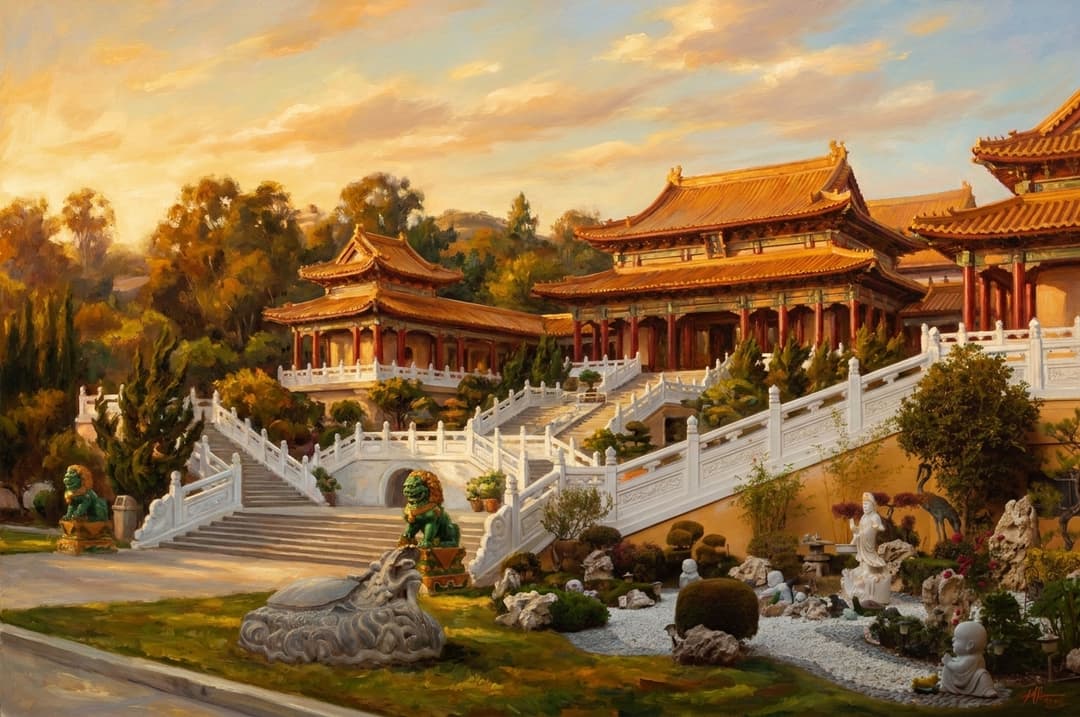
Visitors to Hsi Lai Temple experience an authentic Imperial Chinese monastic setting featuring tranquil courtyards, traditional shrines, and landscaped gardens. The grounds offer an educational look into Humanistic Buddhism and East Asian art.
Highlights
- Main Shrine with 10,000 gilded Buddha wall niches
- Traditional Mountain Gate and Bodhisattva Hall
- Arhat Garden featuring 18 hand-carved granite disciple statues
- Water Drop Teahouse serving plant-based vegetarian cuisine
Things to Know
- Modest attire required with shoulders and knees covered
- Remove footwear before entering interior shrine rooms
- Maintain quiet, respectful decorum inside prayer halls
- No indoor photography in active shrine areas
Location
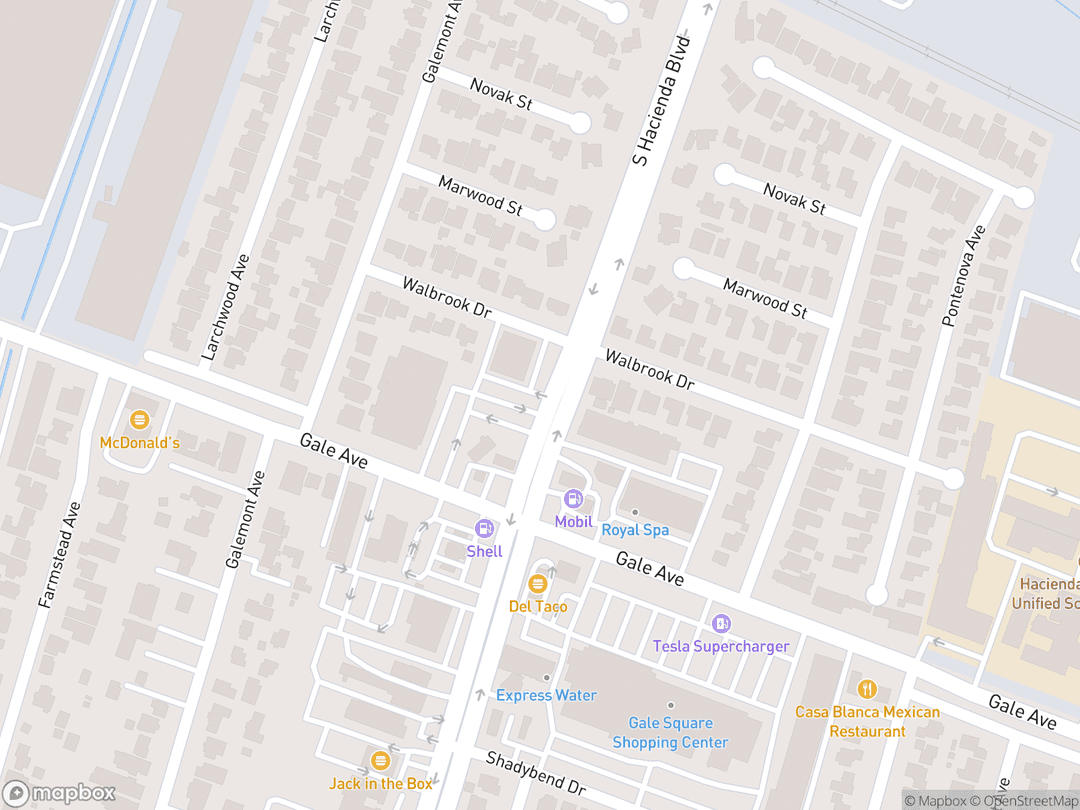
3456 Glenmark Drive, Hacienda Heights, CA 91745
Hours: Open daily from 9:00 AM to 5:00 PM
Getting There: Located in Hacienda Heights off Highway 60 via Hacienda Boulevard to Glenmark Drive, with free terraced parking at the base of the hill.
Get DirectionsTips for Your Visit
Visitor Etiquette
Dress conservatively covering shoulders and knees, and speak softly when entering sacred hall spaces.
Vegetarian Dining
Visit the Water Drop Teahouse on-site for peaceful vegetarian tea and noodle lunch service.
Best Timing
Visit on weekday mornings for quiet contemplation and optimal garden photography.
About
Rooted in the ancient Dharmic traditions of India and the Mahayana Linji Chan lineage, Fo Guang Shan Hsi Lai Temple stands as the largest Buddhist monastic complex in the Western Hemisphere. Founded in 1988 by Venerable Master Hsing Yun, the temple serves as the regional headquarters for Fo Guang Shan and the Buddha's Light International Association (BLIA).
The name 'Hsi Lai' translates to 'Coming to the West,' symbolizing the transmission of East Asian Buddhist wisdom and cultural heritage to North America. The complex embodies Humanistic Buddhism, which emphasizes awakening through active mindfulness, education, charity, and community service.
Situated on a 15-acre hillside in Hacienda Heights, the temple's classical Ming and Qing Dynasty architecture offers a serene sanctuary for meditation, interfaith engagement, and Dharma study in southern California.
Gallery
Symbolic Elements
The temple's exterior features intricate carvings, each rich with spiritual meaning:

Imperial Yellow Roof Tiles
Hand-glazed terracotta tiles in imperial yellow represent spiritual noble authority and the illuminating light of the Dharma.

Cinnabar Red Columns
Vibrant red structural pillars mark the sanctified boundaries of monastic space set apart from secular life.
Ten Thousand Buddhas Wall
Over ten thousand gilded Buddha statues housed in wall niches signify the innate Buddha-nature present within all sentient beings.
Arhat Garden
Eighteen life-sized granite statues depict enlightened disciples of the Buddha amidst serene pine tree landscaping.

Mountain Gate
A traditional triple-arched entry pavilion marking the symbolic transition from the worldly realm to spiritual practice.

Courtyard Bronze Censer
A large central incense burner where offerings purify the mind and symbolize the far-reaching scent of virtue.

Three Buddhas of Main Shrine
Central statues of Sakyamuni, Amitabha, and Medicine Buddha symbolize universal guidance across time and space.
Interesting Facts
Hsi Lai Temple was established in 1988 as the largest Chinese Buddhist monastic complex in the Western Hemisphere. (Tier A)
The name Hsi Lai means 'Coming to the West,' expressing the goal of transmitting Buddhist teachings to North America. (Tier A)
The Main Shrine features over 10,000 gilded Buddha statues housed in illuminated individual wall niches. (Tier A)
It required seven years, six county hearings, and over 100 community meetings to secure original construction permits. (Tier B)
Modern fire sprinklers are concealed inside decorative traditional roof bracket systems called dougong. (Tier B)
The temple served as the original home of University of the West, the first accredited Buddhist-founded U.S. university. (Tier A)
The complex featured as a pit stop destination on Season 19 of the reality show The Amazing Race in 2011. (Tier B)
The on-site Water Drop Teahouse serves traditional plant-based vegetarian meals daily to visitors and monastics. (Tier A)
All ten major buildings are arranged along an ascending north-south axis modeled on Ming Dynasty imperial courts. (Tier A)
Common Questions
What does Hsi Lai mean?
Hsi Lai translates to 'Coming to the West,' signifying the transmission of East Asian Buddhist wisdom to North America.
Is there an entry fee to visit Hsi Lai Temple?
Admission and parking at the temple are completely free to the public daily.
What is the dress code for visitors?
Visitors must wear modest attire covering shoulders and knees; sleeveless tops and short skirts are prohibited.
Can visitors dine at the temple?
Yes, the Water Drop Teahouse on-site offers vegetarian meals, tea, and plant-based refreshments daily.
Is photography allowed inside the temple?
Outdoor photography in gardens and courtyards is allowed, but photography inside shrine halls is restricted.
Featured Stories
Overcoming Zoning Challenges
1985
Between 1978 and 1985, temple organizers participated in over 100 community meetings and six public hearings to alleviate local concerns about traffic and cultural differences. Architect Anthony Yang adapted the plans by reducing roof heights and eliminating a high-rise pagoda to achieve unanimous civic approval.
Source: Fo Guang Shan Archives & LA County Records
The Consecration of 1988
November 26, 1988
On November 26, 1988, over 5,000 international guests and local residents gathered on the Hacienda Heights hillside to consecrate the complex. The multi-hour ceremony marked the establishment of the largest Chinese monastic center in the Western Hemisphere.
Source: Hsi Lai Temple Historical Records
Birthplace of University of the West
1990
In 1990, Master Hsing Yun established International Buddhist University within the Hsi Lai Temple complex to integrate Eastern philosophy with modern Western education. The institution later moved to Rosemead as University of the West, becoming the first accredited Buddhist-founded university in the United States.
Source: University of the West Historical Archives
Timeline
Initial Vision
Venerable Master Hsing Yun visits North America and identifies the need for a Western monastic headquarters.
MilestoneOrganization Registered
The International Buddhist Progress Society registers in California and selects the 15-acre Hacienda Heights site.
MilestoneZoning Hearings Begin
Community outreach begins amidst local public debate over zoning and conditional use permits.
EventConstruction Commences
Following architectural design adjustments, Los Angeles County grants permits and groundbreaking occurs.
component.timeline.groundbreakingOfficial Consecration
Over 5,000 attendees celebrate the formal opening of the completed 15-acre monastic complex.
DedicationUniversity Founded
International Buddhist University opens on temple grounds before expanding into University of the West.
MilestoneInaugural BLIA Conference
The Buddha's Light International Association hosts its first World General Conference at Hsi Lai.
EventCivic Gathering
Vice President Al Gore attends a community luncheon hosted at the temple complex.
EventHsi Lai School Expansion
Educational programs expand to offer Chinese language, calligraphy, and mindfulness classes to local youth.
Milestone20th Anniversary Restoration
Major maintenance revitalizes gold leaf artwork and glazed roof tiles while monastics raise Sichuan relief funds.
RenovationGreen Energy Upgrades
Solar power generation arrays and drought-tolerant landscaping are integrated across the grounds.
RenovationFounder's Memorial
Thousands gather at Hsi Lai Temple to honor the legacy of founder Venerable Master Hsing Yun upon his passing.
EventHistory by Decade
1970s — Vision and Site Selection
Following a visit during the 1976 American Bicentennial, Venerable Master Hsing Yun recognized the need for a major monastic center in North America. In 1978, the International Buddhist Progress Society selected a 15-acre hillside parcel in Hacienda Heights.
1980s — Permitting, Construction, and Consecration
The development faced extensive public hearings regarding traffic and building design. Architect Anthony Yang modified the architectural scale to complement the neighborhood. Construction finished in late 1988, followed by a major consecration ceremony on November 26, 1988.
1990s — Education and Global Expansion
The 1990s marked the growth of educational institutions on-site, including the founding of International Buddhist University. In 1992, the temple hosted the inaugural BLIA World General Conference, establishing its status as a global lay Buddhist hub.
2000s — Cultural Bridge and Community Support
Hsi Lai Temple deepened its roots through youth educational programs and international humanitarian relief efforts. In 2008, comprehensive restoration restored the interior gilded statues and exterior roof tile work for its 20th anniversary.
2010s — Environmental Sustainability
The complex modernized its operations by installing rooftop solar panels, high-efficiency lighting, and eco-friendly landscaping. The site also gained pop culture recognition through features on national broadcasts such as The Amazing Race.
2020s — Digital Outreach and Legacy
During the COVID-19 pandemic, monastics launched daily virtual Dharma services and online meditation retreats. In February 2023, the community hosted formal memorial services commemorating founder Master Hsing Yun's lifetime of Humanistic Buddhist teaching.
Architecture & Facilities
Hsi Lai Temple is designed in traditional Imperial Chinese Monastic Architecture, modeled after Ming and Qing Dynasty palace complexes. Organized along a central ascending north-south axis built into the hillside, the ten connected buildings incorporate classical timber-frame forms while utilizing earthquake-resistant steel-reinforced concrete construction.
Building Materials
Terracotta Roof Tiles
Thousands of imported hand-glazed yellow terracotta tiles crowned with traditional fire-warding ridge beasts.
Reinforced Concrete Frame
Steel-reinforced concrete posts painted in cinnabar red, meeting California seismic codes while replicating timber frames.
White Marble Balustrades
Carved white marble guardrails and stone steps surrounding the central courtyards and terraces.
Granite Bas-Reliefs
Hand-carved granite panels portraying scenes from the life and teachings of Sakyamuni Buddha.
Interior Features
Main Shrine Hall
The primary sanctuary featuring ten thousand gilded wall niches and three grand Buddha statues.
Bodhisattva Hall
The initial lower shrine housing statues of five primary Mahayana Bodhisattvas.
Exhibition Museum
A cultural gallery displaying Buddhist artifacts, sacred art, and historical calligraphic works.
Meditation Hall
A quiet interior space dedicated to traditional Chan meditation retreats and mindfulness classes.
Temple Grounds
The 15-acre landscaped grounds feature the Arhat Garden, Memorial Pagoda, terraced stone plazas, and native California flora mixed with traditional bamboo and pine groves.
Additional Facilities
The site includes the Water Drop Teahouse vegetarian restaurant, a public Buddhist library, lecture halls, administrative offices, and monastic residence quarters.
Religious Significance
Within the Dharmic traditions and Mahayana Buddhism, Hsi Lai Temple functions as a major sanctuary for spiritual cultivation, ethical mindfulness, and communal harmony.
To propagate Humanistic Buddhism by applying the Buddha's teachings to everyday life through education, cultural exchange, charitable service, and spiritual practice.
Sacred Ordinances
Chanting and Liturgy
Daily morning and evening monastic chanting services praising the Buddhas and Bodhisattvas.
Chan Meditation
Guided silent meditation instruction focusing on breath awareness and mental clarity.
Refuge and Precept Ceremonies
Formal ceremonies where devotees take refuge in the Three Jewels and commit to the Five Precepts.
Bathing the Buddha Ritual
An annual Vesak ritual commemorating the Buddha's birth through symbolic ceremonial purification.
Humanistic Buddhism in North America
Hsi Lai Temple translates ancient monastic discipline into accessible daily practice, emphasizing peace, community integration, and compassionate engagement in Western society.
Sources & Research
Every fact on Temples.org is backed by verified Sources & Research. Each piece of information is rated by source tier and confidence level.
View All Sources (6)
| Field | Source | Tier | Retrieved |
|---|---|---|---|
| About & Historical Background | Fo Guang Shan Hsi Lai Temple (opens in a new tab) | A | 2026-03-30 |
| Architecture & Design | Fo Guang Shan Buddhist Order (opens in a new tab) | A | 2026-03-30 |
| Symbolic Elements | University of the West (opens in a new tab) | B | 2026-03-30 |
| Religious Significance & Practices | Buddha's Light International Association (opens in a new tab) | A | 2026-03-30 |
| Featured Stories & Public History | Los Angeles Times Archives (opens in a new tab) | B | 2026-03-30 |
| Timeline & Key Events | Los Angeles County Department of Regional Planning (opens in a new tab) | B | 2026-03-30 |