Visitor Insights
Visiting Shrine of Phra Phrom (Four-Faced Buddha)
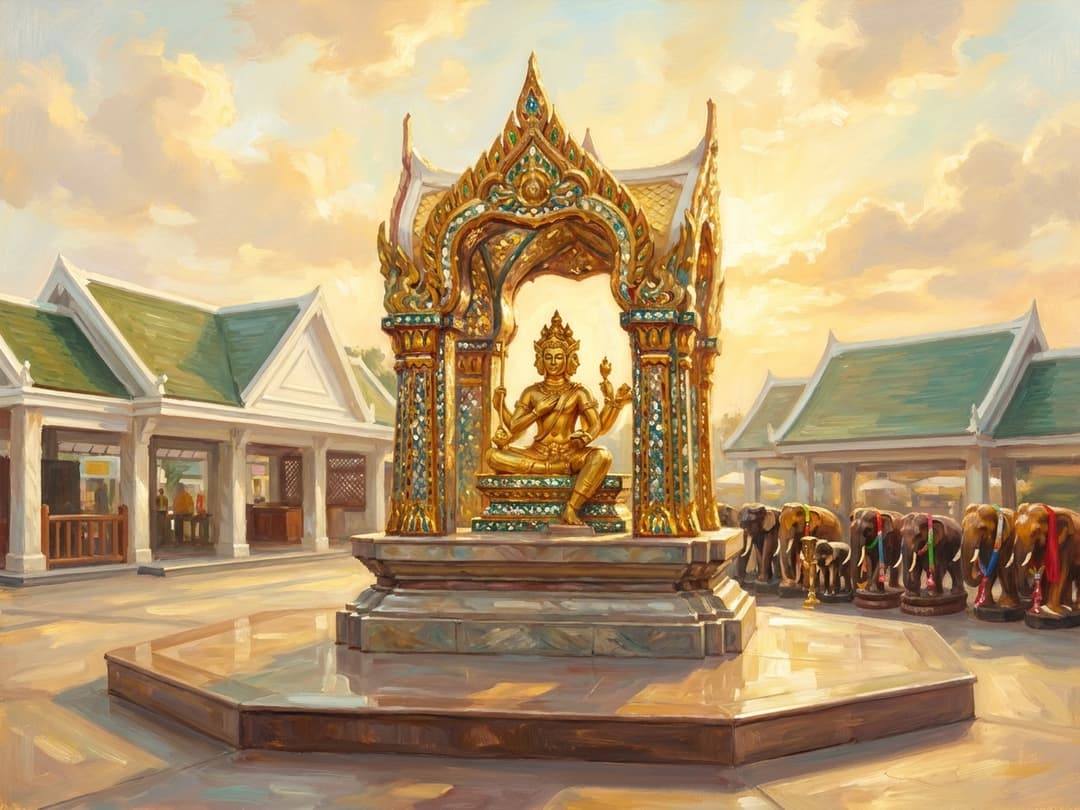
The Shrine of Phra Phrom provides an open-air sanctuary that remains accessible to all visitors throughout the day and night. Situated in a landscaped corner of the Roman Plaza, it welcomes pilgrims seeking silent meditation and respectful cultural observation.
Highlights
- Experience the serene aroma of burning sandalwood incense amid the bustling energy of the Strip.
- Observe traditional clockwise circumambulation and prayer at each of the four cardinal faces.
- View the intricate Thai flame motifs and reflective mirrored mosaics adorning the raised bronze pavilion.
- Participate in merit-making through a dedicated charitable box supporting children's welfare in Thailand.
Things to Know
- Please maintain reverent behavior and speak softly during devotional circumambulation.
- Do not touch, climb, or place non-devotional personal items on the consecrated gilded bronze pedestal.
- Early morning hours between 6:00 AM and 9:00 AM offer the most peaceful atmosphere for prayer.
Location
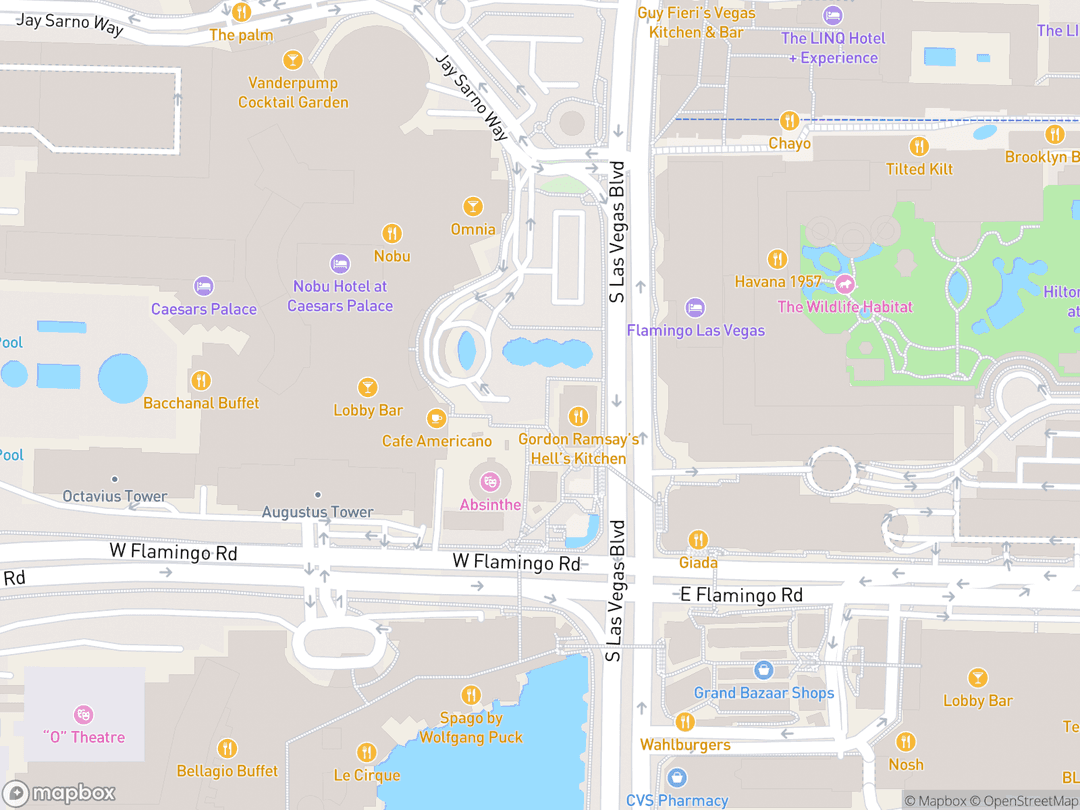
Roman Plaza at Caesars Palace, 3570 S Las Vegas Blvd, Paradise, NV 89109
Hours: Open 24 hours daily, year-round
Getting There: Located outdoors on the Roman Plaza at Caesars Palace, immediately adjacent to the pedestrian walkway on South Las Vegas Boulevard.
Get DirectionsTips for Your Visit
Clockwise Devotion
Begin prayers at the front face and circumambulate clockwise to honor each divine virtue sequentially.
Offerings and Incense
Use the on-site dispensers for incense and marigolds, or bring offerings of clean water and fresh blossoms.
Charitable Donations
Cash placed in the secure donation box is audited and forwarded directly to philanthropic foundations in Thailand.
About
The Shrine of Phra Phrom stands as a consecrated sacred monument within the Roman Plaza outside Caesars Palace on the Las Vegas Strip. Installed in 1984, the four-ton gilded bronze sanctuary represents an authentic American continuation of Bangkok's celebrated Erawan Shrine tradition, offering a reverent space for prayer, reflection, and merit-making.
Rooted in Thai Theravada Buddhism and broader Dharmic cosmology, the shrine venerates Phra Phrom, the Thai personification of the noble celestial being Brahma Sahampati. Colloquially revered across East Asia as the 'Four-Faced Buddha,' the four countenances of the deity gaze toward the cardinal directions, symbolizing the four divine abodes of loving-kindness, compassion, altruistic joy, and equanimity.
Amid the vibrant neon energy of southern Nevada, the shrine functions as a spiritual bridge connecting Asian pilgrimage customs with Western public life. Devotees and visitors from around the world gather daily beneath the desert sky to offer fragrant sandalwood incense, drape fresh marigold garlands, and participate in a sustained tradition of philanthropic giving.
Gallery
Symbolic Elements
The temple's exterior features intricate carvings, each rich with spiritual meaning:

The Four Faces
Each face personifies one of the Four Immeasurables: loving-kindness, compassion, sympathetic joy, and equanimity.

Book of Sacred Wisdom
Held in an upper hand, the sacred text represents universal truth and the mastery of ethical knowledge.
Prayer Beads
The rosary symbolizes continuous mindfulness, meditative focus, and the cycle of karmic time.

Water Vessel
The ascetic water jar represents spiritual purification, healing nectar, and the generous flow of life.
Royal Scepter
The staff signifies righteous spiritual sovereignty, resolute willpower, and defense against unwholesome deeds.

Conch Shell
The spiral conch proclaims the truth of the Dharma and invites auspicious blessings to petitioners.

Wheel of Dharma
The spoked disc embodies cosmic balance, protection, and the perpetual turning of universal law.
Tiered Prasat Spire
The ascending multi-tiered spire symbolizes Mount Meru and the celestial architecture of the devalokas.
Interesting Facts
The monument is an authentic consecrated sacred shrine crafted by master foundry artisans in Thailand (Tier A).
Its re-dedication ceremony was held precisely at 9:09 AM on September 27 to honor Thailand's King Rama IX (Tier B).
The entire gilded bronze statue assembly weighs over four tons, contrary to lower estimates in casual guidebooks (Tier B).
Donations placed in the shrine's collection box are systematically transmitted to charitable schools in Thailand (Tier B).
The shrine is revered by Theravada Buddhists, Mahayana practitioners, Hindus, and Jains alike (Tier B).
Resort management has preserved and protected the shrine through dozens of major plaza redevelopments (Tier B).
The four countenances represent the Brahmaviharas of loving-kindness, compassion, sympathetic joy, and equanimity (Tier A).
The shrine forms an aromatic oasis of sweet incense and quiet prayer just steps from the Strip's pedestrian traffic (Tier B).
Common Questions
Why is a Thai Buddhist shrine located at Caesars Palace?
The shrine was donated in 1984 by Thai cultural patrons to bestow blessings and welcome Asian travelers to Nevada.
Who is Phra Phrom in Buddhist tradition?
Phra Phrom is the Thai representation of Brahma Sahampati, the exalted deva who requested the Buddha to teach the Dharma.
Are non-Buddhists allowed to visit and pray here?
The open-air shrine is free and warmly accessible to individuals of all cultural and religious backgrounds.
How should visitors approach and pray at the shrine?
Devotees typically offer incense, present marigold garlands, and circumambulate clockwise around all four countenances.
Featured Stories
The Sacred Invocations of Bangkok
November 25, 1983
Before embarking across the Pacific Ocean, the four-ton bronze monument underwent solemn casting rites in Bangkok, Thailand. Senior Theravada monks and royal court ritualists supervised the foundry process to instill spiritual potency and protective virtues into the bronze matrix. The formal invocations ensured that the American shrine would serve as an authentic celestial sanctuary for international pilgrims.
Source: Dedication Inscriptions and Archival Foundry Records
A Consecration of International Good Will
February 5, 1984
When the shrine was unveiled along the Las Vegas Strip, a distinguished delegation of Thai Buddhist monks performed purification rites. Donated by Thai media visionary Kampol Vacharaphol and the Hon family, the ceremony welcomed visitors of all heritages with traditional blessings. The installation forged a lasting bond of cultural harmony and benevolent goodwill between Thailand and the American West.
Source: Historic Consecration Archive
The Auspicious Alignment of Nine
September 27, 2009
Resort leaders and monastics gathered at precisely 9:09 AM to reconsecrate the shrine following its relocation to the Roman Plaza. Scheduled on the twenty-seventh day to celebrate Thailand's ninth monarch, King Rama IX, the ceremony honored the Thai symbol of progress through ancient chants and sacred dance. Resort officials released nine white peace doves into the desert sky to signify long life, compassion, and renewed harmony.
Source: Roman Plaza Re-dedication Records
Timeline
Bangkok Erawan Precedent Established
The original Erawan Shrine is consecrated in Bangkok to restore harmony during hotel construction.
MilestoneSacred Bronze Casting
The four-ton bronze statue is cast in Bangkok under the spiritual supervision of Thai Buddhist monks.
MilestoneFormal Las Vegas Consecration
The monument is installed at Caesars Palace and blessed by an assembly of visiting Thai monastics.
DedicationCharitable Trust Established
Caesars Palace establishes an audited program forwarding visitor donations to Thai welfare charities.
EventRegional Monastic Blessings
Resident monks from southern Nevada Theravada centers establish regular blessing visits to the shrine.
EventRelocation to Roman Plaza
Pedestrian development prompts the careful relocation of the sanctum to its current courtyard position.
RenovationRe-Dedication at 9:09 AM
Buddhist monks, classical dancers, and civic leaders re-consecrate the shrine with the release of nine doves.
DedicationPlaza Preservation Covenant
Resort planners safeguard the open-air sanctuary during the modernization of surrounding dining pavilions.
MilestoneAnnual Merit-Making Observance
Pilgrims and monastics gather to chant verses of protection following international travel resumptions.
EventFour Decades of Devotion
The shrine marks forty continuous years of welcoming international pilgrims on the Las Vegas Strip.
MilestoneHistory by Decade
1950s–1970s — The Bangkok Precedent
Following repeated structural difficulties during the construction of Bangkok's Erawan Hotel, ritualists erected a dedicated shrine to Phra Phrom in 1956. The immediate restoration of safety transformed the site into one of Southeast Asia's most revered pilgrimage shrines. The resulting devotional tradition established a global architectural precedent for outdoor hypaethral sanctuaries across Asian cultural centers.
1980s — Conception, Casting, and American Arrival
In 1983, Thai newspaper visionary Kampol Vacharaphol and the Hon family commissioned a four-ton bronze replica of the Erawan icon to present to Las Vegas. Consecrated on February 5, 1984, by visiting Thai Theravada monks, the monument welcomed visitors of all backgrounds. Caesars Palace established a protocol pledging all shrine donations to charitable organizations in Thailand.
1990s — Devotional Growth and Monastic Care
As international travel from Asia expanded, the Las Vegas shrine became an essential spiritual landmark for Buddhist, Hindu, and Jain travelers. Regional monks from Wat Buddhamanikaram and neighboring centers began visiting regularly to chant blessings and assist pilgrims. The shrine established itself as an authentic cultural and sacred oasis amid the rapidly expanding resort corridor.
2000s — Relocation and Auspicious Re-Dedication
Due to extensive resort renovations, the shrine was relocated to a tranquil landscaped setting within the Roman Plaza in 2004. On September 27, 2009, at exactly 9:09 AM, a major re-dedication ceremony honored King Rama IX and invoked the auspicious numerology of nine. Buddhist purification chants, traditional choreography, and the flight of nine white peace doves marked this civic milestone.
2010s–Present — Enduring Presence on the Strip
Throughout multiple commercial redevelopments along the Las Vegas Boulevard frontage, resort leadership has diligently protected the shrine's open footprint. The sanctuary continues to draw thousands of pilgrims weekly for quiet prayer, floral offerings, and reflective meditation. It remains an enduring testament to Dharmic spiritual traditions thriving within an energetic American metropolis.
Architecture & Facilities
The Shrine of Phra Phrom exemplifies classical Thai Buddhist sacral architecture in the open-air Mondop and Prasat traditions, characterized by a multi-tiered roof canopy, flame ornamentation, and four-sided hypaethral layout designed for clockwise circumambulation.
Building Materials
Cast Gilded Bronze
The monumental four-ton central icon is cast in solid bronze and finished in bright gold leaf.
Mirrored Glass Tesserae
Intricate colored glass mosaics adorn the gables to reflect morning and afternoon sunlight.
Granite and Marble Plinth
A polished multi-tiered stone platform elevates the sacred statue above the plaza pavement.
Polished Brass Enclosure
Protective brass stanchions and guard railings encircle the sacred perimeter for orderly circumambulation.
Interior Features
North-Facing Countenance
The northern visage radiates benevolence and receives prayers concerning career, education, and moral purpose.
East-Facing Countenance
The eastern visage embodies compassion and receives petitions for harmonious family and interpersonal relationships.
South-Facing Countenance
The southern visage manifests sympathetic joy and bestows blessings on righteous material well-being.
West-Facing Countenance
The western visage signifies equanimity and receives vows dedicated to health, healing, and peace of mind.
Temple Grounds
Situated within a quiet landscaped courtyard of Mediterranean palms, cypress trees, and flowering shrubs on the Roman Plaza, creating a calm buffer against boulevard traffic.
Additional Facilities
An open devotional table supplies incense sticks, candles, and yellow marigold garlands alongside an audited charitable donation receptacle.
Religious Significance
Within the shared cosmological framework of Buddhism and Hinduism, Phra Phrom represents the noble deva Brahma Sahampati, who reverently invited the Buddha to turn the Wheel of the Law for humanity.
To provide a consecrated sanctuary where living beings can cultivate the four divine virtues and generate wholesome karmic merit.
Sacred Ordinances
Pradakshina (Circumambulation)
Pilgrims walk clockwise around the four-sided pavilion while maintaining mindful recollection of universal virtues.
Incense and Floral Offerings
Devotees place yellow marigold chains and fragrant incense at each face as symbols of devotion and impermanence.
Dana (Merit-Making)
Worshipers practice generosity by giving funds that support educational institutions and orphanages in Thailand.
The Four Immeasurables (Brahmaviharas)
The countenances illustrate the four sublime states of consciousness: metta (unconditional love), karuna (active compassion), mudita (joy in others' happiness), and upekkha (balanced equanimity).
Dharmic Syncretism in Southeast Asia
The shrine exemplifies how Southeast Asian Buddhism harmoniously integrates ancient Brahmanical guardian figures as protectors of the Dharma and benevolent patrons of human well-being.
Similar Temples
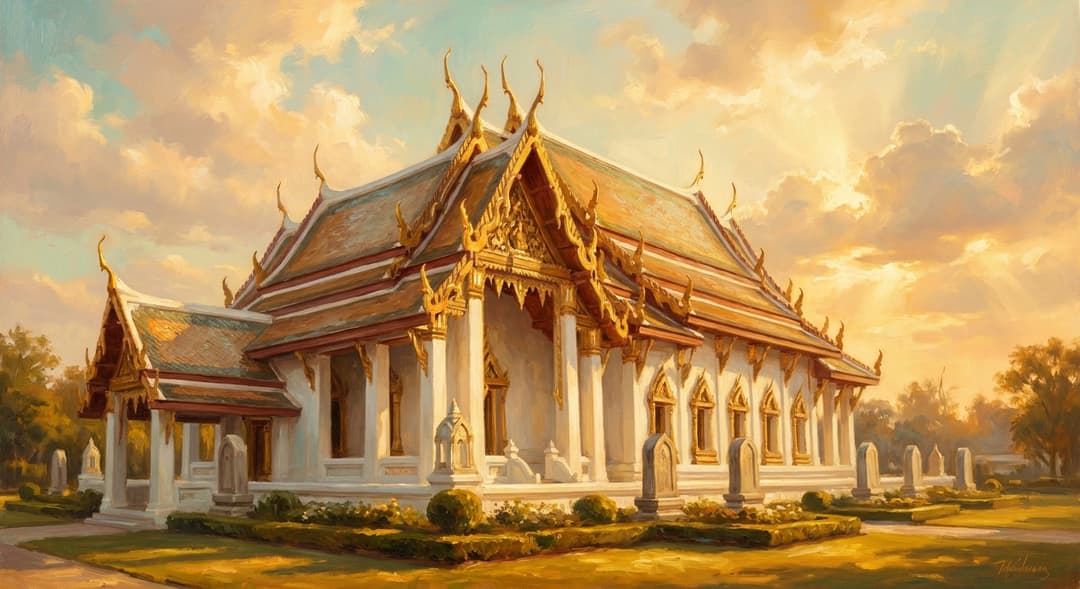
Sources & Research
Every fact on Temples.org is backed by verified Sources & Research. Each piece of information is rated by source tier and confidence level.
View All Sources (9)
| Field | Source | Tier | Retrieved |
|---|---|---|---|
| About & Historical Background | Casino.org Heritage Research (opens in a new tab) | B | 2026-03-30 |
| Dedication & Consecration Records | Marks Las Vegas Architectural Archives (opens in a new tab) | B | 2026-03-30 |
| Cultural Devotion & Global Pilgrimage | Babushahi News Network (opens in a new tab) | B | 2026-03-30 |
| Sacred Iconography & Symbolism | Dharma Wheel Buddhist Discourse (opens in a new tab) | B | 2026-03-30 |
| Architecture & Structural Specifications | Maptons Spatial & Urban Registry (opens in a new tab) | B | 2026-03-30 |
| Visitor Insights & Devotional Etiquette | Alamy Heritage Archives (opens in a new tab) | B | 2026-03-30 |
| Civic Ceremonies & 2009 Re-Dedication | Dokumen Public Archival Repository (opens in a new tab) | B | 2026-03-30 |
| Public Devotional Culture | Insomniac Arts & Culture (opens in a new tab) | B | 2026-03-30 |
| Visual Documentation & Grounds Layout | Dreamstime Visual Documentation Archive (opens in a new tab) | B | 2026-03-30 |