Visitor Insights
Visiting Boa Ogoi Sacred Site
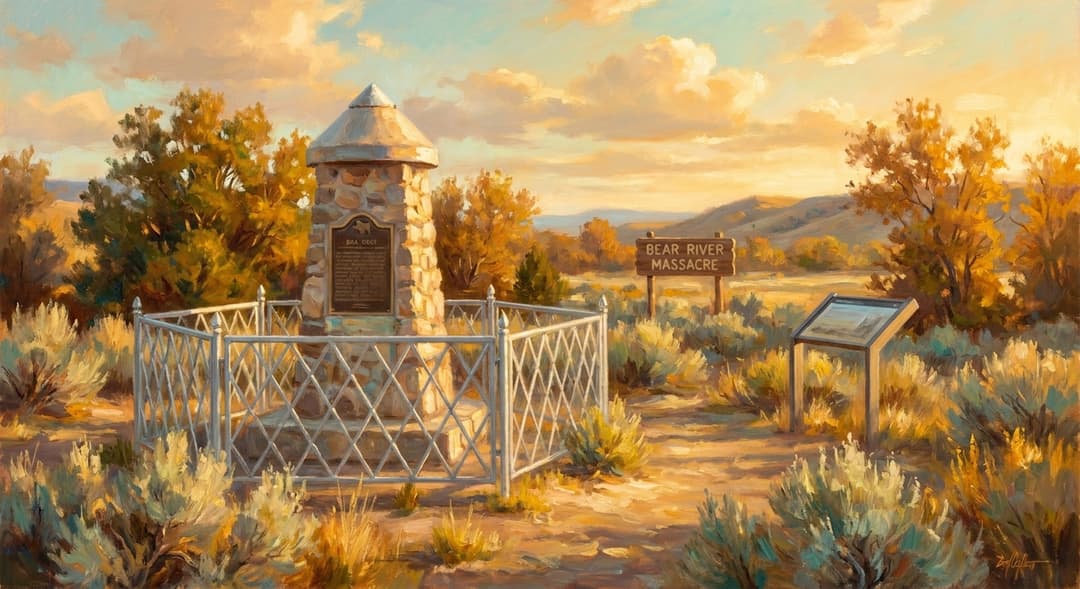
Visitors to Boa Ogoi experience a place of quiet reflection, natural beauty, and profound historical memory. The site offers outdoor overlooks and interpretive panels overlooking the restored Battle Creek ravine.
Highlights
- Self-guided walking overlooks offering panoramic views of the Bear River valley.
- Historic markers detailing the 1863 massacre and tribal oral histories.
- Restored native riparian wetland habitat filled with indigenous flora and wildlife.
Things to Know
- This site is a sacred burial ground; visitors must maintain quiet reverence.
- Do not touch, move, or remove sacred prayer offerings such as cloth bundles or tobacco ties.
Location
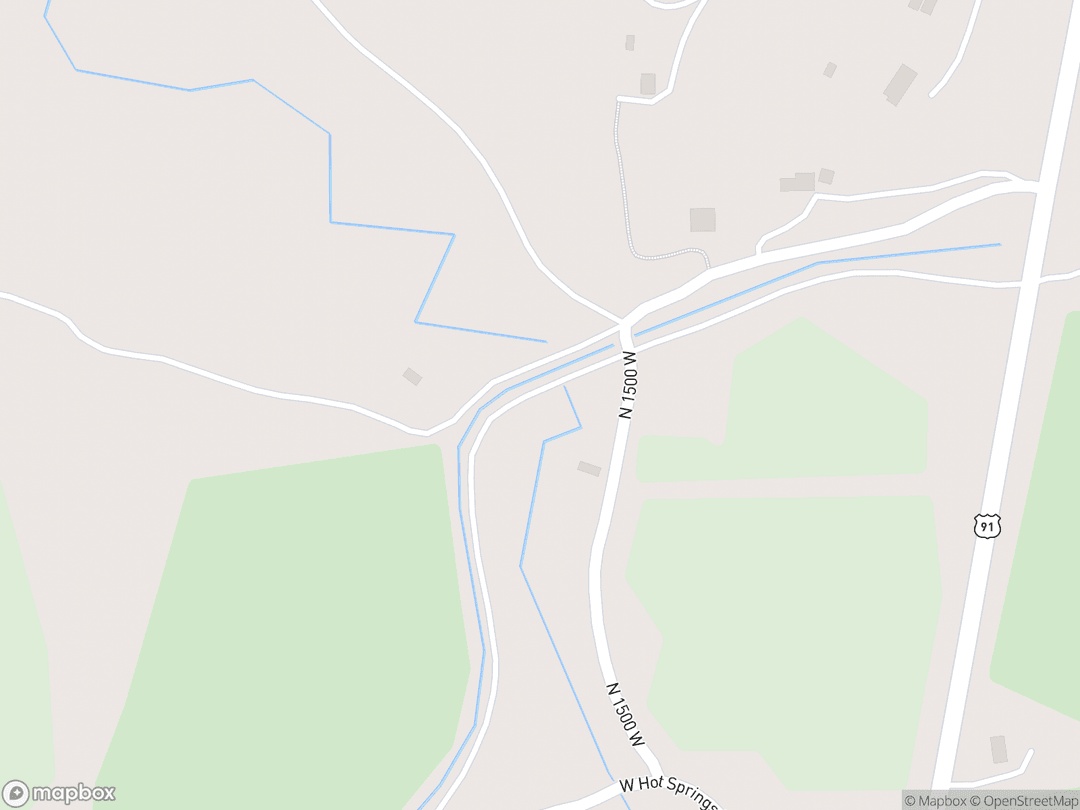
2953 U.S. Highway 91, Preston, Idaho 83263
Hours: Outdoor overlooks and interpretive markers are accessible daily from dawn to dusk.
Getting There: Located approximately 4 miles northwest of Preston, Idaho along the east side of U.S. Highway 91.
Get DirectionsTips for Your Visit
Maintain Reverent Protocol
Treat the grounds with the same solemn respect given to a national cemetery or place of worship.
Observe Prayer Offerings
Cloth ties and sage bundles attached to trees are sacred tribal prayers that must remain undisturbed.
Plan for Weather
The winter memorial service on January 29 is held outdoors annually regardless of snow or cold conditions.
About
Boa Ogoi, meaning 'Big River' in the Shoshone language, is the sacred ancestral wintering site of the Northwestern Band of the Shoshone Nation (Newe). Nestled along the geothermal hot springs of the Bear River and Battle Creek, this sheltered valley provided warmth, game, and spiritual sanctuary for thousands of years.
On January 29, 1863, the site became the location of the single deadliest recorded slaughter of Indigenous people in United States history, when U.S. Army troops attacked Chief Sagwitch's peaceful winter encampment. Today, the entire 550-acre valley serves as a sacred open-air burial ground and living memorial.
Under tribal ownership, Boa Ogoi is undergoing a historic ecological transformation. The Northwestern Shoshone are removing invasive species, restoring native wetlands, and constructing an earth-sheltered cultural interpretive center to heal the land and share their enduring story with the world.
Gallery
Symbolic Elements
The temple's exterior features intricate carvings, each rich with spiritual meaning:

Geothermal Hot Springs
Representing the Creator's warming breath, these natural thermal waters provided vital winter survival and spiritual renewal.

Native Willows (*Suhuhbee*)
Symbolizing resilience and flexibility, thousands of replanted native willows connect basketry traditions across generations.

Earth-Sheltered Living Roof
Blends the center seamlessly into the volcanic ridge, symbolizing the profound Indigenous unity between architecture and earth.

Rammed Earth Walls
Crafted from native soils and clays, the building envelope physically incorporates the earth where ancestors rest.

Circular Story Circle
Reflects the Shoshone worldview of continuous life cycles, season turns, and oral storytelling tradition.

Battle Creek Confluence
The geographical orientation axis of the center, focusing prayer and remembrance directly toward the 1863 village site.

Restored Wetlands
Functioning as ecological prayers, engineered bio-swales filter water returning downstream to the Great Salt Lake.
Interesting Facts
The Bear River Massacre stands as the deadliest recorded slaughter of Indigenous people in U.S. history. (Tier A)
Occurring during the Civil War in January 1863, the massacre received little national news coverage at the time. (Tier B)
Tribal advocacy successfully replaced biased 1930s monument plaques to accurately reflect the massacre. (Tier A)
Ecological restoration plans rely directly on plant journals kept by tribal elder Mae Timbimboo Parry. (Tier A)
Removing invasive trees at the site returns an estimated 13,000 acre-feet of water annually to the Great Salt Lake. (Tier A)
Over 400 volunteers gathered in late 2023 to plant 8,500 native trees and shrubs across the sacred grounds. (Tier B)
Surviving Shoshone members embraced Latter-day Saint baptism in 1875 while maintaining their oral tribal history. (Tier B)
In 2023, the Smithsonian Institution formally repatriated ancestral remains back to the tribe for reburial. (Tier A)
The land was used as commercial cattle pasture for over 140 years before full tribal reacquisition. (Tier A)
Common Questions
What does Boa Ogoi mean?
Boa Ogoi is the traditional Shoshone name for the Bear River, translating directly to 'Big River'.
Why is the site sacred to the Shoshone Nation?
It served as an ancestral winter refuge for millennia and contains the sacred burial grounds of over 400 massacre victims.
What should visitors do if they see prayer offerings?
Visitors should respectfully observe cloth bundles or tobacco ties from a distance and never touch or disturb them.
When is the annual memorial commemoration held?
An outdoor public memorial service is held every year on January 29, the anniversary of the massacre.
Featured Stories
The Warm Dance and Winter Sanctuary
Pre-1863 Era
For generations before 1863, Northwestern Shoshone bands gathered at Boa Ogoi during severe winter months. The natural geothermal springs and sheltered willow thickets made survival possible, creating a sacred setting for the annual Warm Dance (Pohogwe) to pray for spring's return.
Source: Northwestern Band of the Shoshone Nation Tribal History
Preserving Truth Through Oral Memory
1930s–1980s
When official state markers mischaracterized the event as a minor military battle, tribal elder Mae Timbimboo Parry recorded the precise eyewitness testimony of her grandfather Da-Boo-Zee. Her dedicated work corrected national historical records and established the truth of the massacre.
Source: Shoshone Oral History Records
Healing Land as Active Prayer
2018–Present
Following the reacquisition of over 550 acres of ancestral land, the tribe launched a massive ecological restoration project. By replacing thirsty invasive trees with native flora, the tribe returns millions of gallons of clean water to the ecosystem as a living act of ancestral remembrance.
Source: Wuda Ogwa Land Restoration Initiative
Timeline
Ancestral Winter Gathering
Shoshone bands gather at Boa Ogoi for trade, storytelling, and sacred winter ceremonies.
MilestoneBear River Massacre
U.S. Army troops attack Chief Sagwitch's winter encampment, killing over 400 Shoshone villagers.
EventFaith Transformation and Survival
Chief Sagwitch and surviving band members receive Latter-day Saint baptism and establish Washakie.
EventHighway Monument Erected
A stone marker is placed along Highway 91 framing the tragedy as a pioneer battle.
MilestoneNational Register Listing
The massacre site is officially added to the National Register of Historic Places.
MilestoneFederal Tribal Recognition
The Northwestern Band of the Shoshone Nation secures formal federal recognition as a sovereign nation.
MilestoneNational Historic Landmark
The site receives U.S. National Historic Landmark status recognizing its national significance.
MilestoneInitial Land Repatriation
The tribe acquires 26 acres of the core massacre site with assistance from Trust for Public Land.
MilestoneMajor Ancestral Land Reacquisition
The Northwestern Band purchases 350 additional acres of its sacred winter home.
MilestoneMass Restoration Volunteer Planting
Over 400 community volunteers plant 8,500 native trees and shrubs across the sacred site.
EventHistory by Decade
1860s — Dispossession and Tragedy
The ground was red with blood and frozen hard. We lost our leaders, our elders, and our children in a single morning.
Increased emigrant trail traffic and pioneer settlement severely depleted local game and seed harvests in Cache Valley. On January 29, 1863, military forces attacked the Shoshone winter village at Boa Ogoi, causing devastating loss of life and displacement.
1870s–1930s — Preservation and Adaptation
Surviving Shoshone families adapted to rapid change by farming at Washakie while maintaining traditional ceremonies and oral histories. In 1932, local historical markers were placed near the site, beginning decades of tribal efforts to present an accurate history.
1980s–2000s — Sovereignty and Repatriation
Following federal recognition in 1980, tribal leaders worked tirelessly to reacquire their ancestral land. In 2003, the tribe successfully secured the initial 26 acres of the core massacre ground.
2010s–Present — Ecological Restoration and Living Memorial
With over 550 acres reacquired, the tribe partnered with architects and scientists to construct an earth-integrated cultural center and restore native wetlands, turning a site of historical tragedy into a place of ecological healing.
Architecture & Facilities
The building employs Modern Indigenous Contextualism, an earth-sheltered design embedded directly into the natural volcanic escarpment overlooking Battle Creek. Designed by GSBS Architects and AldrichPears Associates, the low-profile campus defers entirely to the sacred surrounding landscape rather than dominating it.
Building Materials
Rammed Earth Walls
Constructed using native Cache Valley soils, gravels, and clays to mirror the surrounding earth.
Local Basalt Fieldstone
Utilized in lower retaining walls, honoring the natural volcanic rock bluffs of the Bear River basin.
Weathered Corten Steel
Exterior steel panels feature a reddish patina that evokes traditional Shoshone earth pigments.
Heavy Timber Framing
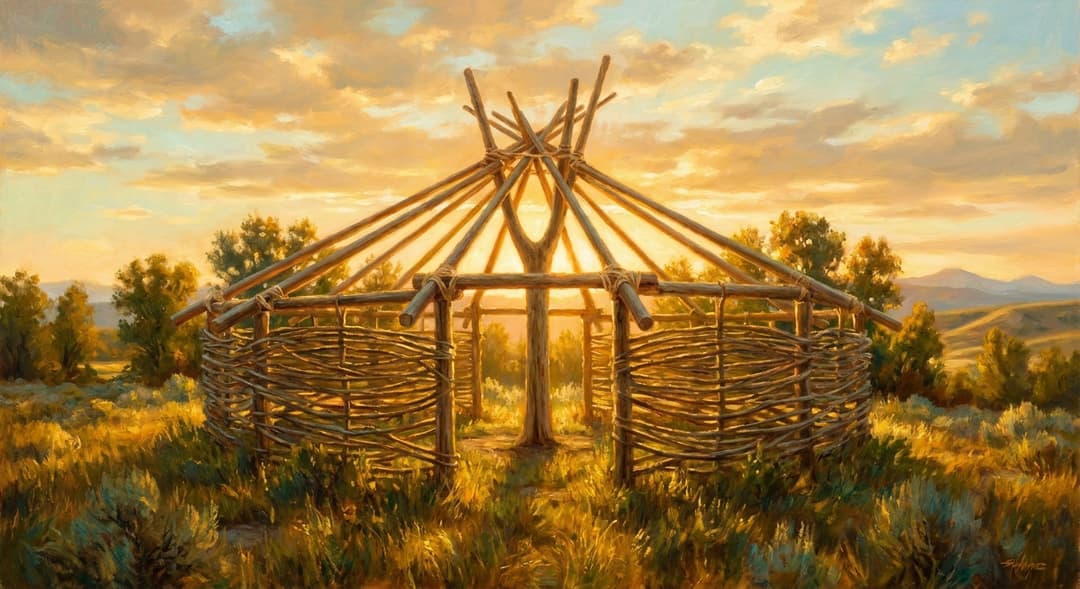
Interior ceiling structural posts incorporate regional wood reflecting traditional Shoshone winter lodges.
Interior Features
Orientation Interpretive Gallery
Exhibition spaces detailing pre-contact Shoshone life, oral histories, and the 1863 event.
Confluence View Corridor
A floor-to-ceiling glass gallery wall looking directly toward the sacred valley floor.
Gathering Amphitheater
A circular interior room designed for oral storytelling, group presentations, and tribal gatherings.
Ethnobotanical Classroom
Educational space dedicated to traditional Shoshone plant usage and ecological science.
Temple Grounds
Over 550 acres of restored riparian wetlands, native willow thickets, bio-swales, and walking trails overlooking Battle Creek.
Additional Facilities
Outdoor circular storytelling amphitheater, visitor parking, and engineered wetland filtration cells.
Religious Significance
To the Northwestern Band of the Shoshone Nation, land is not a commodity but Newe Sogobia—a living sacred relative. Because hundreds of ancestors rested where they fell in 1863, Boa Ogoi functions as a holy sanctuary and open-air place of reflection.
To honor ancestral spirits, preserve sacred oral traditions, and demonstrate environmental stewardship through land restoration.
Sacred Ordinances
Warm Dance (*Pohogwe*)
Traditional winter spiritual ceremony petitioning the Creator (Aposhia) for warmth, spring renewal, and social unity.
Sacred Offerings
Placement of tobacco ties, sage, and cloth prayer bundles near sacred trees to convey prayers to ancestors.
Ecological Restoration as Prayer
The physical act of clearing invasive plants and replanting native flora to return the earth to its sacred state.
Water as Primary Medicine
In Shoshone theology, water (Paa) is the fundamental medicine connecting all living creation. Restoring natural stream flow to the Bear River carries spiritual importance as an act of global healing.
Similar Temples
Sources & Research
Every fact on Temples.org is backed by verified Sources & Research. Each piece of information is rated by source tier and confidence level.
View All Sources (6)
| Field | Source | Tier | Retrieved |
|---|---|---|---|
| About & Historical Background | Idaho State Historical Society (opens in a new tab) | A | 2026-02-01 |
| Architecture & Master Planning | GSBS Architects (opens in a new tab) | B | 2026-02-01 |
| Ecological Restoration & Water Conservation | Utah State University Climate Adaptation Science Program (opens in a new tab) | B | 2026-02-01 |
| Ecological Restoration & Water Conservation | USDA Natural Resources Conservation Service (opens in a new tab) | A | 2026-02-01 |
| Symbolic Elements & Sacred Meaning | Trust for Public Land (opens in a new tab) | B | 2026-02-01 |
| Visitor Insights & Access | Idaho Tourism (opens in a new tab) | B | 2026-02-01 |