Visitor Insights
Visiting ISKCON of D.C. Hare Krishna Temple
Visitors to ISKCON of D.C. encounter a serene woodland retreat designed for contemplation, melodic kīrtana, and sacred hospitality. Guests are invited to observe daily worship ceremonies, stroll peaceful nature trails, and join the festive Sunday vegetarian feast.
Highlights
- Intricately carved golden altars housing historic Radha Madana-Mohana and Sita-Rama deities
- Traditional Indian vegetarian feasts served weekly at the Sunday Open House
- Secluded 12-acre campus featuring walking trails, blooming flower gardens, and cow sanctuary
Things to Know
- Modest dress covering shoulders and knees is appreciated throughout the campus
- Footwear must be deposited in the lobby shoe racks before entering sanctuary spaces
- Altars are closed for afternoon recess between 1:00 PM and 4:15 PM daily
Location
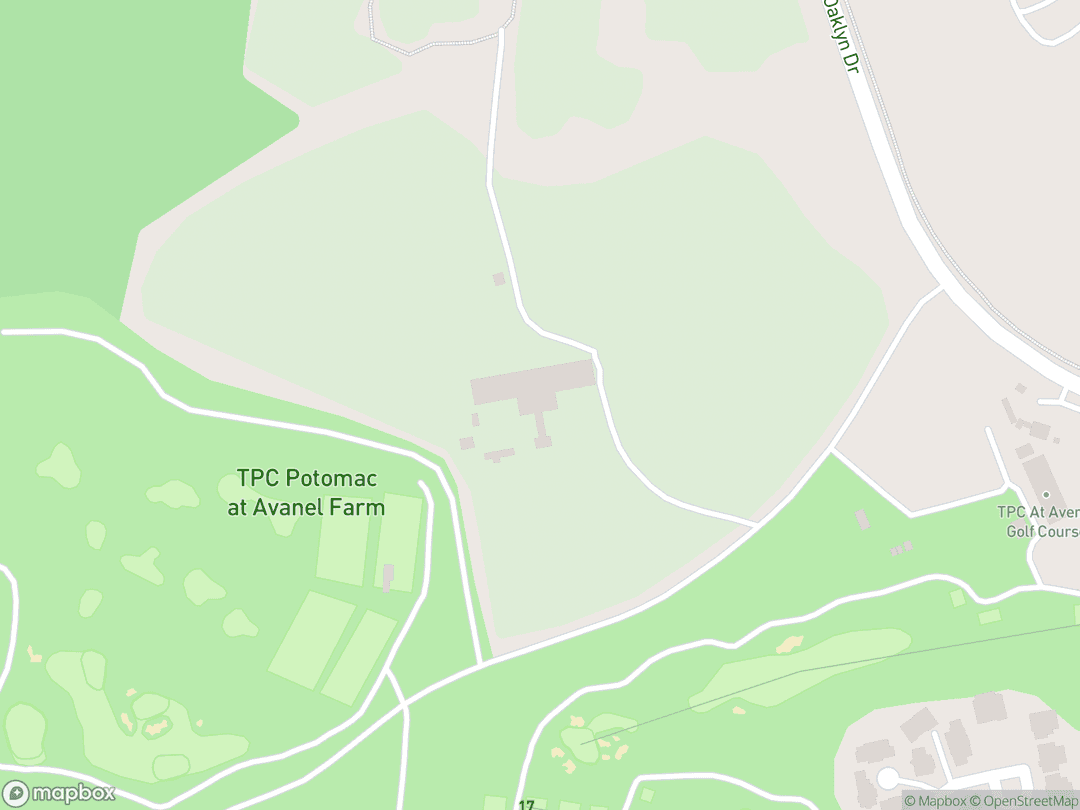
10310 Oaklyn Drive, Potomac, Maryland 20854, United States
Hours: Open daily from 4:30 AM to 8:30 PM (Midday recess from 1:00 PM to 4:15 PM)
Getting There: Accessible by car via River Road from I-495, with ample on-site woodland parking.
Get DirectionsTips for Your Visit
Attend the Sunday Feast
Arrive by noon on Sunday to experience vibrant kirtan meditation, philosophical discourse, and a complimentary multi-course vegetarian banquet.
Explore the Forest Trails
Take time after darshan to walk along the freshwater creek trails and visit the dedicated cow protection grounds.
About
ISKCON of D.C., also known as Sri Sri Radha Madana-Mohana Mandir, is a vibrant Gauḍīya Vaiṣṇava sanctuary nestled in the forested landscapes of Potomac, Maryland. Within the wider Dharmic tradition, it advances the monotheistic Bhakti-yoga path rooted in the teachings of Śrī Chaitanya Mahāprabhu.
Established in 1976 following an urban beginning in Dupont Circle, the community relocated to a peaceful 12-acre woodland estate personally consecrated by founder A. C. Bhaktivedanta Swami Prabhupāda. In 2024, after decades of worship in adapted facilities, the community inaugurated a custom-built 22,000-square-foot traditional Vedic temple.
The mandir functions as an East Coast focal point for congregational chanting, cultural arts, interfaith dialogue, and compassionate service. It provides a spiritual home where sacred music, scripture study, and sanctified dining welcome seekers of every background.
Gallery
Symbolic Elements
The temple's exterior features intricate carvings, each rich with spiritual meaning:

Śrī Śrī Rādhā Madana-Mohana
The presiding deities represent divine beauty transcending worldly desires and the zenith of pure love.

Śrī Śrī Gaura-Nitāi
These golden saints symbolize the descent of mercy through congregational singing in the present age.

Śrī Sītā-Rāma Darbār
Lord Rama and His companions embody righteousness, royal duty, unwavering fidelity, and loving surrender.

Śikhara and Kalaśa
The rising ornamental towers represent Mount Meru while golden finials bridge earth with the heavens.

Tulasī Devī
The sacred plant represents an exalted devotee whose daily veneration prepares one for spiritual life.

Ūrdhva Puṇḍra Tilaka
Sacred clay markings worn on the forehead mark the human body as a living temple of the Divine.

Mṛdaṅga and Karatālas
Sacred drums and brass cymbals produce rhythmic sound vibrations carrying transcendental mantras.
Interesting Facts
The temple enshrines the first carved deity of Krishna acquired by ISKCON in the Western hemisphere. (Tier A)
Srila Prabhupada personally blessed the 12-acre forest sanctuary during his final American tour in 1976. (Tier A)
The entire facility offsets all electrical consumption through certified regional green wind energy credits. (Tier A)
Garlands for daily deity worship are crafted from flowers grown organically in on-site greenhouses. (Tier A)
The campus maintains a small cow protection sanctuary dedicated to lifelong ethical animal care. (Tier A)
The center functions as a diplomatic liaison hub, regularly welcoming international ambassadors and scholars. (Tier A)
Community volunteers partner with the Capital Area Food Bank to distribute thousands of emergency meals. (Tier C)
The mandir operated out of adapted heritage buildings for over 45 years before opening its modern temple. (Tier A)
Common Questions
Are non-Hindus allowed to attend services?
Visitors of all faiths and backgrounds are warmly welcomed to tour the temple and participate in services.
What is the Sunday Love Feast?
It is a weekly gathering featuring musical meditation, a spiritual lecture, and a free multicourse vegetarian meal.
Is there a dress code for entering the mandir?
Modest attire covering shoulders and knees is recommended, and shoes must be removed before entering the hall.
What dining options are available on site?
Govinda's Food Court offers freshly prepared lacto-vegetarian meals and Indian sweets from Tuesday through Sunday.
Featured Stories
Discovery of the Historic Madana-Mohana Deity
1969
In a small antique shop on New York's 8th Street, young spiritual seekers looking for prayer bells chanced upon an intricately sculpted deity of Lord Krishna. When brought to Śrīla Prabhupāda, he identified the form as Madana-Mohana, marking the arrival of the movement's first Krishna deity in the Western world.
Source: Institutional Archives of ISKCON
A Founder's Walk Through the Potomac Woods
July 1976
During his final American pastoral tour in the summer of 1976, Śrīla Prabhupāda walked among the tall poplars and oaks of the newly purchased Maryland estate. He instructed his disciples to protect the natural beauty, envisioning a peaceful sanctuary where families could practice Krishna consciousness surrounded by nature.
Source: ISKCON of D.C. Historic Records
Building a Vedic Haven for the New Millennium
March 2024
After more than four decades of worshiping within an adapted heritage building, hundreds of congregants celebrated the realization of a decades-long dream. The grand consecration of the 22,000-square-foot mandir united diplomats, multi-generational families, and interfaith leaders in an unforgettable weekend of sacred devotion.
Source: ISKCON News Agency
Timeline
Regional Outreach Begins
Devotees initiate public chanting and literature distribution across the Washington metropolitan area.
MilestoneQ Street Urban Center
A permanent urban temple is founded within a historic townhouse in Washington D.C.
EventDeity Consecration
The presiding deities Sri Sri Radha Madana-Mohana are officially installed in the urban sanctum.
DedicationGaura-Nitai Installation
The sanctum consecrates Lord Chaitanya and Lord Nityananda during auspicious spring ceremonies.
MilestonePotomac Estate Acquisition
The community purchases a 12-acre woodland parcel in Montgomery County to build a pastoral retreat.
MilestoneFounder Consecration Visit
Srila Prabhupada tours the Potomac estate and blesses the development of a sustainable Vedic community.
MilestoneSita-Rama Consecration
Elaborate ceremonies consecrate the divine murtis of Lord Rama, Sita, Lakshmana, and Hanuman.
DedicationNational Communications Hub
The Potomac campus is designated as the national public affairs headquarters for ISKCON.
EventBhumu Puja Groundbreaking
A three-day sacred earth ceremony marks the groundbreaking for the 22,000 sq ft cultural complex.
component.timeline.groundbreakingSanctum Relocation
The deities are ceremonially moved into the completed temple during Kartik Purnima festivities.
EventGrand Opening Festival
Civic leaders, scholars, and international guests gather for the formal inauguration of the new mandir.
DedicationHistory by Decade
1970s — Pioneers and the Forest Sanctuary
Make this place a peaceful sanctuary where people come to know Krishna.
Devotees established an urban temple near Washington's Dupont Circle before acquiring 12 wooded acres in Potomac in 1975. Śrīla Prabhupāda personally consecrated the grounds in July 1976, envisioning a nature retreat dedicated to Vedic culture.
1980s–1990s — Cultural Outreach and Expansion
The consecration of the Sita-Rama deities in 1981 attracted hundreds of Indian-American families throughout suburban Maryland and Virginia. The site also developed major interfaith dialogue channels and became a hub for Food for Life charitable distributions.
2000s–2010s — Planning the Modern Mandir
With the congregation outgrowing the original estate structure, leadership initiated detailed zoning and ecological planning with Montgomery County. The campus adopted 100% wind energy credits while cultivating on-site flower greenhouses.
2020s — Realization of the New Mandir
A three-day Bhumi Puja in August 2021 initiated construction of the modern Vedic complex amid the pandemic. In early 2024, the community celebrated the grand opening of its magnificent 22,000-square-foot temple and cultural center.
Architecture & Facilities
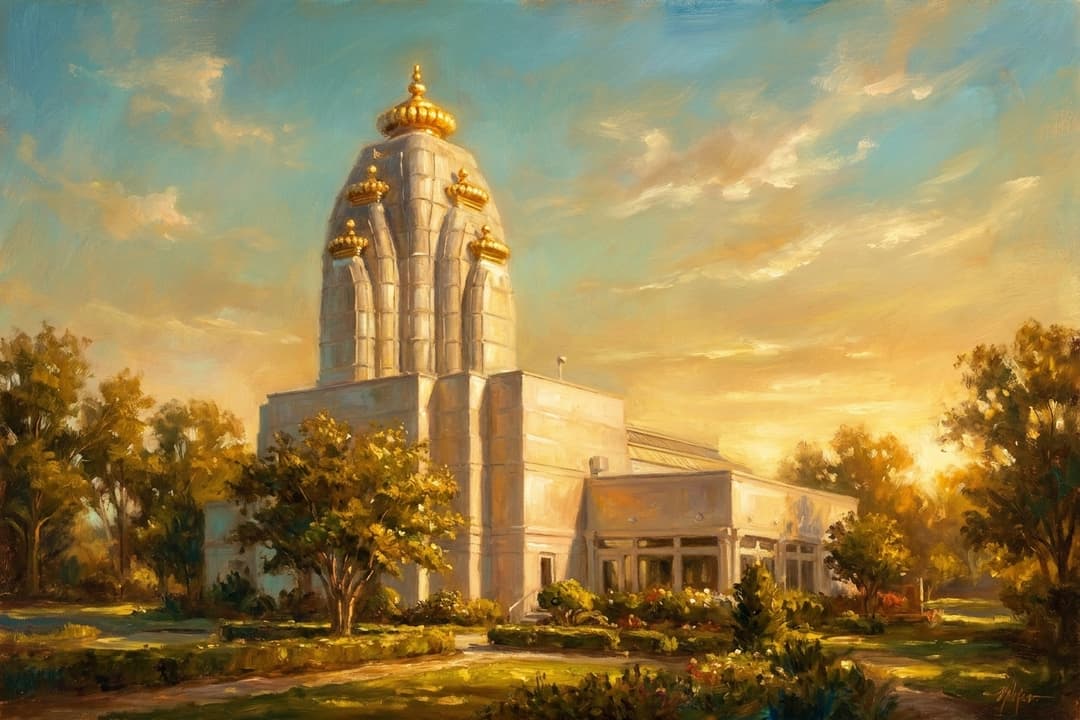
The complex exhibits an architectural harmony of classical Indian temple design governed by Vāstu Śāstra and contemporary mid-Atlantic environmental craftsmanship. Its balanced stone facades, decorated cupolas, and carved spires blend gently into the surrounding deciduous forest canopy.
Building Materials
Exterior Envelope
Structural steel and textured stone panels are topped with ornamental spires and weather-resistant trim.
Interior Flooring
Polished natural marble and granite slabs provide ritual purity and enduring durability for assemblies.
Carved Sanctum Altars
Hand-carved teak wood adorned with intricate gold leaf and silver filigree frames the three sacred shrines.
Acoustic Finishes
Specialized sound-dampening ceiling panels maximize resonant clarity during call-and-response kirtan.
Interior Features
Main Darshan Hall
A wide, column-free prayer sanctuary designed to accommodate hundreds of worshipers for daily ceremonies.
Pradakṣiṇā Corridor
An unobstructed circumambulatory path wraps around the altar sanctum for traditional ritual processions.
Gopāla's Garden Classrooms
Dedicated learning rooms host heritage instruction, Sanskrit recitation, and Vedic arts for children.
Scriptural Library
A tranquil study repository houses rare Vaishnava commentaries, philosophical works, and reference texts.
Temple Grounds
The 12-acre forested property features preserved native woodlands, scenic walking paths alongside a natural creek, green energy infrastructure, and an ethical cow sanctuary.
Additional Facilities
Facilities feature Govinda's dining hall, full commercial preparation kitchens for community feasts, modern conference halls, and guest hospitality rooms.
Religious Significance
Within the broad framework of Sanātana Dharma, the mandir upholds the eternal truth of the soul's loving relationship with the Supreme Personality of Godhead through Gauḍīya Vaiṣṇavite theology.
To foster spiritual awakening and universal harmony through selfless devotion, scripture education, and the congregational chanting of the holy names.
Sacred Ordinances
Darshan
Beholding the sacred mūrtis on the sanctum altars to absorb divine grace and renew personal contemplation.
Harināma Saṅkīrtana
The congregational singing of the Hare Krishna Mahā-Mantra accompanied by traditional cymbals and drums.
Ārati
Ritual offerings of incense, water, fragrant flowers, and flame lamps presented to the deities throughout the day.
Prasādam Seva
The preparation, offering, and joyful sharing of sanctified vegetarian food as a direct expression of compassion.
The Philosophy of Acintya-Bhedābheda
Systematized by Śrī Chaitanya, this philosophy reconciles ancient Vedāntic debates by recognizing the soul as inconceivably and simultaneously one with and distinct from the Supreme.
Compassion in Action
Emphasizing non-violence and loving servitude, the temple's daily life includes ethical cow protection, ecological stewardship, and extensive charitable food relief.
Major Festivals
Janmāṣṭamī
August or September
The joyous appearance day of Lord Krishna celebrated with midnight bathing ceremonies, drama, and feasts.
Gaura Pūrnīmā
March
The appearance anniversary of Śrī Chaitanya Mahāprabhu featuring ecstatic kirtan and sacred processions.
Rāma Navamī
April
The sacred advent of Lord Rāma observed with discourses on righteous leadership, duty, and devotion.
Govardhana Pūjā
October or November
Celebration commemorating Krishna lifting Govardhana Hill, highlighted by an immense mountain of sanctified sweets.
Sources & Research
Every fact on Temples.org is backed by verified Sources & Research. Each piece of information is rated by source tier and confidence level.
View All Sources (8)
| Field | Source | Tier | Retrieved |
|---|---|---|---|
| About & Historical Background | ISKCON of D.C. (opens in a new tab) | A | 2026-03-30 |
| Temple History & Archival Records | ISKCON Desire Tree Archive (opens in a new tab) | A | 2026-03-30 |
| Vedic Principles & Practice | The Bhaktivedanta Book Trust (opens in a new tab) | A | 2026-03-30 |
| Global Institutional Affairs | ISKCON News Agency (opens in a new tab) | A | 2026-03-30 |
| Academic Study of Gauḍīya Vaiṣṇavism | Oxford Centre for Hindu Studies (opens in a new tab) | B | 2026-03-30 |
| Montgomery County Community Records | Montgomery County Government (opens in a new tab) | B | 2026-03-30 |
| Regional Interfaith Directory | The Pluralism Project at Harvard University (opens in a new tab) | C | 2026-03-30 |
| Charitable Partnerships & Outreach | Capital Area Food Bank (opens in a new tab) | C | 2026-03-30 |