Visitor Insights
Visiting Adam-ondi-Ahman
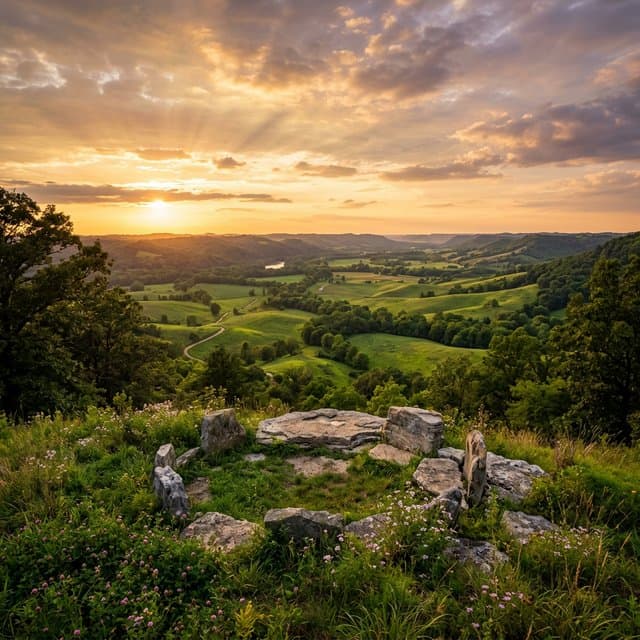
Adam-ondi-Ahman offers visitors a serene and contemplative experience. The site is characterized by rolling hills and peaceful meadows, providing a sense of connection to the land and its historical significance. Visitors can walk the grounds, reflect on the events that took place there, and appreciate the natural beauty of the area.
Highlights
- Reflecting on the site's historical and religious importance.
- Enjoying the peaceful and scenic natural surroundings.
Things to Know
- The site is primarily an outdoor space with limited facilities.
- Visitors should dress appropriately for the weather and walking on uneven terrain.
Location
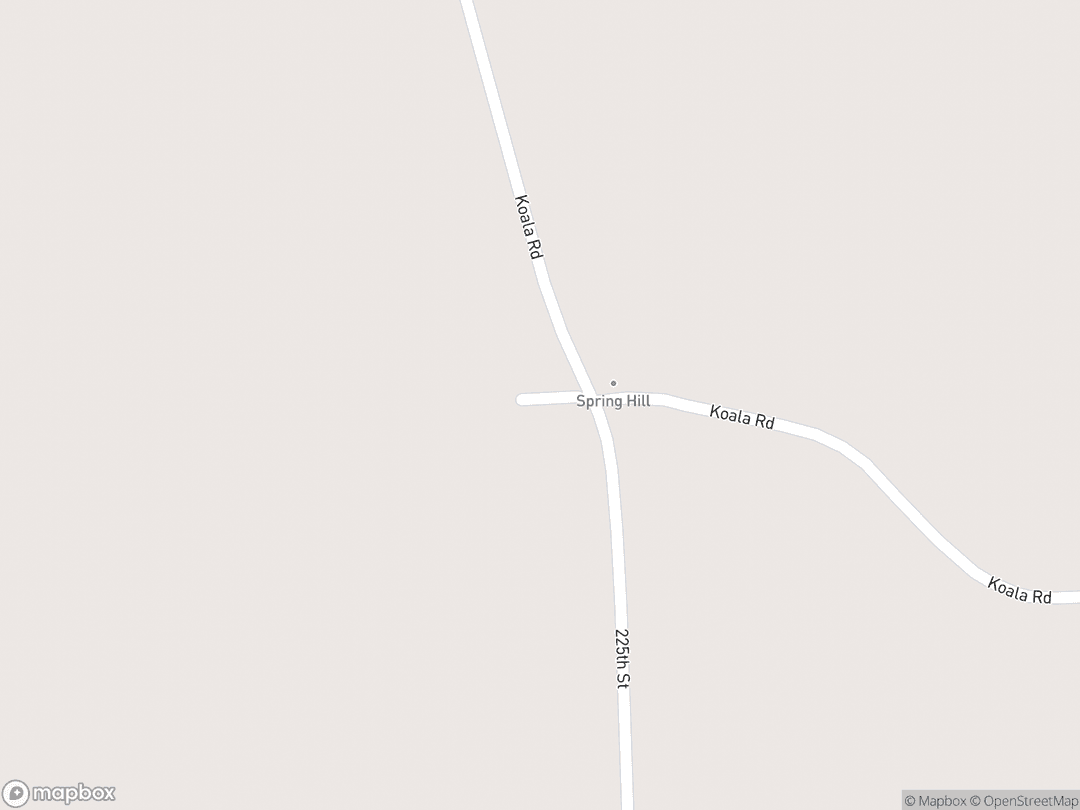
Daviess County, Missouri, USA
Hours: Open to the public during daylight hours.
Getting There: The site is located in a rural area of Daviess County, Missouri. Visitors are advised to use GPS navigation. There is no public transportation available.
Get DirectionsAbout
Adam-ondi-Ahman, located in Daviess County, Missouri, holds profound significance in the theology and history of The Church of Jesus Christ of Latter-day Saints. The name, derived from the Adamic language, is understood to mean "Valley of God, where Adam dwelt." This site is revered as the place where Adam and Eve settled after their expulsion from the Garden of Eden, marking it as one of humanity's earliest habitations.
Beyond its historical importance, Adam-ondi-Ahman is prophesied to be the location of a future grand council. According to Latter-day Saint teachings, Adam will meet with Jesus Christ and the leaders of all dispensations at this site to prepare for the Second Coming. This event underscores the site's role as a place of gathering, divine communication, and preparation for a pivotal moment in human history.
The Latter-day Saint settlement at Adam-ondi-Ahman was established in 1838, quickly growing to a population of 1,500. A temple was planned for the site, and a public square was dedicated, but escalating conflicts led to the Mormon War of 1838, forcing the Latter-day Saints to abandon their settlement. Today, Adam-ondi-Ahman is owned and maintained by The Church of Jesus Christ of Latter-day Saints as a historic site, a place of quiet contemplation and reflection on its rich spiritual heritage.
Gallery
Symbolic Elements
The temple's exterior features intricate carvings, each rich with spiritual meaning:

Valley
The valley setting of Adam-ondi-Ahman symbolizes a place of refuge and divine connection, reminiscent of the earliest human settlements. The rolling hills and open spaces evoke a sense of peace and contemplation.

Spring Hill
Spring Hill, identified by Joseph Smith as part of Adam-ondi-Ahman, represents a source of life and renewal. Springs are often seen as sacred places, providing essential resources and symbolizing spiritual cleansing.

Altar
Although no physical altar remains, the concept of an altar is central to the site's significance. Altars symbolize sacrifice, dedication, and communication with the divine, representing the covenant relationship between God and humanity.

Gathering Place
Adam-ondi-Ahman is prophesied to be a future gathering place for Adam and the leaders of all dispensations. This symbolizes unity, leadership, and preparation for the Second Coming of Jesus Christ.

Temple Site
The planned temple, though never built, represents the potential for spiritual growth and eternal covenants. Temples are considered houses of the Lord, places where individuals can draw closer to God through sacred ordinances.

Daviess County
The location within Daviess County, Missouri, connects the site to the early history of the Latter-day Saint movement. It serves as a reminder of the challenges and sacrifices made by early members of the Church.

Open Sky
The open sky above Adam-ondi-Ahman symbolizes the vastness of God's plan and the potential for divine communication. It represents the connection between heaven and earth, and the promise of eternal life.

Rolling Hills
The rolling hills surrounding Adam-ondi-Ahman evoke a sense of timelessness and continuity. They represent the enduring nature of God's plan and the ongoing journey of humanity towards eternal life.
Interesting Facts
The name Adam-ondi-Ahman is believed to be from the Adamic language, the language spoken by Adam.
The translation of Adam-ondi-Ahman has been speculated to mean "Valley of God, where Adam dwelt," "the valley of God in which Adam blessed his children," "Adam's grave," or "Adam with God."
Joseph Smith taught that the Garden of Eden was located in the vicinity of Independence, Missouri.
A temple was planned for Adam-ondi-Ahman, but construction never commenced due to the Mormon War of 1838.
Brigham Young dedicated the temple block, although no cornerstones were laid.
The Latter-day Saint settlers laid out a city at Adam-ondi-Ahman.
The site was briefly known as Cravensville after the Latter-day Saints were expelled.
Adam-ondi-Ahman is considered a place of "beginnings, departures, and returns."
The Church of Jesus Christ of Latter-day Saints owns much of the land surrounding the historic site, which is leased to local farmers.
Today, Adam-ondi-Ahman is described as a place of beauty and quiet contemplation.
Common Questions
What is the meaning of Adam-ondi-Ahman?
The name is believed to be from the Adamic language and is interpreted to mean "Valley of God, where Adam dwelt."
Where is Adam-ondi-Ahman located?
Adam-ondi-Ahman is located in Daviess County, Missouri, approximately five miles south of Jameson.
What is the significance of Adam-ondi-Ahman in Latter-day Saint theology?
Adam-ondi-Ahman is believed to be the place where Adam and Eve settled after being expelled from the Garden of Eden and the site of a future grand council.
Was there ever a temple built at Adam-ondi-Ahman?
A temple was planned, but construction never commenced due to the Mormon War of 1838.
Who owns Adam-ondi-Ahman today?
The Church of Jesus Christ of Latter-day Saints owns and maintains the site as a historic landmark.
Featured Stories
The Dedication of Adam-ondi-Ahman
April 26, 1838
On April 26, 1838, Joseph Smith Jr. dedicated the site of Adam-ondi-Ahman, marking it as a place of profound historical and spiritual significance. This dedication was not merely a ceremonial act, but a declaration of the site's role in the unfolding of God's plan for humanity. The event brought together early Latter-day Saints, who felt a deep connection to the land and its prophetic destiny.
The dedication ceremony was filled with hope and anticipation, as the Saints envisioned a future where Adam-ondi-Ahman would play a central role in the events leading up to the Second Coming of Jesus Christ. The spirit of revelation was palpable, as Joseph Smith shared insights into the site's past, present, and future. This moment solidified Adam-ondi-Ahman as a cornerstone of Latter-day Saint belief and identity.
Source: The Church of Jesus Christ of Latter-day Saints
The Mormon War of 1838
Late 1838
The promise of Adam-ondi-Ahman was tragically interrupted by the outbreak of the Mormon War in late 1838. Escalating tensions between Latter-day Saints and other settlers in Missouri led to widespread violence and persecution. The Saints were forced to abandon their homes and farms, including the settlement at Adam-ondi-Ahman.
This period of hardship tested the faith and resilience of the early Latter-day Saints. Despite the loss of their homes and the disruption of their community, they held onto the hope that one day they would return to Adam-ondi-Ahman and fulfill its prophetic destiny. The Mormon War remains a poignant reminder of the challenges faced by those who sought to establish Zion in the face of adversity.
Source: The Church of Jesus Christ of Latter-day Saints
Adam-ondi-Ahman Today
Present
Today, Adam-ondi-Ahman stands as a testament to the enduring faith and vision of the early Latter-day Saints. The site is owned and maintained by The Church of Jesus Christ of Latter-day Saints, serving as a place of quiet contemplation and reflection. Visitors can walk the grounds, connect with the land, and ponder the events that have shaped its history.
While the settlement and temple never materialized as originally planned, Adam-ondi-Ahman remains a powerful symbol of hope and promise. It serves as a reminder of the importance of gathering, preparation, and the ultimate triumph of good over evil. The site invites visitors to consider their own role in the unfolding of God's plan and to strive to live in accordance with His teachings.
Source: The Church of Jesus Christ of Latter-day Saints
Timeline
Adam and Eve Settle
According to Latter-day Saint theology, Adam and Eve settled in the area after being expelled from the Garden of Eden.
MilestoneJoseph Smith's Revelation
Joseph Smith revealed that Spring Hill in Daviess County was Adam-ondi-Ahman.
MilestoneSite Dedication
Joseph Smith Jr. dedicated the site as Adam-ondi-Ahman.
DedicationThird Stake of Zion Organized
The third stake of Zion was organized at Adam-ondi-Ahman.
EventTemple Planned and Public Square Dedicated
A temple was planned, and a public square was dedicated, but construction was halted due to the Mormon War.
MilestoneMormon War and Abandonment
Conflict arose between Latter-day Saints and other settlers, leading to the Mormon War. Latter-day Saints were forced to leave Daviess County.
EventRenamed Cravensville
The site was renamed Cravensville after the Latter-day Saints were expelled.
EventCivil War Skirmish
A skirmish occurred at the site during the American Civil War.
EventChurch Acquires Land
Wilford C. Wood purchased 38 acres of land at Adam-ondi-Ahman, and the Church later acquired additional land.
MilestoneHistoric Site
Adam-ondi-Ahman is owned by The Church of Jesus Christ of Latter-day Saints and is maintained as a historic site.
MilestoneTemple Announcement
Joseph Smith Jr. announced the construction of a temple at Adam-ondi-Ahman.
component.timeline.announcedSettlement Growth
The Latter-day Saint settlement grew to a population of 1500 within a few months.
EventPublic Square Dedication
A public square was dedicated in October.
DedicationConflict Arises
Conflict arose between Latter-day Saints and other settlers, leading to the Mormon War.
EventSite Renamed
The site was renamed Cravensville.
EventReligious Significance
Adam-ondi-Ahman holds profound religious significance within The Church of Jesus Christ of Latter-day Saints, rooted in its connection to key events in human history and prophecy.
The site is revered as a place of gathering, divine communication, and preparation for the Second Coming of Jesus Christ.
Sacred Ordinances
Gathering
Adam-ondi-Ahman is prophesied to be the location of a future grand council, where Adam will meet with Jesus Christ and the leaders of all dispensations.
Preparation
The site serves as a reminder of the importance of preparing for the Second Coming of Jesus Christ through righteous living and service to others.
Adam's Settlement
Latter-day Saint theology teaches that Adam and Eve settled in the area after being expelled from the Garden of Eden, making it one of humanity's earliest habitations.
Future Gathering
The prophesied grand council at Adam-ondi-Ahman underscores the site's role as a place of gathering, divine communication, and preparation for a pivotal moment in human history.
Similar Temples
Sources & Research
Every fact on Temples.org is backed by verified Sources & Research. Each piece of information is rated by source tier and confidence level.
View All Sources (5)
| Field | Source | Tier | Retrieved |
|---|---|---|---|
| About & Historical Background | The Church of Jesus Christ of Latter-day Saints (opens in a new tab) | A | 2024-02-29 |
| About & Historical Background | churchofjesuschristtemples.org (opens in a new tab) | C | 2024-02-29 |
| About & Historical Background | BYU.edu (opens in a new tab) | B | 2024-02-29 |
| About & Historical Background | Ensign Peak Foundation (opens in a new tab) | A | 2024-02-29 |
| About & Historical Background | Joseph Smith Foundation (opens in a new tab) | A | 2024-02-29 |