Visitor Insights
Visiting Old Las Vegas Mormon Fort Historic Park
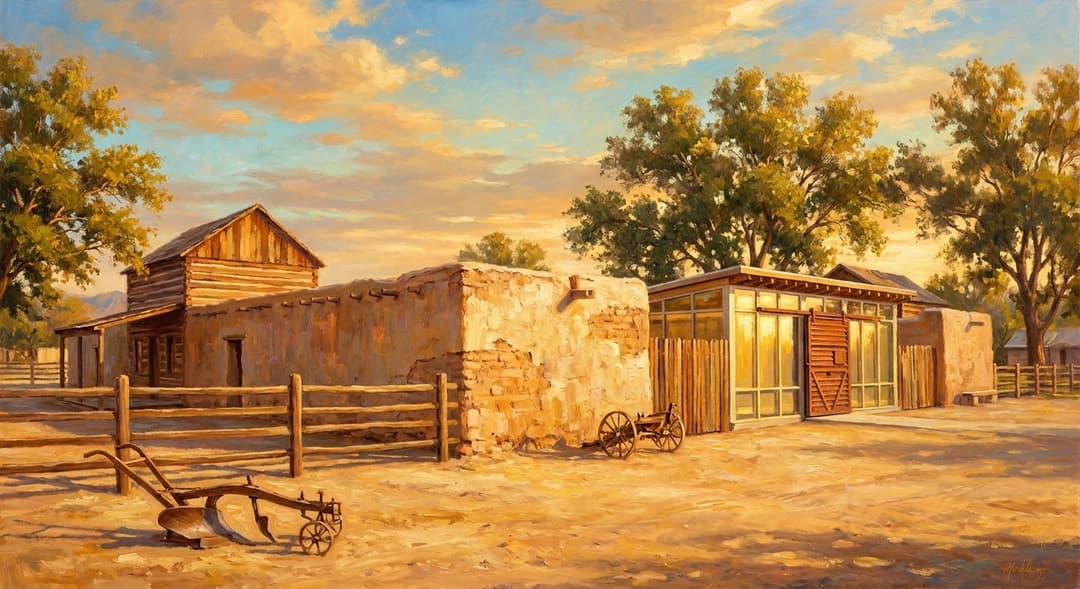
Visitors to the Old Las Vegas Mormon Fort can tour the oldest surviving structure in Nevada, view historical artifacts in the interactive visitor center, and walk along the recreated Las Vegas Creek. The site offers a peaceful historical contrast to the surrounding urban metropolis.
Highlights
- Original 1855 adobe wall remnant
- Modern architectural visitor center designed by Eric Strain
- Recreated spring-fed Las Vegas Creek
- Pioneer and Southern Paiute artifact displays
Things to Know
- Closed on Sundays and Mondays
- Service animals only, no pets permitted
- Bicycles not allowed inside the park grounds
- Nominal entrance fee required for adult visitors
Location
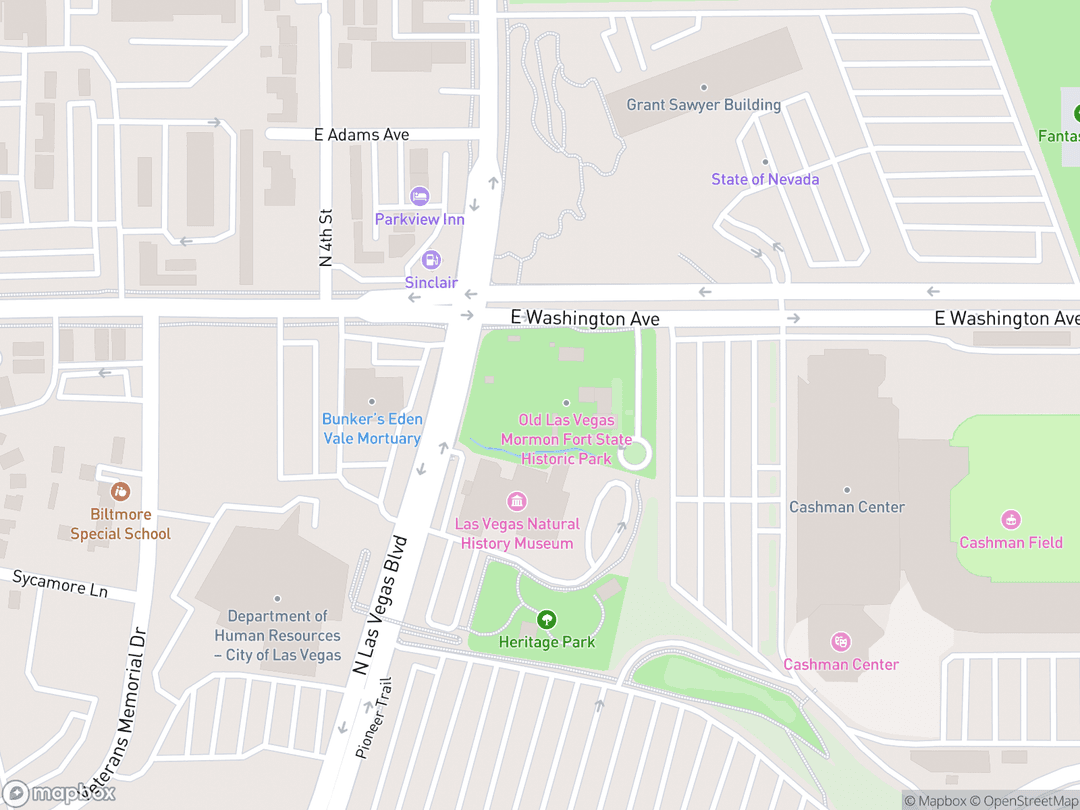
500 E. Washington Ave, Las Vegas, NV 89101, USA
Hours: Tuesday through Saturday, 8:00 AM – 4:30 PM (Last admittance 4:00 PM)
Getting There: Located at 500 E. Washington Ave at the corner of Las Vegas Blvd, just north of downtown Las Vegas near the Fremont Street Experience.
Get DirectionsTips for Your Visit
Best Time for Outdoor Exploration
Visit during morning hours or spring and fall months to comfortably explore outdoor adobe ruins.
Plan Your Visit Duration
Allow 1 to 2 hours to fully tour both the indoor interpretive museum and outdoor historic grounds.
About
Established on June 14, 1855, by Latter-day Saint missionaries led by William Bringhurst under Brigham Young's direction, the Old Las Vegas Mormon Fort represents the first permanent non-Native American settlement structure in the Las Vegas Valley. Situated along the spring-fed Las Vegas Creek, the fort served as a vital way station along the Old Spanish Trail.
Rooted in the Latter-day Saint pioneer tradition and the broader Christian effort to build covenant communities in the American West, the settlement embodied both spiritual outreach to the Southern Paiute people and agricultural industry in the desert. Missionaries constructed a massive 150-foot square adobe enclosure to provide shelter and protection.
Although the original mission was abandoned in 1857, the site evolved into the Los Vegas Rancho and later became central to the development of modern Las Vegas. Today, as a Nevada State Historic Park listed on the National Register of Historic Places, it preserves original adobe wall remnants alongside a modern architectural visitor center.
Gallery
Symbolic Elements
The temple's exterior features intricate carvings, each rich with spiritual meaning:

Adobe Fortress Walls
The 14-foot high adobe walls symbolize pioneer industry and spiritual determination to build a protective sanctuary in the desert wilderness.

Las Vegas Creek Stream
The spring-fed creek represents life-giving grace and spiritual sustenance in the arid desert environment.

Defensive Bastion Towers
Two corner bastions symbolize vigilance and temporal protection for travelers along the Mormon Road.

Pioneer Covered Wagon Canopy
Design elements reflecting wagon canvas evoke the endurance of Latter-day Saint pioneers migrating across western trails.

Boxcar Pivoting Entry Door
The visitor center's pivoting steel entry door represents the railroad era that transformed the pioneer outpost into a modern city.

Staggered Adobe Brickwork
Staggered exterior brick patterns honor traditional pioneer building techniques while mirroring the surrounding desert mountain ridges.

Desert Glass Water Panels
Luminous glass panels integrated into the modern facility symbolize the vital role of water in gathering communities in the desert.
Interesting Facts
The Old Las Vegas Mormon Fort is recognized as the first permanent non-Native settlement structure built in the Las Vegas Valley. (Tier A)
It is the only state park in Nevada located within a major city that contains that city's very first building. (Tier A)
Despite its designation as a fort, the site was constructed as a civilian mission community and never garrisoned active military troops. (Tier B)
The fort provided the only reliable fresh water source for many miles along the Old Spanish Trail. (Tier B)
During the American Civil War, the abandoned complex was briefly known as Fort Baker by Union army cartographers. (Tier B)
Ranch owner Helen Stewart managed the property for nearly two decades before selling the land that became downtown Las Vegas. (Tier A)
The surviving 1855 adobe wall fragment represents the oldest standing building remnant in the state of Nevada. (Tier A)
Portions of the historic ranch house were used as a cement testing facility during Hoover Dam construction in the 1930s. (Tier B)
Common Questions
Why was the Mormon fort built in Las Vegas?
It was built in 1855 by LDS missionaries to protect travelers along the Mormon Road, farm the fertile creek area, and teach local Paiute tribes.
Is the Old Las Vegas Mormon Fort the oldest structure in Nevada?
Yes, the remaining adobe wall fragment from 1855 is considered the oldest extant building remnant in Nevada.
Can visitors see original adobe walls at the park?
Yes, visitors can view a surviving section of the original 1855 adobe structure along with accurate modern reconstructions.
What are the hours and admission fees for the park?
The park is open Tuesday through Saturday from 8:00 AM to 4:30 PM with a nominal adult entry fee of $1 to $3.
Featured Stories
The 1855 Mission to Las Vegas Creek
1855
Under the leadership of William Bringhurst and the direction of Brigham Young, thirty Latter-day Saint men arrived at Las Vegas Creek in June 1855 to establish an agricultural colony and mission. Utilizing native clay soil, they molded thousands of adobe bricks under the scorching summer sun to raise defensive walls and dwelling quarters within months. Their physical labor laid the literal foundation for permanent settlement in what would become the city of Las Vegas.
Source: Ensign Peak Foundation
Helen Stewart and the Ranching Legacy
1884–1902
Following the departure of the original LDS settlers, the adobe fort became the heart of the expanding Los Vegas Rancho managed by Helen Stewart after 1884. Known as the 'First Lady of Las Vegas,' Stewart maintained the historical structures while managing vast acreage and key water rights. Her eventual sale of the ranch land to the railroad in 1902 paved the way for the official founding of the city of Las Vegas.
Source: Nevada Division of State Parks
Preserving Nevada's Oldest Building
1983–1991
Despite decades of weathering, commercial development, and structural changes, a portion of the original 1855 adobe fort survived intact through the twentieth century. Dedicated community advocates formed the 'Friends of the Fort' in 1983 to save the fragile historic fabric from urban sprawl. Their efforts secured state protection in 1991, ensuring Nevada's oldest standing building remnant would be preserved for future generations.
Source: National Park Service
Timeline
Mormon Missionaries Arrive
LDS missionaries led by William Bringhurst arrive and begin constructing the adobe fort along Las Vegas Creek.
component.timeline.groundbreakingMission Abandoned
The LDS mission is abandoned due to harsh agricultural conditions, lead mining challenges, and internal dissension.
EventMilitary Detachment Stationed
U.S. Army troops briefly occupy the fort to protect regional travel routes.
EventLos Vegas Rancho Established
Octavius D. Gass acquires the site and transforms the adobe ruins into a thriving ranching operation.
MilestoneStewart Family Acquisition
Archibald Stewart acquires the ranch following a loan default by Octavius Gass.
EventHelen Stewart Takes Ownership
Helen Stewart assumes management of the ranch after her husband's death, expanding operations.
EventRailroad Sale
Helen Stewart sells the ranch land and water rights to the railroad, enabling the 1905 founding of Las Vegas.
MilestoneProperty Division
Union Pacific Railroad sells the fort parcel to the local Elks Club organization.
EventCity Purchase
The City of Las Vegas purchases the historic fort land and surrounding ranch remnants.
MilestoneNRHP Designation
The Old Las Vegas Mormon Fort is officially listed on the National Register of Historic Places.
MilestoneState Park Acquisition
Nevada Division of State Parks acquires the property, creating Nevada's first urban State Historic Park.
DedicationVisitor Center Opening
A major renovation project opens a new modern visitor center designed by assemblageSTUDIO.
RenovationHistory by Decade
1850s — Pioneer Settlement and Fort Construction
The fort served as an essential oasis on the Mormon Road, providing water, food, and shelter in the desert.
On June 14, 1855, thirty Latter-day Saint missionaries established the first permanent non-Native settlement in the Las Vegas Valley. They constructed a 150-foot square adobe fort with 14-foot high walls to serve as a way station on the Mormon Road and a mission site.
1860s–1880s — Ranching Era and Los Vegas Rancho
Following the mission's 1857 abandonment, Octavius Gass acquired the site in 1865 and established the Los Vegas Rancho using the fort buildings. Archibald and Helen Stewart later expanded ranch operations along the spring-fed creek.
1900s–1950s — Railroad Transition and Commercial Era
Helen Stewart sold the property in 1902 to the railroad, enabling the 1905 founding of Las Vegas. Portions of the adobe structures were later repurposed as a cement testing site during Hoover Dam construction.
1970s — Historic Recognition and City Ownership
Recognizing its foundational historical importance, the City of Las Vegas acquired the site in 1971. On February 1, 1972, the fort was formally added to the National Register of Historic Places.
1980s–1990s — State Park Designation and Preservation
Advocacy by the Friends of the Fort led to state protection, resulting in the Nevada Division of State Parks taking ownership in 1991. The site was formally dedicated as Nevada's first urban State Historic Park.
2000s–Present — Visitor Center and Modern Interpretation
In 2005, a major state renovation added a modern visitor center designed by assemblageSTUDIO. Today, the park educates visitors on pioneer history, Paiute heritage, and the origins of Las Vegas.
Architecture & Facilities
The historic fort features authentic mid-nineteenth century New Mexico folk carpenter adobe architecture, characterized by sun-dried earthen bricks and defensive bastions. The 2005 visitor center displays contemporary desert-adaptive design by assemblageSTUDIO, incorporating symbolic glass, steel, and staggered masonry elements.
Building Materials
Adobe Clay Bricks
Sun-dried earthen bricks crafted on-site from local soil and water in 1855.
Structural Timber
Local cottonwood and mesquite timbers used for interior supports and roof joists.
Architectural Glass
Luminous glass panels in the visitor center symbolizing spring water.
Weathered Steel
Industrial steel entry components reflecting early railroad infrastructure.
Interior Features
Historic Adobe Room
Preserved interior adobe space housing historic ranching artifacts.
Interpretive Exhibit Gallery
Museum hall featuring pioneer tools, Paiute artifacts, and timeline displays.
Multimedia Theater Room
Auditorium providing historical orientation films for park visitors.
Visitor Center Lobby
Sunlit entry area featuring canvas-inspired fabric air ducts and desert views.
Temple Grounds
The park grounds feature a recreated section of the spring-fed Las Vegas Creek, native desert landscaping, fruit orchards, and reconstructed adobe wall enclosures.
Additional Facilities
The park includes a modern visitor center with exhibit halls, a gift shop, public restrooms, outdoor picnic areas, and accessible walking paths.
Religious Significance
Within Latter-day Saint theology and the broader Christian Abrahamic tradition, physical settlements in the wilderness served as sanctuaries for faith and communal gathering.
The fort was established to build 'Zion' in the desert, provide hospitality to travelers on the Mormon Road, and foster peaceful gospel outreach among Southern Paiute communities.
Sacred Ordinances
Sabbath Worship Services
Weekly Christian devotionals held by early missionaries to maintain spiritual strength.
Missionary Outreach
Gospel teaching and agricultural instruction extended to local Native American tribes.
Community Covenant Meetings
Gatherings where missionaries renewed spiritual commitments to mutual support and labor.
Making the Desert Blossom
Latter-day Saints viewed desert colonization as the fulfillment of Isaiah's prophecy to 'make the desert blossom as the rose.' The fort's irrigated fields along Las Vegas Creek demonstrated the LDS commitment to spiritual consecration through temporal industry.
Similar Temples
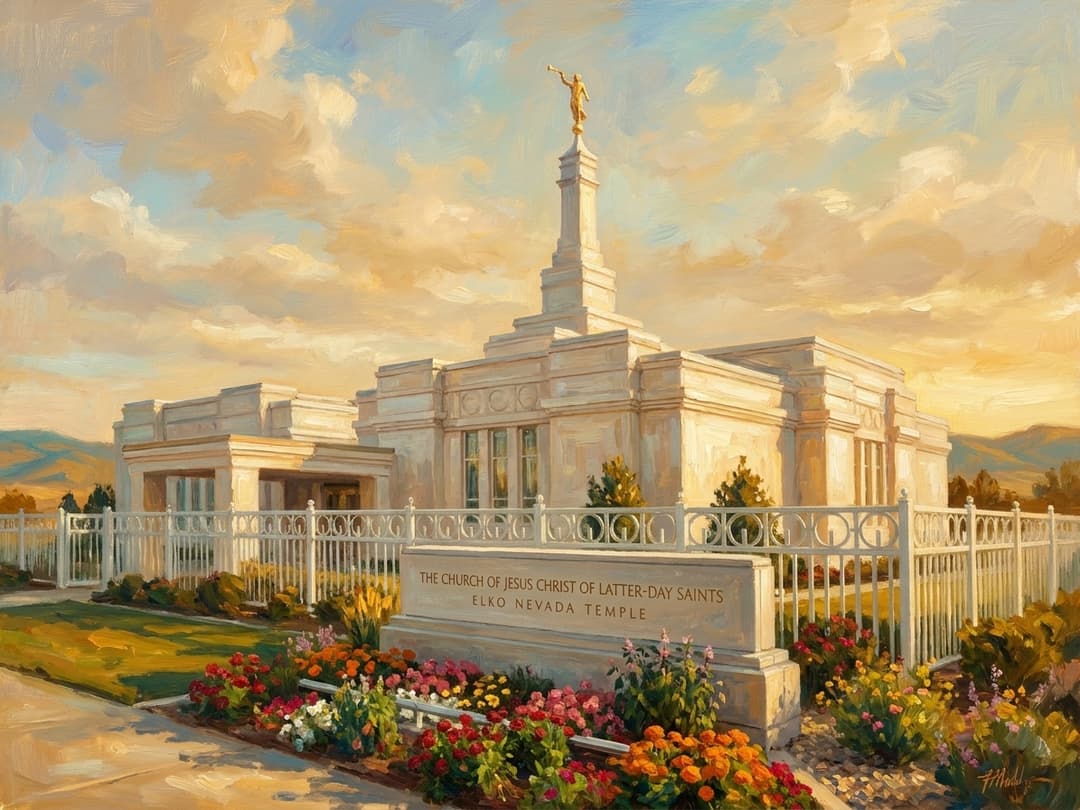
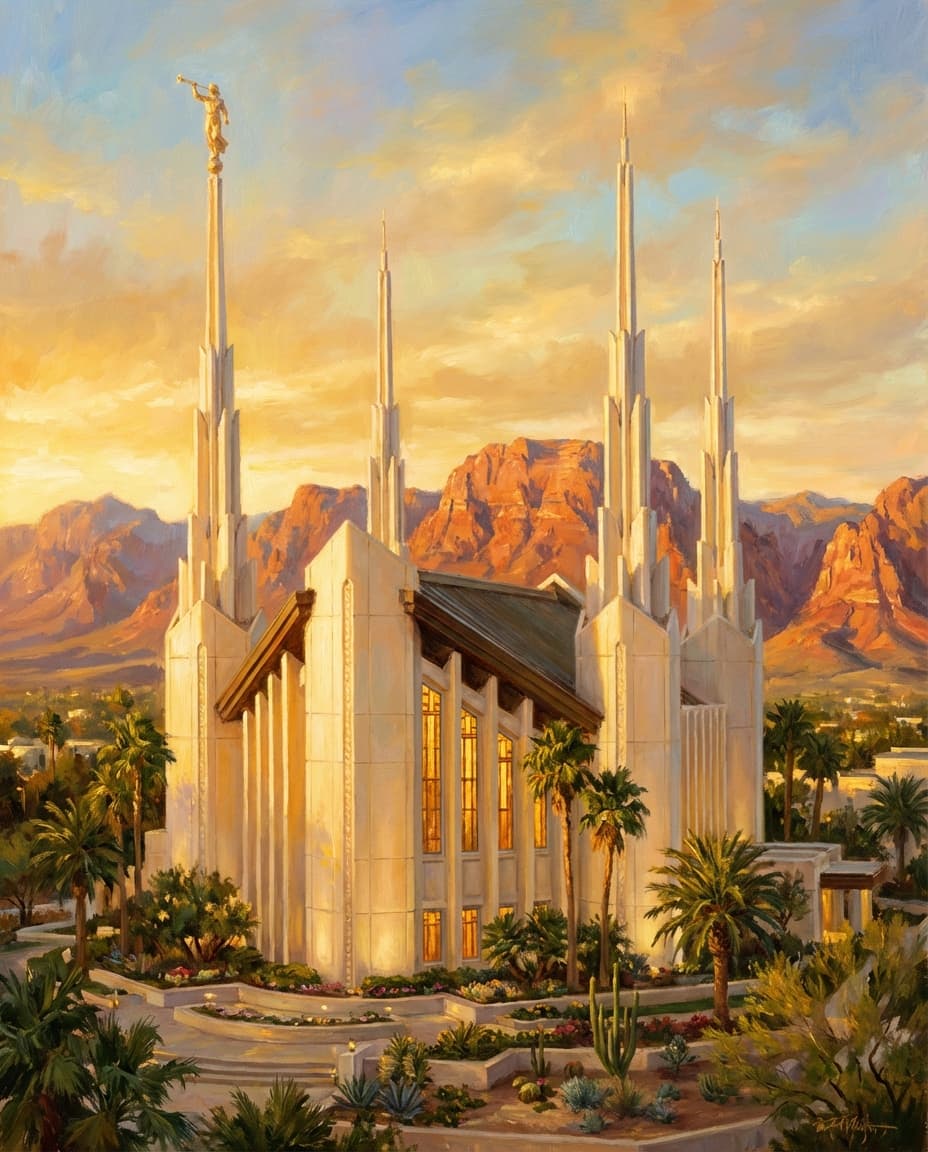
Sources & Research
Every fact on Temples.org is backed by verified Sources & Research. Each piece of information is rated by source tier and confidence level.
View All Sources (3)
| Field | Source | Tier | Retrieved |
|---|---|---|---|
| About & Historical Background | Nevada Division of State Parks (opens in a new tab) | A | 2026-02-15 |
| Timeline & Early Settlement | The Historical Marker Database (opens in a new tab) | B | 2026-02-15 |
| Architecture & Visitor Center | Las Vegas Review-Journal (opens in a new tab) | C | 2026-02-15 |