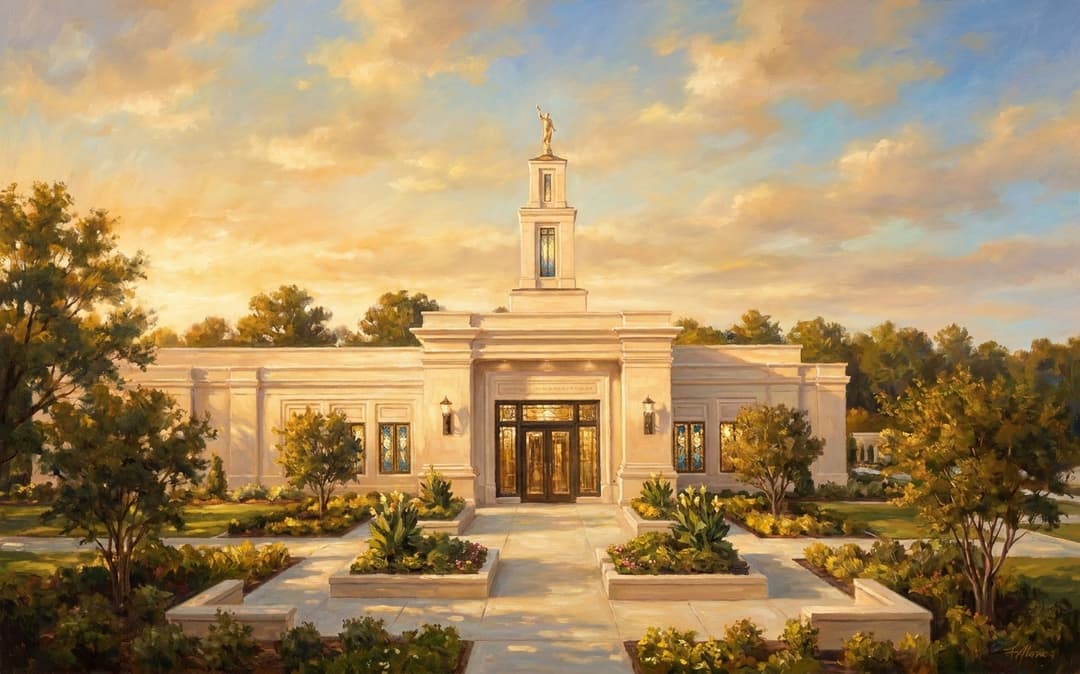
Visitor Insights
Visiting Raleigh North Carolina Temple
Nestled in a peaceful suburban pine setting in Apex, the Raleigh North Carolina Temple welcomes all visitors to walk its beautifully landscaped grounds. While sacred interior worship is reserved for church members holding active temple recommends, the public gardens provide a quiet atmosphere for contemplation.
Highlights
- Beautifully manicured gardens featuring over 50 shade trees and hundreds of ornamental shrubs.
- Intricate art glass windows showcasing North Carolina's iconic Dogwood blossom motif.
- Peaceful suburban setting located just 15 miles southwest of historic Raleigh.
Things to Know
- Interior entry requires an active temple recommend for members of the faith.
- Public parking and outdoor photo opportunities are available during daylight hours.
- The temple grounds are quietest during weekday morning and afternoon hours.
Location
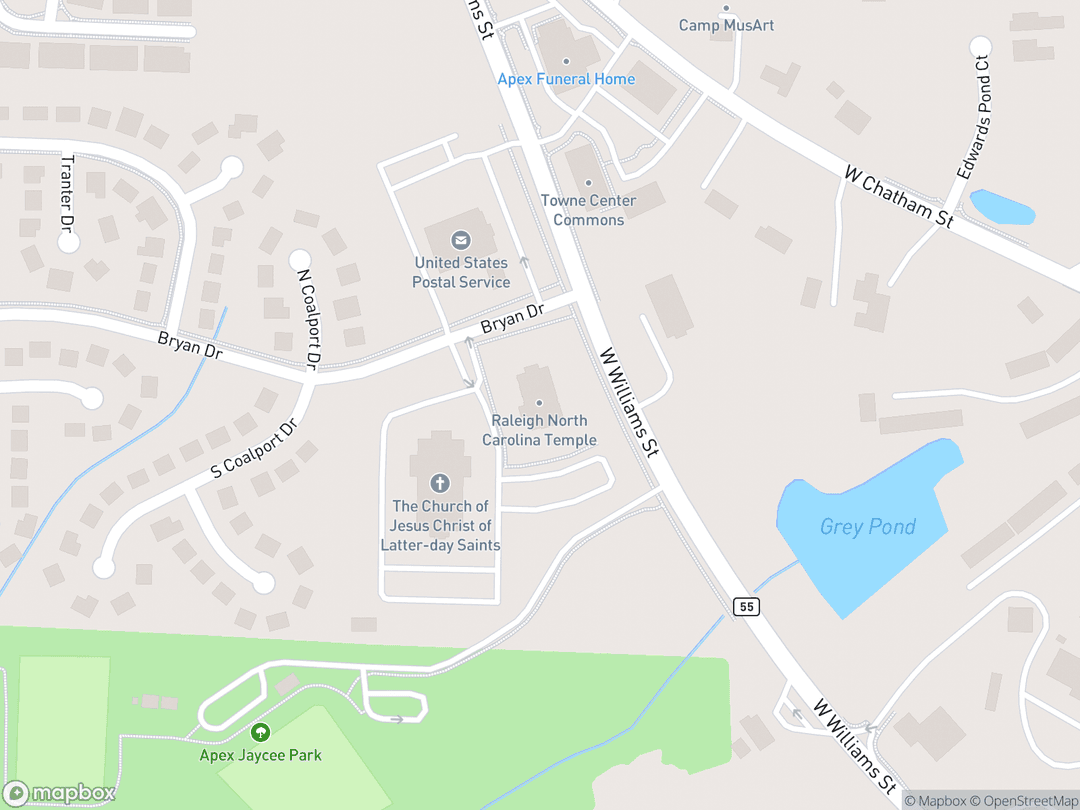
574 Bryan Drive, Apex, NC 27502-4127, United States
Hours: Tuesday through Saturday: Schedule varies by ordinance; Grounds open daily during daylight hours.
Getting There: Located at 574 Bryan Drive in Apex, NC, easily accessible from US Highway 1 and NC Highway 55.
Get DirectionsTips for Your Visit
Grounds Photography
The surrounding pine trees and flower beds offer beautiful natural backdrops for family photos.
Visitor Etiquette
Please maintain a peaceful, reverent demeanor while walking around the sacred temple grounds.
About
The Raleigh North Carolina Temple stands as a sacred sanctuary of holiness and spiritual devotion in Wake County, serving thousands of Latter-day Saints across North Carolina and surrounding states. Dedicated in December 1999 as the 68th operating temple worldwide, it marked a historic milestone as the first temple erected in the Tar Heel State. Nestled among quiet pine forests in the suburban community of Apex, the temple provides a serene setting where worshippers engage in sacred ordinances that unite families across generations.
As part of the broader Christian tradition, Latter-day Saints honor Jesus Christ as the Son of God, Savior, and Redeemer of mankind. Grounded in this biblical faith heritage, the temple functions as a consecrated "House of the Lord," echoing the ancient sanctuary traditions of the Old Testament. Following a comprehensive 20-month renovation completed in October 2019, the Raleigh temple features expanded sacred spaces, elevated architectural spires, and beautiful art glass displaying North Carolina's state flower, the Dogwood blossom.
Gallery
Symbolic Elements
The temple's exterior features intricate carvings, each rich with spiritual meaning:

Dogwood Blossom Art Glass
Custom leaded art glass featuring the North Carolina state flower symbolizes springtime renewal and Christ's resurrection.

Angel Moroni Statue
The gold-leafed figure atop the spire symbolizes the preaching of the restored gospel to all nations.

Baptismal Font on Twelve Oxen
Twelve cast oxen support the baptismal font, representing the twelve tribes of Israel and priesthood strength.

Progressive Ordinance Rooms
Sequential instruction rooms represent spiritual progression from earthly mortality toward heavenly glory.

Holiness to the Lord Inscription
Engraved at the entrance, this ancient phrase marks the temple as a consecrated House of the Lord.

Light Beige Limestone Cladding
Durable exterior stone panels reflect light and signify purity, endurance, and eternal commitment.

Celestial Room
Radiant, soft-toned furnishings represent the peaceful and pure presence of Heavenly Father and Jesus Christ.
Interesting Facts
The Raleigh temple was the first Latter-day Saint temple built in North Carolina, serving as the 68th operating temple worldwide. (Tier A)
A 20-month renovation expanded the temple's floor area by over 2,100 square feet to 12,864 square feet. (Tier A)
During the 2019 renovation, the central spire framework was raised by 10 feet to reach a total height of 83 feet, 9 inches. (Tier A)
Exterior cladding was upgraded from original white marble to light beige limestone for enhanced moisture protection in North Carolina's climate. (Tier A)
More than 1,200 local LDS youth gathered in February 1999 to help clear trees and prepare the construction site. (Tier B)
The temple's art glass incorporates a gold, deep cream, and blue color palette showcasing North Carolina's state flower, the Dogwood blossom. (Tier A)
Initial construction from groundbreaking to completion took a remarkably swift ten months in 1999. (Tier B)
Latter-day Saint roots in North Carolina date back to the 1830s when Jedediah M. Grant served as the region's first missionary. (Tier B)
The temple was originally dedicated by President Gordon B. Hinckley in 1999 and rededicated by President M. Russell Ballard in 2019. (Tier A)
Common Questions
Who can enter the interior of the Raleigh North Carolina Temple?
Interior worship is reserved for baptized members of the faith who hold an active temple recommend.
Are the temple grounds open to the general public?
Yes, all visitors are welcome to walk and enjoy the beautifully landscaped outdoor grounds.
When was the Raleigh temple originally built and rededicated?
The temple was originally dedicated in December 1999 and rededicated in October 2019 following renovation.
What local design element is featured in the temple's art glass?
The art glass windows feature stylized depictions of the Dogwood blossom, the state flower of North Carolina.
Featured Stories
Youth Mobilization at Site Preparation
February 1999
On a chilly Saturday in February 1999, over 1,200 Latter-day Saint youth gathered in Apex to clear brush and limbs following groundbreaking. Their collective energy transformed the wooded acreage into an accessible site, creating lifelong memories of service.
Source: Church News Reports
Integrating the Tar Heel Dogwood
2018–2019
During the 2018 renovation, artists meticulously incorporated North Carolina's state flower, the Dogwood blossom, into custom art glass and interior carved woodwork. This delicate design bridges local regional heritage with eternal spiritual motifs of renewal and resurrection.
Source: Church Architecture Dossier
A Rededication of Faith and Fellowship
October 2019
President M. Russell Ballard's rededication in October 2019 marked a glorious return for North Carolina Saints after 20 months of closure. Tens of thousands of neighbors toured the renovated building during the open house, strengthening community bonds across Wake County.
Source: Newsroom of The Church of Jesus Christ
Timeline
Temple Announcement
The First Presidency announces plans to construct the first temple in North Carolina.
MilestoneGroundbreaking Ceremony
Elder Loren C. Dunn presides over groundbreaking with over 1,200 youth assisting site prep.
component.timeline.groundbreakingAngel Moroni Installed
A gold-leafed Angel Moroni statue is raised atop the central spire.
MilestonePublic Open House Begins
Thousands of community members tour the completed sanctuary prior to dedication.
EventOriginal Dedication
President Gordon B. Hinckley dedicates the temple across seven sacred sessions.
DedicationBeautification Honor
The temple grounds receive local recognition for suburban forestry and landscape architecture.
EventRenovation Announcement
The First Presidency announces a comprehensive closure and renovation plan for early 2018.
MilestoneTemple Closure
The temple closes for extensive interior, structural, and exterior upgrades.
RenovationRenovation Open House
Approximately 40,000 visitors tour the newly expanded and remodeled temple.
EventRededication
President M. Russell Ballard rededicates the Raleigh temple in a single session.
DedicationHistory by Decade
1990s — Announcement and Rapid Construction
Announced by President Gordon B. Hinckley in September 1998, the Raleigh temple was part of a historic initiative to build smaller, localized temples. Groundbreaking occurred in February 1999 in Apex, supported by over 1,200 enthusiastic youth. Construction progressed rapidly over ten months, culminating in President Hinckley's dedication in December 1999.
2000s — Regional Spiritual Anchor
Throughout the 2000s, the temple served as a spiritual haven for Latter-day Saints across North Carolina and neighboring areas. Its manicured grounds were praised by the local Wake County community for landscape excellence. Sacred ordinances performed here strengthened families and deepened faith across the region.
2010s — Major Renovation and Rededication
In 2018, the temple closed for a 20-month complete overhaul that expanded its floor area to 12,864 square feet, elevated the spire, and replaced exterior cladding with limestone. Following a public open house attended by 40,000 people, President M. Russell Ballard rededicated the enhanced structure on October 13, 2019.
Architecture & Facilities
The Raleigh North Carolina Temple reflects a classic contemporary LDS design adapted for modern suburban worship. Featuring clean lines, balanced symmetry, and a prominent central spire, the structure harmonizes classic religious monumentality with welcoming local architecture. Enclosed entrance porticos and light beige limestone cladding establish an enduring presence amidst surrounding pine forests.
Building Materials
Exterior Cladding
Durable light beige limestone panels with Vermont stone accents offer high weather resistance.
Art Glass Windows
Custom leaded glass features gold, blue, and deep cream hues displaying stylized Dogwood blossoms.
Interior Flooring
Daphne white marble tile adorns entryways, waiting areas, and baptistry walkways.
Woodwork & Trim
Hand-crafted millwork with delicate gold-leaf pinstriping accents sacred ordinance spaces.
Interior Features
Celestial Room
Soft-toned furnishings, gold-leaf accents, and crystal chandeliers create a quiet room representing celestial peace.
Ordinance Rooms
Two progressive instruction rooms feature elegant murals and comfortable seating for temple worshipers.
Sealing Rooms
Two intimate sealing rooms with facing mirrors symbolize eternal marriage and family unity.
Baptistry
A baptismal font rests atop twelve sculpted oxen, accented by a daphne white and gold marble floor mosaic.
Temple Grounds
The 3.17-acre temple site features 51 shade and evergreen trees, over 900 ornamental shrubs, and 400 perennial flowering plants. Paved pedestrian pathways wind through manicured lawns and garden beds, providing a peaceful environment for outdoor reflection.
Additional Facilities
The temple site includes administrative offices, dressing areas, an arrival vestibule, and convenient on-site parking for patrons.
Religious Significance
Rooted in the shared Christian faith in Jesus Christ as Lord and Savior, the Raleigh North Carolina Temple serves as a sacred space where believers enter into higher covenants with God. While regular weekly worship occurs in local LDS chapels, the temple stands apart as a consecrated sanctuary dedicated to sacred eternal rites.
To provide a holy place where church members receive sacred instruction, enter into eternal marriage sealings, and perform vicarious ordinances for deceased ancestors.
Sacred Ordinances
Temple Endowment
A sacred course of instruction and covenant-making regarding God's plan of salvation and the gospel of Jesus Christ.
Marriage Sealing
Priesthood ordinances that unite husbands, wives, and families eternally beyond mortal death.
Vicarious Baptism
Baptisms performed by living proxies on behalf of deceased ancestors, extending Christ's redeeming grace to all.
The Biblical Pattern of Temple Worship
Like the Ancient Tabernacle and Solomon's Temple described in Holy Scripture, modern Latter-day Saint temples are dedicated exclusively as Houses of the Lord. They fulfill biblical prophecies of sacred gathering and spiritual restoration in the modern era.
Similar Temples
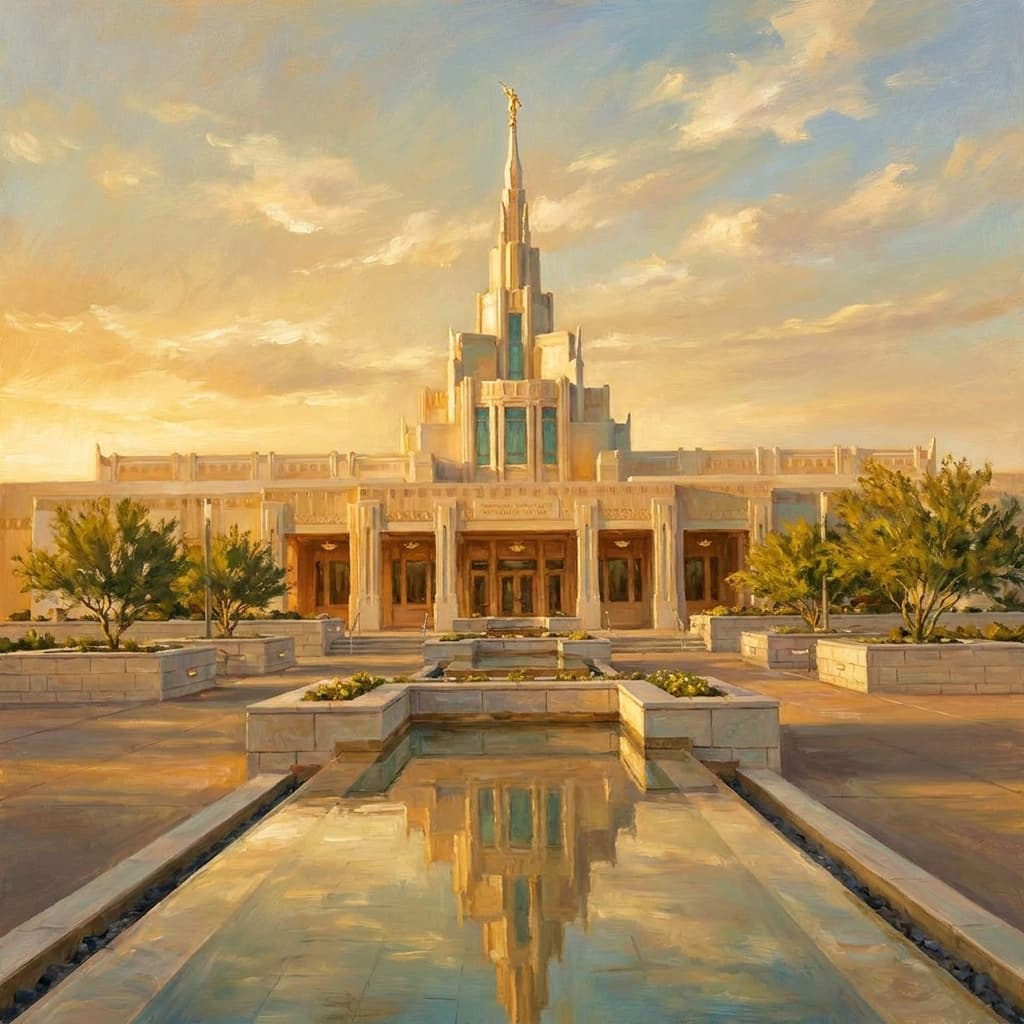
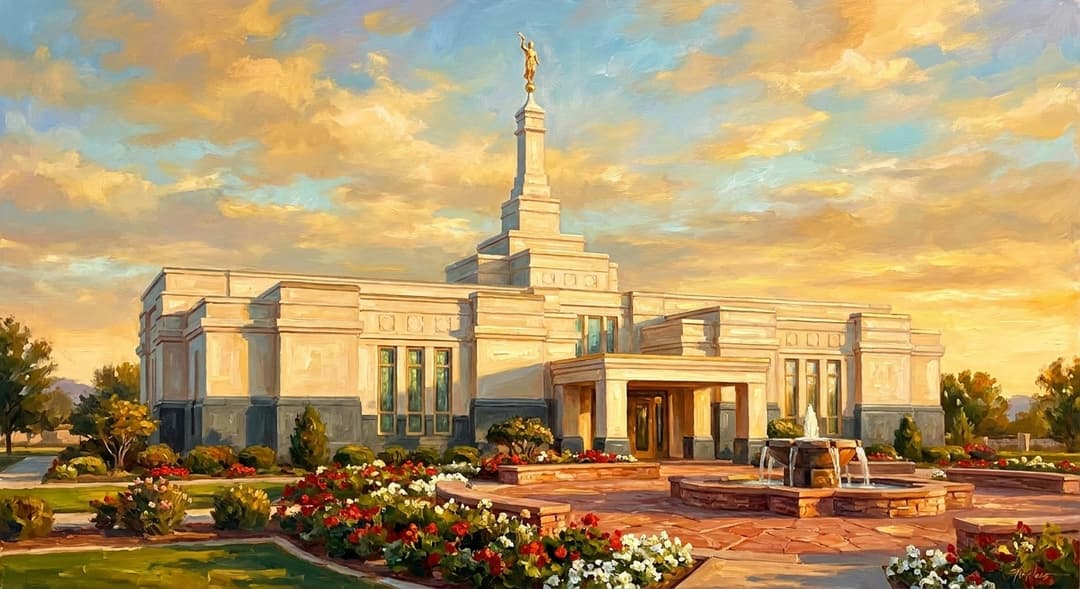
Sources & Research
Every fact on Temples.org is backed by verified Sources & Research. Each piece of information is rated by source tier and confidence level.
View All Sources (6)
| Field | Source | Tier | Retrieved |
|---|---|---|---|
| About & Historical Background | The Church of Jesus Christ of Latter-day Saints (opens in a new tab) | A | 2026-02-18 |
| Religious Significance & Ordinances | The Church of Jesus Christ of Latter-day Saints (opens in a new tab) | A | 2026-02-18 |
| Timeline & Historical Events | Church History Department (opens in a new tab) | A | 2026-02-18 |
| Visitor Insights & General Information | ChurchofJesusChristTemples.org (opens in a new tab) | C | 2026-02-18 |
| Featured Stories & Open House | The Charlotte Post (opens in a new tab) | B | 2026-02-18 |
| Community & Local History | The News & Observer (opens in a new tab) | B | 2026-02-18 |