Visitor Insights
Visiting Nashville Tennessee Temple
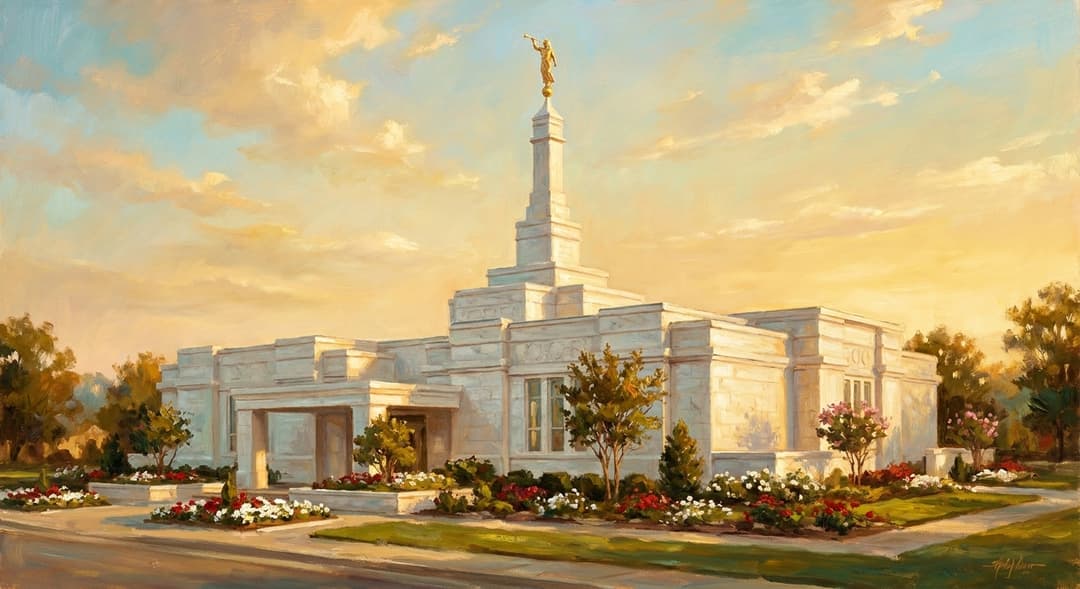
The Nashville Tennessee Temple welcomes visitors to walk its peaceful grounds and beautifully landscaped gardens in Franklin. While the interior is reserved for endowed Church members holding valid temple recommends, the tranquil outdoor sanctuary offers an uplifting environment for quiet reflection.
Highlights
- Luminous Vermont white marble exterior cladding.
- Meticulously manicured flower gardens and shade trees.
- Elevated scenic setting in historic Franklin, Tennessee.
Things to Know
- Interior entry requires an active temple recommend.
- The temple is closed on Sundays and Mondays.
- Public worship services are held at the adjacent meetinghouse.
Location
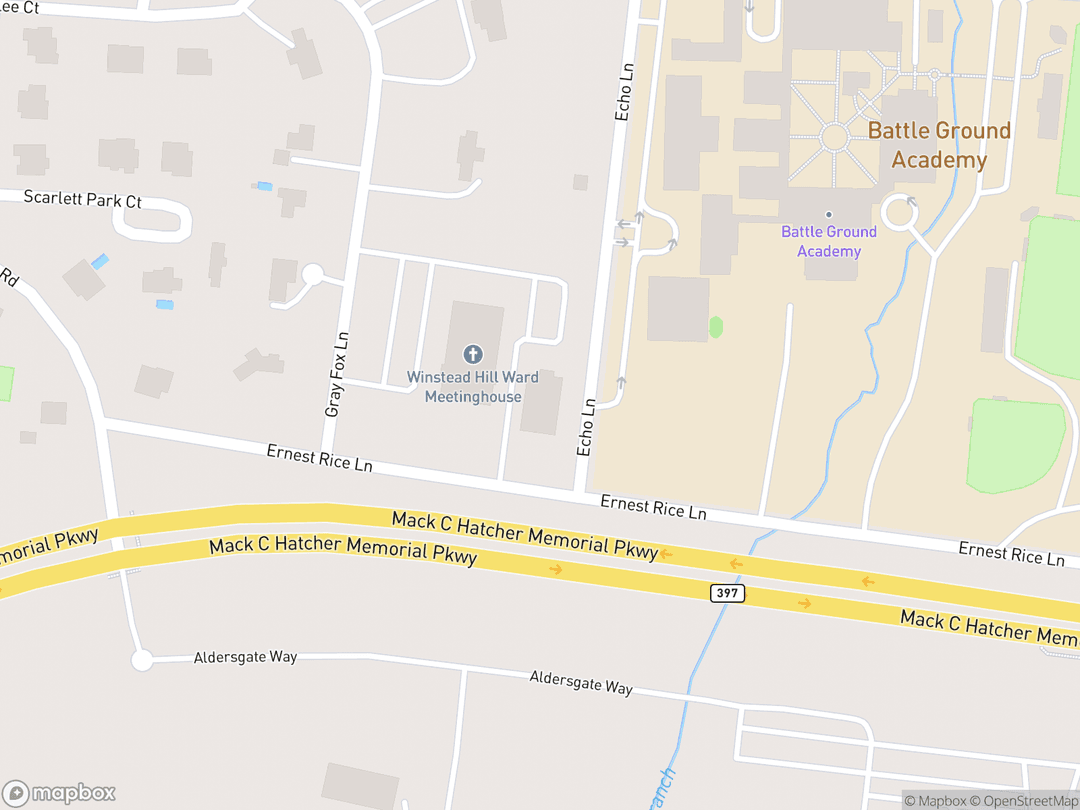
344 Ernest Rice Lane, Franklin, Tennessee 37069, United States
Hours: Tuesday through Saturday: Operating schedule varies by ordinance session; closed Sunday and Monday.
Getting There: Located at 344 Ernest Rice Lane in Franklin, just off Interstate 65 Exit 68B or Exit 69, approximately 20 miles south of downtown Nashville.
Get DirectionsTips for Your Visit
Grounds Photography
The exterior white marble and manicured gardens present excellent photo opportunities during early morning light and evening sunset.
Sunday Worship
Visitors of all faiths are welcome to attend regular Sunday services at the neighboring stake center meetinghouse.
About
The Nashville Tennessee Temple stands as a sacred sanctuary dedicated to Jesus Christ in Franklin, Tennessee. Rooted in the ancient Abrahamic tradition of consecrated sanctuaries like the Tabernacle and Temple of Solomon, it serves as a house of prayer, divine instruction, and sacred covenants. Within its holy halls, Latter-day Saints draw closer to God and participate in eternal priesthood ordinances.
Announced in November 1994, the temple underwent a notable design pivot following municipal zoning discussions in nearby Forest Hills. This transition catalyzed President Gordon B. Hinckley's groundbreaking small-temple strategy, making sacred ordinances more accessible worldwide. Dedicated in May 2000, it became the 84th operating temple of the Church.
Constructed with brilliant white Imperial Danby marble quarried in Vermont, the single-spire structure harmonizes classic modern architecture with spiritual symbolism. Elevated above local terrain, the temple provides a peaceful refuge for worshippers across Middle Tennessee, standing as a testament to faith, family, and eternal devotion.
Gallery
Symbolic Elements
The temple's exterior features intricate carvings, each rich with spiritual meaning:

Angel Moroni Statue
Posed atop the central spire, the gold-leafed statue represents the herald of the restoration fulfilling Revelation 14:6.

Imperial Danby White Marble
The luminous Vermont marble cladding symbolizes holiness unto the Lord and divine purity.

Twelve Oxen Font
The baptismal font rests upon twelve bronze oxen representing the twelve tribes of Israel and ancient temple typography.

Central Heavenward Spire
Rising 71 feet above ground, the central spire symbolizes humanity's spiritual reach toward the heavens.

Parallel Sealing Mirrors
Facing mirrors inside the sealing rooms reflect images infinitely to represent the eternal nature of family covenants.

Geometric Art Glass
Soft gold, blue, and frosted glass windows symbolize the filtering of natural light into celestial knowledge.

Progression of Sacred Space
Sequential movement from instruction rooms into the Celestial Room represents the soul's journey into God's presence.
Interesting Facts
The temple was born out of local zoning discussions that shifted its location from Forest Hills to Franklin. (Tier A)
It became an early operational model for President Gordon B. Hinckley's smaller temple strategy. (Tier A)
The edifice was dedicated just 28 days after its sister temple in Memphis, Tennessee. (Tier A)
Its exterior is clad in premium Imperial Danby marble shipped from the world's largest underground quarry in Vermont. (Tier B)
During the catastrophic 2010 Middle Tennessee floods, the elevated temple site remained unscathed and served as a disaster relief staging hub. (Tier A)
More than 24,000 community members and civic leaders attended its public open house in May 2000. (Tier A)
The single-story structure houses two ordinance rooms configured in an efficient two-stage progressive layout. (Tier A)
The building rises exactly 71 feet to the top of the gold-leafed Angel Moroni statue on its central spire. (Tier A)
The temple shares a 6.86-acre parcel with an adjacent Latter-day Saint stake center meetinghouse. (Tier A)
Common Questions
Who can enter the interior of the Nashville Tennessee Temple?
Entrance into the temple interior requires a valid temple recommend issued to faithful Latter-day Saints.
Are the temple grounds open to the public?
Yes, the surrounding manicured gardens and outdoor walkways are open to visitors of all faiths.
Why was the temple relocated from Forest Hills to Franklin?
The project was moved to Franklin following municipal zoning discussions in Forest Hills and the adoption of the small-temple strategy.
What material was used for the exterior walls?
The exterior is clad in white Imperial Danby marble quarried in Danby, Vermont.
When was the Nashville Tennessee Temple dedicated?
It was dedicated on May 21, 2000, by President James E. Faust of the First Presidency.
Featured Stories
From Zoning Resistance to Architectural Innovation
1998
Plans for the Nashville Tennessee Temple originally envisioned a large regional structure in Forest Hills, but three years of municipal zoning resistance led Church leaders to pivot. This shift coincided with President Gordon B. Hinckley's revolutionary vision for smaller, standardized temples located closer to members. The project was successfully relocated to Franklin, establishing an efficient 10,700-square-foot model that accelerated temple building worldwide.
Source: Church Newsroom Archive
A Sanctuary Above the 2010 Floodwaters
May 2, 2010
In May 2010, historic 500-year rainfall caused catastrophic flooding across Middle Tennessee, inundating thousands of homes and displacing over 40 local Latter-day Saint families. Thanks to its elevated siting in Franklin, the Nashville Temple sustained zero structural flood damage. The temple grounds and adjacent stake center quickly transformed into an active disaster relief staging hub for thousands of Latter-day Saint Helping Hands volunteers.
Source: Middle Tennessee Church Records
A Sacred Dedication in Middle Tennessee
May 21, 2000
Following a welcoming public open house that drew over 24,000 visitors, President James E. Faust of the First Presidency dedicated the temple in four sessions. Dedicated just 28 days after the Memphis Temple, it established a permanent house of the Lord in Middle Tennessee. Local Saints gathered with deep gratitude, celebrating the fulfillment of a long-awaited spiritual home.
Source: Ensign Magazine, July 2000
Timeline
Temple Announcement
President Howard W. Hunter announces plans to construct the first temple in Tennessee.
MilestoneSmall Temple Vision Introduced
President Gordon B. Hinckley presents a revolutionizing vision for smaller, standardized temples.
MilestoneSite Relocation to Franklin
Church leaders announce the relocation of the temple project from Forest Hills to Franklin.
MilestoneMemphis Temple Announced
The First Presidency splits Tennessee into two temple districts with the announcement of the Memphis temple.
MilestoneGroundbreaking Ceremony
Elder John K. Carmack presides over the official groundbreaking service in Franklin.
component.timeline.groundbreakingMunicipal Approval
Franklin municipal authorities grant final design and site plan approvals for construction.
MilestonePublic Open House Begins
A one-week public open house begins, welcoming over 24,000 community visitors.
EventTemple Dedication
President James E. Faust dedicates the Nashville Tennessee Temple in four formal sessions.
DedicationFirst Operations Begin
The temple opens its doors for sacred ordinance work for Latter-day Saints.
EventFlood Relief Hub
Elevated temple grounds serve as a vital disaster relief staging point during catastrophic Middle Tennessee flooding.
EventKnoxville Temple Announcement
President Russell M. Nelson announces a third Tennessee temple in Farragut to serve eastern Tennessee.
MilestoneHistory by Decade
1990s — Announcement, Pivot, and Construction
These smaller temples will bring all the blessings of the house of the Lord to Saints across the world.
President Howard W. Hunter announced the temple in November 1994, initially aiming for a regional edifice in Forest Hills. After municipal zoning debates, Church leaders pivoted in 1998 to a smaller template in Franklin. Ground was broken on March 13, 1999, ushering in a rapid construction period.
2000s — Dedication and Establishing Sacred Rites
In May 2000, over 24,000 guests toured the completed interior during its public open house. President James E. Faust dedicated the temple on May 21, 2000, making it the Church's 84th operating temple. It quickly became the focal center for ordinance work across Middle Tennessee and Kentucky.
2010s–2020s — Disaster Relief and District Realignment
During the historic May 2010 Middle Tennessee floods, the temple's elevated site remained undamaged and served as a major disaster relief staging area. In April 2022, President Russell M. Nelson announced a third Tennessee temple in Knoxville, further supporting the growth of Saints in the region.
Architecture & Facilities
The Nashville Tennessee Temple embodies a Classic Modern, single-spire design crafted by architect Robert Waldrip and Church Architectural Services. Combining simplified traditional sacral forms with clean contemporary lines, the edifice balances dignity, modesty, and spiritual elegance within its suburban Franklin setting.
Building Materials
Exterior Cladding
Luminous Imperial Danby white marble quarried in Danby, Vermont.
Fenestration
Art-glass windows featuring subtle geometric, floral, and blue-gold tones.
Roof & Spire
Stepped marble-faced spire crowned with a fiberglass gold-leafed Angel Moroni statue.
Structural Frame
Reinforced steel framing and masonry engineered for high structural durability.
Interior Features
Baptistry
Features a cast-bronze font resting upon twelve stylized oxen.
Ordinance Rooms
Two progressive instruction rooms decorated in serene off-white and soft gold tones.
Celestial Room
A tranquil space with custom crystal chandeliers, fine woodwork, and plush ivory carpet.
Sealing Rooms
Two sealing rooms with padded wooden altars and infinite parallel mirrors.
Temple Grounds
The 4.98-acre site features manicured lawns, seasonal flower beds, dogwood trees, crepe myrtles, evergreen boxwoods, and paved reflection walkways.
Additional Facilities
Adjacent to a Latter-day Saint stake center meetinghouse sharing a total 6.86-acre parcel for chapel worship and community activities.
Religious Significance
Like the biblical tabernacle and ancient Christian houses of worship, the Nashville Tennessee Temple is consecrated as a dedicated sanctuary setting worshippers apart from worldly noise to draw near to God.
To serve as a sacred house of the Lord where Latter-day Saints enter into eternal priesthood covenants with God and Jesus Christ.
Sacred Ordinances
The Endowment
A sacred ceremonial progression of spiritual instruction and covenants focusing on devotion to Jesus Christ.
Celestial Marriage & Sealing
Holy rites uniting husbands, wives, and families in eternal bonds that endure beyond mortality.
Vicarious Baptism
Baptisms performed by immersion on behalf of deceased ancestors in sacred baptismal fonts.
The Sacred Sanctuary in Christian Thought
Across Abrahamic traditions, dedicated holy spaces serve as physical anchors where human devotion meets divine grace. The Nashville temple fulfills this timeless sanctuary purpose for Latter-day Saints.
Connecting Faith and Family
Through temple sealing ordinances, family ties are solemnized for eternity, offering hope, peace, and spiritual strength to members throughout Middle Tennessee.
Similar Temples
Sources & Research
Every fact on Temples.org is backed by verified Sources & Research. Each piece of information is rated by source tier and confidence level.
View All Sources (4)
| Field | Source | Tier | Retrieved |
|---|---|---|---|
| About & Historical Background | The Church of Jesus Christ of Latter-day Saints (opens in a new tab) | A | 2026-01-30 |
| Timeline & Featured Stories | Church Newsroom (opens in a new tab) | A | 2026-01-30 |
| Architecture & Design | The Church of Jesus Christ of Latter-day Saints (opens in a new tab) | A | 2026-01-30 |
| About & Historical Background | ChurchofJesusChristTemples.org (opens in a new tab) | C | 2026-01-30 |