Visitor Insights
Visiting Bountiful Utah Temple
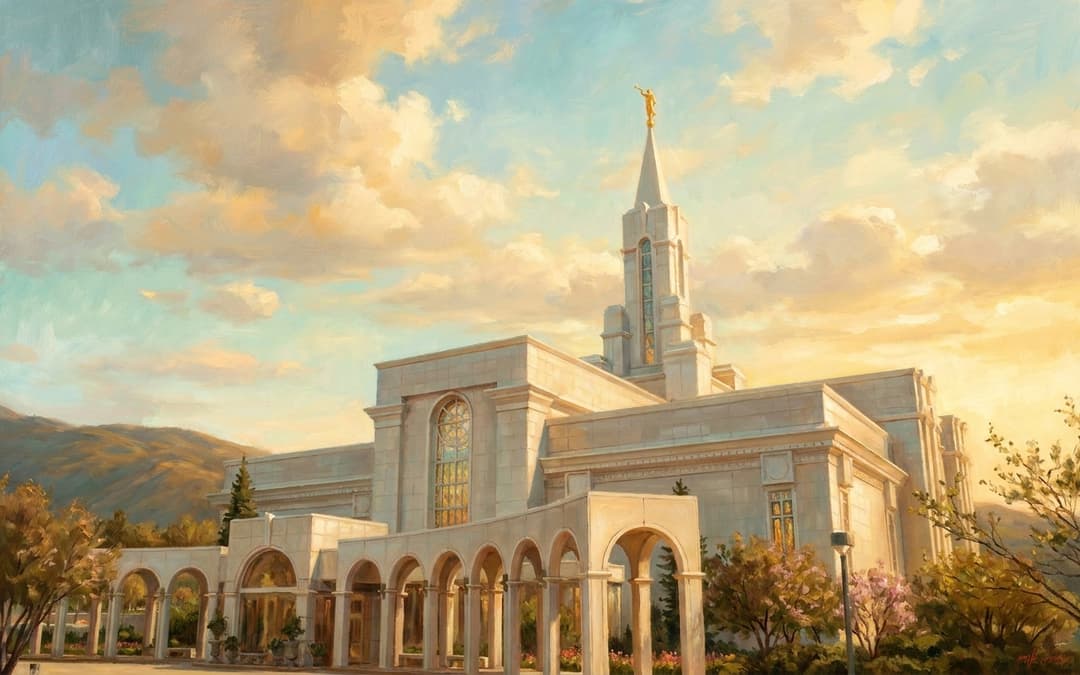
The Bountiful Utah Temple grounds offer a serene and deeply peaceful experience for visitors of all backgrounds. Nestled high on the mountain bench, the site provides sweeping, panoramic views of the entire Salt Lake Valley and the Great Salt Lake. Visitors can stroll along beautifully manicured paths, listen to the soothing sounds of the cascading water features, and enjoy the vibrant seasonal floral displays. It is a perfect place for quiet contemplation, prayer, and escaping the bustle of daily life.
Highlights
- Panoramic views of the Great Salt Lake and the surrounding valley, especially stunning at sunset.
- The multi-tiered stone waterfall cascading down the eastern hillside beneath the temple plaque.
- The unique circular columned atrium connecting the parking structure to the main plaza.
Things to Know
- The interior of the temple is reserved for members of The Church of Jesus Christ of Latter-day Saints holding active temple recommends.
- The hillside location can experience strong winds and cooler temperatures, so a light jacket is recommended.
- Respectful attire and quiet conduct are requested while walking the sacred temple grounds.
Location
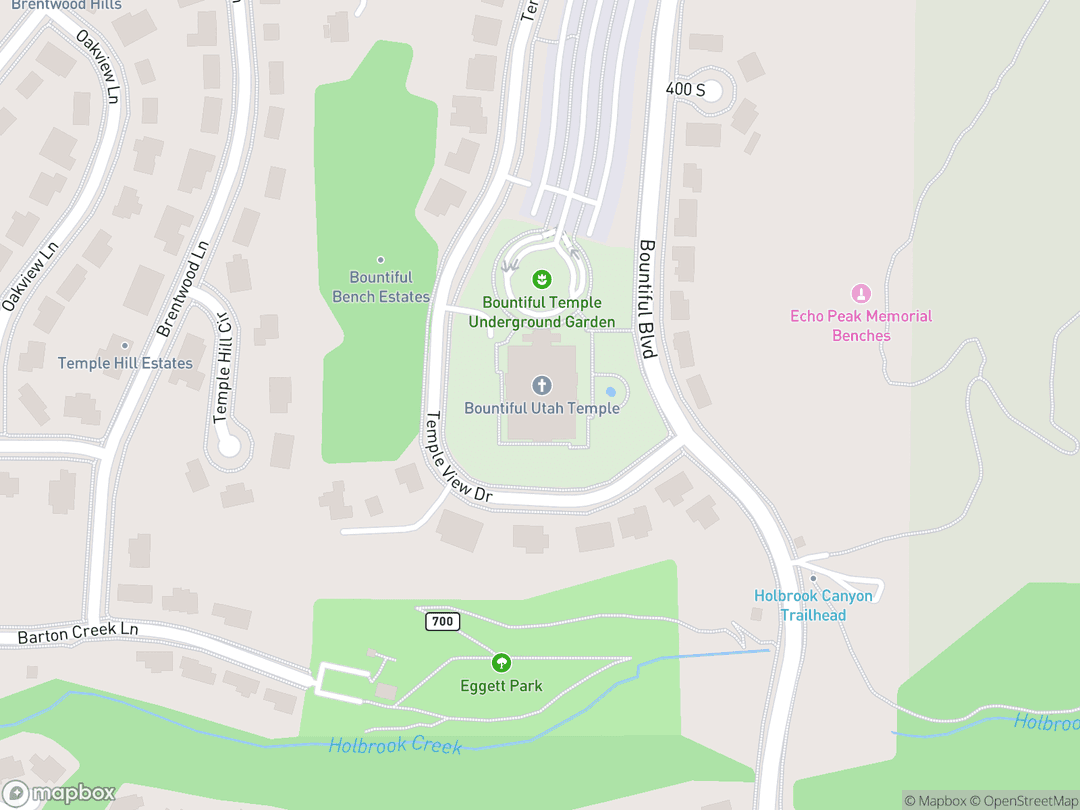
640 South Bountiful Boulevard, Bountiful, Utah 84010-1394, United States
Hours: The temple grounds are open daily from sunrise until 10:00 PM. The temple interior operates Tuesday through Saturday according to scheduled ordinance sessions.
Getting There: From Interstate 15, take Exit 317 (400 South) in Bountiful and head east toward the mountains. Turn right onto Bountiful Boulevard and follow the winding road up the hill to the temple entrance. Ample parking is available in the underground parking structure.
Get DirectionsTips for Your Visit
Sunset Photography
Arrive about 30 minutes before sunset to capture the dramatic colors over the Great Salt Lake, followed by the illumination of the temple's white granite exterior.
Explore the Atrium
Be sure to walk through the circular columned atrium on the lower level, which offers a unique architectural perspective and lush plantings.
About
The Bountiful Utah Temple stands as a prominent sacred landmark nestled high on the eastern foothills of the Wasatch Range, overlooking the city of Bountiful and the Great Salt Lake. As the 47th operating temple of The Church of Jesus Christ of Latter-day Saints, it represents a significant chapter in modern Latter-day Saint sanctuary construction. Within the broader Christian theological grouping and the Abrahamic tradition of building dedicated spaces to commune with the Divine, this temple serves as a physical testament to the search for holiness, covenant-making, and the eternal nature of the human soul.
The history of the temple site is marked by a series of remarkable events. Originally purchased from the United States government in 1897, the steep and waterless hillside remained largely undeveloped for decades, eventually hosting a modest apricot orchard in the mid-20th century. Following severe mudslides in Bountiful in 1983, a massive city excavation project leveled the steep terrain to build a flood-control dam, leaving behind a perfectly flat, bench-like terrace. This newly leveled hillside was personally selected by the entire First Presidency of the Church in 1988 as the future temple site.
Dedicated in 1995 by President Howard W. Hunter, the temple serves as a spiritual beacon for hundreds of thousands of Latter-day Saints in the region. Clad in pristine Bethel white granite from Vermont, the temple's classic modern design features a single, central attached spire rising 176 feet into the sky. The sacred structure stands as a monument of faith, visible throughout the southern Davis County area, inviting all who look upon it to contemplate the eternal.
Gallery
Symbolic Elements
The temple's exterior features intricate carvings, each rich with spiritual meaning:
The Angel Moroni
Perched atop the 176-foot spire, the gold-leafed statue of the ancient American prophet Moroni represents the restoration of the gospel of Jesus Christ. Facing east, the statue symbolizes the heralding of the Second Coming of Christ, a core tenet of Latter-day Saint theology.

Twelve Oxen
Supporting the baptismal font on the lower level, the twelve sculpted oxen represent the twelve tribes of ancient Israel. This design follows the biblical precedent established in Solomon's Temple, symbolizing the strength, support, and gathering of God's covenant people.

Keystones
Prominently carved into the granite arches above the windows and entrances are architectural keystones. In Christian theology, the keystone represents Jesus Christ as the 'chief cornerstone' holding the spiritual structure of the Church together.

Arches
The repeated use of grand arches throughout the exterior and entrance portico symbolizes the transition from the secular, earthly world into a sacred, heavenly space. They invite patrons to leave worldly concerns behind as they enter the House of the Lord.

Progression of Light
The interior layout is designed so that as patrons progress from lower-level instruction rooms to the upper-level sealing and celestial rooms, the architectural details, colors, and lighting become increasingly bright and refined. This symbolizes the spiritual journey of returning to the presence of God.

Bethel White Granite
The entire exterior is clad in pristine Bethel white granite quarried in Vermont. This highly durable, polished stone reflects sunlight during the day and artificial lighting at night, symbolizing purity, holiness, and the enduring nature of God's covenants.

Stained Glass Floral Patterns
The vertically oriented stained glass windows feature delicate geometric and floral patterns. These designs filter soft, colored light into the interior rooms, representing the beauty of God's creation and the filtering out of worldly distractions.
Interesting Facts
The Bountiful Utah Temple site is the only temple location in modern Church history that was personally visited and selected by the entire First Presidency together on April 3, 1988.
President Ezra Taft Benson presided over and broke ground for the temple on May 2, 1992, at the age of 92, which was one of the final public appearances of his life.
The temple's dedication in January 1995 drew 201,655 Latter-day Saints across 28 sessions, representing the largest dedicatory attendance in Church history at that time.
Over the six-week public open house in late 1994, a staggering 870,361 visitors toured the temple's interior, assisted by over 45,000 local volunteers.
The flat bench on which the temple sits was created entirely by accident following severe mudslides in 1983, when the city excavated 200,000 cubic yards of soil to build a canyon dam.
On May 22, 2016, a direct lightning strike hit the Angel Moroni statue, blowing a hole in its head and back but successfully protecting the temple structure from electrical damage.
Rather than waiting months for a new statue, the Church replaced the damaged Moroni just ten days later using a backup statue completed and reserved for the Meridian Idaho Temple.
The architectural floor plan designed for the Bountiful Utah Temple was so successful that it was adapted and used almost identically for the Mount Timpanogos Utah Temple.
It is one of only two temples dedicated by President Howard W. Hunter during his brief nine-month tenure as President of the Church.
The temple site was originally purchased from the U.S. government in 1897 by John Haven Barlow Sr. and was later used as a 400-tree apricot orchard starting in 1947.
Common Questions
Can anyone go inside the Bountiful Utah Temple?
While the exterior grounds, gardens, and lower-level atrium are open to the general public of all faiths, the interior of the temple is reserved for faithful members of the Church of Jesus Christ of Latter-day Saints who hold an active temple recommend.
What is the significance of the Angel Moroni statue on top of the spire?
The gold-leafed statue represents Moroni, an ancient American prophet who recorded much of the Book of Mormon. His position atop the spire, blowing a trumpet, symbolizes the restoration of the gospel of Jesus Christ to the earth and the heralding of His Second Coming.
How does the Bountiful Utah Temple differ from a regular Latter-day Saint meetinghouse?
Latter-day Saint meetinghouses (or chapels) are open to everyone for weekly Sunday worship services, youth activities, and community events. Temples, however, are considered sacred 'Houses of the Lord' where sacred covenants, marriages, and proxy ordinances for the deceased are performed in a quiet, contemplative setting.
What happened during the 2016 lightning strike?
On May 22, 2016, a powerful lightning bolt struck the Angel Moroni statue. The statue is designed to act as a lightning rod, safely channeling the electrical charge away from the building. While the statue itself suffered significant cosmetic damage, the temple structure was completely unharmed, and the statue was replaced ten days later.
Is there parking available at the temple?
Yes, the Bountiful Utah Temple features a large, multi-level parking structure built partially underground to preserve the natural beauty of the mountain bench. Parking is free and easily accessible from Bountiful Boulevard.
Featured Stories
The Accidental Bench
1983
In the spring of 1983, severe runoff caused devastating mudslides and flash flooding throughout the city of Bountiful. To mitigate future disasters, the city decided to construct a massive flood-control dam in the nearby canyon. This project required an immense amount of soil, leading the city to request excavation rights on the steep, rugged hillside owned by the Barlow family. Construction crews excavated over 200,000 cubic yards of earth from the property, which completely leveled the steep terrain. What was once an unusable, vertical hillside was transformed into a perfectly flat, bench-like terrace, creating the ideal foundation for the future temple.
Source: Church History Department
A Shared Vision of the First Presidency
April 3, 1988
On a quiet Sunday afternoon in April 1988, a rare and historic event took place on the newly leveled Bountiful hillside. The entire First Presidency of the Church—consisting of President Ezra Taft Benson and his counselors, Thomas S. Monson and Gordon B. Hinckley—personally visited the site together. Standing on the dirt terrace overlooking the Great Salt Lake, they surveyed the panoramic views of the valley. President Benson, deeply moved by the location, selected it on the spot as the future temple site. This remains the only temple location in modern Church history to be personally visited and selected by the entire First Presidency in unison.
Source: Church History Department
The Lightning Strike of 2016
May 22, 2016
During a severe afternoon thunderstorm in May 2016, a powerful bolt of lightning struck the Angel Moroni statue atop the temple spire. The strike blew a significant hole in the back of the fiberglass figure and stripped away portions of its 22-karat gold leaf. Because the statue is engineered to act as a lightning rod, it successfully absorbed the massive electrical charge, protecting the temple's structure and electrical systems from any damage. Just ten days later, maintenance crews used a crane to replace the damaged figure with a backup statue originally designated for the Meridian Idaho Temple, restoring the iconic spire to its original beauty.
Source: Church Newsroom
Timeline
Land Acquisition
John Haven Barlow Sr. purchases 40 acres of steep, waterless land from the United States government.
MilestoneApricot Orchard Established
Descendants of the Barlow family clear a portion of the steep hillside and plant 400 apricot trees.
EventDevastating Mudslides
Severe spring runoff causes mudslides in Bountiful, prompting the city to plan a flood-control dam.
EventHillside Excavation
Crews excavate 200,000 cubic yards of soil from the Barlow property, leaving behind a perfectly flat terrace.
MilestoneFirst Presidency Site Visit
President Ezra Taft Benson and his counselors personally visit and select the leveled hillside as the future temple site.
MilestoneProperty Purchase
The Church of Jesus Christ of Latter-day Saints officially purchases the property from the Barlow family.
MilestoneTemple Announcement
The First Presidency officially announces plans to construct the Bountiful Utah Temple.
MilestoneGroundbreaking Ceremony
President Ezra Taft Benson, at age 92, presides over the groundbreaking ceremony to start construction.
component.timeline.groundbreakingPublic Open House Begins
The public open house opens, allowing hundreds of thousands of visitors of all faiths to tour the interior.
EventOpen House Concludes
The public open house concludes with a record-breaking turnout of over 870,000 visitors.
EventTemple Dedication
President Howard W. Hunter dedicates the temple during the first of 28 consecutive dedicatory sessions.
DedicationLightning Strike
A powerful lightning bolt strikes the Angel Moroni statue, damaging the fiberglass figure and its gold leaf.
EventAngel Moroni Replaced
Maintenance crews replace the damaged statue with a backup statue originally designated for the Meridian Idaho Temple.
RenovationPandemic Closure
The temple temporarily suspends all patron operations in response to the global COVID-19 pandemic.
EventPhased Reopening Begins
The temple begins a phased reopening process, initially offering living husband-and-wife sealings only.
EventHistory by Decade
1890s–1940s — The Barlow Hillside
In 1897, John Haven Barlow Sr. purchased 40 acres of steep, waterless land on the eastern foothills of the Wasatch Range from the United States government. Due to the rugged terrain and lack of irrigation, the hillside lot remained largely undeveloped and wild for decades. It wasn't until 1947 that descendants of the Barlow family cleared a portion of the steep hillside and planted 400 apricot trees, establishing the first productive agricultural use of the property.
1980s — The Mudslides and Miraculous Leveling
The landscape of the Barlow property changed forever in 1983 when severe spring runoff caused devastating mudslides and flash flooding in Bountiful. To mitigate future disasters, the city decided to build a flood-control dam in the canyon. The city requested soil from the Barlow property, and construction crews excavated over 200,000 cubic yards of earth. This massive excavation project leveled the steep terrain, leaving behind a perfectly flat, bench-like terrace. On April 3, 1988, the entire First Presidency of the Church personally visited the newly leveled hillside, and President Benson selected the location as the future temple site. The Church officially purchased the property on May 28, 1988.
1990s — Announcement, Construction, and Dedication
On February 2, 1990, the First Presidency officially announced plans to construct the Bountiful Utah Temple. President Ezra Taft Benson, at the age of 92, presided over the groundbreaking ceremony on May 2, 1992. Following a highly successful public open house that drew over 870,000 visitors, President Howard W. Hunter dedicated the temple on January 8, 1995, during the first of 28 dedicatory sessions.
2010s–Present — Preservation and Modern Challenges
The temple has continued to serve as a spiritual beacon for the community. In May 2016, a powerful lightning strike damaged the Angel Moroni statue, which was swiftly replaced within ten days. The temple briefly closed in 2020 due to the COVID-19 pandemic but has since resumed full operations, continuing its legacy of sacred service.
Architecture & Facilities
The Bountiful Utah Temple exhibits a classic modern architectural style, blending contemporary geometric lines with timeless sacred motifs. Its design features a single, central attached spire rising elegantly from a tiered, flat-roofed structure, emphasizing verticality and spiritual aspiration.
Building Materials
Bethel White Granite
Quarried in Vermont, this highly durable stone is polished to a fine finish, reflecting sunlight during the day and artificial lighting at night to make the building appear to glow.
Custom Stained Glass
Vertically oriented stained glass windows set into the granite facade, featuring delicate geometric and floral patterns that filter soft, colored light into the interior.
Anodized Aluminum
High-grade anodized aluminum window frames and structural metal accents, finished in a soft bronze-gold tone to complement the granite.
Fiberglass and Gold Leaf
The single central spire is capped with a fiberglass statue of the Angel Moroni, covered in 22-karat gold leaf.
Interior Features
The Celestial Room
Serving as the symbolic heart of the temple, this room features soaring ceilings, soft cream-colored carpets, elegant neoclassical furniture, and a massive crystal chandelier.
Ordinance Rooms
Four stationary instruction rooms designed with progressive elegance, featuring rich wood paneling, custom murals, and plush seating.
Sealing Rooms
Eight sealing rooms featuring central altars, exquisite floral arrangements, and parallel mirrors on opposing walls that create an infinite reflection effect.
The Baptistry
Located on the lower level, featuring a large, ornate font crafted from cast bronze and marble, resting on the backs of twelve life-sized sculpted oxen.
Temple Grounds
The temple is situated on a beautifully manicured nine-acre site that integrates seamlessly with the natural mountain bench, featuring a circular columned atrium, a multi-tiered stone waterfall, and native Utah evergreens.
Additional Facilities
A large, multi-level parking structure built partially underground to preserve the natural beauty of the hillside and accommodate large numbers of patrons.
Religious Significance
Throughout the history of the Abrahamic faiths, sacred spaces have held a central role in the lives of believers. From the tabernacle in the wilderness and the grand Temple of Solomon in ancient Jerusalem to the great cathedrals of traditional Christianity, houses of worship have served as sanctuaries where humanity seeks to transcend the mundane and draw closer to God. This shared Christian heritage of reverence, prayer, and devotion forms the foundation of Latter-day Saint temple worship.
While meetinghouses are open to the general public for weekly Sabbath worship, temples are considered literal 'Houses of the Lord'—highly sacred spaces reserved for faithful members of the Church to participate in saving ordinances.
Sacred Ordinances
The Endowment
A course of instruction regarding the plan of salvation and the making of personal covenants with God to live a Christ-like life.
Eternal Marriage
Ordinances that bind families together not just 'until death do us part,' but for all eternity.
Proxy Baptisms
Reflecting the Christian doctrine of God's universal love, living members perform baptisms on behalf of deceased ancestors.
The Temple as a Modern Sanctuary
In a busy and chaotic world, the temple stands as a physical and spiritual refuge, allowing patrons to focus entirely on eternal truths and their relationship with Jesus Christ.
Similar Temples
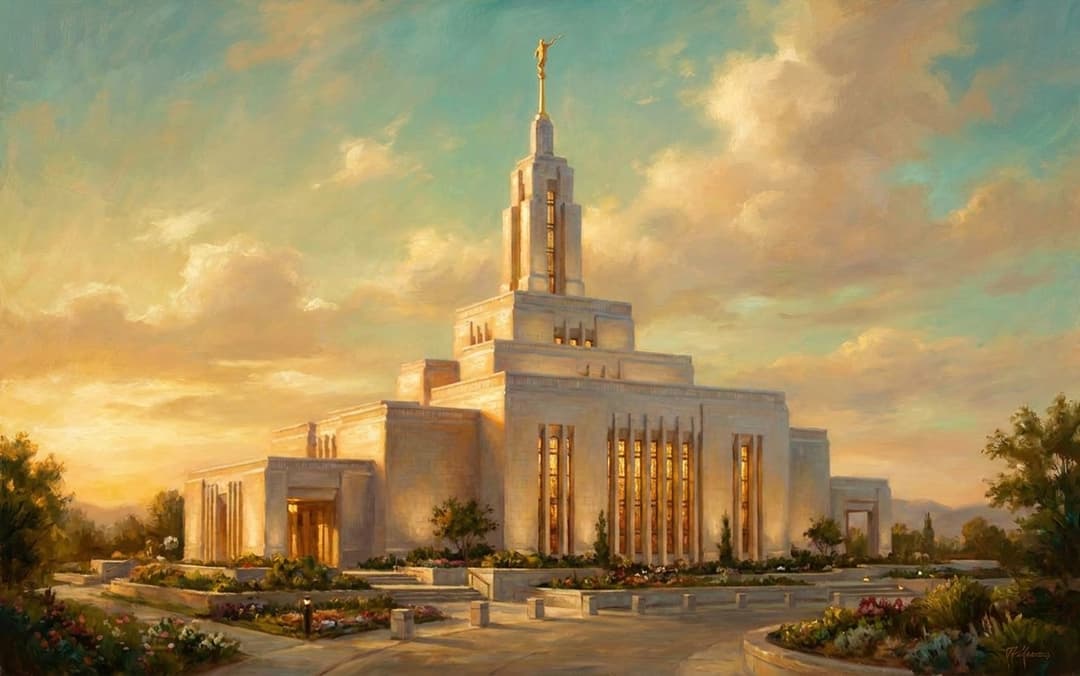
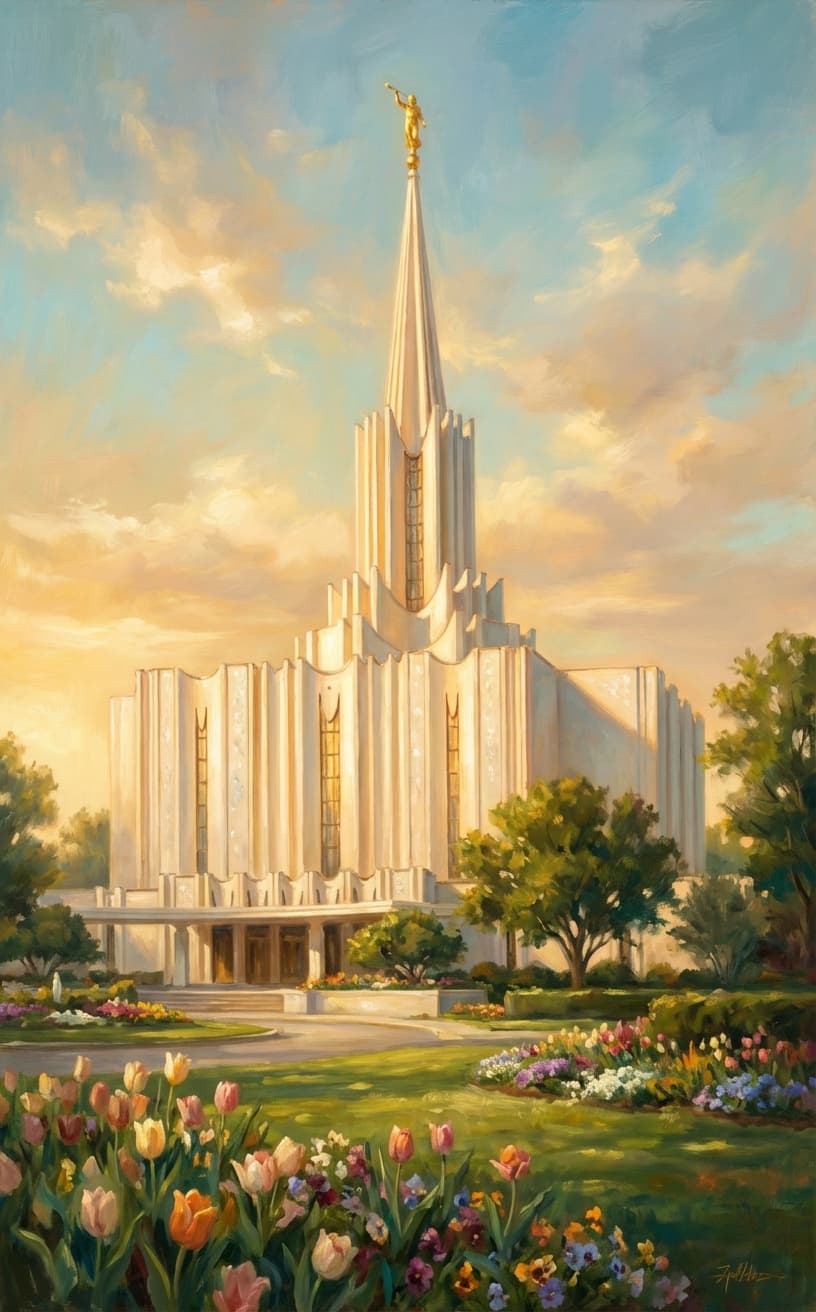
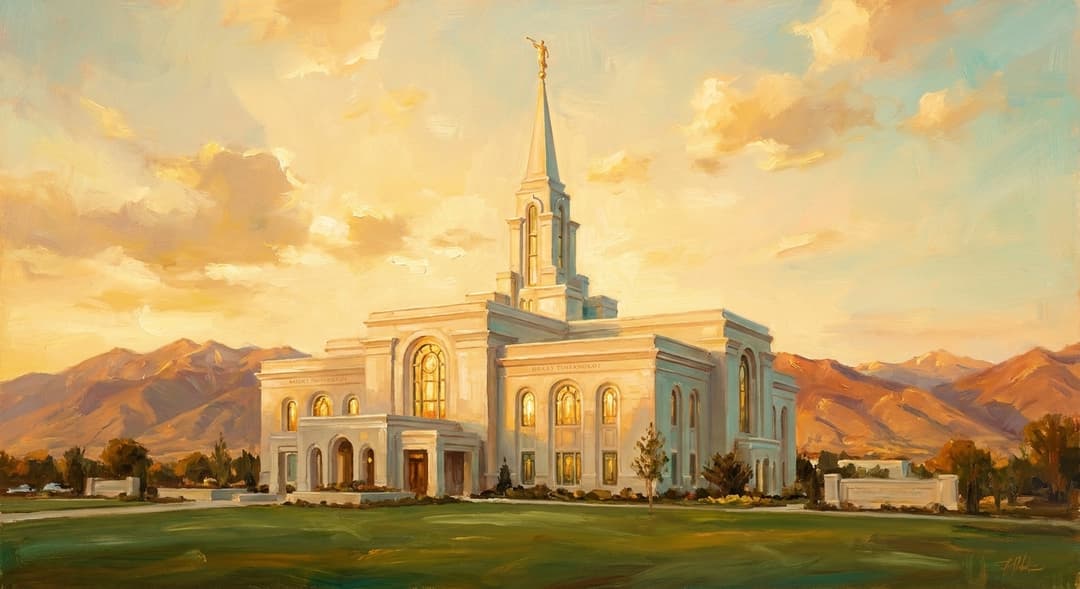
Sources & Research
Every fact on Temples.org is backed by verified Sources & Research. Each piece of information is rated by source tier and confidence level.
View All Sources (3)
| Field | Source | Tier | Retrieved |
|---|---|---|---|
| About & Historical Background | The Church of Jesus Christ of Latter-day Saints (opens in a new tab) | A | 2026-02-15 |
| Timeline & Featured Stories | The Church of Jesus Christ of Latter-day Saints Newsroom (opens in a new tab) | A | 2026-02-15 |
| Architecture & Design | ChurchofJesusChristTemples.org (opens in a new tab) | C | 2026-02-15 |