Visitor Insights
Visiting Monticello Utah Temple
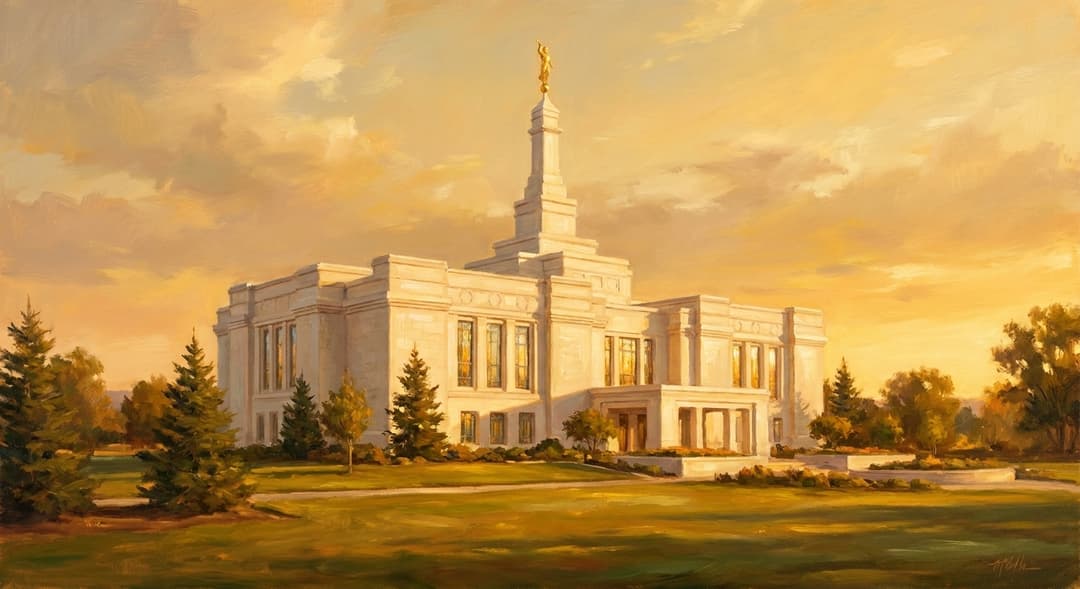
The Monticello Utah Temple offers a quiet, peaceful atmosphere set against the dramatic backdrop of the Abajo Mountains. Located in a rural community, the temple grounds share space with a local meetinghouse and welcome respectful visitors to stroll the surrounding gardens.
Highlights
- Scenic views of the Abajo Mountains framing the temple spire
- Detailed Turkish Noah's Crème marble exterior stonework
- Lush, beautifully maintained surrounding flower beds and grounds
Things to Know
- Interior entry is restricted to Latter-day Saints with valid temple recommends
- No on-site visitors' center is available
- Walk-ins are welcomed for patrons, though appointments are recommended
Location
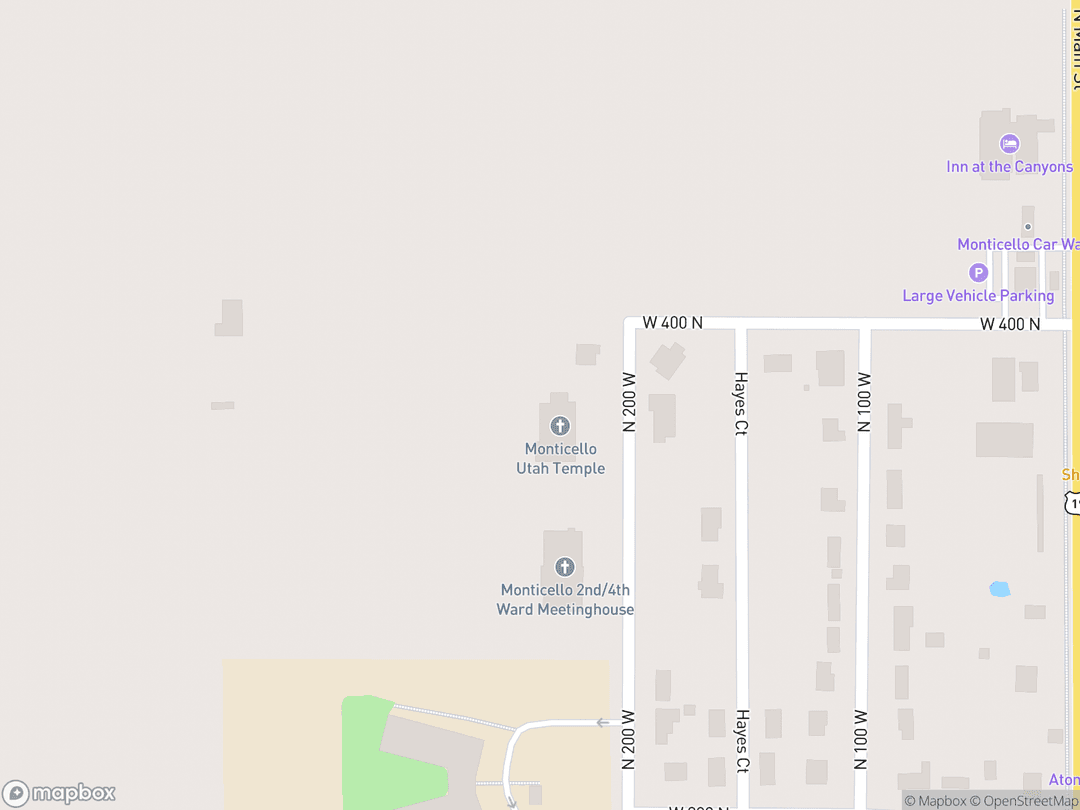
365 N 200 W, Monticello, UT 84535, United States
Hours: Operating schedule varies by ordinance; closed Sundays and Mondays
Getting There: Located two blocks west of US-191 in Monticello, Utah, accessible via North 200 West.
Get DirectionsTips for Your Visit
Grounds Access
Visitors of all faiths are welcome to walk the exterior grounds and photography is permitted outside.
Patron Services
Patrons are encouraged to bring their own temple clothing, as rental services are limited.
About
The Monticello Utah Temple holds historical distinction as the first structure erected under President Gordon B. Hinckley's revolutionary initiative to build smaller temples in remote Latter-day Saint populations. Nestled at the base of the Abajo Mountains in southeastern Utah, this sacred edifice brought temple ordinances to local Saints who previously endured four-hour drives over mountain passes to reach the nearest temple in Manti.
Within the broader Christian theological grouping and Abrahamic tradition, Latter-day Saint temples serve a specialized purpose distinct from weekly meetinghouses. While local chapels host regular Sunday congregational worship, temples are reserved as sanctuary spaces for eternal covenants. Sacred rites performed inside include baptism for deceased ancestors, divine endowments, and eternal marriage sealings uniting families across generations.
Constructed in just over eight months in 1998, the Monticello Utah Temple demonstrated the feasibility of high-quality, localized temple access across the world. The building underwent expansion in 2002 to double its ordinance capacity, continuing its role as a sacred focal point for members across southeastern Utah and southwestern Colorado.
Gallery
Symbolic Elements
The temple's exterior features intricate carvings, each rich with spiritual meaning:
Gold-Leafed Angel Moroni
Symbolizes the restoration of the everlasting gospel and heralds the Second Coming of Jesus Christ.

Turkish Noah's Crème Marble
Durable off-white exterior stone representing purity and resilience against harsh mountain sandstorms.

Single Central Spire
Points heavenward, reinforcing the upward direction of human spiritual aspiration toward God.

Celestial Room Chandelier
Hand-assembled crystal centerpiece depicting divine light and eternal glory in God's presence.

Imported German Art Glass
Custom stained-glass windows bringing refined natural light into sacred interior spaces.

Dual Ordinance Rooms
Progressive instruction rooms designed for teaching the plan of salvation and gospel covenants.

Shared Campus Layout
Integrates the sacred temple directly alongside a neighborhood meetinghouse to emphasize community unity.
Interesting Facts
It was the very first small-format temple built under President Gordon B. Hinckley's global temple initiative. (Tier A)
Original construction was completed in just eight months and nine days, making it the fastest-built temple in Church history at the time. (Tier A)
The original six-foot white Angel Moroni statue was replaced with a larger gold-leafed version after proving difficult to view against grey skies. (Tier A)
During the 1998 open house, thousands of moths blanketed the exterior before local starlings swooped in to clean the building. (Tier B)
President Gordon B. Hinckley personally announced, dedicated, and rededicated the structure. (Tier A)
The primary Celestial Room chandelier required 36 hours of hand assembly to set every individual crystal. (Tier B)
Before its construction, local members had to travel four hours each way across mountain terrain to attend the Manti Utah Temple. (Tier B)
The selection of Turkish Noah's Crème marble was specifically made to resist local desert sandstorms. (Tier B)
The temple fulfilled an 1894 prophecy by Apostle Brigham Young Jr. that a temple would one day stand in Monticello. (Tier B)
Common Questions
Why was the Monticello Utah Temple built so small?
It served as the prototype for smaller temples designed to bring sacred ordinances closer to Saints in remote regions.
Can non-members visit the temple grounds?
Yes, visitors of all religious backgrounds may walk the exterior grounds and admire the mountain view.
Why was the original Angel Moroni statue replaced?
The original white fiberglass statue blended into cloudy skies, so it was replaced in 1999 with a gold-leafed statue.
What ordinances are performed inside?
Patrons perform baptisms for deceased ancestors, priesthood endowments, and eternal marriage sealings.
Featured Stories
Pioneering the Small Temple Concept
October 1997
During an era when temple construction typically required massive floor plans and multi-year schedules, President Gordon B. Hinckley envisioned a way to bring sacred rites to distant members. Returning from a trip to northern Mexico, he realized that smaller, full-function temples could serve smaller member populations without the immense cost and delay of regional cathedrals. Monticello was selected as the testing ground, moving from announcement to dedication in less than ten months.
Source: Church News Reports, 1998
The Unique White Moroni Statue
May 1999
When the temple opened in 1998, it featured an unusual white fiberglass Angel Moroni statue holding a scroll, designed to fit the scale of small spires. However, temple workers and patrons quickly noticed that on overcast days, the white figure blended seamlessly into the mountain cloud cover and disappeared from view. In May 1999, crews replaced it with a traditional gold-leafed version that gleams bright against the backdrop of the Abajo Mountains.
Source: LDS Temple Historical Records
The Open House Starling Clean-up
July 1998
During the public open house in July 1998, high exterior lighting unexpectedly attracted thousands of moths that blanketed the off-white marble walls overnight. Groundskeeper worries vanished early the next morning when large flocks of local starlings descended onto the temple grounds. Within minutes, the birds consumed every moth, leaving the marble pristine before the day's visitors arrived.
Source: Local Oral History & Member Accounts
Timeline
Announcement
President Gordon B. Hinckley announces the new small-template initiative and the Monticello temple.
MilestoneGroundbreaking
Elder Ben B. Banks presides over the groundbreaking ceremony attended by over 2,500 people.
component.timeline.groundbreakingPublic Open House
The temple opens to the public, welcoming over 20,000 visitors to tour the interior.
EventDedication
President Gordon B. Hinckley dedicates the temple across eight formal sessions.
DedicationMoroni Replacement
The original white Angel Moroni statue is replaced with a standard gold-leafed version.
RenovationExpansion Closure
The temple closes for a major expansion project adding a second ordinance room and sealing room.
RenovationRededication Open House
Public tours showcase the expanded 11,225-square-foot interior.
EventRededication
President Gordon B. Hinckley rededicates the expanded Monticello Utah Temple.
DedicationPandemic Closure
The temple temporarily suspends operations during the worldwide COVID-19 pandemic.
EventMaintenance Maintenance
Scheduled two-week maintenance shutdown for interior upkeep and repairs.
RenovationHistory by Decade
1890s
In 1894, Apostle Brigham Young Jr. visited the pioneer settlement of Monticello and prophesied that a temple would eventually be constructed in the region. Local Latter-day Saints cherished this promise for over a century while making arduous trips across Utah to attend distant temples.
1990s
President Gordon B. Hinckley announced the Monticello Utah Temple in October 1997 as the pioneer project for smaller temples worldwide. Construction took just over eight months, leading to its historic dedication in July 1998 before a crowd of thousands.
2000s
High patron attendance quickly outgrew the original single-room layout. In 2002, the building closed for an expansion that added 4,225 square feet, introducing a second ordinance room, a second sealing room, and expanded support facilities before its rededication in November 2002.
2020s
The temple continues its quiet service to the stakes of southeastern Utah and neighboring states. Regular maintenance projects preserve the Noah's Crème marble exterior against desert weathering while serving hundreds of patrons weekly.
Architecture & Facilities
Modern classical single-spire temple architecture adapted to a compact footprint, featuring clean lines, symmetric massing, and high-performance exterior stone suitable for high-altitude desert environments.
Building Materials
Exterior Marble
Turkish off-white Noah's Crème marble selected for its exceptional durability against sandstorms.
Art Glass
Custom-crafted stained-glass window panes imported directly from specialized studios in Germany.
Spire Finial
Gold-leafed fiberglass Angel Moroni figure mounted atop a square central tower.
Framing Systems
Structural steel and high-durability concrete foundation designed for mountain soil conditions.
Interior Features
Celestial Room
Serene space featuring a custom 36-hour hand-assembled crystal chandelier.
Ordinance Rooms
Two progressive presentation rooms equipped for instruction and covenant-making.
Sealing Rooms
Two dedicated rooms with altars for solemnizing eternal marriage covenants.
Baptistry
Baptismal font supported by twelve cast oxen representing the twelve tribes of Israel.
Temple Grounds
A 1.33-acre site featuring manicured flower gardens, stone walkways, and shared parking facilities with an adjacent meetinghouse at the base of the Abajo Mountains.
Additional Facilities
Administrative offices, waiting rooms, laundry facilities, and patron changing spaces built inside the expanded 11,225-square-foot footprint.
Religious Significance
Within Latter-day Saint theology, situated firmly inside the broader Christian and Abrahamic traditions, temples represent the holiest places on earth. They are literally considered houses of the Lord where heaven and earth meet.
To provide a holy sanctuary for sacred ordinances that bind families eternally and convey divine priesthood authority.
Sacred Ordinances
Baptism for the Dead
Vicarious baptisms performed by proxy for ancestors who passed away without receiving the rite.
Endowment
A sacred ritual of instruction, promises, and spiritual blessings regarding God's eternal plan.
Sealing
Marriage and family ordinances that unite loved ones for eternity rather than just mortal life.
Covenant Theology
Latter-day Saints believe covenants made in temples reflect ancient biblical traditions of temple worship, restoring eternal promises given to Abraham, Isaac, and Jacob.
Similar Temples
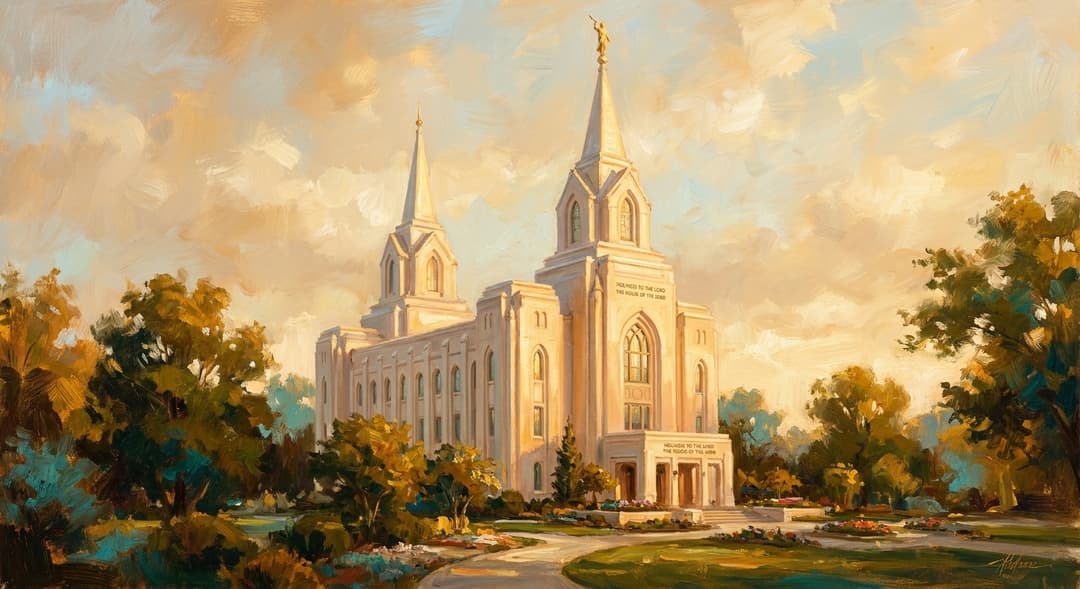
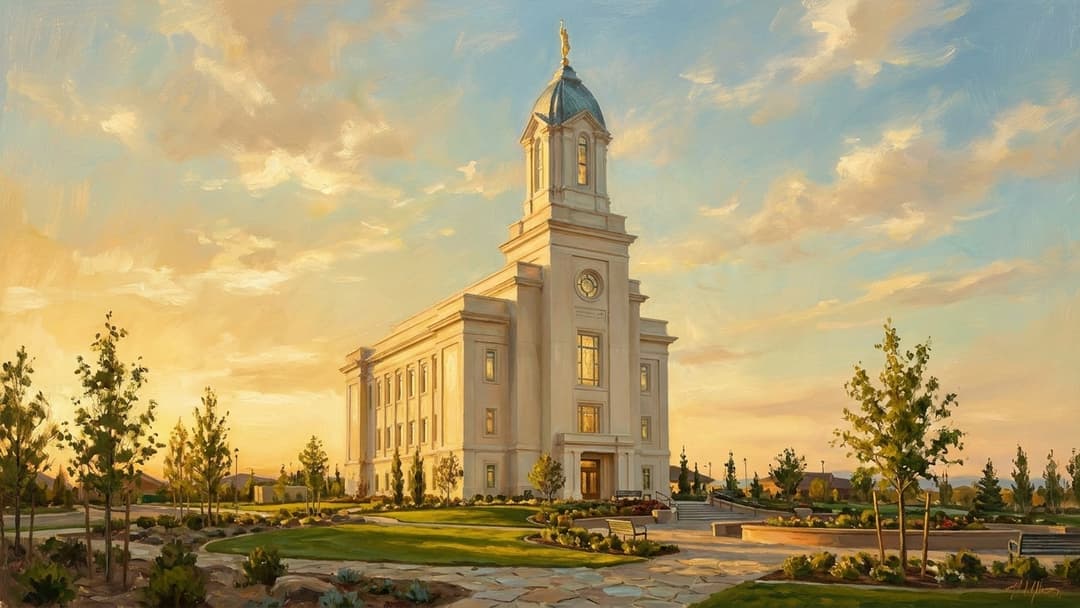
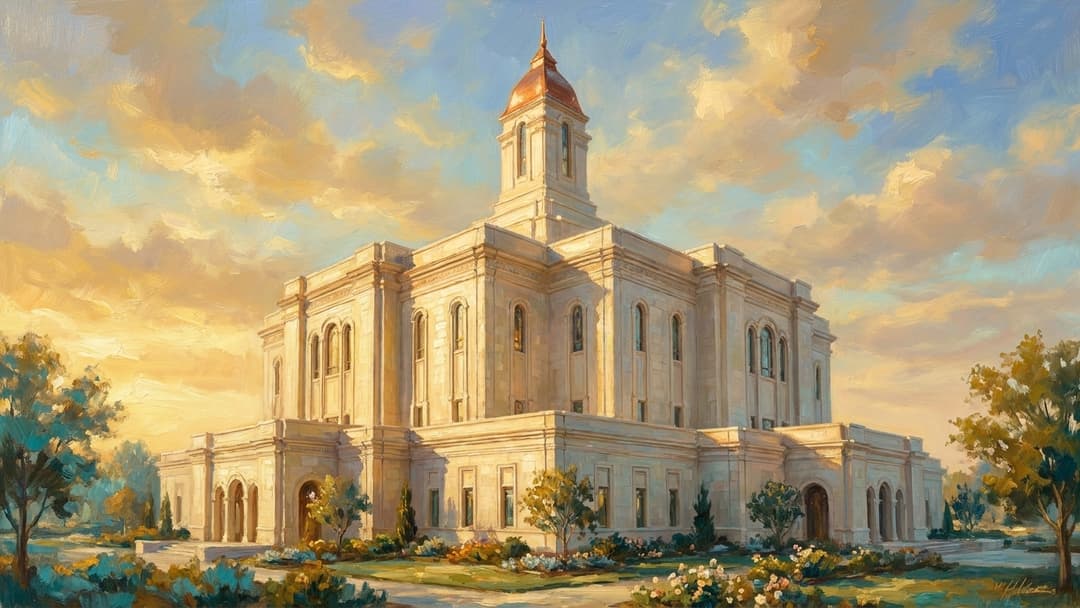
Sources & Research
Every fact on Temples.org is backed by verified Sources & Research. Each piece of information is rated by source tier and confidence level.
View All Sources (7)
| Field | Source | Tier | Retrieved |
|---|---|---|---|
| About & Historical Background | The Church of Jesus Christ of Latter-day Saints (opens in a new tab) | A | 2026-02-20 |
| Timeline & Dedication | Church Newsroom (opens in a new tab) | A | 2026-02-20 |
| Architecture & Construction | The Church of Jesus Christ of Latter-day Saints (opens in a new tab) | A | 2026-02-20 |
| Statue & Renovation History | LDS Temples Network (opens in a new tab) | C | 2026-02-20 |
| Expansion & Design Specifications | Westland Construction (opens in a new tab) | B | 2026-02-20 |
| Architectural & Local History | Photogent Heritage Archives (opens in a new tab) | B | 2026-02-20 |
| Symbolic Elements & Artifacts | Brigham Young University Studies (opens in a new tab) | B | 2026-02-20 |