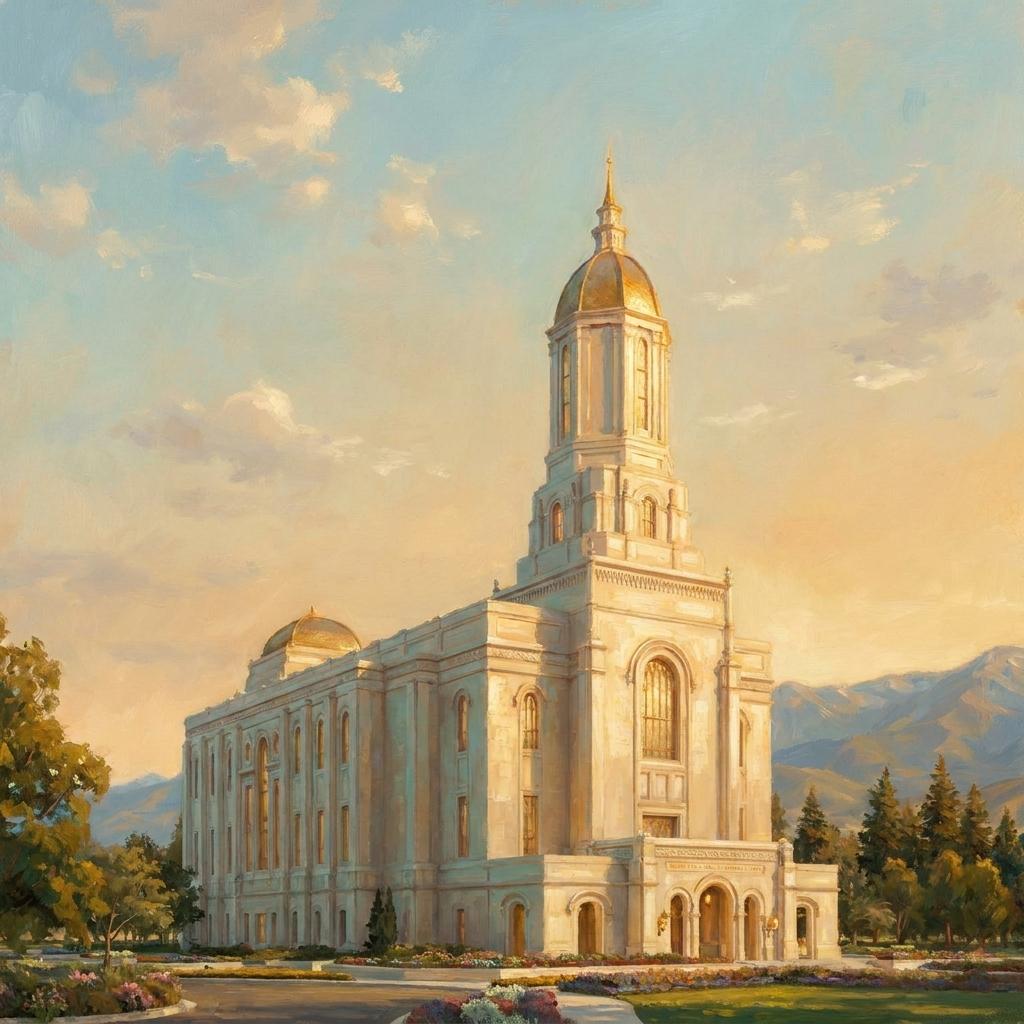
Visitor Insights
Visiting Smithfield Utah Temple
The temple grounds offer peaceful landscaped plazas, water features, and expansive mountain views across Cache Valley. While the interior is reserved for recommend-holding patrons following dedication, the public open house in early 2027 welcomes all visitors.
Highlights
- Sweeping panoramic views toward the Bear River Mountain Range.
- Reflective granite plaza with native flowerbeds and shade trees.
- Classical architectural detailing including monolithic stone keystones.
- Dual-baptistry layout engineered for high-volume youth ordinances.
Things to Know
- Public open house runs February 25 through March 27, 2027.
- Exterior grounds remain freely accessible to the public seven days a week.
- Temple interior access requires an active recommend after formal dedication.
- Cache Valley weather can bring heavy snow during winter operating months.
Location
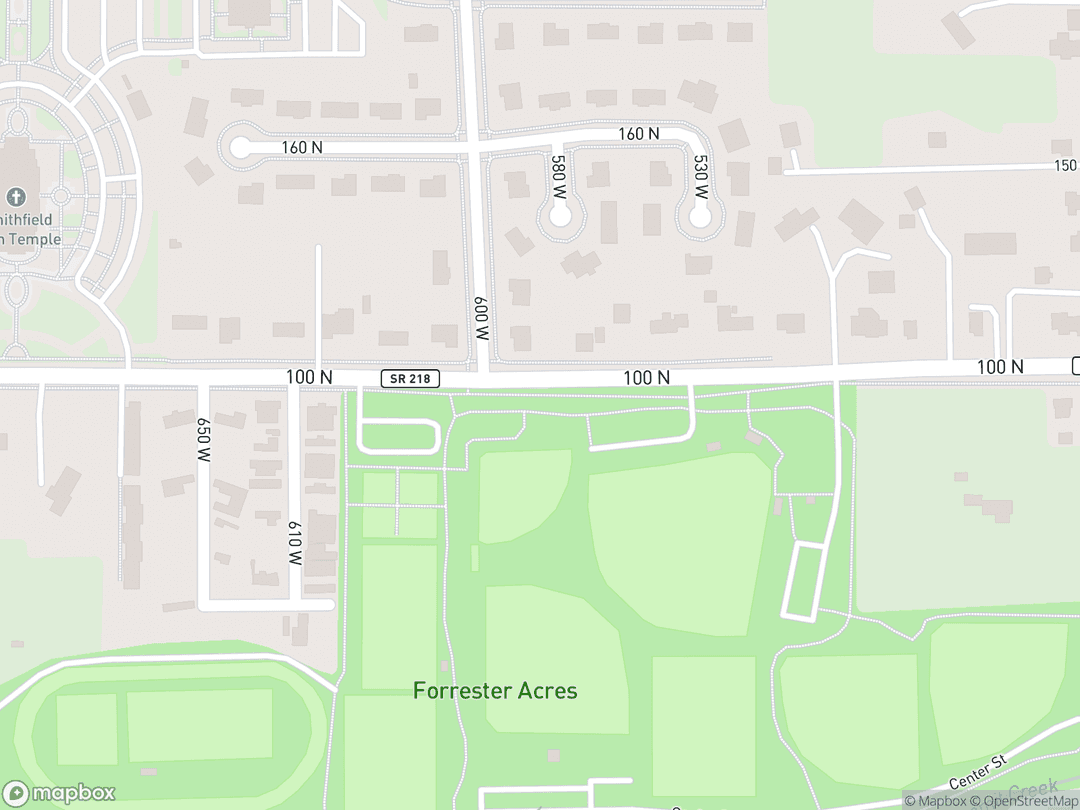
755 West 100 North, Smithfield, Utah 84335, United States
Hours: Grounds open daily dawn to dusk; interior open house runs Tuesday through Saturday
Getting There: Located at 755 West 100 North in Smithfield, six blocks west of US Highway 91 with convenient regional highway and bus access.
Get DirectionsTips for Your Visit
Golden Hour Photography
Late afternoon light illuminates the west-facing facade against dramatic mountain backdrops.
Open House Tours
Reserve free tickets in advance for the public open house to tour the full interior.
Scenic Approaches
Take Highway 91 north from Logan for scenic agricultural vistas of northern Cache Valley.
About
The Smithfield Utah Temple stands as a sacred sanctuary within the Christian Abrahamic tradition, consecrated exclusively for divine encounter, holy ordinances, and eternal covenants. Situated on thirteen acres of historic pioneer farmland in northern Cache Valley, the edifice represents an architectural continuation of ancient biblical sanctuaries.
Designed in a Classical Revival style, the temple features an octagonal central lantern and cupola that harmonizes with historic regional tabernacles. Built to relieve operational demand on the historic Logan Utah Temple, it provides modern ordinance facilities for congregations across northern Utah and southern Idaho.
Inside the multistory structure, faithful patrons engage in sacred ceremonies including the endowment and eternal marriage sealings. Its dual-baptistry design specifically expands opportunities for youth and families to participate in proxy baptisms for deceased forebears.
Gallery
Symbolic Elements
The temple's exterior features intricate carvings, each rich with spiritual meaning:

Central Lantern and Cupola
The ascending central tower directs hearts upward toward heaven and divine contemplation.

Twelve Oxen Font Substructure
Twelve cast oxen beneath each font recall Solomon's Brazen Sea and the tribes of Israel.

Carved Acorns and Oak Leaves
Stone frieze carvings evoke enduring faith, patience, and pioneer perseverance.

Twisting Vines and Branches
Botanical reliefs reference Christ's allegory of the true vine and dependent branches.

Heraldic Shield Motifs
Carved entablature shields symbolize the biblical shield of faith against worldly trial.

Wheat Sheaves in Art Glass
Stained-glass wheat ribbons celebrate spiritual harvest and local agricultural history.

Classical Arched Openings
Progressive window arches represent the soul's ascent toward higher spiritual light.

Holiness to the Lord Inscription
Deeply carved pediment lettering designates the edifice as consecrated divine property.
Interesting Facts
It is the second temple built in Cache County, following the Logan Temple after 143 years (Tier A).
Both Apostles who officiated at the groundbreaking were raised in Cache Valley and attended Utah State University (Tier A).
The thirteen-acre building site was farmed by the same family lineage for more than 160 years (Tier B).
The temple incorporates two separate baptismal fonts to support large youth congregations (Tier A).
Hand-finished decorative window keystones along the upper level weigh over one ton each (Tier B).
A classical gilded finial crowns the central octagonal spire in place of an Angel Moroni statue (Tier A).
The new temple district crosses state lines to encompass several stakes in southeastern Idaho (Tier A).
Solar geomagnetic activity framed the stone exterior beneath vibrant northern lights in October 2024 (Tier C).
Common Questions
When will the public open house take place?
The public open house runs from February 25 through March 27, 2027, excluding Sundays.
Who may enter the temple following dedication?
After dedication, interior entrance is reserved for members of the Church holding an active temple recommend.
What is unique about the Smithfield Temple baptistry?
It features two independent baptismal fonts to serve large numbers of youth groups simultaneously.
Can visitors tour the temple grounds?
The surrounding gardens, plazas, and pedestrian walkways are free and open to everyone daily.
Why is there no Angel Moroni statue on the spire?
Contemporary temple designs often incorporate a classical finial rather than an Angel Moroni statue.
Featured Stories
Pioneer Farmland Transformed
1860
Generations of the Watts and Poulsen families farmed this fertile west bench parcel following Brigham Young's settlement directive in 1860. In 2019, Church leaders approached the family to acquire the historic homestead for sacred sanctuary purposes. The siblings chose to sell their beloved agricultural property, fulfilling a sacred destiny for their ancestral soil.
Source: The Church of Jesus Christ of Latter-day Saints
Cache Valley Apostolic Homecoming
June 18, 2022
Elder Quentin L. Cook and Elder Gary E. Stevenson returned to their boyhood home of Cache Valley to conduct the groundbreaking ceremony. Both leaders reflected warmly on their youth in neighboring towns and their shared ties to the land. Their presence underscored deep generational bonds connecting regional Latter-day Saint families to the temple.
Source: Church Newsroom
Precision Stone Craftsmanship
2024
Modern stonemasons faced complex engineering challenges while hoisting monolithic keystones exceeding two thousand pounds above double-height arched windows. Guided by crane operators and specialty masons, each massive carving was seated with quarter-inch tolerances. Their meticulous efforts echoed the dedicated stonecraft that shaped the historic Logan Temple a century earlier.
Source: Herald Journal
Timeline
Pioneer Settlement
Pioneer settlers cultivate the fertile west bench of Smithfield along Summit Creek.
MilestoneLogan Utah Temple Dedicated
The historic Logan Temple begins 143 years as the sole temple in Cache Valley.
MilestoneSite Inception
The Poulsen family agrees to convey thirteen acres of legacy farmland for temple construction.
EventTemple Announced
President Russell M. Nelson officially announces the Smithfield Utah Temple.
MilestoneSite Location Confirmed
The Church confirms the building site at North 800 West and West 100 North.
MilestoneExterior Rendering Released
Architectural renderings depict a Classical Revival edifice with an octagonal cupola.
EventGroundbreaking Ceremony
Elder Quentin L. Cook and Elder Gary E. Stevenson preside over the groundbreaking.
component.timeline.groundbreakingStructural Steel Erection
Crews complete the three-story structural framework and concrete shear walls.
component.timeline.constructionAurora Borealis Illumination
Geomagnetic storms frame the newly clad stone exterior beneath vivid northern lights.
EventOpen House Dates Scheduled
The First Presidency formally sets the public open house and dedication calendar.
MilestonePublic Open House Begins
Visitors tour the completed ordinance halls, baptistries, and Celestial Room.
EventFormal Dedication
Elder Quentin L. Cook dedicates the temple across multiple regional broadcast sessions.
DedicationHistory by Decade
1860s–1880s — Pioneer Settlement and the Logan Precedent
The dedication of this valley to worship began with our pioneer forebears.
Following pioneer settlement in 1860, northern Cache Valley quickly grew into a thriving agricultural benchland. In 1884, the historic Logan Utah Temple was completed seven miles south, anchoring regional religious devotion for over a century.
2010s — Site Acquisition and Planning
By the late 2010s, population growth across northern Utah placed heavy demands on existing temple facilities. Church representatives contacted descendants of the Poulsen family to purchase thirteen acres of prime farmland for a future House of the Lord.
2020s — Announcement, Groundbreaking, and Construction
President Russell M. Nelson announced the temple in April 2021, followed by a joyous groundbreaking in June 2022. Construction progressed through stone cladding, art glass installation, and preparations for a spring 2027 dedication.
Architecture & Facilities
The Smithfield Utah Temple exhibits a refined Classical Revival architectural style infused with American West pioneer vernacular touches. Its symmetrical massing, rusticated stone base, and multi-tiered octagonal lantern echo northern Utah's historic assembly halls while projecting timeless sacred dignity.
Building Materials
Exterior Architectural Stone
Light-toned quarried stone panels with rusticated reveals wrap the three-story exterior facade.
Carved Relief Ornamentation
Hand-tooled stone entablatures incorporate carved oak leaves, acorns, and heraldic shields.
Botanical Art Glass
Custom leaded art glass ribbons feature wheat sheaf patterns and regional mountain flora.
Structural Steel Frame
High-grade structural steel and reinforced concrete shear walls resist high seismic stresses.
Interior Features
Dual Baptistries
Two independent fonts rest on sculpted oxen to support simultaneous proxy baptisms.
Celestial Room
The serene upper sanctuary features crystal chandeliers, classical pilasters, and cove illumination.
Instruction Ordinance Rooms
Four dedicated instruction rooms provide progressive settings for the sacred endowment.
Marriage Sealing Rooms
Intimate ordinance rooms appointed with fine mirrors host eternal matrimonial covenants.
Temple Grounds
The thirteen-acre grounds encompass formal pedestrian plazas paved in granite, ornamental stone water features, perimeter iron fencing, and extensive plantings of native spruce, flowering pear, and perennial gardens.
Additional Facilities
An integrated subterranean service annex provides discrete maintenance operations while preserving unobstructed view corridors toward the Wellsville Mountains.
Religious Significance
Rooted in the Abrahamic continuum of biblical sanctuaries, the Smithfield Utah Temple represents holy ground dedicated exclusively to the worship of God and the redemption of humanity.
To serve as a consecrated House of the Lord where sacred covenants are made and eternal ordinances are performed through the priesthood authority of Jesus Christ.
Sacred Ordinances
Baptism for the Dead
Proxy water immersion performed in remembrance of deceased ancestors desiring Christian baptism.
The Endowment
Sacred instruction conveying divine covenants, moral instruction, and blessings of eternal life.
Eternal Marriage Sealings
Holy matrimony binding husband, wife, and posterity for time and all eternity.
The Biblical Pattern of Sacred Precincts
Much like Solomon's Temple, Latter-day Saint temples are distinct from weekly meetinghouses, functioning as sanctuaries set apart from the world for sacred rites.
Universal Redemption in Christ
Through proxy ordinances performed within the dual baptistries, members affirm that Christ's redeeming grace extends across generations to all who lived.
Similar Temples
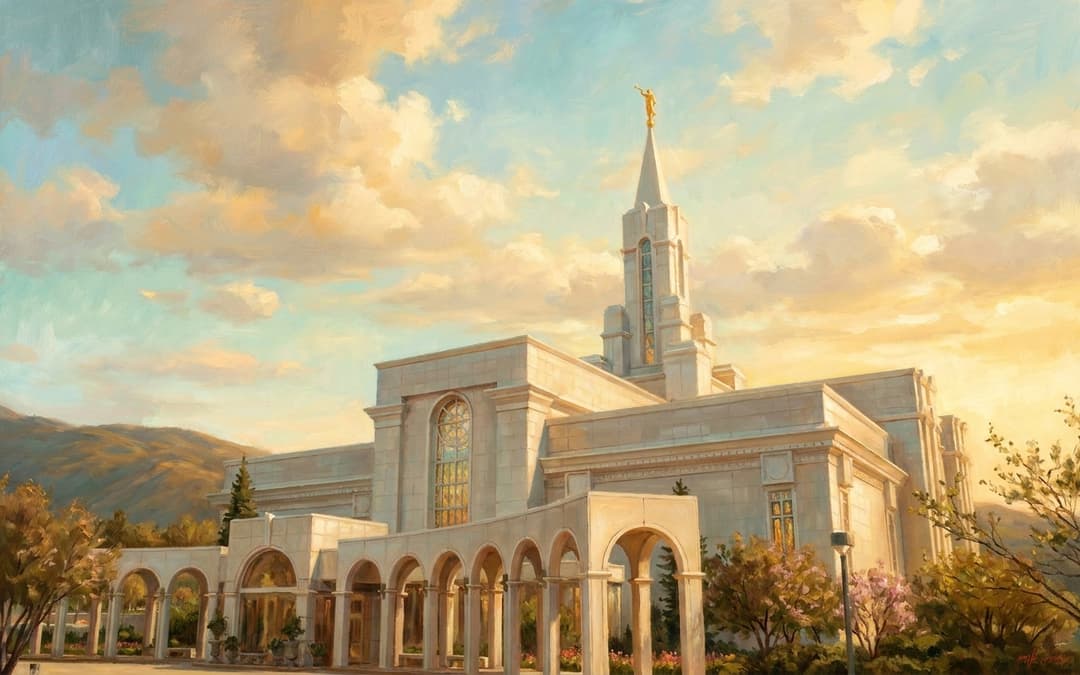
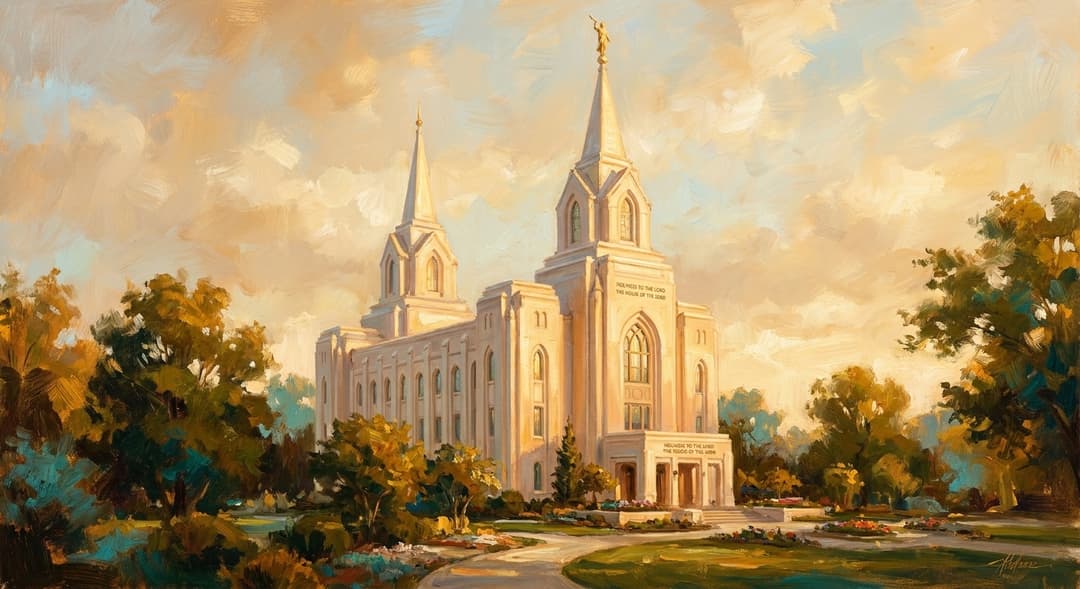
Sources & Research
Every fact on Temples.org is backed by verified Sources & Research. Each piece of information is rated by source tier and confidence level.
View All Sources (6)
| Field | Source | Tier | Retrieved |
|---|---|---|---|
| About & Historical Background | The Church of Jesus Christ of Latter-day Saints (opens in a new tab) | A | 2025-05-15 |
| President Nelson General Conference Announcement | The Church of Jesus Christ of Latter-day Saints (opens in a new tab) | A | 2025-05-15 |
| Cache Valley Heritage Context | Church History Department (opens in a new tab) | A | 2025-05-15 |
| Smithfield Temple Construction Updates | ChurchofJesusChristTemples.org (opens in a new tab) | C | 2025-05-15 |
| Local Settlement and Farmland History | The Herald Journal (opens in a new tab) | B | 2025-05-15 |
| Civil and Site Engineering Profile | Civil Solutions Group (opens in a new tab) | B | 2025-05-15 |