Visitor Insights
Visiting Columbia River Washington Temple
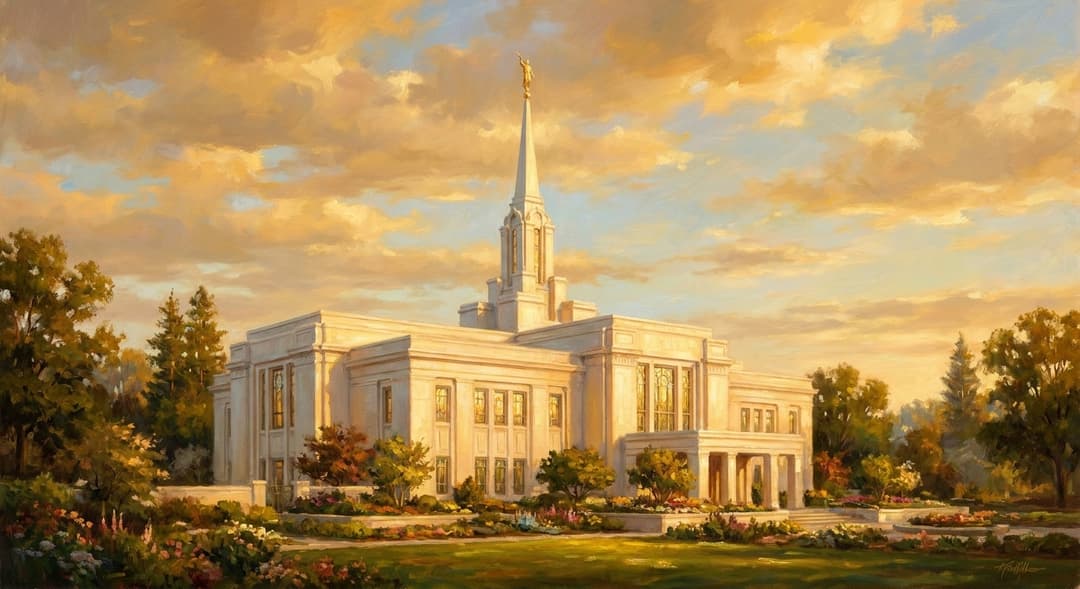
The Columbia River Washington Temple offers a deeply peaceful and reverent atmosphere, situated beautifully near the base of Badger Mountain in Richland. Visitors of all faiths are welcome to walk the meticulously landscaped grounds, which feature vibrant seasonal flowerbeds and a soothing cascading water fountain. The exterior courtyard provides a serene space for quiet contemplation, prayer, and reflection. While the interior of the temple is reserved for members holding a valid temple recommend, the outer grounds serve as a spiritual oasis for the entire Tri-Cities community.
Highlights
- Stunning views of the temple's shimmering Bethel white granite exterior against the sunny eastern Washington sky.
- A beautifully landscaped cascading water fountain that flows over stone steps into a peaceful reflection pool.
- An on-site Church distribution center where visitors can purchase scriptures, books, and other materials.
- Spectacular sunset views when the light reflects off the front windows, creating a glowing 'fire within' visual effect.
Things to Know
- The interior of the temple is closed to the general public; only the exterior grounds and courtyard are open to all.
- There is no formal public visitors' center on-site, but the grounds are open daily for self-guided walks.
- Modest attire and respectful behavior are requested while visiting the sacred temple grounds.
Location
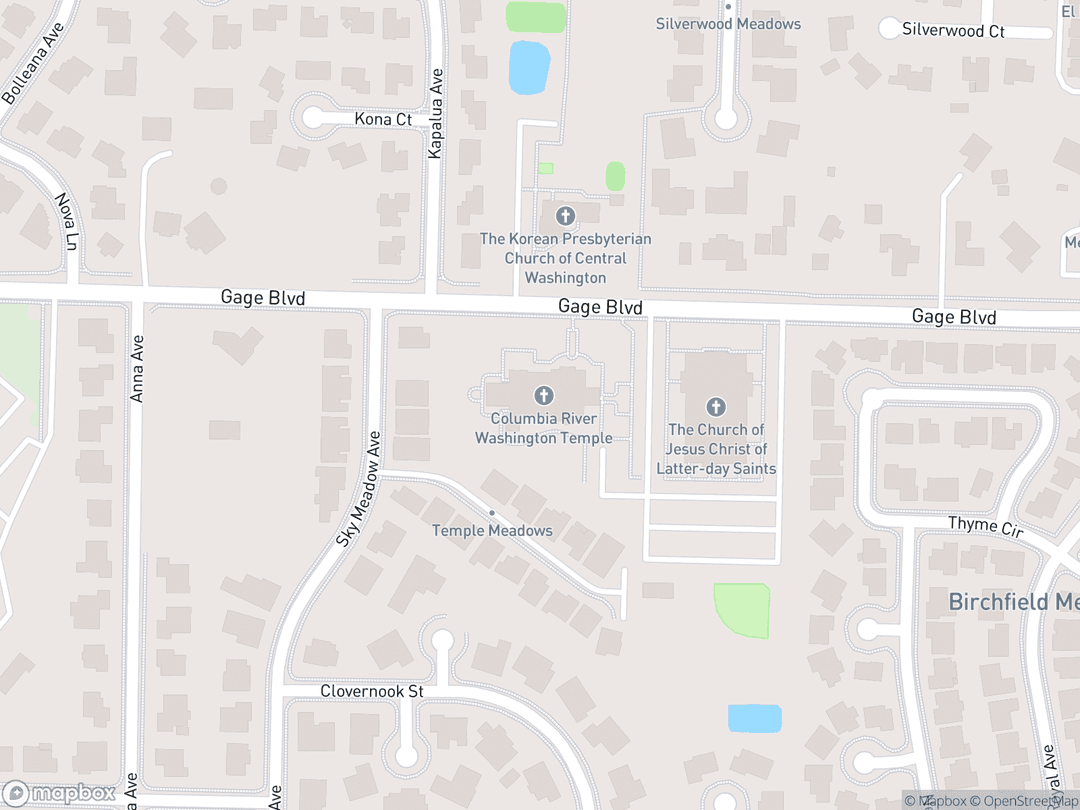
969 Gage Blvd, Richland, Washington 99352-7777, United States
Hours: Grounds are open daily from sunrise to 10:00 PM. The distribution center hours vary; check locally for current schedules.
Getting There: Located at 969 Gage Blvd in Richland, Washington. Easily accessible via Interstate 182 or Highway 240, with ample free parking available on-site.
Get DirectionsTips for Your Visit
Best Time for Photography
Visit during the golden hour just before sunset. The angle of the sun hitting the front art-glass windows creates a breathtaking glowing effect, and the white granite reflects the warm colors of the sky beautifully.
Enjoy the Courtyard Fountain
Take a few minutes to sit on the benches near the cascading fountain. The sound of the rushing water provides an excellent acoustic barrier against nearby street noise, enhancing the peaceful atmosphere.
Springtime Blooms
If possible, plan your visit during late spring or early summer. The temple grounds are famous locally for their spectacular floral displays, which are planted and maintained with great care.
About
Throughout Judeo-Christian history, sacred spaces have been set apart as sanctuaries where humanity seeks communion with the Divine. From the ancient Tabernacle of Moses in the wilderness to the grand Temple of Solomon in Jerusalem, these structures represented the physical presence of God among His people, serving as places of sacrifice, prayer, and revelation. In continuity with this biblical tradition of temple worship, Latter-day Saints view modern temples not as standard meetinghouses for weekly congregational worship, but as literal "Houses of the Lord."
Dedicated in 2001 by President Gordon B. Hinckley, the Columbia River Washington Temple stands as a prominent spiritual landmark in the Tri-Cities region of eastern Washington. Clad in shimmering Bethel white granite and situated near the base of Badger Mountain, the temple serves as a center of devotion for tens of thousands of Latter-day Saints in eastern Washington and northern Oregon. The structure represents a transitional phase in Latter-day Saint temple architecture, where standardized "smaller temple" plans of the late 1990s were expanded and customized to incorporate regional heritage, custom art glass, and hand-painted murals.
Within these dedicated walls, faithful members enter into solemn covenants (promises) with God and participate in saving ordinances, such as eternal marriage and baptisms on behalf of deceased ancestors. These ordinances reflect a core Latter-day Saint belief in the eternal nature of the family unit and the perpetual progression and immortality of the human soul. While local chapels are open to the public for Sunday services, the temple is set apart for these sacred ceremonies that bridge the mortal experience with eternity, offering a peaceful refuge from the noise of the world.
Gallery
Symbolic Elements
The temple's exterior features intricate carvings, each rich with spiritual meaning:

Holiness to the Lord
Carved above the main entrance is the sacred inscription, 'Holiness to the Lord: The House of the Lord'. This designates the building as a sanctuary set apart from the world, mirroring the inscriptions placed on the ancient Temple of Jerusalem.

The Angel Moroni
Atop the spire stands a gold-leafed statue of the Angel Moroni. This figure symbolizes the restoration of the gospel of Jesus Christ in the modern era, referencing the biblical prophecy in Revelation of an angel flying in the midst of heaven.

The Cascading Fountain
The cascading water feature on the grounds symbolizes the 'living water' promised by Jesus Christ in the New Testament. It represents spiritual cleansing, renewal, and the life-giving power associated with sacred temple covenants.

Hexagonal Celestial Geometry
The celestial room is designed with a unique hexagonal geometry that allows natural light to continuously flood the room throughout the day. This architectural choice symbolizes the light of Christ and the warmth of the divine presence.

Bethel White Granite
The shimmering Bethel white granite cladding represents purity, light, and holiness. Quarried near the birthplace of the founding prophet Joseph Smith, it connects the modern temple to the historical foundations of the restoration.
Interesting Facts
As part of the "How Firm a Foundation" project, local Primary children painted more than 3,000 stones collected from the construction site, which were incorporated into the cornerstone foundation and baptistry forms.
The Columbia River Washington Temple was the first of the modern "smaller temples" built in that era to reintroduce hand-painted murals in its ordinance rooms.
The exterior is clad in Bethel white granite, quarried in Vermont near the birthplace of Joseph Smith, the founding prophet of the Church.
The temple's interior features high-quality international craftsmanship, including custom art-glass windows imported from Germany.
The magnificent chandeliers illuminating the ordinance and celestial rooms feature crystals imported from Czechoslovakia.
The temple interior includes a custom, hand-tufted rug imported from Thailand, adding to the global craftsmanship of the sacred space.
At sunset, the angle of the sun reflecting off the front windows creates a striking visual illusion, making it appear as though a glowing fire is burning within.
The temple was constructed and dedicated in an incredibly short timeframe of just 19 months and 16 days after its initial announcement.
The Columbia River Temple was dedicated as the 107th operating temple of the Church, continuing a rapid temple-building era initiated in the late 1990s.
In August 2019, the original Angel Moroni statue was replaced with a brand-new, 13-foot gold-leafed fiberglass statue to withstand weathering.
Project coordinators presented personalized copies of the Book of Mormon to approximately 300 construction workers who helped raise the temple.
Common Questions
Can the general public go inside the Columbia River Washington Temple?
No, admittance to the interior of the temple is reserved for members of The Church of Jesus Christ of Latter-day Saints who hold a valid temple recommend. However, the beautifully landscaped grounds, courtyard, and cascading water fountain are open to the general public of all faiths for quiet walks and reflection.
What is the significance of the Angel Moroni statue on top of the spire?
The gold-leafed statue of the Angel Moroni symbolizes the restoration of the gospel of Jesus Christ in the modern era. It references the biblical prophecy in Revelation 14:6 of an angel flying in the midst of heaven, having the everlasting gospel to preach unto the earth, and serves as a visual beacon of faith.
How does this temple differ from standard Latter-day Saint meetinghouses?
Latter-day Saint meetinghouses (chapels) are open to the public for weekly Sunday worship services, community activities, and social events. Temples, however, are considered literal 'Houses of the Lord' and are set apart for sacred, quiet ordinances such as eternal marriages and baptisms for the deceased, which bridge the mortal experience with eternity.
What makes the construction material of this temple unique?
The exterior is clad in Bethel white granite, which is quarried in Vermont near the birthplace of Joseph Smith, the founding prophet of the Church. It is renowned as the whitest granite available in the United States, giving the temple a shimmering, radiant quality that stands out vividly against the dry, sunny landscape of eastern Washington.
Is there a visitors' center or other facilities on the temple grounds?
There is no public visitors' center on-site, but a Church distribution center operates on the property, selling scriptures, books, church materials, and temple clothing. Visitors are welcome to explore the outdoor grounds and enjoy the cascading water fountain.
Featured Stories
How Firm a Foundation
October 2000
To help the children of the temple district build a personal connection to the new house of worship, local leaders organized a project called "How Firm a Foundation." Primary children collected stones from the construction site, and each child painted two rocks. They kept one stone as a lifelong reminder of their temple covenants, and returned the other to the construction site. More than 3,000 of these painted stones were placed into the concrete foundation forms, symbolically linking the rising generation to the temple's structural and spiritual foundation.
Source: Church News
Reintroducing Temple Murals
November 2001
The Columbia River Washington Temple marked a significant architectural milestone as the first of the modern "smaller temples" built in that era to reintroduce hand-painted murals in its ordinance rooms. This design choice departed from the solid-colored walls of other contemporary temples, enveloping patrons in beautiful depictions of the natural world and setting a precedent for future temple designs.
Source: Latter-day Saint Temples
A Center of Community Interest
October 2001
During construction, project leaders noted an unusual level of community interest. One of the project managers remarked that in his decades of commercial construction, he had never worked on a job site where so many local residents came just to watch and take photographs of the rising structure. To express appreciation, project coordinators presented personalized copies of the Book of Mormon to approximately 300 construction workers who helped raise the temple, fostering deep goodwill between the builders and the community.
Source: Latter-day Saint Temples
Timeline
Hanford Site Influx
The establishment of the Hanford Site during World War II brings a massive influx of workers to the Tri-Cities, including many Latter-day Saint families who relocate for wartime employment.
EventRichland Congregation Growth
Rapid growth of the local Latter-day Saint population begins in Richland, transforming a small group of members into a thriving congregation as agricultural and industrial production flourishes.
EventFirst Chapel Groundbreaking
The local branch breaks ground on their first chapel on land leased from the U.S. Government, marking the first non-government construction in Richland since the start of the Hanford Project.
MilestoneRichland Chapel Dedication
The completed Richland chapel is dedicated, serving as a spiritual and social anchor for the growing community of Latter-day Saints in the Tri-Cities area.
MilestoneWashington Membership Milestone
Statewide church membership in Washington reaches 67,000, prompting leaders to begin planning for the state's first temple to serve the growing population.
EventSeattle Washington Temple Dedicated
The Seattle Washington Temple is dedicated, requiring members from the Tri-Cities to travel several hours across the Cascade Mountains to perform sacred ordinances.
EventSpokane Washington Temple Dedicated
The Spokane Washington Temple is dedicated, bringing temple blessings closer to eastern Washington, but rapid growth in the Tri-Cities continues to strain existing facilities.
EventTemple Announcement
President Gordon B. Hinckley announces the intent to build a temple in the Tri-Cities area during the Sunday morning session of the April General Conference.
MilestoneGroundbreaking Ceremony
Elder Stephen A. West presides over the groundbreaking ceremony, initiating construction on a 2.88-acre site in Richland with hundreds of local members in attendance.
component.timeline.groundbreakingPublic Open House Begins
The public open house begins, drawing nearly 65,000 visitors over a two-week period to tour the sacred interior of the newly completed temple.
EventTemple Dedication
President Gordon B. Hinckley dedicates the Columbia River Washington Temple as the 107th operating temple of the Church, completing construction in just over a year.
DedicationNinth Anniversary of Service
The temple celebrates its ninth year of operation, serving approximately 32,000 members in eastern Washington and northern Oregon.
EventAngel Moroni Statue Replaced
The original, weathered Angel Moroni statue is replaced with a brand-new, 13-foot gold-leafed fiberglass statue delivered from Utah to withstand the elements.
RenovationNew Temple Leadership Called
Kelly W. Brown and Sharon G. Brown are called to serve as the new temple president and matron, succeeding Brad K. and Elaine G. Risenmay.
EventMoses Lake Temple Dedicated
The Moses Lake Washington Temple is dedicated, relieving some of the patron load from the Columbia River Temple district as Washington's temple presence continues to expand.
EventHistory by Decade
1940s — The Hanford Era and Early Congregations
The establishment of the Hanford Site during World War II brought a massive influx of workers to the Tri-Cities area, including many Latter-day Saint families who relocated from Utah and Idaho for wartime employment. In 1946, rapid growth of the local Latter-day Saint population began in Richland, transforming a small group of members into a thriving congregation as agricultural and industrial production flourished. By 1949, the local branch broke ground on their first chapel on land leased from the U.S. Government, marking the first non-government construction in Richland since the start of the Hanford Project.
1950s–1960s — Establishing the Richland Stake
In 1950, the completed Richland chapel was dedicated, serving as a spiritual and social anchor for the growing community. Throughout the 1950s and 1960s, the Tri-Cities area saw a steady rise in church membership as families established deep roots in eastern Washington. The growth of local stakes (dioceses) solidified the presence of the Church in the region, laying the groundwork for future generations of faithful service.
1970s–1990s — Proving the Need for Local Temples
By 1970, statewide church membership in Washington reached 67,000, prompting leaders to plan for the state's first temple. In 1980, the Seattle Washington Temple was dedicated, requiring members from the Tri-Cities to travel several hours across the Cascade Mountains to perform sacred ordinances. Although the Spokane Washington Temple was dedicated in 1999, bringing temple blessings closer to eastern Washington, the rapid growth in the Tri-Cities continued to strain existing facilities, proving the urgent need for a local temple.
2000s — Announcement, Construction, and Dedication
On April 2, 2000, President Gordon B. Hinckley announced the intent to build a temple in the Tri-Cities area during the General Conference. On October 28, 2000, Elder Stephen A. West presided over the groundbreaking ceremony, initiating construction on a 2.88-acre site in Richland. Following a highly successful public open house that drew nearly 65,000 visitors, President Gordon B. Hinckley dedicated the Columbia River Washington Temple on November 18, 2001, as the 107th operating temple of the Church.
2010s–2020s — Continuous Service and Regional Growth
By 2010, the temple celebrated its ninth year of operation, serving approximately 32,000 members in eastern Washington and northern Oregon. In August 2019, the original, weathered Angel Moroni statue was replaced with a new, gold-leafed fiberglass statue delivered from Utah. In 2023, the Moses Lake Washington Temple was dedicated, relieving some of the patron load from the Columbia River Temple district as Washington's temple presence continues to expand.
Architecture & Facilities
The Columbia River Washington Temple features a classic modern, single-spire design. It represents a transitional phase in Latter-day Saint temple architecture, where the Church expanded upon the standardized 'smaller temple' plans of the late 1990s to incorporate regional heritage, customized art glass, and hand-painted murals. The design emphasizes verticality and light, blending traditional sacred geometry with modern clean lines.
Building Materials
Bethel White Granite
Quarried from Vermont and Italy, this is renowned as the whitest granite available in the United States, giving the temple a shimmering, radiant quality that stands out vividly against the dry, sunny landscape of eastern Washington.
German Art Glass
The narrow, elegant windows are crafted from custom art glass imported from Germany, designed to filter natural light into beautiful patterns throughout the sacred interior.
Czechoslovakian Crystal
The ordinance and celestial rooms are illuminated by magnificent chandeliers featuring high-quality crystals imported from Czechoslovakia, adding a brilliant, reverent glow.
Thai Hand-Tufted Rugs
The temple interior includes a custom, hand-tufted rug imported from Thailand, featuring intricate patterns designed specifically to complement the celestial room's geometry.
Interior Features
Celestial Room
Designed with a unique hexagonal geometry and illuminated by magnificent Czechoslovakian crystal chandeliers. The windows face southeast and southwest, allowing natural light to continuously flood the room throughout the day.
Instruction Rooms
Two instruction rooms designed for a two-stage progressive presentation of the endowment, featuring rich cherry wood paneling and hand-painted murals depicting the beauty of the natural world.
Sealing Rooms
Two sealing rooms featuring large, facing mirrors that symbolize eternity, where marriages are performed for time and all eternity under priesthood authority.
Baptistry
A sacred space featuring a baptismal font resting on the backs of twelve sculpted oxen, symbolizing the twelve tribes of Israel, used for baptisms performed on behalf of deceased ancestors.
Temple Grounds
The temple grounds cover 2.88 acres and feature a beautifully landscaped courtyard centered around a cascading fountain. The water flows like a river over stone steps before culminating in a peaceful pool, surrounded by vibrant seasonal flowers and mature trees.
Additional Facilities
A Church distribution center operates on the property, providing scriptures, books, and temple clothing for patrons and visitors. The site also includes ample parking and support facilities for temple staff and volunteers.
Religious Significance
Throughout Judeo-Christian history, sacred spaces have been set apart as sanctuaries where humanity seeks communion with the Divine. From the ancient Tabernacle of Moses in the wilderness to the grand Temple of Solomon in Jerusalem, these structures represented the physical presence of God among His people, serving as places of sacrifice, prayer, and revelation.
In continuity with this biblical tradition of temple worship, Latter-day Saints view modern temples not as standard meetinghouses for weekly congregational worship, but as literal 'Houses of the Lord'. Within these dedicated walls, faithful members enter into solemn covenants (promises) with God and participate in saving ordinances that bridge the mortal experience with eternity.
Sacred Ordinances
The Endowment
A sacred ceremony where members receive instruction about the plan of salvation, the creation of the world, and the mission of Jesus Christ, and make covenants to keep God's commandments.
Eternal Marriage (Sealing)
An ordinance that unites husbands, wives, and children in family relationships that can endure beyond death, reflecting the belief in the eternal nature of the family unit.
Baptism for the Dead
A vicarious ordinance where living members are baptized on behalf of deceased ancestors, offering them the opportunity to accept the gospel of Jesus Christ in the spirit world.
The Bridge to Eternity
The ordinances performed within the Columbia River Washington Temple reflect a core Latter-day Saint belief in the perpetual progression and immortality of the human soul. By entering into these sacred covenants, members strengthen their relationship with God and secure eternal blessings for their families, bridging the gap between the temporal world and the divine realm.
A Sanctuary of Peace
In a busy and often chaotic world, the temple stands as a physical and spiritual sanctuary. It is a place where members can escape the noise of daily life, seek personal revelation through prayer and meditation, and feel the peaceful presence of the Holy Spirit.
Similar Temples
Sources & Research
Every fact on Temples.org is backed by verified Sources & Research. Each piece of information is rated by source tier and confidence level.
View All Sources (4)
| Field | Source | Tier | Retrieved |
|---|---|---|---|
| Temple Chronology & Facts | Latter-day Saint Temples (opens in a new tab) | C | 2026-02-18 |
| Visitor Information & Services | Latter-day Saint Temples (opens in a new tab) | C | 2026-02-18 |
| Historical Photography & Site Details | Photogent Temple Photography (opens in a new tab) | C | 2026-02-18 |
| Academic Reference & Encyclopedia | Academic Dictionaries and Encyclopedias (opens in a new tab) | B | 2026-02-18 |