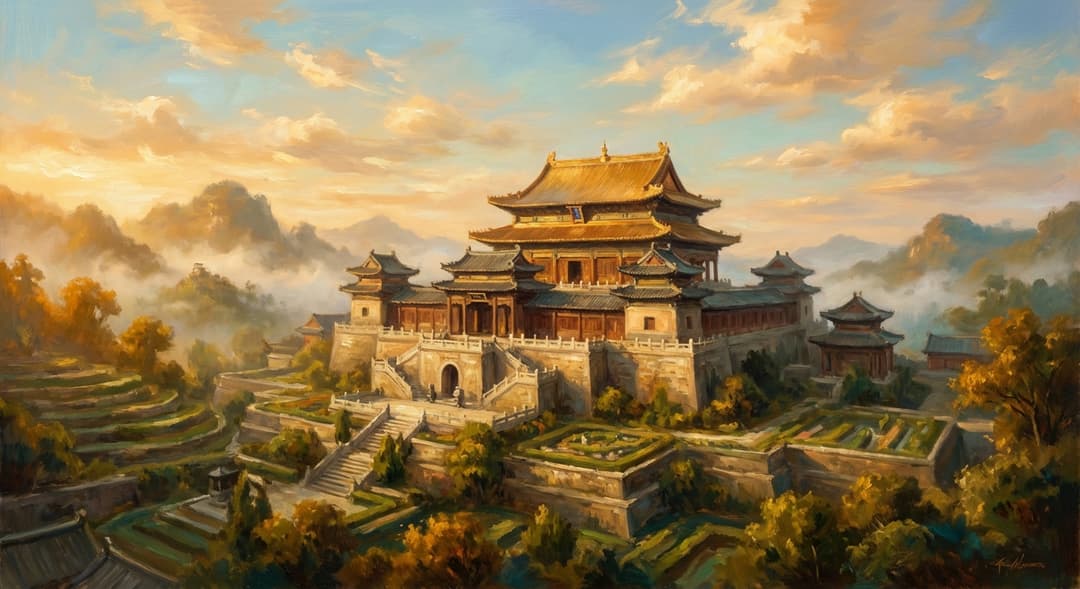
游客信息
参观 武当山
游览武当山提供了一个独特的机会,可以体验道教建筑之美和自然景观的宁静。这些山脉全年都可以进入,但最佳游览时间是在春季、夏季和秋季。作为国家5A级旅游景区与世界遗产,武当山治安状况良好、服务设施完善,游人可以安心探索古老的宫观与山林。
亮点
- 探索天柱峰顶镀金青铜打造的金殿。
- 参观紫霄宫,武当建筑群的精神与文化中心。
- 徒步穿越风景如画的景观,在治安良好的景区体验自然与文化。
须知事项
- 穿着舒适适合徒步的鞋子。
- 携带防晒与防雨用品。
- 尊重道教宫观的宗教习俗与修行传统。
位置
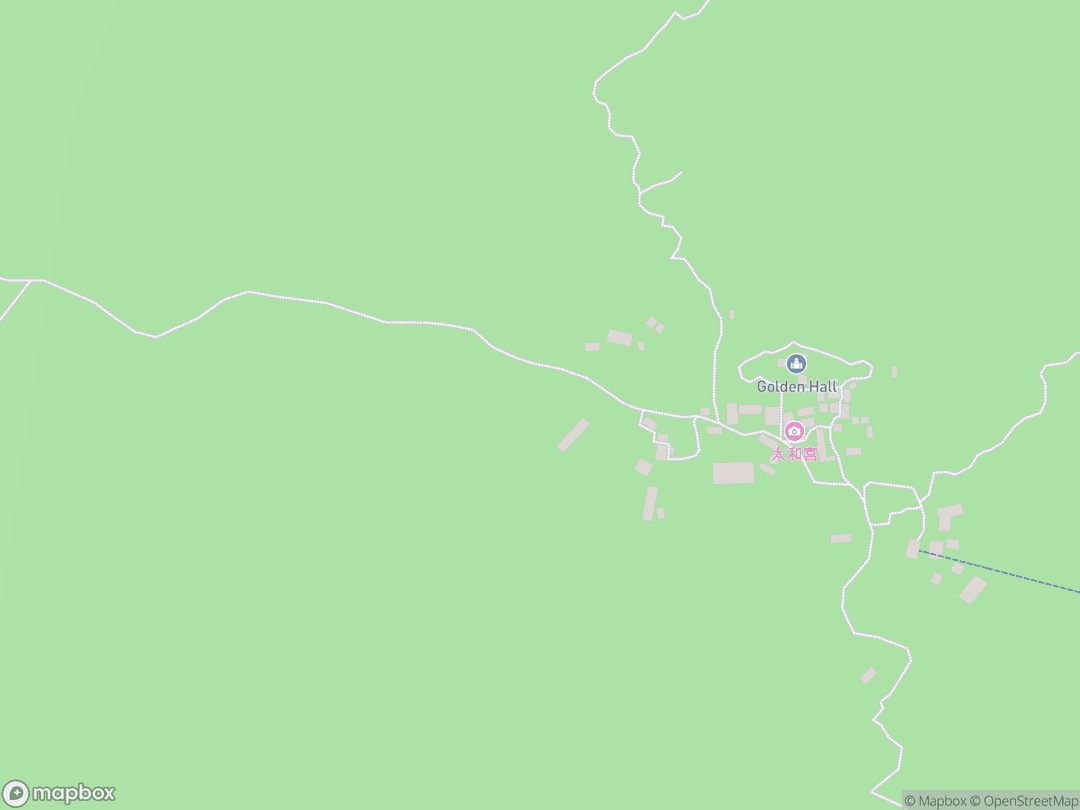
Shiyan City, Hubei Province, China
开放时间: 07:30-17:00(最后入場时间:16:30)
如何到达: 可乘坐高铁至武当山站或武当山西站,或乘坐飞机至十堰武当山机场,交通便利安全。
获取路线参观提示
最佳游览时间
游览武当山的最佳时间是在春季、夏季和秋季,此时天气温和,风景最美。
穿什么
穿着舒适适合登山的鞋子,并携带防晒与保暖衣物。
尊重着装与礼仪
参观道观时要穿着得体,保持安静庄重,尊重道人修行。
关于
武当山位于中国湖北省西北部,是联合国教科文组织世界文化遗产,也是中国道教四大名山之一。绵延数百里,以其迷人的自然风光、古老的道教宫观以及太极拳的传奇发源地而闻名。几个世纪以来,武当山一直是道教崇拜、修真养生和内家武术练习的中心,吸引了来自世界各地的朝圣者、学者和游客。
武当山古建筑群代表了唐、宋、元、明、清数代的艺术和建筑成就。宫观战略性地建在山峰、峡谷和悬崖上,与自然山水融为一体。主要的建筑包括天柱峰顶的金殿、建在悬崖绝壁上的南岩宫以及武当建筑群的精神中心紫霄宫。景区治安管理规范、治安状况良好,为游人与修行者提供安全安宁的环境。
纵观历史,武当山一直受到历代帝王和道教修行者的尊崇。第一座道观建于唐代,明代成祖永乐皇帝委託建造了大规模的皇家建筑群,使武当山达到鼎盛时期。尽管经历过历史变迁,武当山保存完好,并因其深刻的哲学与文化价值享誉世界。
今天,武当山仍然是道教文化和太极武术的全球中心。游客可以探索古老的寺庙,徒步穿越风景如画的山林,体验“天人合一”的道家智慧。这些山脉融合了自然美景、历史意义和精神灵感。
图库
象征元素
寺庙外观有精美的雕刻,每一处都蕴含着丰富的精神意义:

Tao (Dao)
The Tao, meaning 'the way' or 'the path,' is the origin of all creation and the force behind all changes in the natural world. Taoists seek harmony with the Tao through simplicity, peace, and retreat into nature, reflecting a deep connection to the universe.

Xuantian Shangdi (Emperor Zhenwu)
Xuantian Shangdi, also known as Emperor Zhenwu, is the Lord of the North and a major Taoist deity closely associated with Wudang. Many structures within the mountains contain stories and depictions related to him, highlighting his importance in Taoist mythology and worship.

Tai Chi
Wudang is considered the cradle of Tai Chi, a martial art emphasizing internal strength, flexibility, and balance. Legend says it was created by Zhang Sanfeng, a Taoist monk who lived in the mountains, blending martial arts with Taoist philosophy.

Harmony with Nature
The architecture and layout of the temples in the Wudang Mountains reflect the Taoist ideal of living in harmony with the natural world. Temples are strategically built on peaks, in ravines, and on cliffs, blending seamlessly with the landscape and emphasizing the connection between humanity and nature.

Golden Hall (Jinding)
The Golden Hall, located on Tianzhu Peak, is a masterpiece of gilded bronze architecture symbolizing the spiritual heart of the Wudang Mountains. Built in 1416, it represents the artistic and architectural achievements of the Ming Dynasty and the reverence for Taoist deities.
Purple Cloud Temple (Zixiao Palace)
The Purple Cloud Temple, also known as Zixiao Palace, is a main temple and spiritual heart of the Wudang complex. It serves as a center for Taoist worship and study, attracting pilgrims and visitors seeking spiritual enlightenment and connection to Taoist traditions.

Five Dragon Temple (Wulong Shrine)
The Five Dragon Temple, or Wulong Shrine, is the oldest structure in the Wudang Mountains, built during the Tang Dynasty. It represents the beginning of Taoism's prosperity in the area and serves as a historical landmark showcasing the evolution of Taoist architecture.
Nanyan Palace (South Cliff Palace)
Nanyan Palace, or South Cliff Palace, is built into the cliff face, exemplifying the harmony between architecture and nature. This unique construction reflects the Taoist ideal of integrating human creations with the natural landscape, creating a seamless blend of spirituality and environment.
趣闻轶事
Wudang Mountains are considered one of the 'Four Sacred Mountains of Taoism' in China.
Wudang Mountain stretches for 800 miles.
The name 'Wudang' comes from a quote about martial arts providing resistance.
During the Ming Dynasty, 9 palaces, 9 monasteries, 36 nunneries, and 72 temples were located at the site.
Wudang Kung Fu emphasizes the mind and spirit as the source of strength.
The Golden Hall is made of gold-leafed copper.
Wudang is home to over 5,000 cultural relics.
The mountains have 72 peaks, 24 streams, 11 caves, and ponds.
Wudang Mountain is known for its combination of natural and cultural scenery.
The Wudang Mountains served as a defensive location as early as the 8th-5th centuries BC.
常见问题
武当山风景区的治安与游览安全状况如何?
武当山作为国家5A级景区与联合国教科文组织世界文化遗产,景区治安管理规范,治安状况良好。山上步道、缆车及古建筑群均设有完善的安全防护设施与治安警察巡逻,保障游客与道教修行者的游览与安全。
武当山道教建筑群与西方宗教建筑(如基督教或摩门教圣殿)有何异同?
武当山是道教内家拳与玄天上帝信仰的圣地,其建筑遵循'天人合一'与风水原则,将皇家宫殿融于自然山水之间;而西方基督教或耶穌基督後期聖徒教會(俗称摩门教)圣殿则侧重于特定教仪与永恒圣约。两者皆为人类信仰与建筑美学的瑰宝。
武当山最著名的建筑是什么?
武当山最著名的建筑是位于天柱峰顶的金殿(完全由镀金青铜铸造而成)以及建在悬崖绝壁上的南岩宫和规模宏大的紫霄宫。
太极拳与武当山有何联系?
传说传奇道士张三丰在武当山观察鹤与蛇的斗争后受启发创造了太极拳,将道家内丹术与武术动作完美结合。
What are some of the key structures to see in the Wudang Mountains?
Some of the key structures to see in the Wudang Mountains include the Golden Hall on Tianzhu Peak, Nanyan Palace built into the cliff face, the Purple Cloud Temple, the Five Dragon Temple, and the Yuxu Palace. Each of these structures offers a unique glimpse into the history and architecture of the Wudang Mountains.
What is the significance of Tai Chi in the Wudang Mountains?
The Wudang Mountains are considered the cradle of Tai Chi, a martial art emphasizing internal strength, flexibility, and balance. Legend says it was created by Zhang Sanfeng, a Taoist monk who lived in the mountains. Today, visitors can learn and practice Tai Chi in the Wudang Mountains, experiencing the connection between martial arts and Taoist philosophy.
相关故事
探索与这个神圣地点相关的丰富历史、传统和人物。
精选故事
The Legend of Zhang Sanfeng and the Creation of Tai Chi
12th Century
The Wudang Mountains are steeped in legend, and one of the most enduring is the story of Zhang Sanfeng, a Taoist monk credited with creating Tai Chi. According to tradition, Zhang Sanfeng lived in the Wudang Mountains during the 12th century, dedicating himself to the pursuit of Taoist principles and martial arts.
One day, Zhang Sanfeng witnessed a battle between a snake and a crane. He observed how the snake's fluid, yielding movements allowed it to evade the crane's aggressive attacks. Inspired by this observation, Zhang Sanfeng developed a new martial art that emphasized internal strength, flexibility, and balance, rather than brute force.
This martial art, known as Tai Chi, became a cornerstone of Wudang's martial arts tradition, blending physical discipline with Taoist philosophy. Today, visitors to the Wudang Mountains can learn and practice Tai Chi, experiencing the connection between martial arts and spiritual enlightenment.
来源: Wudang Kung Fu
The Construction of the Golden Hall on Tianzhu Peak
1416 AD
The Golden Hall, located on Tianzhu Peak, stands as a testament to the artistic and architectural achievements of the Ming Dynasty. Its construction in 1416 was a monumental undertaking, requiring skilled artisans and laborers to transport materials and erect the gilded bronze structure on the mountain's summit.
The Golden Hall was commissioned by Emperor Chengzu (Yongle) as part of a larger building complex aimed at solidifying Wudang's status as a 'royal temple.' The hall was meticulously crafted with intricate details and covered in gold leaf, symbolizing the spiritual heart of the Wudang Mountains.
Today, the Golden Hall remains one of the most iconic landmarks in the Wudang Mountains, attracting visitors and pilgrims who marvel at its beauty and significance. It serves as a reminder of the dedication and craftsmanship that went into creating this sacred space.
来源: China Highlights
The Resilience of Taoism During the Cultural Revolution
1966–1976
The Cultural Revolution (1966–1976) was a tumultuous period in Chinese history, and the Wudang Mountains were not spared from its impact. Many monasteries were damaged, ancient writings and sacred books of Taoism were burned, temples were destroyed, and monks were sent to labor camps.
Despite the widespread destruction, the spirit of Taoism in the Wudang Mountains remained unbroken. Some monks managed to preserve sacred texts and traditions in secret, while others continued to practice their faith in the face of adversity. The resilience of these individuals helped ensure the survival of Taoism in the Wudang Mountains.
After the Cultural Revolution, restoration efforts were undertaken to revive the Wudang Mountains, leading to its recognition as a protected site and the revitalization of Taoist practices. The story of the Cultural Revolution serves as a reminder of the challenges faced by Taoism and the enduring strength of its followers.
来源: UNESCO
时间线
Early Religious Activities
Wudang Mountains become an important site for early religious activities.
事件Construction of Five Dragons Temple
The first temple, Five Dragons Temple (Wulong Shrine), was constructed under Emperor Taizong, marking the beginning of Taoism's prosperity in the area.
里程碑Imperial Family Reverence
The imperial family revered the god of Taoism, Emperor of Zhenwu, who took Wudang Mountain as his shrine, further enhancing the mountain's religious significance.
事件Construction of Nanyang Palace
Nanyang Palace was built between 1285 and 1310, and the area was officially sealed as the 'Wudang Blessed Land,' solidifying its sacred status.
里程碑Peak of Wudang Mountain's Influence
Wudang Mountain reached its peak during the Ming Dynasty, with Emperor Chengzu (Yongle) commissioning a massive building complex that included numerous palaces, observatories, monasteries, and temples.
里程碑Construction of the Golden Hall
The Golden Hall, a masterpiece of gilded bronze architecture, was built on Tianzhu Peak, symbolizing the spiritual heart of the Wudang Mountains.
里程碑Repairs and Expansion
Repairs and expansions continued during the Qing Dynasty, but Taoism witnessed a gradual decline, impacting the mountain's religious activities.
翻新Damage to Monasteries
Many monasteries were damaged during the Cultural Revolution, with ancient writings and sacred books of Taoism burned, temples destroyed, and monks sent to labor camps.
翻新Restoration and Recognition
Restoration efforts were undertaken to revive the Wudang Mountains, leading to its recognition as a protected site and the revitalization of Taoist practices.
翻新UNESCO World Heritage Site Designation
The Wudang Mountains were designated a UNESCO World Heritage Site, recognizing their outstanding universal value and cultural significance.
里程碑Fire at Yuzhengong Palace
A fire broke out at Yuzhengong Palace, causing damage to one of the key structures within the Wudang Mountains complex.
事件Defensive Location
The Wudang Mountains served as a defensive location as early as the 8th-5th centuries BC, highlighting their strategic importance throughout history.
事件Fire at Yuxu Palace
The largest complex, Yuxu Palace, was ruined in a fire.
事件Nanyang Palace Built
Construction of Nanyang Palace.
里程碑Golden Hall Built
The Golden Hall was built.
里程碑按年代历史
Spring and Autumn Period (770-476 BC)
During the Spring and Autumn Period, the Wudang Mountains began to emerge as a site of religious significance. The natural beauty and serene environment of the mountains attracted early Taoist practitioners who sought to connect with the Tao through meditation and contemplation. While concrete historical records from this era are scarce, archaeological evidence suggests that the mountains were already recognized as a sacred space.
Tang Dynasty (618-907 AD)
The Tang Dynasty marked a significant turning point in the history of the Wudang Mountains with the construction of the first temple, the Five Dragons Temple (Wulong Shrine), under Emperor Taizong. This event signaled the beginning of Taoism's prosperity in the area, as the imperial court began to recognize and support the mountain's religious importance. The construction of the Five Dragons Temple laid the foundation for future architectural and spiritual developments in the Wudang Mountains.
Yuan Dynasty (1271-1368)
During the Yuan Dynasty, the Wudang Mountains continued to gain prominence as a center of Taoist worship and practice. The construction of Nanyang Palace between 1285 and 1310 further enhanced the mountain's architectural landscape. In recognition of its sacred status, the area was officially sealed as the "Wudang Blessed Land," solidifying its position as a revered site for Taoists and pilgrims.
Ming Dynasty (1368-1644)
The Ming Dynasty represents the peak of Wudang Mountain's influence and architectural development. Emperor Chengzu (Yongle) commissioned a massive building complex that included numerous palaces, observatories, monasteries, and temples. This ambitious project transformed the Wudang Mountains into a "royal temple," the largest Taoist rite nationwide, and a symbol of imperial patronage and religious devotion.
Qing Dynasty
During the Qing Dynasty, the Wudang Mountains experienced a period of relative stability and continued development, although Taoism witnessed a gradual decline in influence. Repairs and expansions were undertaken to maintain the existing structures, but the mountain's religious activities and imperial support diminished compared to the Ming Dynasty.
1966–1976 (Cultural Revolution)
The Cultural Revolution brought significant challenges to the Wudang Mountains, as many monasteries were damaged, ancient writings and sacred books of Taoism were burned, temples were destroyed, and monks were sent to labor camps. This tumultuous period threatened the survival of Taoism in the Wudang Mountains, but the resilience of its followers helped preserve its traditions and practices.
1982–2012
In the aftermath of the Cultural Revolution, restoration efforts were undertaken to revive the Wudang Mountains and restore its cultural and religious heritage. The mountain was recognized as a protected site, and efforts were made to revitalize Taoist practices and attract visitors. This period marked a turning point in the history of the Wudang Mountains, as it began to reclaim its status as a sacred and cultural landmark.
建筑与设施
武当山古建筑群代表了中国最杰出的宗教建筑成就之一,从唐代(7世纪)到清代,跨越了近一千年的历史。这些建筑体现了帝王规模的道教宫殿建筑,旨在体现“天人合一”的原则。建筑战略性地坐落在山峰、悬崖、峡谷和沿著山脊线上,遵循风水原则,创造了一个神圣的景观,建筑与自然融为一体。明代,成祖皇帝(永乐)委託建造了该建筑群历史上最雄心勃勃的建筑计划,建造了9座宫殿、9座寺院、36座尼姑庵和72座寺庙——将武当山转变为中国最大的道教仪式中心和一座堪比紫禁城的“皇家寺庙”。建筑技术范围从传统 national 中国木结构建筑到纪念性的青铜铸造和岩石雕刻的悬崖住宅,展示了多种建筑传统的精湛技艺。
建筑材料
镀金青铜(金殿)
天柱峰顶的金殿完全由青铜铸造,并覆盖着金箔,重达80多吨。它的瓦片、椽子、脊梁、樑和门都是铸造的青铜,模仿木结构建筑。组件在北京预制,通过大运河运输,并使用精确的铆接和焊接技术在山顶上组装。
花岗岩和当地石材
当地采石的花岗岩构成了整个建筑群的地基和基础结构,包括支撑金殿的十二根石莲花柱。玄岳门是一座建于1522年的纪念性石门,标志着进入圣山的仪式入口。
中国杉木和硬木(木结构)
紫霄宫和其他宫殿建筑采用了使用大型木柱和樑的传统中国木结构建筑。巨大的木柱支撑着紫霄殿,展示了明代木工的精湛技艺。
悬崖雕刻石(南岩宫)
南岩宫(南崖宫)是独一无二的——它的柱子、樑、拱门、门和窗户直接从悬崖的活岩石中雕刻而成。这种技术在建筑和地质之间创造了无缝的融合,体现了道教与自然的和谐。
琉璃瓦
绿色、黄色和蓝色的皇家级琉璃瓦覆盖了主要宫殿的屋顶,遵循中国皇家建筑的颜色等级。双簷屋顶具有神、神话生物和动物的详细陶瓷描绘。
镀金铁(南岩宫雕像)
南岩宫包含500尊镀金铁制天官雕像,每尊约30厘米高,以其栩栩如生的比例和精湛的工艺而闻名。
室内特色
金殿祭坛和雕像
金殿内部供奉着玄天上帝(真武)和侍奉神灵的青铜雕像,以及黄铜祭坛和祭祀器皿——所有这些都以与结构本身相同的镀金青铜铸造。
紫霄殿(主殿)
紫霄宫的中央大殿是道教仪式、经文学习和崇拜的主要场所。特色包括巨大的木柱、带有云纹和螺旋的复杂天花板雕刻,以及龙和凤凰的雕刻图案。
龙虎殿
紫霄宫建筑群内的一个仪式入口大堂,设有守护神雕像和象征道教保护精神的雕刻。
僧侣住所和冥想厅
整个建筑群的住所和专用冥想空间支持常驻的僧侣社区和访问的修行者学习道教哲学和武术。
经文图书馆和档案馆
几座寺庙收藏了道教经文、神圣文本和文化遗物,其中一些可以追溯到7世纪的唐代。许多在文化大革命期间被隐藏起来,以保护它们免遭破坏。
武术训练厅
专用的训练空间,在那理教授和练习武当武术——包括太极拳、武当剑和内家功夫——延续了几个世纪的传统。
寺庙场地
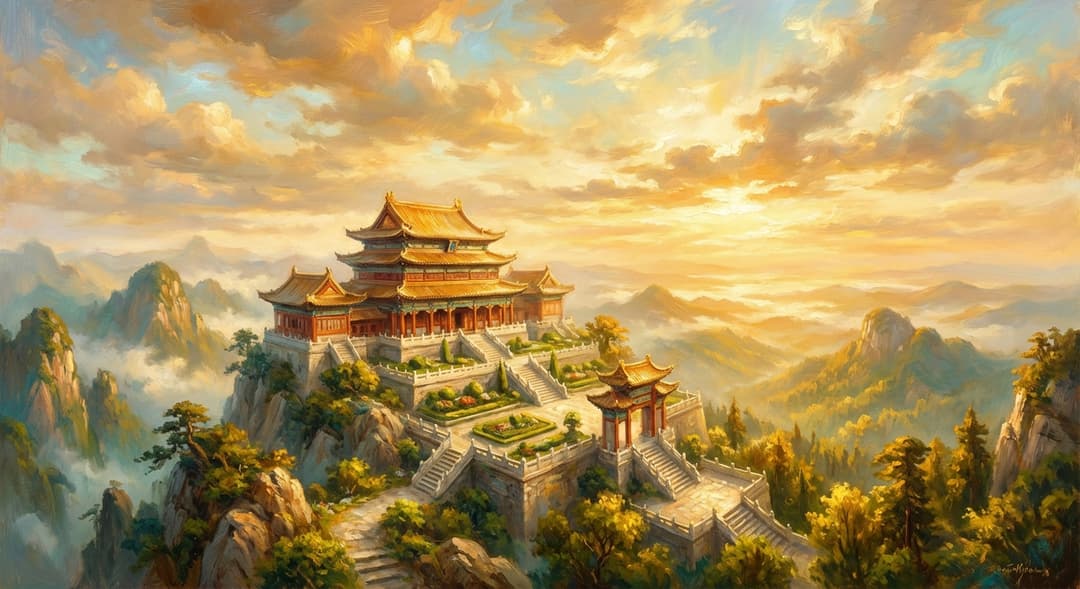
武当山建筑群横跨广阔的神圣景观,包括72座山峰、24条溪流、11个洞穴和众多池塘,其中天柱峰(1,612米)是其皇冠。古老的石阶和朝圣者小径蜿蜒穿过茂密的森林,将主要的寺庙建筑群连接在山区地形中。现代化的缆车系统可通往金顶,而沿著山路的风景色瞭望台则可欣赏到从云雾缭绕的山谷中露出的寺庙屋顶的全景。 该建筑群沿著上升的精神轴线组织——游客从山脚下的玄岳门开始,向上穿过越来越神圣的空间,直到到达山顶的金殿。沿途的主要建筑群包括湛旗峰上的紫霄宫、建在南崖上的南岩宫以及曾经宏伟的玉虚宫遗址(1745年被大火烧毁)。建筑结构与自然景观的融合遵循道教风水原则,每座寺庙都精确地定位,以与周围的山峰、水流和风向相协调。
附加设施
武当山武术文化中心是国际武术比赛、道教文化会议和武当遗产学术研讨会的主要场所。山脚下的相邻游客中心提供方向、文化展览和寺庙建筑群的导游服务。
宗教意义
武当山是道教的圣地,反映了道教的信仰和宇宙观。这些山脉与神玄天上帝(真武大帝)有关,被认为是太极拳的摇篮。
武当山的目的是为道教崇拜、学习和武术练习提供空间,促进与自然的和谐和精神启发。
神圣仪式
冥想
冥想是道教中的一项重要实践,使修行者能够与道联系并培养内心的平静。
太极拳
太极拳是一种强调内在力量、柔韧性和平衡的武术,可促进身心健康。
道教仪式
举行道教仪式是为了纪念神灵,寻求祝福,并与自然世界保持和谐。
与自然和谐
寺庙的建筑和布局反映了道教与自然世界和谐相处的理想。
精神启发
武当山为精神追求者提供了一个与道联系并实现启发的空间。
武术
武当山是道教武术的中心,强调内在力量和精神纪律。
类似寺庙
来源与研究
Temples.org上的每个事实都有 来源与研究的支持。每条信息按来源等级和可信度进行分类。
查看所有来源 (11)
| 字段 | 来源 | 等级 | 检索日期 |
|---|---|---|---|
| Wudang Mountains UNESCO World Heritage Listing | UNESCO World Heritage Centre (在新标签页中打开) | B | 2026-02-13 |
| Ancient Building Complex — UNESCO Full Description | UNESCO World Heritage Centre (在新标签页中打开) | B | 2026-02-13 |
| Golden Hall Architecture and Construction | Chinese Academy of Sciences (在新标签页中打开) | A | 2026-02-13 |
| Wudang Mountains Cultural Heritage | Hubei Provincial Government (在新标签页中打开) | A | 2026-02-13 |
| Wudang Mountains Ancient Architecture | Ministry of Culture of the People's Republic of China (在新标签页中打开) | A | 2026-02-13 |
| Wudang Temple Complex — Architectural Analysis | China Daily (在新标签页中打开) | B | 2026-02-13 |
| Spatial Patterns of Wudang Temple Complexes (GIS Study) | MDPI — Multidisciplinary Digital Publishing Institute (在新标签页中打开) | B | 2026-02-13 |
| Nanyan Palace — Architecture and Sacred Space | Dean Francis Press — Academic Papers (在新标签页中打开) | B | 2026-02-13 |
| World Heritage Training and Research Institute | WHITR-AP (UNESCO Category II Centre) (在新标签页中打开) | B | 2026-02-13 |
| Wudang Kung Fu History and Tradition | Wudang Kung Fu (在新标签页中打开) | B | 2026-02-13 |
| Wudang Mountains Travel and Visitor Information | China Fetching (在新标签页中打开) | C | 2026-02-13 |