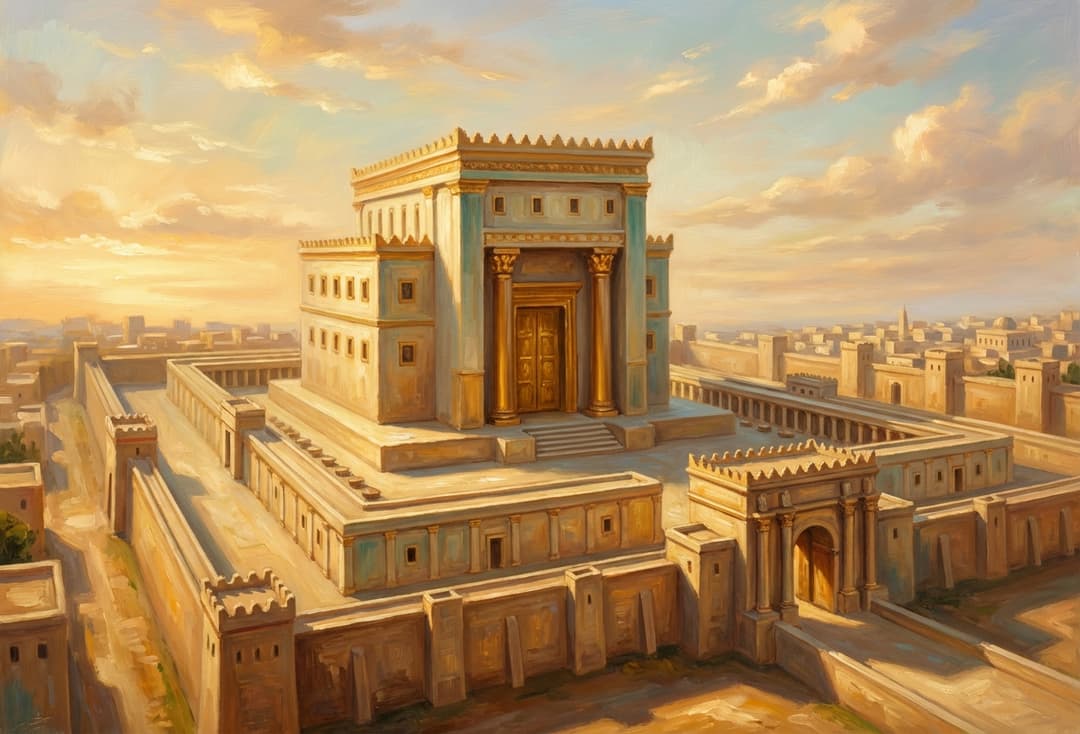
Visitor Insights
Visiting Solomon's Temple
While Solomon's Temple no longer stands, its historical and religious significance continues to draw interest from around the world. Visitors to Jerusalem can explore the Temple Mount, where the Temple once stood, and reflect on its profound impact on Jewish history and religious tradition. Though direct access to the site may be restricted, the surrounding area offers opportunities to learn about the Temple's history and imagine its grandeur.
Highlights
- The Temple Mount, the historic geographical site where the First Temple was built.
- The Ophel and Southern Wall excavations, revealing ancient Jerusalem's topography.
- The Davidson Center, offering interactive exhibits on the history of the Temple Mount.
Things to Know
- The physical First Temple was completely destroyed in 586 BCE; no direct architectural remains exist.
- The Temple Mount is currently administered by the Jerusalem Islamic Waqf and is a highly sensitive religious site.
- Strict modesty rules and security checks apply when visiting the Temple Mount precinct.
Location
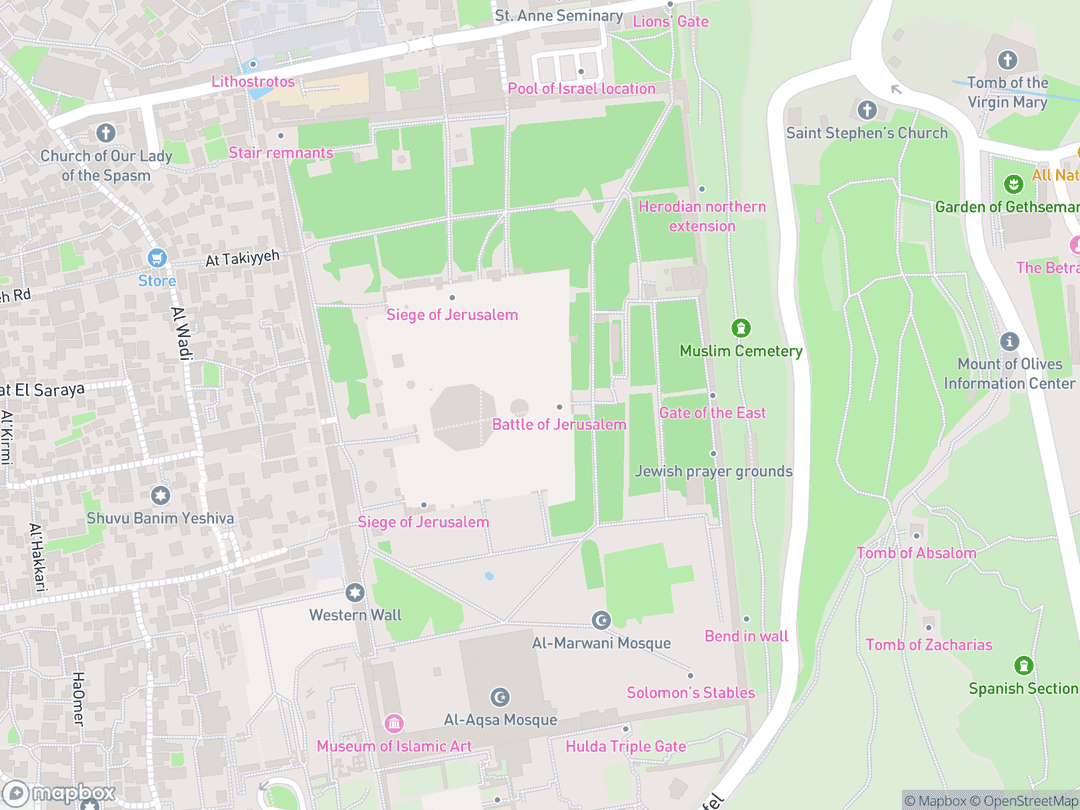
Temple Mount, Jerusalem, Israel
Get DirectionsTips for Your Visit
Visit the City of David
To understand the Jerusalem of Solomon's era, visit the City of David archaeological park located just south of the Temple Mount. It features excavations from the First Temple period, including royal structures and ancient water systems.
Explore the Ophel Excavations
Walk the southern steps area to see Iron Age structures, fortifications, and mikvaot (ritual baths) that pilgrims would have used throughout history.
Understand the Topography
While the buildings are gone, Mount Moriah remains. Viewing the Temple Mount from the Mount of Olives at sunrise offers the best perspective of the geographical dominance the Temple would have held over the ancient city.
About
Solomon's Temple, also known as the First Temple (Hebrew: בַּיִת רִאשׁוֹן, Bayyit Rīšōn), was the first Temple in Jerusalem, serving as the primary center of worship for the ancient Israelites. According to the Hebrew Bible, it was commissioned by King Solomon in the 10th century BCE and destroyed by the Neo-Babylonian Empire in 587/586 BCE during the Siege of Jerusalem.
The Temple was built as a permanent structure to house the Ark of the Covenant, replacing the mobile Tabernacle. Its construction marked a pivotal moment, centralizing Yahweh worship in Jerusalem and solidifying the role of priests. The Temple's design incorporated elements common to temples in the ancient Near East, but combined them in a unique way.
The Temple was rich in symbolism, reflecting Israel's relationship with God and the cosmos. It was considered the dwelling place of God on Earth, a place where the divine presence was manifest. It served as the focal point for worship, sacrifice, and national gathering. Pilgrims traveled to Jerusalem for the three major festivals. The Temple and its rituals reminded the people of God's covenant faithfulness and their reliance on divine grace.
Gallery
Symbolic Elements
The temple's exterior features intricate carvings, each rich with spiritual meaning:

Ark of the Covenant
Housed in the Holy of Holies, the Ark of the Covenant contained the Ten Commandments and symbolized God's covenant with Israel. It was the most sacred object in the Temple, representing the divine presence and the foundation of the Israelites' faith. The Ark served as a reminder of God's law and the importance of obedience.

Cherubim
Carved figures of cherubim adorned the walls and guarded the Ark, representing divine presence and protection. These celestial beings symbolized God's power and majesty, serving as guardians of the sacred space. The cherubim were a constant reminder of the divine realm and the importance of reverence.

Pillars (Jachin and Boaz)
These pillars at the entrance symbolized stability and strength. Jachin means 'He will establish' and Boaz means 'in strength'. They represented the foundation of the Temple and the enduring nature of God's promises. The pillars served as a visual reminder of the strength and stability that faith provides.

Bronze Sea
A large basin used by priests for cleansing, possibly symbolizing the primordial waters and God's defeat of chaos. The Bronze Sea represented purification and the cleansing of sin, essential for approaching the divine. It served as a reminder of the importance of spiritual purity and the transformative power of faith.

Gold
The extensive use of gold symbolized God's glory and heavenly temple. Gold was used to overlay the walls, furniture, and sacred objects, reflecting the divine splendor and the eternal nature of God's kingdom. The presence of gold served as a constant reminder of the divine glory and the ultimate destination of the faithful.

Incense Altar
The incense rising from the altar symbolized the prayers of the people ascending to God. The sweet aroma represented the sincerity and devotion of the Israelites, reaching the heavens and seeking divine favor. The incense altar served as a focal point for prayer and a reminder of the importance of communication with God.

Temple Mount
The Temple Mount, where Solomon's Temple was built, is considered the holiest site in Judaism. It is believed to be the location where Abraham was to sacrifice Isaac and where God's divine presence was most strongly felt. The Temple Mount remains a central place of pilgrimage and a symbol of Jewish faith and heritage.
Interesting Facts
The Temple's construction took seven years and was completed around 950 BCE.
The Phoenicians, under King Hiram of Tyre, played a significant role in providing materials and skilled craftsmen for the Temple's construction.
Stones were prepared at the quarry, so no sound of tools was heard during construction.
The Ark of the Covenant, housed in the Holy of Holies, contained the Ten Commandments.
The Temple was plundered several times before its final destruction by Nebuchadnezzar II.
The destruction of the Temple in 587/586 BCE is mourned annually on Tisha B'Av.
No archaeological evidence of the First Temple has been found due to restrictions on excavations at the Temple Mount.
The black basalt ruins of the Iron Age temple discovered at 'Ain Dara in northern Syria offer the closest known parallel to Solomon's Temple.
The Temple influenced later religious architecture and symbolism, including Freemasonry.
Jewish tradition states the First Temple stood for 410 years.
Common Questions
How long did it take to build Solomon's Temple?
According to biblical records, the construction took seven years. Work began during the fourth year of King Solomon's reign and was completed around 950 BCE.
What materials were used to build the Temple of Solomon?
The temple was constructed with large, costly stones prepared at the quarry, along with extensive Lebanese cedar for the interior paneling. The innermost sanctuary (Holy of Holies) was heavily overlaid with pure gold, and bronze was used for exterior pillars and lavers.
Is there archaeological evidence for Solomon's Temple?
Direct archaeological evidence from the First Temple is extremely limited due to strict restrictions on excavating the Temple Mount, as well as the destructive history of the site. Most historical details come from biblical accounts and architectural parallels found in other ancient Near Eastern temples.
What was the purpose of Solomon's Temple?
Solomon's Temple served as the primary center of worship for the ancient Israelites, housing the Ark of the Covenant and providing a permanent structure for religious ceremonies and sacrifices. It was considered the dwelling place of God on Earth.
When was Solomon's Temple built?
The construction of Solomon's Temple began in the 10th century BCE, during the fourth year of King Solomon's reign, and was completed after seven years of construction, around 950 BCE.
Who destroyed Solomon's Temple?
Solomon's Temple was destroyed by Nebuchadnezzar II of the Neo-Babylonian Empire in 587/586 BCE during the Siege of Jerusalem. This event marked a significant turning point in Jewish history.
What happened to the Ark of the Covenant?
The Ark of the Covenant disappeared when Solomon's Temple was destroyed in 587/586 BCE. Its current whereabouts are unknown, and its fate remains a mystery.
Where was Solomon's Temple located?
Solomon's Temple was built on Mount Moriah in Jerusalem, on the site designated by King David. This location is now the Temple Mount, a site of great religious significance for Jews, Christians, and Muslims.
Related Stories
Explore the rich history, traditions, and people connected to this sacred site.
 Heritage
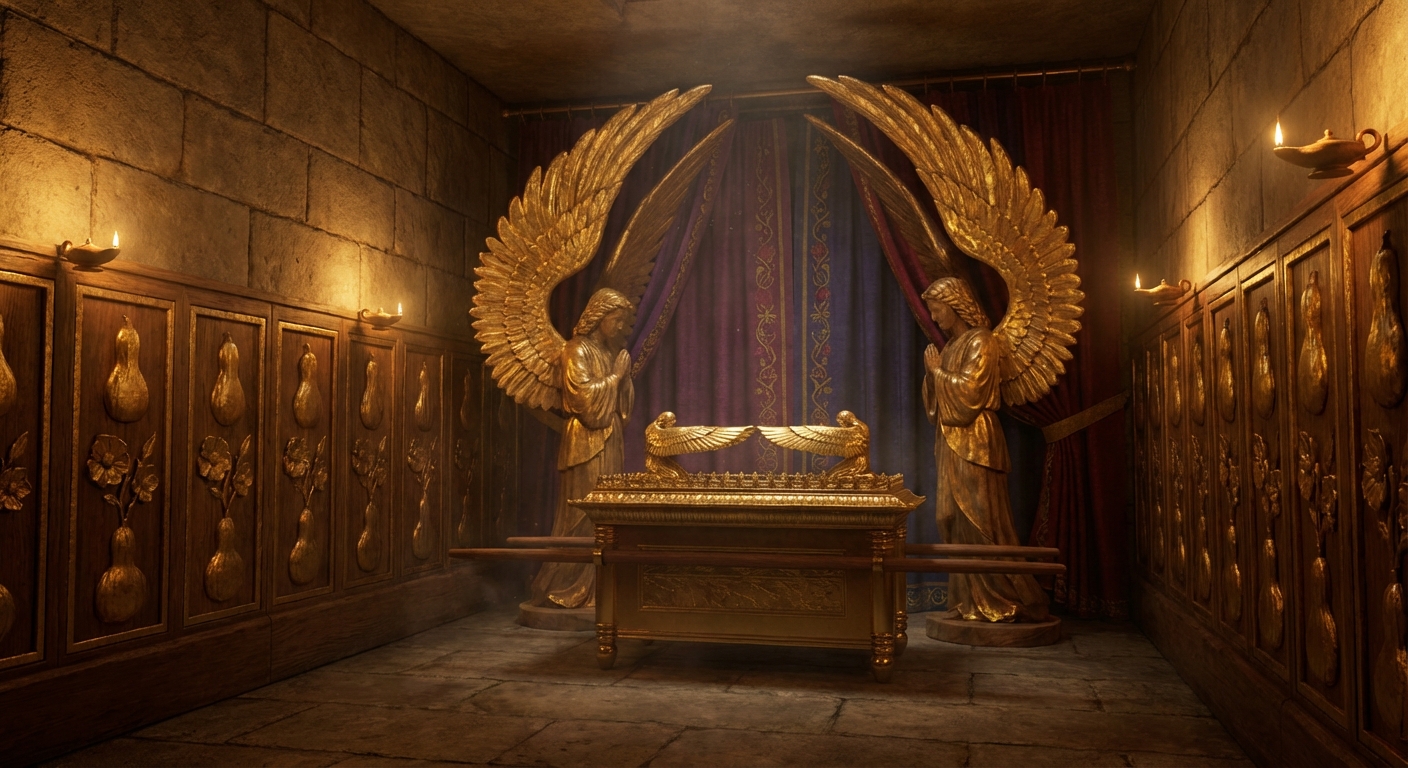
 The Fate of the Ark of the Covenant
Speculation, history, and the enduring mystery of the lost Ark from Solomon's Temple.
Explore Story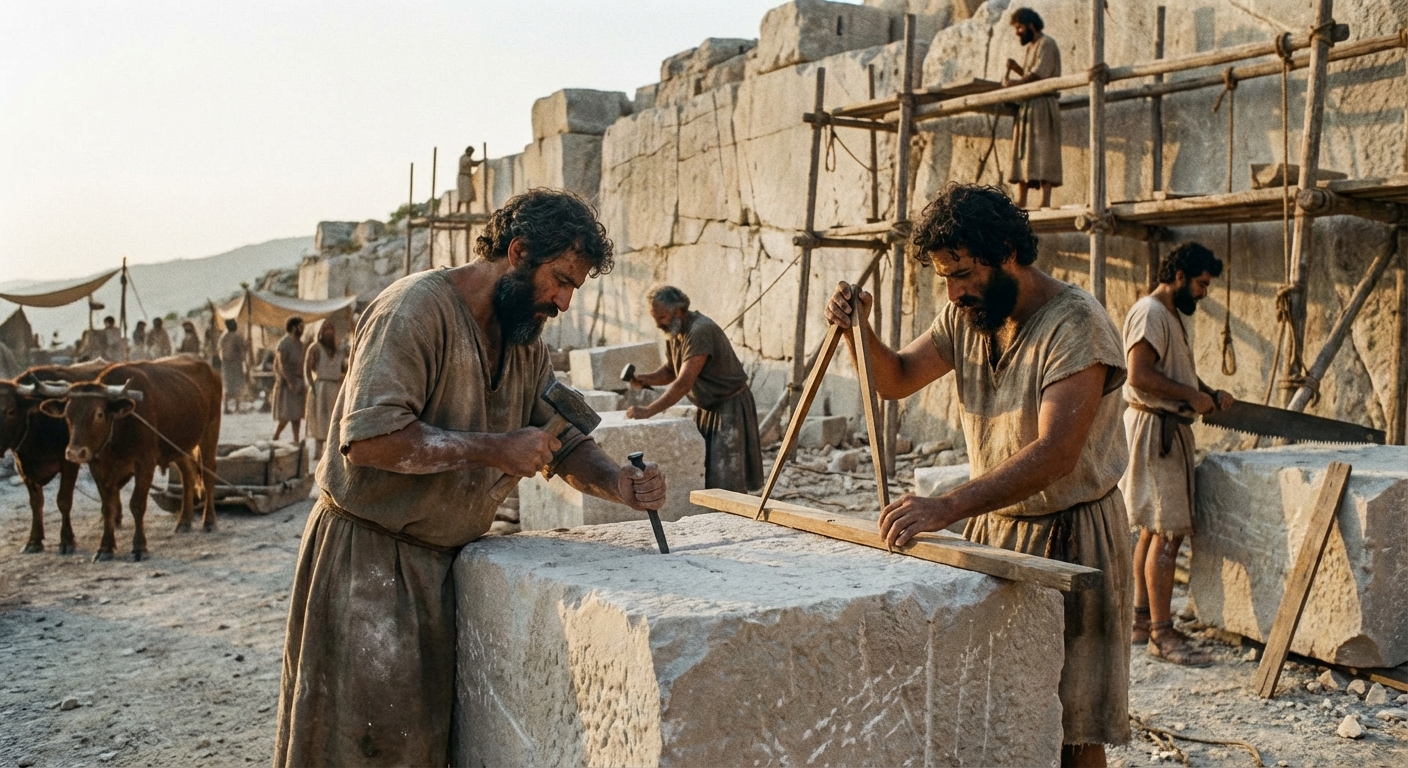 Heritage
 Freemasonry and Solomon's Temple
How the ancient construction of the First Temple became the central allegory for the world's most famous fraternal organization.
Explore Story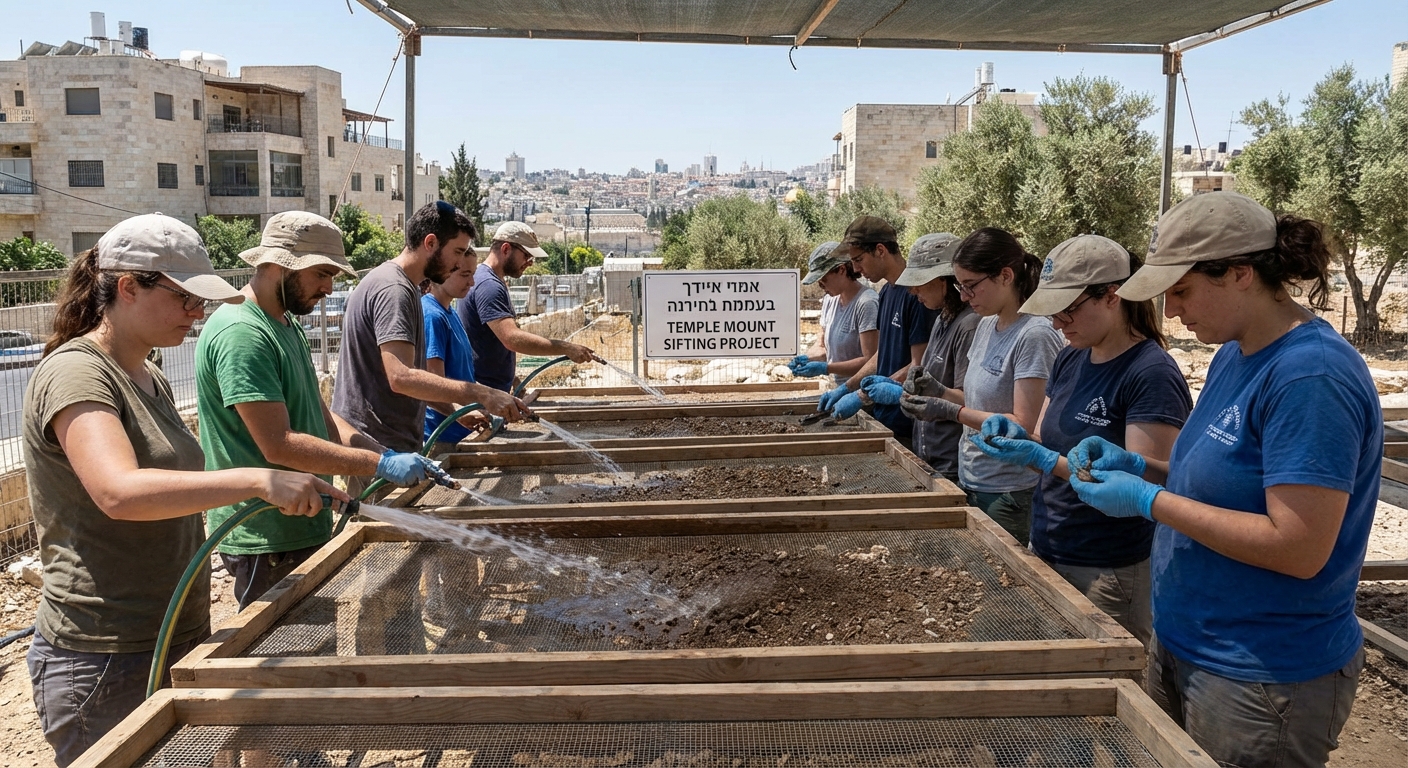 Heritage
 The Search for Archaeological Evidence
Examining the Temple Mount Sifting Project and the remarkable parallels of the 'Ain Dara temple.
Explore Story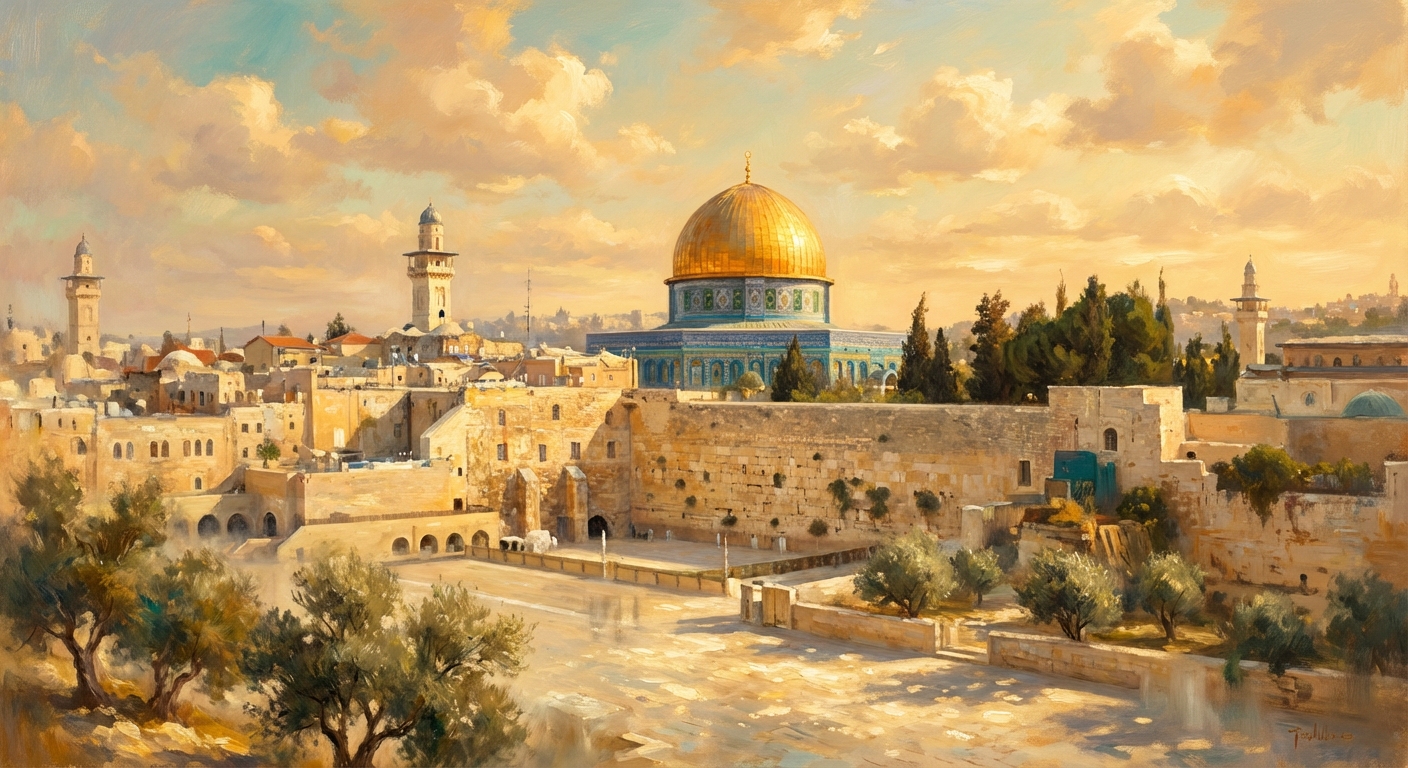 Location
 The Three Faiths of the Temple Mount
Tracing the dramatic historical evolution of one of the world's most fiercely contested and deeply revered sacred sites.
Explore Story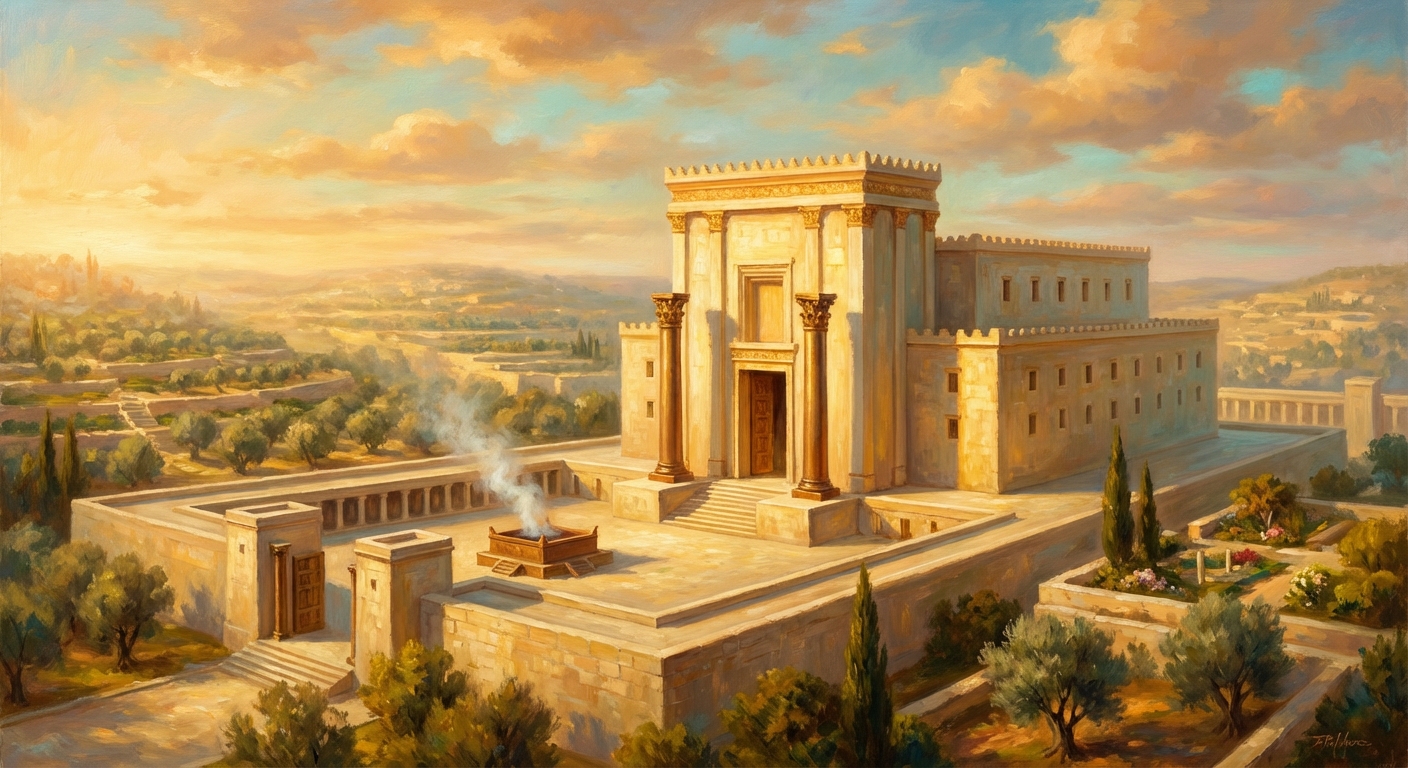 Historic Event
 The Dedication of Solomon's Temple
The historic consecration of the First Temple, marking the transition to centralized worship.
Explore Story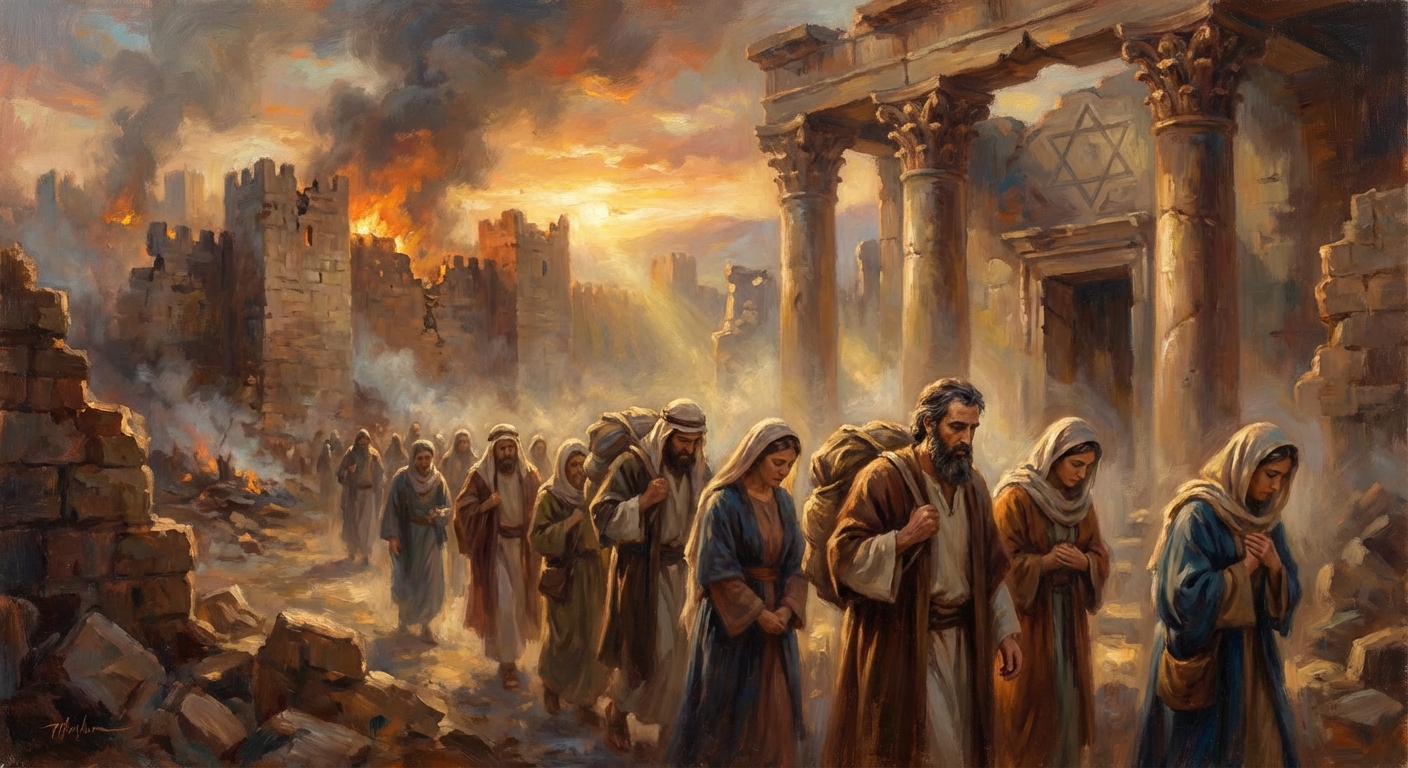 Heritage
 The Babylonian Exile
The destruction of Solomon's Temple and the exile of the Jewish people to Babylon.
Explore StoryFeatured Stories
The Dedication of Solomon's Temple
950 BCE
The dedication of Solomon's Temple was a momentous occasion, marking the culmination of years of planning and construction. King Solomon gathered the elders of Israel and all the heads of the tribes to Jerusalem to bring up the Ark of the Covenant from the City of David. The priests carried the Ark into the inner sanctuary, the Most Holy Place, and placed it beneath the wings of the cherubim.
As the priests withdrew from the Holy Place, the temple was filled with a cloud, for the glory of the Lord filled the temple of the Lord. King Solomon then stood before the altar of the Lord in front of the entire assembly of Israel, spread out his hands toward heaven, and offered a heartfelt prayer of dedication. He prayed for God's presence to dwell in the Temple and for God to hear the prayers of the Israelites and foreigners who would come to worship there.
The dedication ceremony lasted for seven days, with sacrifices of burnt offerings and fellowship offerings. The people rejoiced greatly, celebrating the completion of the Temple and the establishment of a permanent dwelling place for God among them. The event solidified the Temple's role as the central place of worship and a symbol of God's covenant with Israel.
Source: https://www.biblehub.com
The Role of Phoenician Craftsmen
960 BCE
The construction of Solomon's Temple was a collaborative effort, involving skilled craftsmen from both Israel and Phoenicia. King Hiram of Tyre, a close ally of King Solomon, played a significant role in providing materials and expertise for the project. The Phoenicians were renowned for their skill in woodworking, stonemasonry, and metalworking, and their contributions were essential to the Temple's grandeur.
Hiram sent cedar and cypress logs from Lebanon, along with skilled artisans to work on the Temple. The Phoenician craftsmen were responsible for constructing the Temple's wooden structures, including the paneling, doors, and cherubim. They also crafted the bronze pillars, Jachin and Boaz, that stood at the entrance of the Temple. Their expertise and artistry added to the Temple's beauty and magnificence.
The collaboration between Israel and Phoenicia in the construction of Solomon's Temple highlights the interconnectedness of the ancient world and the importance of cultural exchange. The Temple stood as a testament to the combined skills and resources of two nations, united in a common purpose.
Source: https://www.jewishencyclopedia.com
The Destruction of the Temple and the Loss of the Ark
587/586 BCE
The destruction of Solomon's Temple by Nebuchadnezzar II in 587/586 BCE was a cataclysmic event, marking the end of an era for the Israelites. The Babylonian army besieged Jerusalem, and after a prolonged siege, they breached the city walls and set fire to the Temple. The Temple, once a symbol of God's presence and the center of Jewish worship, was reduced to rubble.
Amidst the chaos and destruction, the Ark of the Covenant disappeared. Its fate remains a mystery to this day. Some believe that it was taken to Babylon as a spoil of war, while others suggest that it was hidden before the Temple's destruction. The loss of the Ark was a profound blow to the Israelites, symbolizing the loss of God's direct presence and the breaking of the covenant.
The destruction of the Temple and the loss of the Ark led to a period of exile for the Israelites in Babylon. However, their faith remained strong, and they continued to yearn for their homeland and the rebuilding of the Temple. The memory of Solomon's Temple served as a source of hope and inspiration during their time of captivity.
Source: https://www.bibleproject.com
Timeline
Construction Begins
Construction of the Temple begins during the fourth year of Solomon's reign.
MilestoneTemple Completed
The Temple is completed after seven years of construction, becoming the central place of worship for the Israelites.
DedicationTemple Plundered by Pharaoh Shishak
The Temple is plundered by Egyptian Pharaoh Shishak (Shoshenq I) during the reign of Rehoboam, marking a period of vulnerability.
EventJoash's Repairs
King Joash organizes a significant restoration of the Temple's structural integrity after years of neglect.
RenovationKing Ahaz Removes Temple Treasures
King Ahaz removes silver and gold from the Temple to pay Tiglath-Pileser III of Assyria, reflecting political pressures.
EventHezekiah's Rededication
King Hezekiah cleanses the Temple, removes foreign idols, and restores the Levite priesthood.
DedicationKing Hezekiah Cuts Off Gold from Temple Doors
King Hezekiah cuts off gold from the Temple doors to appease Sennacherib of Assyria, highlighting efforts to protect the kingdom.
EventJosiah's Reforms
During Temple repairs ordered by King Josiah, the 'Book of the Law' is discovered, sparking a massive religious revival.
EventTemple Destroyed by Nebuchadnezzar II
The Temple is destroyed by Nebuchadnezzar II of the Neo-Babylonian Empire during the Siege of Jerusalem, a devastating loss for the Israelites. The Ark of the Covenant disappears.
EventSecond Temple Completed
The Second Temple is completed after the Jewish people return from exile, marking a new era of worship and rebuilding.
DedicationArchitecture & Facilities
The Temple's design incorporated elements common to ancient Near Eastern temples, particularly Phoenician structures, reflecting a tripartite layout. It was built predominantly with massive drafted ashlar stones and Lebanese cedar.
Building Materials
Lebanese Cedar
King Hiram of Tyre provided massive cedar logs from Lebanon, used to construct the ceiling, paneling, and interior structure, ensuring physical and aromatic superiority.
Dimension Stones
Massive stones were prepared at the quarry so that no sound of iron tools was heard on the Temple Mount during its construction.
Fir and Cypress
In addition to cedar, fir and cypress woods were extensively utilized for the flooring and doors of the entrance, contributing rich textures and enduring strength.
Gold and Bronze
The interior of the Holy of Holies was extensively overlaid with gold, symbolizing divine splendor. Bronze was heavily used in the outer courts, including the massive Bronze Sea and the two pillars.
Interior Features
The Ulam (Porch)
The entrance hall, standing 20 cubits wide and 10 cubits deep, flanked by the two massive bronze pillars named Jachin and Boaz.
The Heikal (Holy Place)
The main hall of the temple, featuring the altar of incense, the table for the showbread, and ten golden lampstands (menorahs).
The Veil (Parochet)
A meticulously woven partition separating the Holy Place from the Holy of Holies, serving as a boundary between the priests and the unmediated presence of the divine.
The Debir (Holy of Holies)
The innermost sanctuary. An empty, perfect cube measuring 20 cubits on each side, housing only the Ark of the Covenant beneath the expansive wings of two massive cherubim carved from olive wood.
Temple Grounds
The Inner Court
Also known as the Court of the Priests, this area contained the altar of burnt offering and the Brazen Sea used for priestly purification.
The Great Court
The outer perimeter accessible to the general assembly of Israelites to offer prayers and watch the sacrifices.
Additional Facilities
The temple complex included numerous side chambers built against the outside walls, used for the storage of tithes, sacred vestments, and temple treasury items.
Religious Significance
Solomon's Temple fundamentally transformed Israelite worship from a mobile, tabernacle-based system to a permanent, centralized sacred space.
It was consecrated as the dwelling place of Yahweh's presence on Earth, serving as the nucleus of national identity, the seat of the priesthood, and the exclusive site for authorized animal sacrifice.
Sacred Ordinances
Daily Sacrifices (Korban Tamid)
The continuous offering of two lambs each day, morning and evening, on the bronze altar to maintain the covenant relationship.
Yom Kippur (Day of Atonement)
The single day of the year when the High Priest entered the Holy of Holies to make atonement for the nation's sins.
Pilgrimage Festivals (Shalosh Regalim)
The Temple served as the ultimate destination for the three primary pilgrimage festivals: Passover (Pesach), Shavuot (Feast of Weeks), and Sukkot (Feast of Tabernacles). During these times, Israelites from all over traveled to the Temple Mount.
Similar Temples
Sources & Research
Every fact on Temples.org is backed by verified Sources & Research. Each piece of information is rated by source tier and confidence level.
View All Sources (14)
| Field | Source | Tier | Retrieved |
|---|---|---|---|
| Overview & Historical Context | EBSCO (opens in a new tab) | A | 2024-02-29 |
| Overview & Religious Significance | Study.com (opens in a new tab) | A | 2024-02-29 |
| Overview & Key Facts | Kiddle (opens in a new tab) | C | 2024-02-29 |
| Historical Context & Religious Practices | bartehrman.com (opens in a new tab) | B | 2024-02-29 |
| Religious Significance & Temple Rituals | Scripture Analysis (opens in a new tab) | C | 2024-02-29 |
| Historical Timeline & Temple Dedication | BibleHub (opens in a new tab) | A | 2024-02-29 |
| Location & Historical Significance | Holy Land Site (opens in a new tab) | C | 2024-02-29 |
| Architectural Design & Symbolic Elements | BibleProject (opens in a new tab) | A | 2024-02-29 |
| Architectural Details & Temple Layout | Jewish Encyclopedia (opens in a new tab) | A | 2024-02-29 |
| Construction Materials & Temple Dimensions | Quora (opens in a new tab) | C | 2024-02-29 |
| Temple Construction & Skilled Craftsmen | The Bible Journey (opens in a new tab) | A | 2024-02-29 |
| Temple Influences & Symbolism | Biblical Archaeology Society (opens in a new tab) | B | 2024-02-29 |
| Temple in Freemasonry | GreatMasons.com (opens in a new tab) | C | 2024-02-29 |
| Temple in Freemasonry | Freemason.com (opens in a new tab) | C | 2024-02-29 |