Visitor Insights
Visiting Johannesburg South Africa Temple
Visitors to the Johannesburg South Africa Temple are welcome to stroll the peaceful grounds and appreciate the serene atmosphere. While there is no formal visitors' center, the well-maintained gardens offer a tranquil space for reflection. The temple's architecture and prominent spires make it a beautiful landmark, visible from various points in the city. Please note that the temple is closed on Sundays and Mondays, as well as for a few weeks each year for maintenance.
Highlights
- Enjoy the peaceful and well-maintained temple grounds.
- Admire the temple's unique architecture and prominent spires.
- Reflect in the serene atmosphere surrounding the temple.
Things to Know
- The temple is closed to the public on Sundays and Mondays.
- The temple is closed for a few weeks each year for maintenance.
- There is no visitors' center on site.
Location
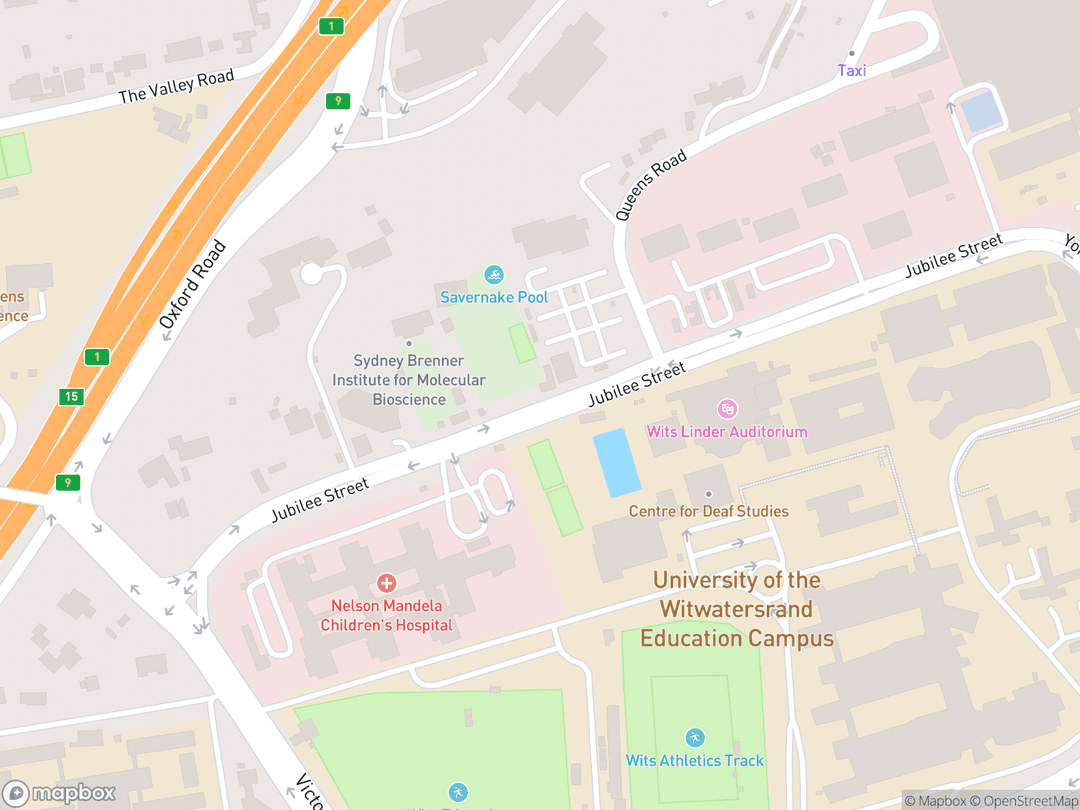
7 Jubilee Road, Parktown, Johannesburg 2193, South Africa
Hours: Grounds are open to the public Tuesday through Saturday.
Getting There: The temple is located at 7 Jubilee Rd, Parktown, Johannesburg 2193, South Africa. Public transportation and parking are available.
Get DirectionsAbout
The Johannesburg South Africa Temple stands as a beacon of faith for members of The Church of Jesus Christ of Latter-day Saints in South Africa and surrounding nations. Temples, distinct from regular meetinghouses, are considered houses of the Lord, where members engage in sacred ordinances and make covenants with God. Rooted in the Christian theological tradition, these covenants reflect a commitment to follow Jesus Christ and live according to gospel principles.
The temple's history is intertwined with the growth of the Church in South Africa, dating back to the mid-19th century when early missionaries like Jesse Haven prophesied of the gospel's acceptance in the region. The announcement of the temple in 1981 marked a significant milestone, providing a dedicated space for members to participate in essential religious practices. Its dedication in 1985 by President Gordon B. Hinckley solidified its importance as a spiritual center for the region.
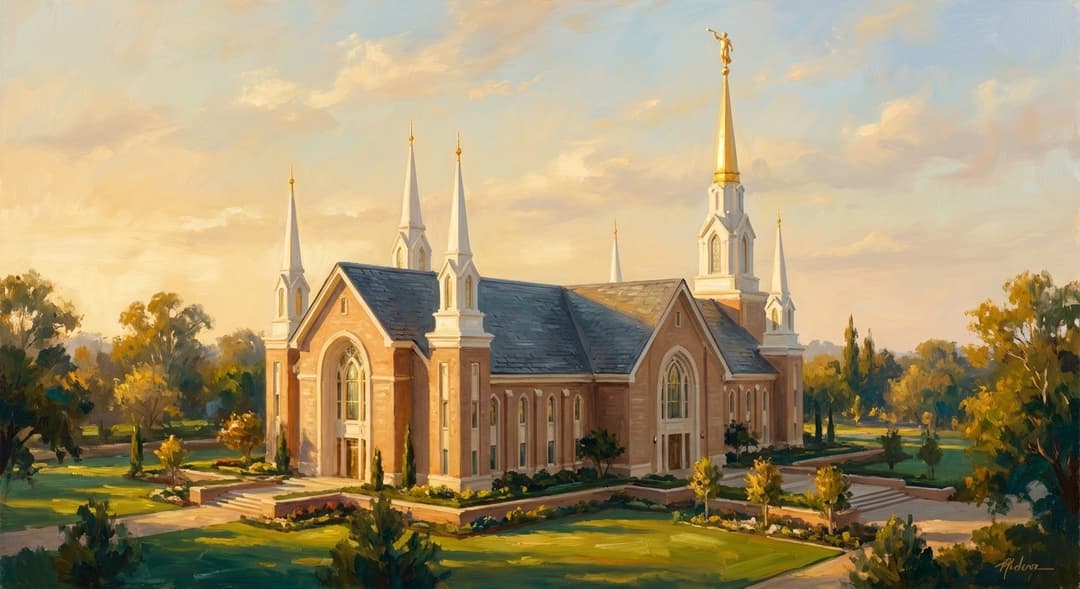
Architecturally, the Johannesburg South Africa Temple showcases a modern adaptation of a classic six-spire design. Its light brown brickwork and dark gray slate roof create a dignified exterior, while the interior houses ordinance rooms, sealing rooms, and a baptistry, each serving a unique purpose in the religious practices of the Church. The temple's location on Parktown Ridge offers scenic views, making it a prominent landmark in Johannesburg.
Today, the Johannesburg South Africa Temple continues to serve as a place of spiritual refuge and renewal for Latter-day Saints. It stands as a testament to the enduring faith of the members in the region and their dedication to the teachings of Jesus Christ. The temple is open to members who are in good standing with the Church and provides a sacred space for worship, reflection, and service.
Gallery
Symbolic Elements
The temple's exterior features intricate carvings, each rich with spiritual meaning:

Six Spires
The six spires of the Johannesburg South Africa Temple symbolize the reaching towards heaven and the connection between the earthly and celestial realms. They represent the aspirations of the members to ascend spiritually and draw closer to God. The spires also serve as a visual reminder of the temple's sacred purpose and its role as a beacon of faith.

Angel Moroni Statue
The gilded statue of the angel Moroni atop the tallest spire represents the restoration of the gospel of Jesus Christ. Moroni is a prophet from the Book of Mormon who revealed the location of the golden plates to Joseph Smith. The statue symbolizes the spreading of the gospel message to all the world.

Light Brown Brickwork
The light brown brickwork of the temple's exterior provides a sense of warmth and stability. The bricks are meticulously laid, representing the careful and deliberate construction of the temple. The color and texture of the brick contribute to the temple's overall aesthetic appeal and its integration with the surrounding landscape.

Dark Gray Slate Roof
The dark gray slate roof adds a touch of elegance and durability to the temple's design. The slate is a natural material that is resistant to the elements, symbolizing the enduring nature of the covenants made within the temple. The color of the roof provides a contrast to the lighter brickwork, enhancing the temple's visual appeal.

Baptistry Font
The baptistry font, located in the lower level of the temple, is used for performing vicarious baptisms for those who have died. The font rests on the backs of twelve oxen, representing the twelve tribes of Israel. Baptism symbolizes the cleansing from sin and spiritual rebirth, a fundamental ordinance in the Church.

Ordinance Rooms
The ordinance rooms are where members participate in the endowment ceremony, learning about God’s plan of salvation and making covenants with Him. These rooms are designed to create a sacred and reverent atmosphere, conducive to spiritual learning and growth. The ordinances performed in these rooms are essential for eternal progression.

Sealing Rooms
Marriages are performed in the sealing rooms, uniting couples and families for eternity. These rooms represent the eternal nature of love and family relationships, a central tenet of the Church's teachings. The sealing ordinance binds families together beyond mortality, offering hope for eternal connections.

Celestial Room
The celestial room symbolizes heaven on earth, representing peace and communion with God. This room is a place for quiet reflection and prayer, allowing members to feel closer to the divine. The celestial room is often decorated with beautiful furnishings and artwork, creating a serene and uplifting environment.
Interesting Facts
The Johannesburg South Africa Temple was the first temple built in South Africa and the first on the continent of Africa.
It was the first temple of The Church of Jesus Christ of Latter-day Saints to front the Indian Ocean.
At the time of its dedication, it was the farthest temple from Church headquarters in Salt Lake City and the farthest away geographically from any other operating temple.
The Johannesburg South Africa Temple was the first to have brick as the outside layer.
A stone from the original Nauvoo Temple was placed in the temple gate.
The temple sits on Parktown Ridge, offering views toward Pretoria.
The temple is visible from many parts of the city, with its six spires reaching into the sky.
The announcement of the Johannesburg South Africa Temple came less than three years after the 1978 revelation extending priesthood and temple blessings to all worthy male members, regardless of race.
During the dedicatory prayer, President Hinckley emphasized the peace that can come to those who worship in the temple.
The temple shares its grounds with area offices, including family history, employment, and distribution services.
Common Questions
What is the purpose of the Johannesburg South Africa Temple?
The Johannesburg South Africa Temple is a sacred building dedicated to performing religious ordinances and making covenants with God. It serves as a spiritual center for members of The Church of Jesus Christ of Latter-day Saints in South Africa and surrounding countries, providing a place for worship, reflection, and service. These ordinances strengthen faith, promote family unity, and connect individuals with their ancestors.
How does a temple differ from a meetinghouse or chapel?
Temples are considered 'houses of the Lord' and are used for special religious ordinances and covenants, while meetinghouses are used for regular Sunday worship services and other Church activities. Temples are open only to members of the Church who are in good standing, while meetinghouses are open to all.
Can anyone visit the Johannesburg South Africa Temple?
While the temple interior is reserved for members of The Church of Jesus Christ of Latter-day Saints, the temple grounds are open to the public. Visitors are welcome to stroll the grounds, admire the architecture, and enjoy the peaceful atmosphere. However, there is no visitors' center on site.
What are some of the symbolic elements found in temples of The Church of Jesus Christ of Latter-day Saints?
Temples of The Church of Jesus Christ of Latter-day Saints incorporate various symbols to remind Church members of their journey to come closer to God and Jesus Christ. These include the baptistry, where vicarious baptisms are performed; ordinance rooms, where members participate in the endowment ceremony; sealing rooms, where marriages are performed; and the celestial room, which symbolizes heaven on earth.
When was the Johannesburg South Africa Temple dedicated?
The Johannesburg South Africa Temple was dedicated on August 24-25, 1985, by President Gordon B. Hinckley. The dedication was a significant event for members of the Church in South Africa, providing them with a dedicated space for religious worship and service.
Featured Stories
The Dedication of the Johannesburg South Africa Temple
August 24-25, 1985
The dedication of the Johannesburg South Africa Temple was a momentous occasion for members of The Church of Jesus Christ of Latter-day Saints in South Africa and surrounding countries. President Gordon B. Hinckley presided over the four dedicatory sessions, attended by approximately 3,480 members who had long awaited the opportunity to worship in a temple closer to home. The dedication marked a significant milestone in the growth of the Church in Africa, providing a sacred space for members to make covenants with God and receive essential religious ordinances.
During the dedicatory prayer, President Hinckley emphasized the peace that can come to those who worship in the temple. He prayed for the blessings of the Lord to be upon the land and the people, and for the temple to be a beacon of light and truth to all who would seek it. The dedication was a spiritual highlight for those in attendance, strengthening their faith and commitment to the gospel.
Source: The Church News, August 1985
Early Missionary Work in South Africa
1853
The history of The Church of Jesus Christ of Latter-day Saints in South Africa dates back to 1853, when early missionaries like Jesse Haven began preaching the gospel in the region. Despite facing challenges and opposition, these dedicated missionaries laid the foundation for the growth of the Church in South Africa. Jesse Haven prophesied that many honest hearts in South Africa would embrace the gospel of Jesus Christ, a prophecy that has been fulfilled over the years.
Henry Stringer was the first convert baptized in South Africa, marking an early milestone for the Church in the region. His conversion and dedication to the gospel paved the way for others to follow, and the Church gradually grew in numbers and influence. The early missionaries faced hardships and sacrifices, but their unwavering faith and commitment helped to establish the Church in South Africa.
Source: History of The Church of Jesus Christ of Latter-day Saints
Announcement of the Johannesburg South Africa Temple
April 1, 1981
The announcement of the Johannesburg South Africa Temple by Church President Spencer W. Kimball on April 1, 1981, was met with great excitement and anticipation by members in South Africa. The announcement, made alongside nine other new temples worldwide, signaled a period of growth and expansion for the Church. For many years, members in South Africa had to travel long distances to visit the nearest temple, often facing significant financial and logistical challenges.
The announcement of the Johannesburg South Africa Temple brought hope and joy to the members, knowing that they would soon have a dedicated space for worship and religious ordinances closer to home. The temple would serve as a spiritual center for the region, providing a place for members to make covenants with God, strengthen their families, and connect with their ancestors. The announcement was a testament to the faith and dedication of the members in South Africa.
Source: The Church of Jesus Christ of Latter-day Saints Newsroom
Timeline
Jesse Haven Prophesies of Gospel's Acceptance
Jesse Haven prophesied that many honest hearts in South Africa would embrace the gospel of Jesus Christ.
MilestoneFirst Convert Baptized in South Africa
Henry Stringer was the first convert baptized in South Africa, marking an early milestone for the Church in the region.
MilestoneTemple Announced by President Spencer W. Kimball
Church President Spencer W. Kimball announced the intent to construct the Johannesburg South Africa Temple, alongside nine other new temples worldwide.
component.timeline.announcementGroundbreaking and Site Dedication
Elder Marvin J. Ashton of the Quorum of the Twelve Apostles presided over the groundbreaking and site dedication of the Johannesburg South Africa Temple.
component.timeline.groundbreakingPublic Open House Held
A public open house was held, attracting over 19,000 visitors, including civic and business leaders and government officials.
EventTemple Dedication by President Gordon B. Hinckley
President Gordon B. Hinckley dedicated the Johannesburg South Africa Temple in four dedicatory sessions, attended by approximately 3,480 members.
DedicationDurban South Africa Temple Dedicated
The Durban South Africa Temple was dedicated, becoming the second temple in South Africa.
DedicationCape Town South Africa Temple Announced
Church President Russell M. Nelson announced the construction of the Cape Town South Africa Temple, further expanding the Church's presence in South Africa.
component.timeline.announcementAngel Moroni Statue Regilded and Interior Refurbishments Made
The statue of the angel Moroni was regilded, and interior refurbishments were made to the Johannesburg South Africa Temple.
RenovationAnnouncement of the Johannesburg South Africa Temple
The announcement was made alongside nine other new temples worldwide, signaling a period of growth for the Church.
component.timeline.announcementElder Marvin J. Ashton Presides Over Groundbreaking
The groundbreaking ceremony marked the official start of construction for the temple, a significant event for local members.
component.timeline.groundbreakingPresident Hinckley Dedicates the Temple
The dedication of the temple was a momentous occasion, allowing members in the region to access temple blessings closer to home.
DedicationHenry Stringer Baptized
Henry Stringer's baptism represented an early milestone in the establishment of the Church in South Africa.
MilestonePublic Open House Begins
The open house provided an opportunity for the community to learn about the temple and its purpose.
EventDurban South Africa Temple Dedicated
The dedication of the Durban temple provided additional access to temple worship for members in South Africa.
DedicationHistory by Decade
1850s — Early Missionary Efforts
The 1850s marked the beginning of missionary work in South Africa, with early missionaries like Jesse Haven paving the way. Despite facing challenges, they laid the foundation for the Church's growth. Jesse Haven's prophecy of many embracing the gospel proved significant. Henry Stringer's baptism marked a crucial milestone.
1980s — Temple Announcement and Dedication
The 1980s brought significant progress with the announcement of the Johannesburg South Africa Temple by President Spencer W. Kimball in 1981. This was followed by the groundbreaking in 1982 and the dedication by President Gordon B. Hinckley in 1985. These events marked a new era for Latter-day Saints in South Africa.
2000s — Continued Growth and Service
The Johannesburg South Africa Temple continued to serve as a spiritual center for members in South Africa and surrounding countries. Members actively participated in temple ordinances, strengthening their faith and commitment to the gospel. The temple became a beacon of hope and inspiration for many.
2010s — Renovations and Enhancements
In 2017, the statue of the angel Moroni was regilded, and interior refurbishments were made to the Johannesburg South Africa Temple. These enhancements ensured that the temple remained a beautiful and sacred space for worship. The renovations reflected the Church's commitment to maintaining its temples in excellent condition.
2020s — Expansion and New Temples
The 2020s saw further expansion with the dedication of the Durban South Africa Temple in 2020 and the announcement of the Cape Town South Africa Temple in 2021. These developments provided increased access to temple worship for members in South Africa. The Church continued to grow and strengthen its presence in the region.
Architecture & Facilities
The Johannesburg South Africa Temple exhibits a modern adaptation of an earlier six-spire design, blending traditional elements with contemporary aesthetics. The temple's architectural style reflects a sense of reverence and spiritual upliftment, creating a sacred space for worship and reflection. The design incorporates elements that are both functional and aesthetically pleasing, enhancing the overall experience for those who visit the temple.
Building Materials
Light Brown Brickwork
The light brown brickwork provides a sense of warmth and stability to the temple's exterior. The bricks are meticulously laid, representing the careful and deliberate construction of the temple. The color and texture of the brick contribute to the temple's overall aesthetic appeal.
Dark Gray Slate Roof
The dark gray slate roof adds a touch of elegance and durability to the temple's design. The slate is a natural material that is resistant to the elements, symbolizing the enduring nature of the covenants made within the temple. The color of the roof provides a contrast to the lighter brickwork.
Gilded Angel Moroni Statue
The gilded statue of the angel Moroni atop the tallest spire is a prominent feature of the temple. The statue symbolizes the restoration of the gospel of Jesus Christ and the spreading of the gospel message to all the world. The gold finish adds a touch of grandeur and reverence.
Stained Glass Windows
The stained glass windows add beauty and artistry to the temple's interior. The windows depict religious symbols and scenes, creating a spiritual and uplifting atmosphere. The colored glass filters the light, creating a soft and ethereal glow within the temple.
Interior Features
Baptistry
The baptistry is located in the lower level of the temple and is used for performing vicarious baptisms for those who have died. The font rests on the backs of twelve oxen, representing the twelve tribes of Israel. The baptistry is a sacred space for performing this essential ordinance.
Ordinance Rooms
The ordinance rooms are where members participate in the endowment ceremony, learning about God’s plan of salvation and making covenants with Him. These rooms are designed to create a sacred and reverent atmosphere, conducive to spiritual learning and growth.
Sealing Rooms
The sealing rooms are where marriages are performed, uniting couples and families for eternity. These rooms represent the eternal nature of love and family relationships. The sealing ordinance binds families together beyond mortality, offering hope for eternal connections.
Celestial Room
The celestial room symbolizes heaven on earth, representing peace and communion with God. This room is a place for quiet reflection and prayer, allowing members to feel closer to the divine. The celestial room is often decorated with beautiful furnishings and artwork.
Temple Grounds
The temple grounds are beautifully landscaped and well-maintained, providing a peaceful and serene environment for visitors. The gardens feature a variety of plants, flowers, and trees, creating a tranquil space for reflection and contemplation. The grounds are open to the public and offer a welcoming atmosphere for all.
Additional Facilities
The temple shares its grounds with area offices, including family history, employment, and distribution services, providing additional resources and support for members and visitors.
Religious Significance
The Johannesburg South Africa Temple holds profound religious significance for members of The Church of Jesus Christ of Latter-day Saints. It is considered a 'house of the Lord,' a sacred space dedicated to performing religious ordinances and making covenants with God. Rooted in the Christian theological tradition, these covenants reflect a commitment to follow Jesus Christ and live according to gospel principles.
The primary purpose of the temple is to provide a dedicated space for members to participate in essential religious practices that strengthen their faith, promote family unity, and connect them with their ancestors. These practices include baptisms for the dead, the endowment ceremony, and eternal marriages.
Sacred Ordinances
Baptism for the Dead
Baptism for the dead is a vicarious ordinance performed in the temple, allowing deceased individuals to receive the blessings of baptism. This practice reflects the belief that all individuals, regardless of when or where they lived, should have the opportunity to accept the gospel of Jesus Christ.
Endowment Ceremony
The endowment ceremony is a sacred ordinance in which members learn about God’s plan of salvation and make covenants with Him. This ceremony provides spiritual knowledge and guidance, helping members to live according to gospel principles and prepare for eternal life.
Eternal Marriage
Eternal marriage, also known as sealing, is a sacred ordinance performed in the temple, uniting couples and families for eternity. This practice reflects the belief that love and family relationships can endure beyond mortality, providing hope for eternal connections.
The Temple as a House of Prayer
The temple is a place of prayer, where members can seek guidance and comfort from God. The temple provides a quiet and reverent atmosphere, conducive to personal reflection and spiritual growth. Members often come to the temple to pray for themselves, their families, and others in need.
The Temple as a Symbol of Eternal Life
The temple is a symbol of eternal life, reminding members of the blessings that await them in the afterlife. The ordinances performed in the temple are designed to prepare members for eternal life and to help them live according to gospel principles. The temple provides hope and inspiration for a brighter future.
Similar Temples
Sources & Research
Every fact on Temples.org is backed by verified Sources & Research. Each piece of information is rated by source tier and confidence level.
View All Sources (8)
| Field | Source | Tier | Retrieved |
|---|---|---|---|
| About & Historical Background | The Church of Jesus Christ of Latter-day Saints (opens in a new tab) | A | 2024-01-02 |
| Basic Facts & Historical Timeline | The Church of Jesus Christ of Latter-day Saints Newsroom (opens in a new tab) | A | 2024-01-02 |
| Architectural Description & Symbolic Elements | Church History Department (opens in a new tab) | A | 2024-01-02 |
| Announcement & Construction | churchofjesuschristtemples.org (opens in a new tab) | C | 2024-01-02 |
| Historical Context & Dedication Details | The Church News (opens in a new tab) | B | 2024-01-02 |
| Temple Location and Details | MormonWiki (opens in a new tab) | C | 2024-01-02 |
| Temple Dedication & History | PhotoGent (opens in a new tab) | B | 2024-01-02 |
| Architectural Style | Altus Fine Art (opens in a new tab) | B | 2024-01-02 |