Visitor Insights
Visiting Seoul Korea Temple
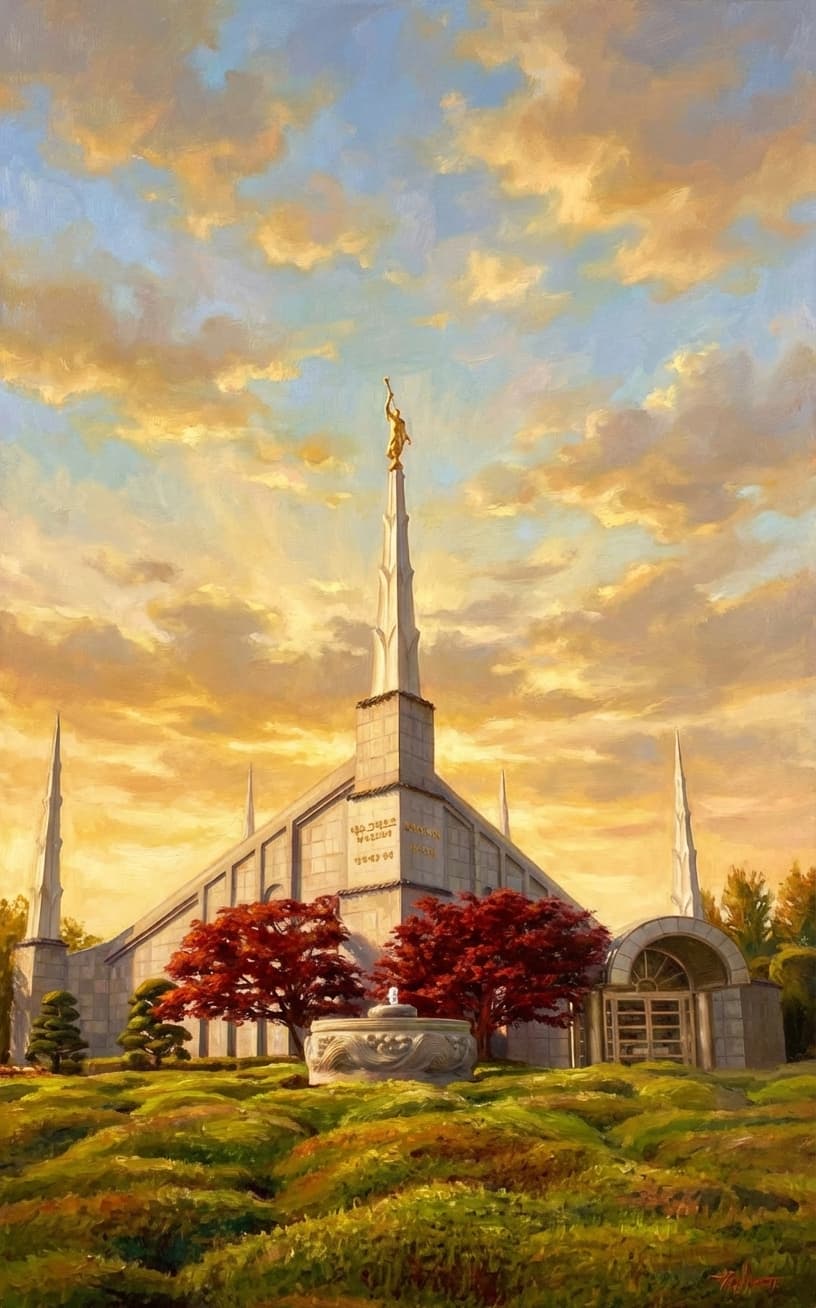
The Seoul Korea Temple offers a serene and spiritual experience for visitors. While there is no dedicated visitors' center, the temple grounds are open to the public and provide a peaceful environment for reflection. The beautifully landscaped gardens and the temple's architecture create a reverent atmosphere. Visitors can appreciate the temple's significance as a sacred place for members of The Church of Jesus Christ of Latter-day Saints.
Highlights
- Beautifully landscaped gardens open to the public.
- Architectural design incorporating Korean granite.
- Proximity to Sinchon Station on the Seoul Subway Line 2.
Things to Know
- No visitors' center on site.
- Temple is an operating religious building; respect for its sacred nature is expected.
- Limited parking available; public transportation is recommended.
Location
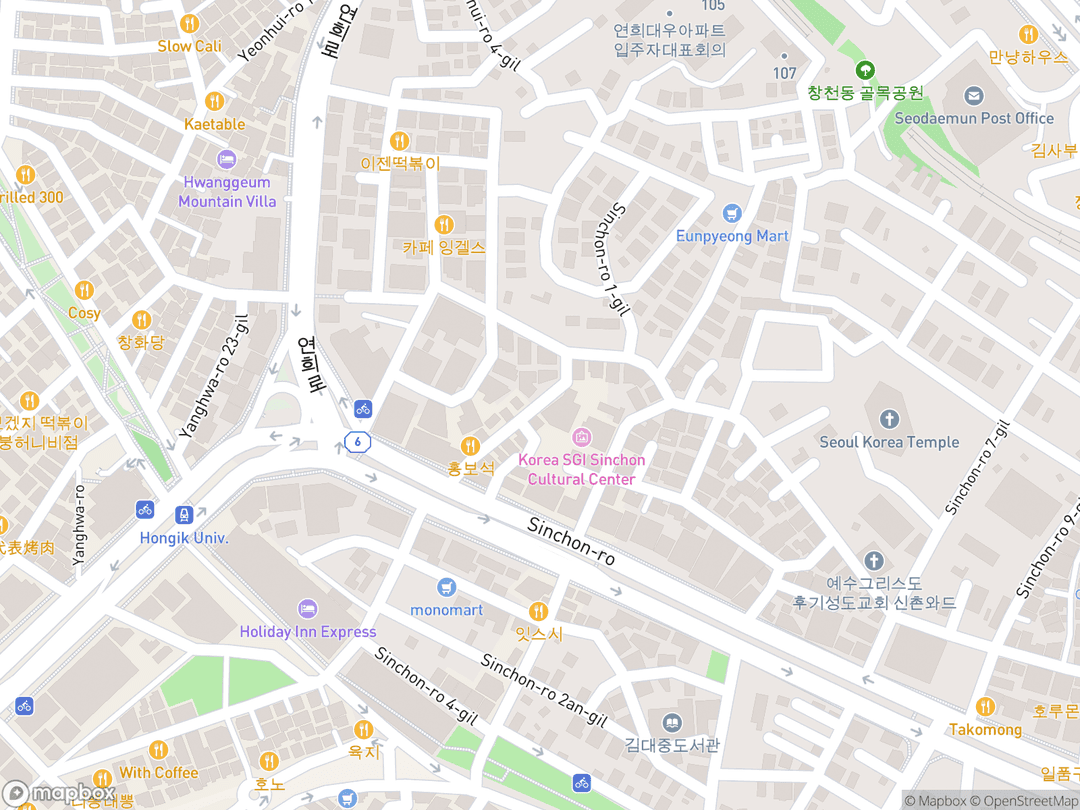
Sinchon-ro 7 GIL 21 Seodaemun-gu, Seoul, Seoul-teukbyeolsi 03783, South Korea
Hours: Grounds are open to the public during daylight hours.
Getting There: Easily accessible via Sinchon Station on the Seoul Subway Line 2. Limited parking is available.
Get DirectionsTips for Your Visit
Use Public Transportation
The temple is conveniently located near Sinchon Station, making the subway the easiest way to get there.
Dress Respectfully
While visiting the grounds, please dress modestly to show respect for the sacred nature of the temple.
About
The Seoul Korea Temple stands as a beacon of faith in the heart of Seoul, South Korea. As a temple of The Church of Jesus Christ of Latter-day Saints, it is dedicated to the principles of love, service, and eternal family connections. Rooted in the Christian theological tradition, the temple provides a sacred space for members to draw closer to God and strengthen their spiritual lives.
Announced on April 1, 1981, by Church President Spencer W. Kimball, the temple represents a significant milestone in the growth of the Church in Asia. Ground was broken on May 9, 1983, by Marvin J. Ashton of the Quorum of the Twelve Apostles, and after two years of construction, the temple was dedicated on December 14-15, 1985, by Gordon B. Hinckley. Its construction and presence reflect the dedication and faith of the Korean Saints.
The temple's architecture is a modern adaptation of a six-spire design, finished with granite quarried from Korean mountains. The temple's location on a hillside provides a serene and beautiful setting for worship and reflection. The Seoul Korea Temple serves as a spiritual anchor for members of the Church in South Korea and surrounding areas, providing a place for sacred ordinances and a connection to their heritage.
Gallery
Symbolic Elements
The temple's exterior features intricate carvings, each rich with spiritual meaning:

Angel Moroni Statue
The angel Moroni statue, which adorns the tallest spire of the temple, symbolizes the restoration of the gospel of Jesus Christ. It represents the angel mentioned in the Book of Revelation who was to fly in the midst of heaven, having the everlasting gospel to preach unto them that dwell on the earth.

Six-Spire Design
The six-spire design of the Seoul Korea Temple is a modern adaptation of traditional temple architecture. The spires symbolize the reaching towards heaven and the connection between the earthly and divine realms. The design reflects the temple's role as a sacred space for spiritual growth and eternal covenants.
Korean Granite Exterior
The exterior of the Seoul Korea Temple is finished with granite quarried from mountains in Korea. The use of local materials symbolizes the integration of the temple with the Korean landscape and culture. The granite represents strength, durability, and the enduring nature of the temple's purpose.

Baptistry
The baptistry in the Seoul Korea Temple is a sacred space where baptisms for the dead are performed. This ordinance symbolizes spiritual cleansing and the opportunity for those who have passed away without the gospel to receive its blessings. The baptistry represents the eternal nature of God's love and plan for all his children.

Sealing Rooms
The sealing rooms in the Seoul Korea Temple are dedicated to the eternal joining of families. Marriages performed in the temple are considered to last eternally, and families can be sealed together, ensuring these relationships continue beyond mortality. The sealing rooms represent the importance of family in God's plan.

Endowment Rooms
The endowment rooms in the Seoul Korea Temple are where members learn more about the purpose of life and make covenants to follow Jesus Christ. This includes instruction, scripture, and symbolic representation, helping members understand God's plan for their eternal progression. The endowment rooms represent the journey of spiritual growth and enlightenment.

Landscaped Gardens
The temple is situated on a one-acre hillside plot with landscaping that includes shrubs, bushes, and a fountain. The gardens provide a peaceful and serene environment for visitors and members alike. The landscaping represents the beauty of creation and the importance of connecting with nature.

Fountain
The fountain on the temple grounds provides a peaceful and serene environment for visitors and members alike. The fountain represents the living water, a symbol of Jesus Christ and the blessings of the gospel. The fountain is a gathering place for reflection and spiritual renewal.
Interesting Facts
The Seoul Korea Temple was the first temple built on the mainland of Asia.
It was the 37th operating temple of The Church of Jesus Christ of Latter-day Saints.
The temple was announced with eight other temples on April 1, 1981, which was the largest number of temples ever announced at one time.
The original plans for the temple were enlarged and redesigned three times because the Korean Saints donated so much of their savings.
A mission office and meetinghouse were razed to make way for the temple.
More than 13,000 people toured the temple during its public open house.
The temple stands on a hill overlooking Ewha Womans University, Yonsei University, and Sogang University.
The temple grounds feature gardens that are open to the public.
The importance of families and ancestors is a long tradition in Korea, which contributed to the decision to build a temple there.
Just before the dedication, President Gordon B. Hinckley recalled a promise by President Spencer W. Kimball that the Korean Saints would be blessed if they lived the gospel.
Common Questions
What is the purpose of the Seoul Korea Temple?
The Seoul Korea Temple serves as a sacred place for members of The Church of Jesus Christ of Latter-day Saints to perform ordinances such as baptisms, endowments, and sealings, which are essential for their spiritual growth and eternal family connections.
When was the Seoul Korea Temple dedicated?
The Seoul Korea Temple was dedicated on December 14-15, 1985, by Gordon B. Hinckley.
How can I visit the Seoul Korea Temple?
While there is no visitors' center, the temple grounds are open to the public during daylight hours. The temple is easily accessible via Sinchon Station on the Seoul Subway Line 2.
What is the architectural style of the Seoul Korea Temple?
The Seoul Korea Temple exhibits a modern adaptation of a six-spire design, finished with granite quarried from mountains in Korea.
What is the significance of temples in The Church of Jesus Christ of Latter-day Saints?
Temples are considered houses of the Lord and are reserved for special ordinances that are central to the faith. These ordinances include baptism, endowment, and sealing, which are seen as essential steps in God's plan for his children.
Featured Stories
Dedication of the Seoul Korea Temple
December 14-15, 1985
The dedication of the Seoul Korea Temple was a momentous occasion for the Latter-day Saints in South Korea. Elder Gordon B. Hinckley presided over the dedication, expressing gratitude for the faith and dedication of the Korean Saints. The dedication ceremonies were filled with spiritual power, as members felt a deep connection to their heritage and the blessings of the temple.
During the dedicatory prayer, Elder Hinckley prayed for the peace and prosperity of the Korean people, and for the temple to be a beacon of light and truth in the land. He expressed gratitude for the sacrifices made by the Korean Saints to build the temple, and for their unwavering faith in the gospel of Jesus Christ. The dedication marked a new chapter in the history of the Church in Korea, as the temple became a center of spiritual strength and eternal family connections.
Source: https://www.thechurchnews.com/1985/12/22/20475037/korea-temple-dedicated-by-elder-hinckley
The Announcement of the Seoul Korea Temple
April 1, 1981
The announcement of the Seoul Korea Temple on April 1, 1981, by Church President Spencer W. Kimball, was met with great excitement and anticipation by the Latter-day Saints in South Korea. The announcement came as a surprise to many, as the Church was still relatively small in Korea at the time. However, President Kimball had a vision of the Church's growth in Asia, and he knew that a temple in Seoul would be a blessing to the Korean Saints.
The announcement was made during a time of political and social unrest in South Korea, but the Korean Saints remained steadfast in their faith. They saw the temple as a symbol of hope and a promise of better things to come. The announcement inspired them to work even harder to build the Church in Korea, and to share the gospel with their friends and neighbors. The Seoul Korea Temple became a symbol of the Church's commitment to Asia and its belief in the potential of the Korean people.
Source: https://www.churchofjesuschrist.org/church/news/ground-broken-for-seoul-korea-temple?lang=eng
The Faith and Sacrifice of the Korean Saints
1981-1985
The construction of the Seoul Korea Temple was a testament to the faith and sacrifice of the Korean Saints. Despite facing economic challenges and social pressures, they donated generously to the temple fund, often giving up their own personal comforts and possessions. Their unwavering commitment to the gospel and their desire to have a temple in their land inspired them to overcome every obstacle.
The Korean Saints also volunteered countless hours of labor to help build the temple, working alongside professional contractors and missionaries. They cleaned, painted, and landscaped the grounds, pouring their hearts and souls into the project. Their dedication and hard work transformed the temple site into a beautiful and sacred space, a testament to their love for God and their fellow man. The Seoul Korea Temple stands as a symbol of their faith and sacrifice, a reminder of the blessings that come from serving the Lord.
Source: https://history.churchofjesuschrist.org/content/historic-sites/korea/seoul-korea-temple?lang=eng
Timeline
Kim Ho Jik Baptized
Kim Ho Jik, the first native Korean to join the Church, was baptized while attending Cornell University in New York.
MilestoneMissionaries Arrive
The first Latter-day Saint missionaries arrived in South Korea to begin proselyting.
MilestoneLand Dedicated
President Joseph Fielding Smith dedicated the land of Korea for the preaching of the restored gospel.
MilestoneShinch'on Property Purchased
Spencer J. Palmer, as mission president, directed the purchase of the Shinch'on property where the temple now stands.
MilestoneKorean Members Travel to Laie Hawaii Temple
Korean members traveled to the Laie Hawaii Temple to participate in temple ordinances.
EventFirst Stake Created
The first stake in Korea was created in Seoul, marking a significant step in the Church's growth.
MilestoneTemple Announced
Plans for the Seoul Korea Temple were announced by Church President Spencer W. Kimball.
component.timeline.announcementGroundbreaking Ceremony
Ground was broken for the Seoul Korea Temple by Marvin J. Ashton of the Quorum of the Twelve Apostles.
component.timeline.groundbreakingPublic Open House Begins
The public open house was held from November 26 to December 7, allowing the community to tour the temple.
EventTemple Dedication
The Seoul Korea Temple was dedicated by Gordon B. Hinckley in multiple sessions held on December 14-15.
DedicationSubway Entrance Added
A major subway entrance was added near the temple in conjunction with the Summer Olympics, improving accessibility.
RenovationFirst Temple in Asia
The Seoul Korea Temple became the first temple built on the mainland of Asia.
MilestoneAnnouncement of Multiple Temples
The Seoul Korea Temple was announced with eight other temples, marking the largest number of temples announced at one time.
component.timeline.announcementKorean Saints' Sacrifices
The original plans for the temple were enlarged and redesigned three times because the Korean Saints donated so much of their savings.
EventTemple Location
The temple stands on a hill overlooking Ewha Womans University, Yonsei University, and Sogang University.
MilestoneHistory by Decade
1950s — Early Missionary Work
The 1950s marked the beginning of The Church of Jesus Christ of Latter-day Saints in South Korea. In 1951, Kim Ho Jik, the first native Korean to join the Church, was baptized while studying in the United States. The first Latter-day Saint missionaries arrived in South Korea in 1954, facing the challenges of a war-torn country. In 1955, President Joseph Fielding Smith dedicated the land of Korea for the preaching of the restored gospel, laying the foundation for future growth.
1960s — Establishing a Foothold
During the 1960s, the Church began to establish a stronger foothold in South Korea. Korean Saints began expressing their desire for a temple in their homeland. In 1965, Spencer J. Palmer, as mission president, played a key role in purchasing the Shinch'on property, which would later become the site of the Seoul Korea Temple. These early efforts laid the groundwork for the temple's eventual construction.
1970s — Growth and Preparation
The 1970s saw significant growth and preparation for the future temple. In 1970, Korean members traveled to the Laie Hawaii Temple to participate in temple ordinances, highlighting their commitment to temple worship. The first stake in Korea was created in Seoul in 1973, marking a milestone in the Church's organizational development. These developments paved the way for the announcement of the Seoul Korea Temple.
1980s — Temple Construction and Dedication
The 1980s were a pivotal decade for the Church in South Korea, marked by the announcement, construction, and dedication of the Seoul Korea Temple. The temple was announced on April 1, 1981, and ground was broken on May 9, 1983. The public open house was held in late 1985, and the temple was dedicated on December 14-15, 1985, by Gordon B. Hinckley. The dedication marked a new era for the Church in Korea, providing a sacred space for members to draw closer to God.
1990s — Consolidation and Service
The 1990s were a time of consolidation and increased service for the Church in South Korea. The Seoul Korea Temple became a center of spiritual strength for members in the region. The Church focused on strengthening families and communities through various service projects and outreach programs. The temple continued to play a vital role in the lives of Korean Saints.
2000s — Continued Growth and Outreach
The 2000s saw continued growth and outreach for the Church in South Korea. The Church expanded its humanitarian efforts, providing assistance to those in need. The Seoul Korea Temple continued to serve as a beacon of faith, attracting visitors and members alike. The Church focused on promoting interfaith dialogue and building relationships with other religious communities.
Architecture & Facilities
The Seoul Korea Temple exhibits a modern adaptation of a six-spire design, blending contemporary architectural elements with traditional temple aesthetics. The temple's exterior is finished with granite quarried from mountains in Korea, giving it a sense of strength and permanence. The design reflects the temple's role as a sacred space for spiritual growth and eternal covenants.
Building Materials
Korean Granite
The exterior of the Seoul Korea Temple is finished with granite quarried from mountains in Korea. The granite gives the temple a sense of strength, durability, and connection to the local landscape.
Steel
Steel is used in the temple's structural framework to provide stability and support. The steel framework is essential for withstanding earthquakes and other natural disasters.
Glass
Glass is used in the temple's windows and skylights to allow natural light to enter the building. The natural light creates a bright and welcoming atmosphere inside the temple.
Wood
Wood is used in the temple's interior finishes, such as doors, trim, and furniture. The wood adds warmth and beauty to the temple's interior spaces.
Interior Features
Baptistry
The baptistry is a sacred space where baptisms for the dead are performed. The font is supported by twelve oxen, symbolizing the twelve tribes of Israel.
Endowment Rooms
The endowment rooms are where members learn more about the purpose of life and make covenants to follow Jesus Christ. The rooms are decorated with beautiful artwork and furnishings.
Sealing Rooms
The sealing rooms are dedicated to the eternal joining of families. Marriages performed in the temple are considered to last eternally, and families can be sealed together, ensuring these relationships continue beyond mortality. The rooms are decorated with mirrors to symbolize the eternal nature of family relationships.
Celestial Room
The celestial room is a quiet and peaceful space where members can reflect and pray. The room is decorated with white and gold accents, symbolizing purity and divinity.
Temple Grounds
The temple is situated on a one-acre hillside plot with landscaping that includes shrubs, bushes, and a fountain. The gardens provide a peaceful and serene environment for visitors and members alike.
Additional Facilities
The temple includes an arrival center and patron housing for those traveling long distances to attend the temple.
Religious Significance
The Seoul Korea Temple is a sacred house of the Lord, dedicated to the principles of love, service, and eternal family connections. As a temple of The Church of Jesus Christ of Latter-day Saints, it is rooted in the Christian theological tradition and provides a space for members to draw closer to God.
The primary purpose of the Seoul Korea Temple is to provide a sacred space for members of The Church of Jesus Christ of Latter-day Saints to perform ordinances that are essential for their spiritual growth and eternal salvation.
Sacred Ordinances
Baptism for the Dead
Baptism for the dead is a vicarious ordinance performed in temples, allowing individuals who have passed away without the opportunity to be baptized to receive this essential ordinance. It symbolizes spiritual cleansing and entry into God's covenant.
Endowment
The endowment is a sacred ordinance in which members learn more about the purpose of life and make covenants to follow Jesus Christ. It includes instruction, scripture, and symbolic representation, helping members understand God's plan for their eternal progression.
Sealing
Sealing refers to the eternal joining of families. Marriages performed in the temple are considered to last eternally, and families can be sealed together, ensuring these relationships continue beyond mortality. This ordinance emphasizes the importance of family in God's plan.
The Abrahamic Tradition
As part of the Christian theological grouping, The Church of Jesus Christ of Latter-day Saints shares roots in the Abrahamic tradition. The temple serves as a place where members can connect with their spiritual heritage and strengthen their relationship with God.
Eternal Families
A central tenet of The Church of Jesus Christ of Latter-day Saints is the belief in eternal families. The temple provides the sacred space and ordinances necessary to create and strengthen eternal family bonds, ensuring that these relationships continue beyond mortality.
Similar Temples
Sources & Research
Every fact on Temples.org is backed by verified Sources & Research. Each piece of information is rated by source tier and confidence level.
View All Sources (4)
| Field | Source | Tier | Retrieved |
|---|---|---|---|
| About & Historical Background | The Church of Jesus Christ of Latter-day Saints (opens in a new tab) | A | 2024-01-03 |
| About & Historical Background | ChurchofJesusChristTemples.org (opens in a new tab) | C | 2024-01-03 |
| Symbolic Elements | The Church of Jesus Christ of Latter-day Saints (opens in a new tab) | A | 2024-01-03 |
| Interesting Facts | CVGoTravel.com (opens in a new tab) | C | 2024-01-03 |