Visitor Insights
Visiting Sacred Grove
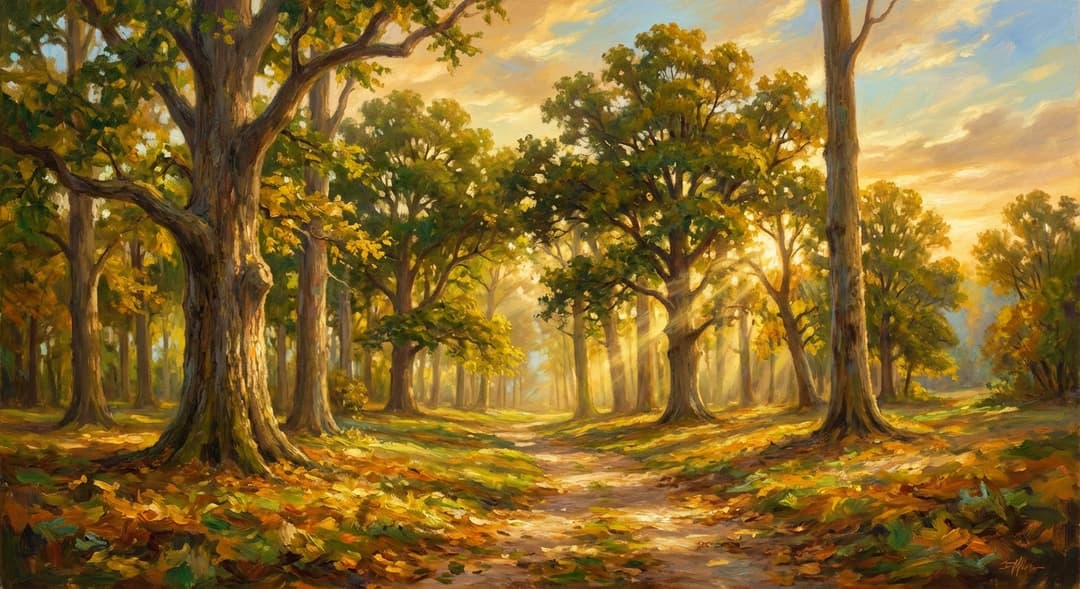
The Sacred Grove offers a serene and reflective experience for visitors. The interconnecting dirt trails wind through the peaceful woodland, inviting quiet contemplation and a connection to nature. Benches are placed throughout the grove, providing opportunities for rest and meditation. The atmosphere is one of reverence and tranquility, allowing visitors to ponder the significance of the First Vision.
Highlights
- Walking the serene trails through the wooded grove.
- Reflecting on the significance of the First Vision.
- Visiting the Welcome Center and replica Smith homes.
Things to Know
- The trails are dirt and may be uneven in places.
- Off-road wheelchairs are available at the Welcome Center.
- The grove is open year-round, but conditions may vary with the seasons.
Location
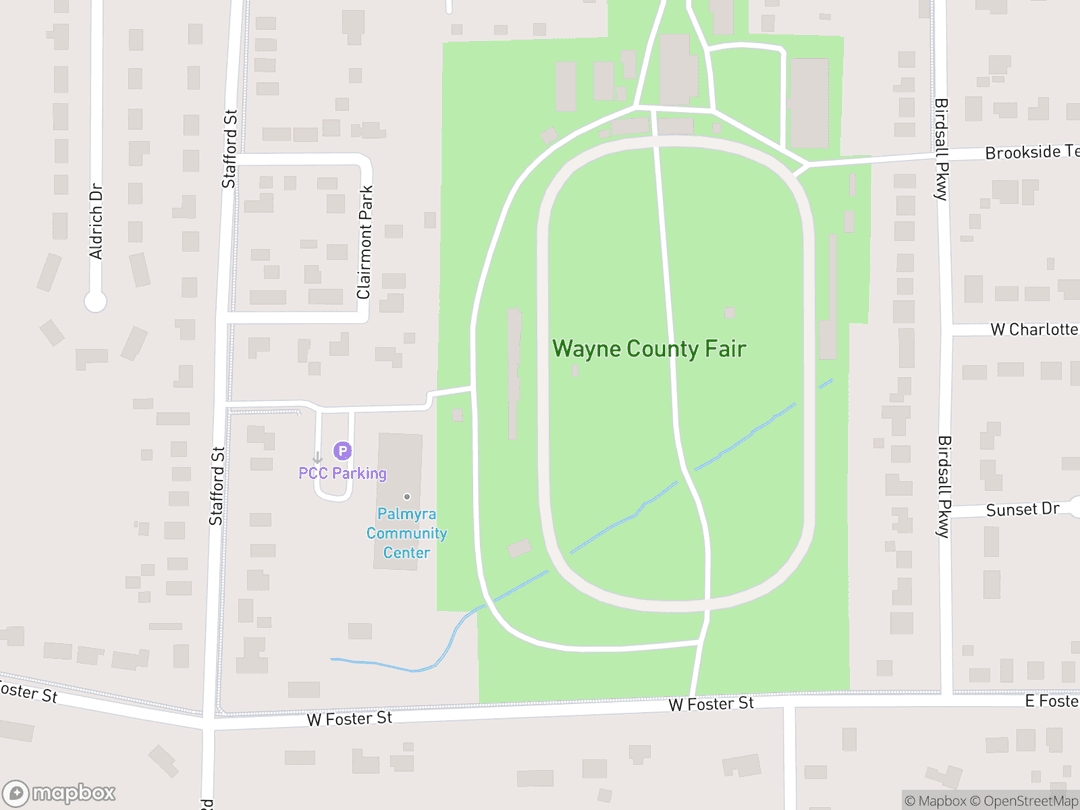
843 Stafford Road, Palmyra, New York 14522, USA
Hours: Open daily from 9:00 AM to 5:00 PM
Getting There: Located at 843 Stafford Road, Palmyra, New York. Parking is available at the Welcome Center.
Get DirectionsTips for Your Visit
Wear comfortable shoes
The trails are dirt and may be uneven, so comfortable shoes are recommended.
Bring water
Especially during warmer months, it's a good idea to bring water to stay hydrated.
Allow ample time
Plan to spend at least an hour or two to fully experience the Sacred Grove.
About
The Sacred Grove is a wooded area located near Palmyra, New York, where Joseph Smith Jr., the founder of the Latter Day Saint movement, stated that he experienced his First Vision in the spring of 1820. This event is considered a foundational moment in the history of The Church of Jesus Christ of Latter-day Saints, marking the beginning of the Restoration of the gospel.
For members of The Church of Jesus Christ of Latter-day Saints, the Sacred Grove holds unique importance as the place where God the Father and His Son, Jesus Christ, appeared to Joseph Smith in response to his prayer for guidance. This theophany is understood to have initiated the restoration of Christ's Church upon the earth.
The Sacred Grove is located on what was once the Smith family farm, near the towns of Palmyra and Manchester, New York. When the Smith family moved to the 100-acre property in 1818, much of the land was forested. By 1820, the family had cleared approximately 30 acres for farming, leaving significant woodlands on the eastern and western sides of the property. The exact location of the First Vision within the grove is not definitively known. Today, The Church of Jesus Christ of Latter-day Saints owns and maintains the Sacred Grove as a historic site, open to the public.
Gallery
Symbolic Elements
The temple's exterior features intricate carvings, each rich with spiritual meaning:

Witness Trees
These are the few trees believed to have been present in the Sacred Grove during Joseph Smith's First Vision in 1820. They serve as silent witnesses to this pivotal event, connecting modern visitors to the grove's sacred history. Their presence evokes a sense of continuity and reverence for the past.

Tranquil Pathways
The winding dirt paths that meander through the Sacred Grove invite visitors to slow down, reflect, and connect with nature. These pathways symbolize the journey of faith and the search for spiritual understanding. Walking these paths allows for personal contemplation and a deeper appreciation of the grove's peaceful atmosphere.

Sunlight Through Trees
The sunlight filtering through the canopy of trees in the Sacred Grove represents divine light and guidance. This natural illumination creates a sense of hope and inspiration, reminding visitors of the presence of God in their lives. The dappled light symbolizes the clarity and understanding that can be found through prayer and reflection.

Forest Floor
The forest floor, covered in leaves and natural elements, symbolizes the grounding and nurturing aspects of faith. It represents the connection to the earth and the importance of humility and simplicity. The natural cycle of growth and decay reminds visitors of the eternal nature of life and the ongoing process of spiritual development.

Benches for Reflection
Scattered throughout the Sacred Grove are simple wooden benches, inviting visitors to pause, sit, and reflect on their spiritual journey. These benches symbolize the importance of taking time for introspection and prayer. They provide a space for quiet contemplation and a deeper connection with the divine.

The Canopy
The overarching canopy of trees in the Sacred Grove creates a sense of enclosure and protection. It symbolizes the sheltering presence of God and the safety found in faith. The canopy also represents the interconnectedness of all things, reminding visitors of the importance of community and support in their spiritual lives.

The Silence
The quiet stillness of the Sacred Grove offers a respite from the noise and distractions of the world. This silence symbolizes the peace and clarity that can be found through meditation and prayer. It allows visitors to listen to the still, small voice of the Spirit and to receive personal revelation.

Maple Trees
Maple trees were used by the Smith family to harvest maple syrup. The maple trees represent the hard work and resourcefulness of the Smith family. They also symbolize the sweetness of the gospel and the blessings that come from following God's commandments.
Interesting Facts
The Sacred Grove is considered the location of the First Vision, a foundational event in the Latter Day Saint movement.
The Church of Jesus Christ of Latter-day Saints owns and maintains the Sacred Grove as a historic site.
The grove consists of a series of interconnecting dirt trails for visitors to walk through.
Only a few trees are believed to have been present in 1820. These trees are referred to as the 'Witness Trees'.
The Sacred Grove is part of the Smith Family Farm, which includes a welcome center and replica homes.
Visitors can explore the grove on their own and spend as long as they like in the area.
The Smith family used the trees in the grove to harvest maple syrup.
The Sacred Grove is viewed as a sacred site by Latter-day Saints.
The site is open to the public year-round.
Missionaries are available to provide tours and answer questions.
Common Questions
What is the significance of the Sacred Grove?
The Sacred Grove is considered the location where Joseph Smith Jr. experienced his First Vision in 1820, a foundational event in the history of The Church of Jesus Christ of Latter-day Saints. It is viewed as the beginning of the Restoration of the gospel.
Where is the Sacred Grove located?
The Sacred Grove is located near Palmyra, New York, on what was once the Smith family farm. The address is 843 Stafford Road, Palmyra, New York 14522, USA.
Who maintains the Sacred Grove?
The Church of Jesus Christ of Latter-day Saints owns and maintains the Sacred Grove as a historic site, open to the public.
What can visitors do at the Sacred Grove?
Visitors can walk the serene trails through the wooded grove, reflect on the significance of the First Vision, visit the Welcome Center, and tour replica Smith homes. Benches are available for quiet contemplation.
Is the Sacred Grove accessible to people with disabilities?
Yes, improvements have been made to enhance accessibility for visitors with disabilities, including improved trails and off-road wheelchairs available at the Welcome Center.
Are there any specific trees that are considered special?
Yes, only a few trees are believed to have been present in 1820. These trees are referred to as the 'Witness Trees'.
Related Stories
Explore the rich history, traditions, and people connected to this sacred site.
Featured Stories
Joseph Smith's First Vision
Spring 1820
In the spring of 1820, a young Joseph Smith sought divine guidance in a grove of trees near his home in Palmyra, New York. Troubled by the religious fervor of the time and unsure which church to join, he turned to the Bible for answers. Inspired by James 1:5, 'If any of you lack wisdom, let him ask of God,' Joseph ventured into the woods to pray.
As he knelt in prayer, Joseph was overcome by a powerful force that seemed to bind his tongue. In the midst of this struggle, he beheld a pillar of light above his head, brighter than the sun. As the light descended, he saw two personages standing above him in the air, one of whom spoke, pointing to the other and saying, 'This is My Beloved Son. Hear Him!'
This divine manifestation, known as the First Vision, is a foundational event in the history of The Church of Jesus Christ of Latter-day Saints. It marked the beginning of Joseph Smith's prophetic ministry and the restoration of the gospel of Jesus Christ to the earth. The Sacred Grove stands as a testament to this pivotal moment, inviting visitors to reflect on the power of prayer and the reality of divine revelation.
Source: Joseph Smith—History 1:5-20
The Smith Family's Connection to the Land
1818–1830
The Smith family's move to Palmyra, New York, in 1818 marked a new chapter in their lives. They settled on a 100-acre farm, much of which was covered in forest. The family worked diligently to clear the land, build a home, and cultivate crops. The Sacred Grove was an integral part of their daily lives, providing resources for sustenance and a place for quiet reflection.
The Smith family used the trees in the grove for various purposes, including harvesting maple syrup and firewood. They also found solace and inspiration in the beauty of the natural surroundings. The grove became a sanctuary for the family, a place where they could escape the challenges of pioneer life and connect with the divine.
The Smith family's deep connection to the land is evident in their efforts to preserve the Sacred Grove. Despite the need to clear land for farming, they carefully maintained the wooded area, recognizing its unique spiritual significance. Their stewardship of the grove reflects their reverence for nature and their belief in the importance of preserving sacred spaces.
Source: Lucy Mack Smith, Biographical Sketches of Joseph Smith the Prophet
The Sacred Grove as a Place of Pilgrimage
Present Day
Today, the Sacred Grove is a place of pilgrimage for members of The Church of Jesus Christ of Latter-day Saints and others seeking spiritual inspiration. Visitors from around the world come to walk the serene trails, reflect on the First Vision, and connect with the sacred history of the site. The grove offers a respite from the noise and distractions of modern life, inviting quiet contemplation and personal revelation.
The Church of Jesus Christ of Latter-day Saints has carefully preserved the Sacred Grove, ensuring that it remains a place of peace and reverence. The trails are well-maintained, and benches are provided for visitors to rest and reflect. Missionaries are available to answer questions and share the history of the site.
The Sacred Grove stands as a testament to the enduring power of faith and the importance of preserving sacred spaces. It is a place where visitors can connect with the divine, find solace in nature, and gain a deeper appreciation for the history of the Restoration. The grove continues to inspire and uplift those who seek spiritual guidance and understanding.
Source: Personal experiences of visitors to the Sacred Grove
Timeline
Smith Family Moves to Palmyra
The Smith family moves to a 100-acre farm near Palmyra, New York, much of which is forested.
MilestoneJoseph Smith's First Vision
Joseph Smith Jr. reports his First Vision in the Sacred Grove, where he sees God the Father and Jesus Christ.
MilestoneLand Clearing
The Smith family clears approximately 30 acres of the property for farming, while preserving the surrounding woodlands.
EventEmergence of 'Sacred Grove' Term
The term 'Sacred Grove' begins to be commonly used to refer to the wooded area on the Smith farm.
EventGeorge Albert Smith Visit
Apostle George Albert Smith visited the Sacred Grove and recorded his experience, increasing the site's prominence.
EventCentennial Celebration
The Church commemorates the centennial of the First Vision, further emphasizing the Sacred Grove's significance.
EventChurch Acquisition
The Church of Jesus Christ of Latter-day Saints begins acquiring land in the area, including portions of the Sacred Grove.
MilestoneBeautification Efforts
The Church undertakes efforts to beautify and preserve the Sacred Grove, planting trees and creating walking paths.
RenovationVisitor Center Construction
A visitor center is constructed near the Sacred Grove to accommodate the growing number of visitors.
RenovationSmith Family Farm Restoration
The Church undertakes a major restoration project of the Smith Family Farm, including the replica log home and frame home.
RenovationNew Welcome Center Dedication
A new welcome center is dedicated, providing enhanced facilities for visitors to the Sacred Grove and Smith Family Farm.
DedicationEnhanced Accessibility
Improvements are made to enhance accessibility for visitors with disabilities, including improved trails and off-road wheelchairs.
RenovationOngoing Preservation
The Church of Jesus Christ of Latter-day Saints continues to maintain and preserve the Sacred Grove as a historic site, open to the public.
EventJoseph F. Smith Visits
President Joseph F. Smith visited the Sacred Grove and offered a prayer dedicating the site.
EventExtensive Landscaping
Extensive landscaping and trail work was done to improve the visitor experience.
RenovationHistory by Decade
1810s
The Smith family, led by Joseph Smith Sr. and Lucy Mack Smith, migrated to western New York in search of economic opportunities and a place to settle their growing family. They initially resided in Palmyra before moving to a farm in nearby Manchester. This decade marked a period of transition and hardship for the family as they faced financial challenges and sought to establish themselves in a new community. The area was known for its religious fervor, with various denominations vying for converts during the Second Great Awakening.
1820s
I saw two Personages, whose brightness and glory defy all description, standing above me in the air.
In the spring of 1820, Joseph Smith Jr., then a young man, sought divine guidance in a grove of trees near his home. Troubled by the religious contentions of the time, he prayed to know which church to join. According to his account, he received a vision of God the Father and Jesus Christ, who instructed him not to join any of the existing churches. This event, known as the First Vision, is considered a foundational moment in the history of The Church of Jesus Christ of Latter-day Saints. The Smith family continued to work their farm, facing both successes and setbacks.
1830s
Following the organization of The Church of Jesus Christ of Latter-day Saints in 1830, Joseph Smith and his followers faced increasing opposition and persecution in New York. As a result, they made the decision to relocate to Ohio, establishing a new center of the Church in Kirtland. The Smith family's farm in Manchester was left behind as they embarked on a new chapter in their religious journey. The Sacred Grove, however, remained a significant landmark in the early history of the Church.
1840s–1890s
During this period, the Sacred Grove gradually faded from prominence as the Latter-day Saints focused on establishing communities in Ohio, Missouri, and ultimately Utah. The grove remained in private ownership, and its significance was primarily remembered through historical accounts and personal recollections. However, the memory of the First Vision and the grove's association with Joseph Smith's early spiritual experiences continued to resonate within the Church.
1900s–1940s
In the early 20th century, The Church of Jesus Christ of Latter-day Saints began to acquire land in the vicinity of the Smith family farm, including portions of the Sacred Grove. This marked a renewed interest in preserving the historical sites associated with the Church's origins. Efforts were made to beautify and maintain the grove, transforming it into a place of pilgrimage and reflection.
1950s–Present
The Sacred Grove has become a major attraction for members of The Church of Jesus Christ of Latter-day Saints and others interested in the history of the Restoration. The Church has constructed a visitor center near the grove, providing information and resources for those who wish to learn more about Joseph Smith's First Vision. The grove itself has been carefully preserved, with walking paths and benches inviting visitors to contemplate the significance of this sacred space. The Sacred Grove stands as a testament to the enduring power of faith and the importance of preserving historical landmarks.
Architecture & Facilities
Natural Woodland Setting rather than a man-made structure, the Sacred Grove is a ten-acre stand of mixed hardwood forest featuring mature sugar maples, American beeches, and red oaks, preserved in its natural state as a contemplative and historically significant landscape.
Building Materials
Native Trees
The Sacred Grove is primarily composed of native trees, including maple, oak, and beech, which create a natural and serene environment. These trees provide shade, shelter, and a sense of connection to the earth.
Dirt Trails
The trails throughout the grove are made of natural dirt, providing a rustic and authentic experience for visitors. These trails wind through the trees, inviting quiet contemplation and reflection.
Interior Features
Open Spaces
The Sacred Grove features open spaces and clearings that allow for natural light to filter through the trees. These spaces provide opportunities for visitors to gather, meditate, and connect with the surrounding environment.
Quiet Benches
Scattered throughout the grove are simple wooden benches, inviting visitors to pause, sit, and reflect on their spiritual journey. These benches provide a space for quiet contemplation and a deeper connection with the divine.
Temple Grounds
The Sacred Grove is characterized by its natural woodland setting, with a variety of trees, plants, and wildlife. The grounds are carefully maintained to preserve the grove's beauty and serenity. Walking paths wind through the trees, inviting visitors to explore and connect with nature.
Religious Significance
The Sacred Grove holds profound religious significance for members of The Church of Jesus Christ of Latter-day Saints as the site where Joseph Smith Jr. experienced his First Vision. This event is considered the beginning of the Restoration of the gospel of Jesus Christ to the earth.
The purpose of the Sacred Grove is to provide a place for spiritual reflection, prayer, and connection with the divine. It serves as a reminder of the importance of seeking truth and guidance from God.
Sacred Ordinances
Prayer
Prayer is a central practice in The Church of Jesus Christ of Latter-day Saints, and the Sacred Grove is considered a particularly sacred place to offer prayers to God. Visitors often come to the grove to pray for guidance, comfort, and inspiration.
Reflection
The Sacred Grove provides a peaceful and serene environment for reflection on spiritual matters. Visitors often come to the grove to contemplate the teachings of Jesus Christ, the history of the Restoration, and their own personal relationship with God.
The First Vision
The First Vision is the foundational event that gives the Sacred Grove its religious significance. It is the event in which Joseph Smith Jr. saw God the Father and Jesus Christ and received instructions not to join any of the existing churches. This vision marked the beginning of Joseph Smith's prophetic ministry and the restoration of the gospel of Jesus Christ to the earth.
Similar Temples
Sources & Research
Every fact on Temples.org is backed by verified Sources & Research. Each piece of information is rated by source tier and confidence level.
View All Sources (2)
| Field | Source | Tier | Retrieved |
|---|---|---|---|
| Historical Timeline | The Church of Jesus Christ of Latter-day Saints (opens in a new tab) | A | 2024-01-02 |
| Historical Context | The Church of Jesus Christ of Latter-day Saints (opens in a new tab) | A | 2024-01-02 |