1. The First Endowment Film Was Created for the Swiss Temple
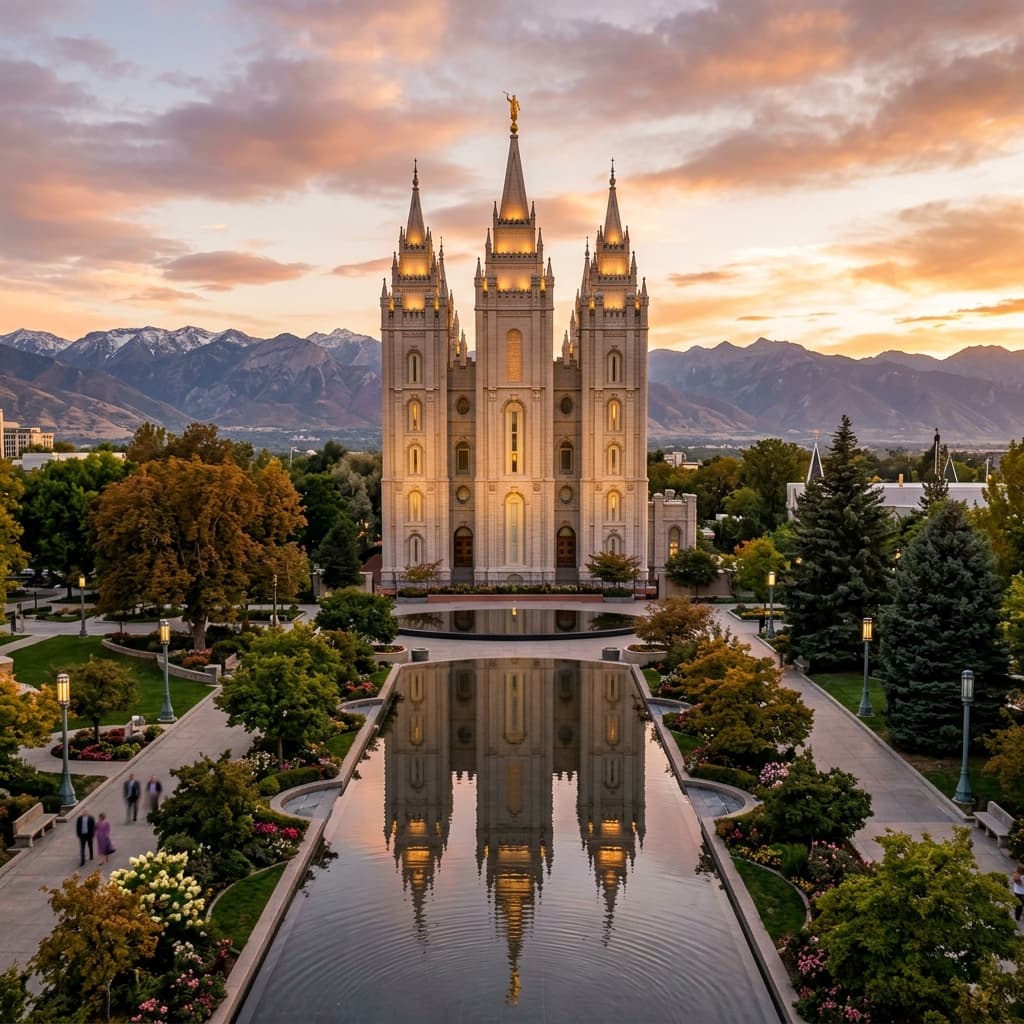
When the Bern Switzerland Temple (opens in a new tab) was built in 1955, the Church faced a problem: it had to serve members speaking many different languages. Gordon B. Hinckley was tasked with finding a solution, which led to the creation of the first filmed endowment presentation, filmed in the upper room of the Salt Lake Temple (opens in a new tab) and personally delivered to Switzerland on reels.
2. The St. George Temple Was Pounded into a Swamp with a Cannon
The site chosen for the St. George Utah Temple (opens in a new tab) was boggy and unstable. To create a solid foundation, pioneers repurposed a cannon that had been dragged across the plains. They filled it with lead, hoisted it with a pulley system, and used it as a massive pile driver to pound volcanic rock deep into the mud until it created a stable base.
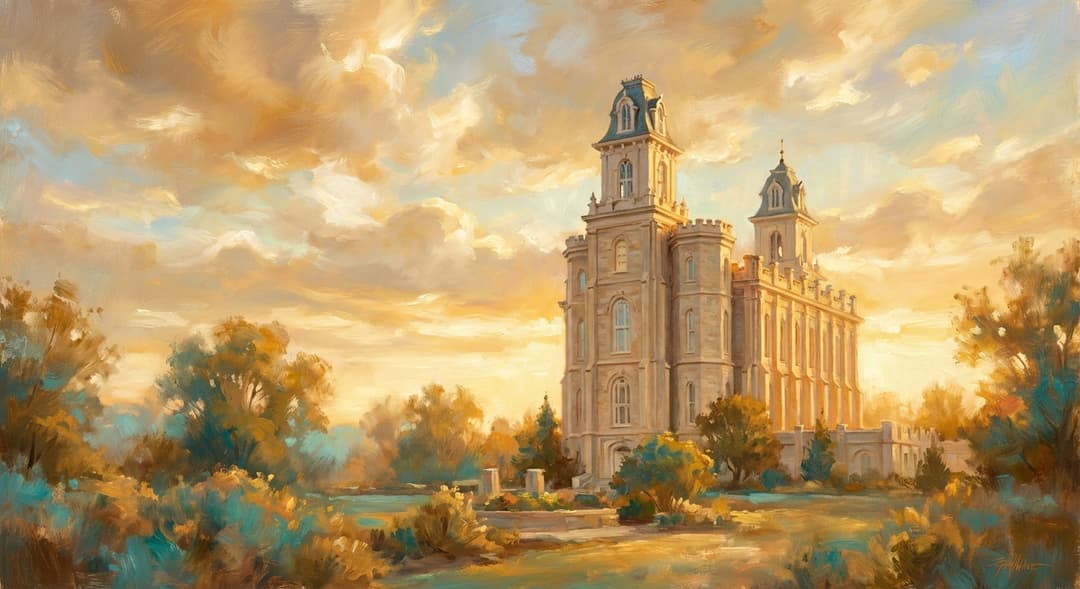
3. Manti Temple's Self-Supporting Spiral Staircases
The Manti Utah Temple (opens in a new tab) features two breathtaking spiral staircases built by pioneer craftsmen in the 1880s. What makes them an architectural marvel is that they have no central support pillar. The massive walnut staircases wind upwards for five stories, relying entirely on the complex interlocking joints and the outer wall for support.
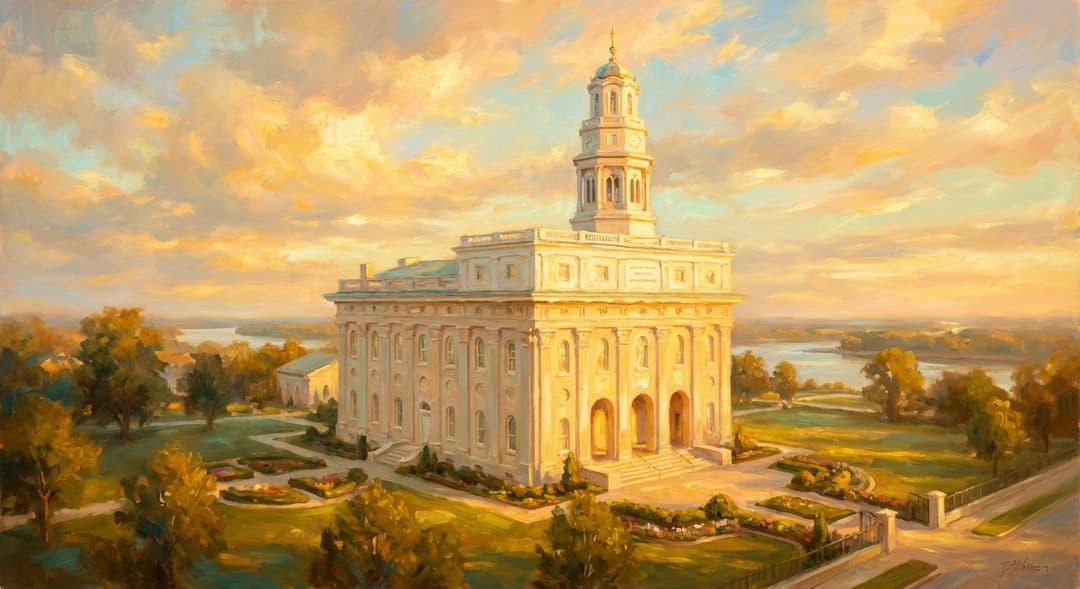
4. The First Angel Moroni Flew Horizontally
The iconic upright, trumpet-blowing Angel Moroni statue we recognize today wasn't the first of its kind. The original Nauvoo Temple (opens in a new tab) in the 1840s featured a weathervane instead of a statue. It depicted an angel flying horizontally, holding an open book in one hand and a trumpet in the other, dressed in a robe and cap.
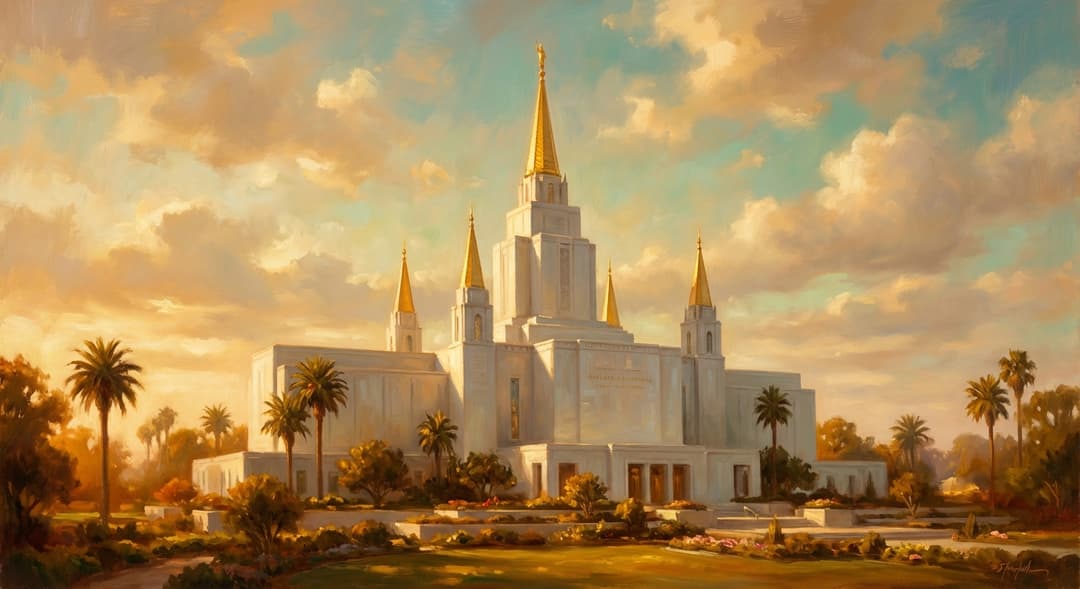
5. The Oakland Temple Serves as a Navigational Beacon
The Oakland California Temple (opens in a new tab) is officially recognized by the FAA as a visual navigation landmark for pilots. Because of its prominent location in the Oakland Hills and brilliant nighttime illumination, ship captains have also historically used the temple as a visual reference point for navigating into the San Francisco Bay.
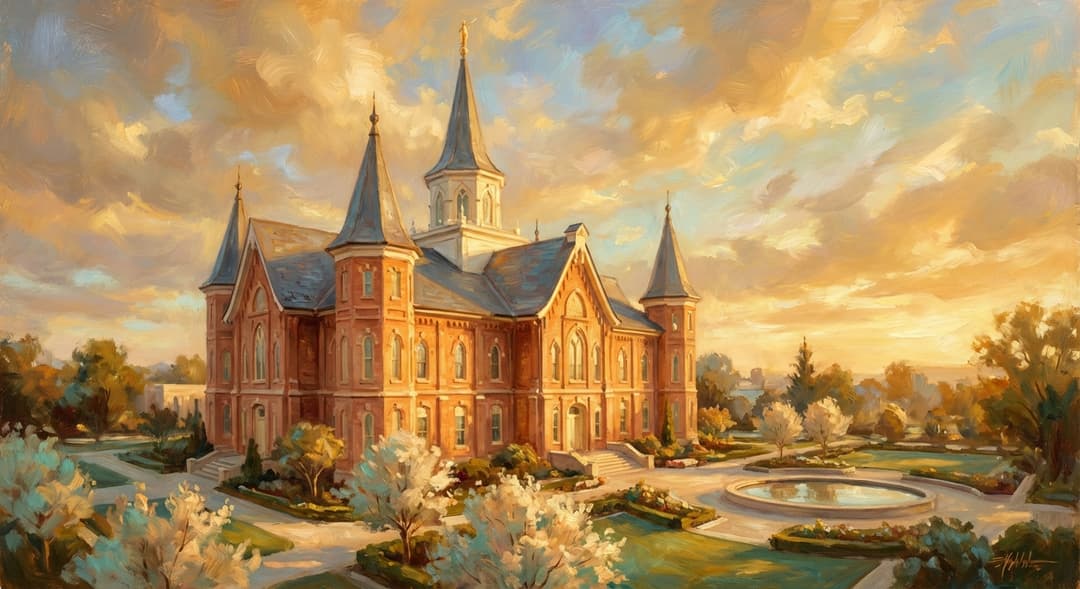
6. The Provo City Center Temple Was Built on Stilts
After the historic Provo Tabernacle tragically burned down, the Church salvaged the 6.8-million-pound exterior brick shell to create a new temple. To dig a two-story basement underneath it, engineers drilled 150 steel micropiles into the ground, suspending the entire brick facade in the air on steel "stilts" while excavators worked beneath the future Provo City Center Temple (opens in a new tab).
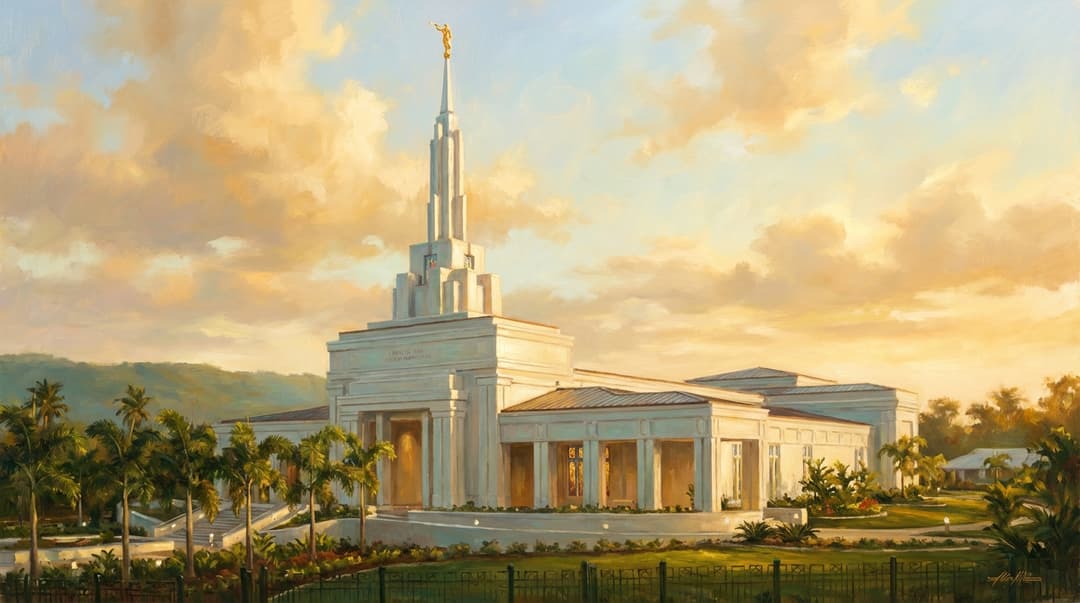
7. The Apia Samoa Temple Burned to the Ground
While several older temples have experienced fires, the Apia Samoa Temple (opens in a new tab) is unique in modern history. In 2003, while closed for renovation, it caught fire and was completely destroyed in front of a devastated community. Miraculously, the Angel Moroni statue survived intact. The Church immediately rebuilt it on the exact same footprint, and it was rededicated just two years later.
8. The Original Nauvoo Temple Font Was Carved from Wood
While modern temple baptismal fonts are typically cast in bronze or stone, the original font in the Nauvoo Temple (opens in a new tab) was carved entirely out of white pine wood. The large oval font and the twelve oxen supporting it were built out of tongue-and-groove wooden staves as a temporary measure so baptisms could begin immediately.
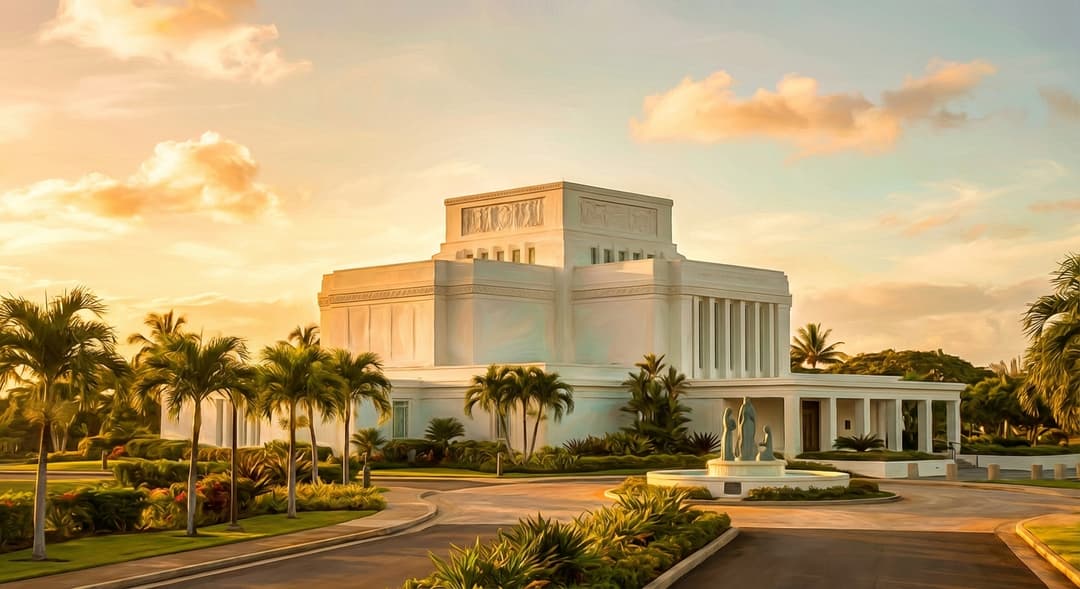
9. The Laie Hawaii Temple Was Built from Crushed Coral
Building the Laie Hawaii Temple (opens in a new tab) in 1919 presented massive logistical challenges, as traditional building materials like brick and high-quality stone were unavailable. Instead, the builders used what the island provided: they crushed local coral and lava rock and mixed it with cement to create the reinforced concrete used to construct the entire building.
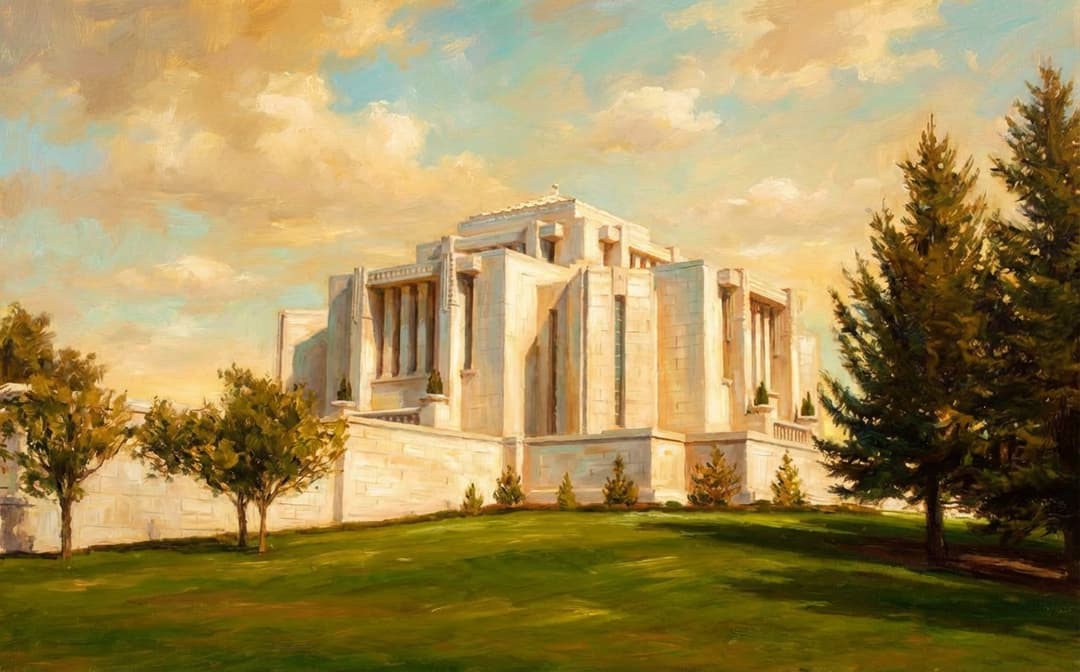
10. Cardston Alberta's Frank Lloyd Wright Connection
The Cardston Alberta Temple (opens in a new tab) is entirely devoid of spires, looking more like an ancient Mesoamerican monument. This is because its architects, Hyrum Pope and Harold Burton, were heavily influenced by the Prairie School of architecture pioneered by Frank Lloyd Wright. It was a radical departure from the Victorian Gothic style that had dominated temple architecture up to that point.
Related Temples
Sources & Research
Every fact on Temples.org is backed by verified Sources & Research. Each piece of information is rated by source tier and confidence level.
View All Sources (4)
| Field | Source | Tier | Retrieved |
|---|---|---|---|
| Salt Lake Temple Architecture and History | The Church of Jesus Christ of Latter-day Saints (opens in a new tab) | A | 2026-05-14 |
| Angel Moroni Statues on Temples | The Church of Jesus Christ of Latter-day Saints (opens in a new tab) | A | 2026-05-14 |
| Cardston Alberta Temple History | The Church of Jesus Christ of Latter-day Saints (opens in a new tab) | A | 2026-05-14 |
| Colonia Juárez Chihuahua Mexico Temple | The Church of Jesus Christ of Latter-day Saints (opens in a new tab) | A | 2026-05-14 |