Stupa / Pagoda
A dome-shaped or tiered tower structure originally built to house sacred relics of the Buddha. They are central objects of veneration, often circumambulated by practitioners.
Buddhist temples and monasteries are centers of meditation, teaching, and community gathering, housing sacred relics and images of the Buddha.
Buddhist temples, known by many names across Asia — wat in Thailand, tera in Japan, dagoba in Sri Lanka — serve as spiritual centers where practitioners study the Dharma, practice meditation, and pay homage to the Buddha. These sacred spaces range from the ancient cave temples of Ajanta to the towering pagodas of Myanmar, each reflecting the unique cultural traditions of their region while maintaining core Buddhist principles of compassion, wisdom, and liberation from suffering. Many Buddhist temples house precious relics, ancient manuscripts, and iconic statues that have been venerated for centuries, making them both living religious sites and repositories of humanity's cultural heritage.
While styles vary wildly from India to Japan, core elements represent the path to awakening.
A dome-shaped or tiered tower structure originally built to house sacred relics of the Buddha. They are central objects of veneration, often circumambulated by practitioners.
The living quarters for monks and nuns (the Sangha). Historically, these began as temporary rain-retreat shelters and evolved into grand educational and spiritual complexes.
A shrine or prayer hall with a stupa at one end. Originally carved into rock faces in ancient India, these spaces are designed for communal chanting and meditation.
A sacred fig tree (Ficus religiosa) planted on temple grounds, symbolizing the original tree in Bodh Gaya under which Siddhartha Gautama attained enlightenment.
The main hall housing the primary Buddha statue. It serves as the focal point for making offerings of light, incense, and flowers.
Buddhist temple architecture is heavily influenced by these three major traditions.
The 'School of the Elders,' prominent in Sri Lanka, Thailand, and Myanmar. Focuses on monastic discipline and individual enlightenment (becoming an arhat). Temples often feature striking bell-shaped stupas.
The 'Great Vehicle,' found in China, Japan, Korea, and Vietnam. Emphasizes the Bodhisattva ideal—attaining awakening to help all sentient beings. Architecture favors sweeping roofs and multi-tiered pagodas.
The 'Diamond Vehicle,' associated with Tibet, Bhutan, and parts of the Himalayas. Known for esoteric practices, colorful mandalas, and majestic dzong (fortress) architecture.
Temples are not just for worship; they are active spaces for cultivating the mind.
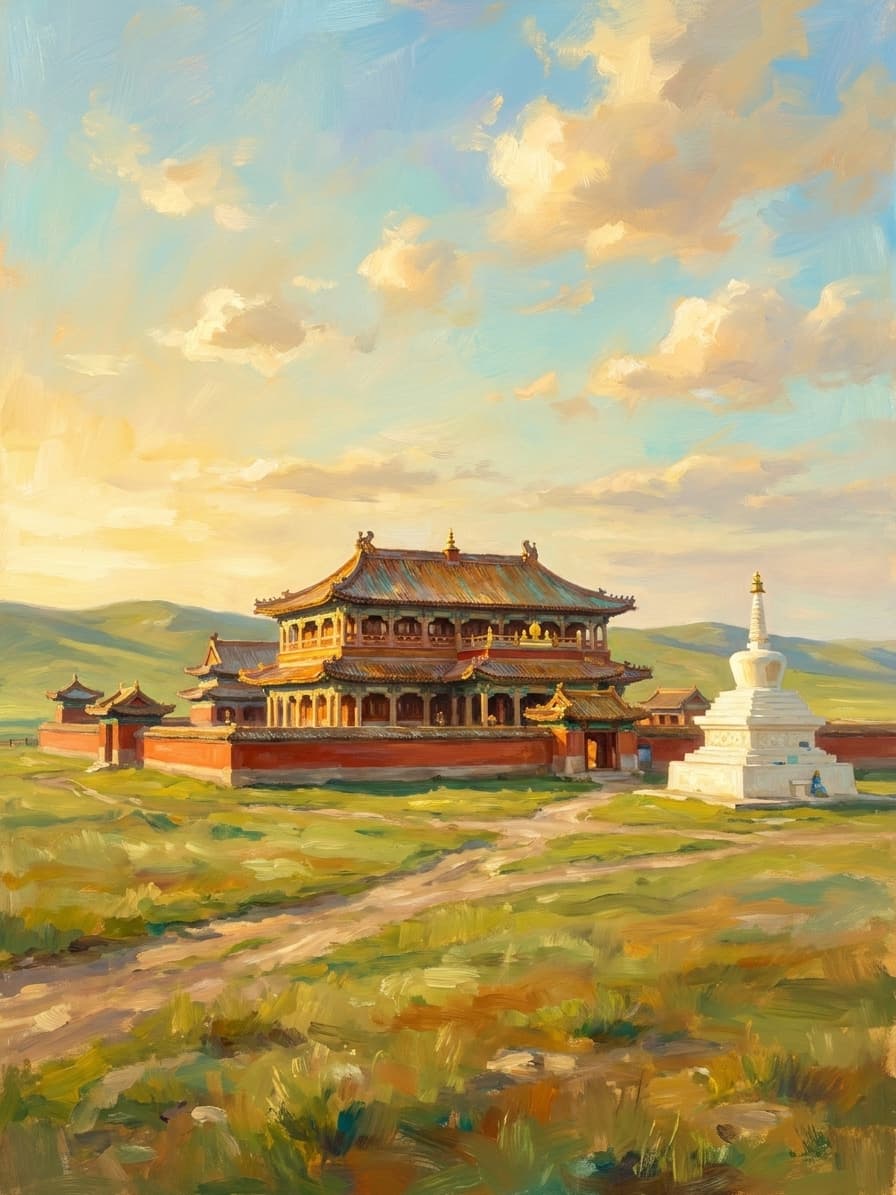
The Monastery of Tranquil Felicity, a grand imperial Sino-Tibetan sanctuary nestled in Northern Mongolia's sacred Iven Valley.
Explore →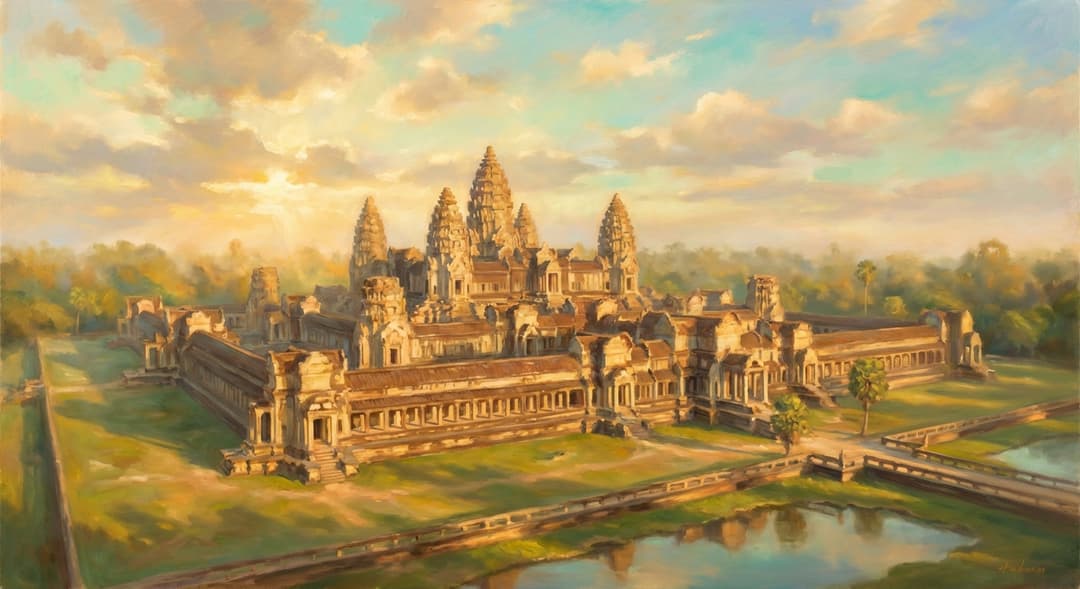
A magnificent temple complex in Cambodia, originally dedicated to Vishnu and later transformed into a Buddhist temple.
Explore →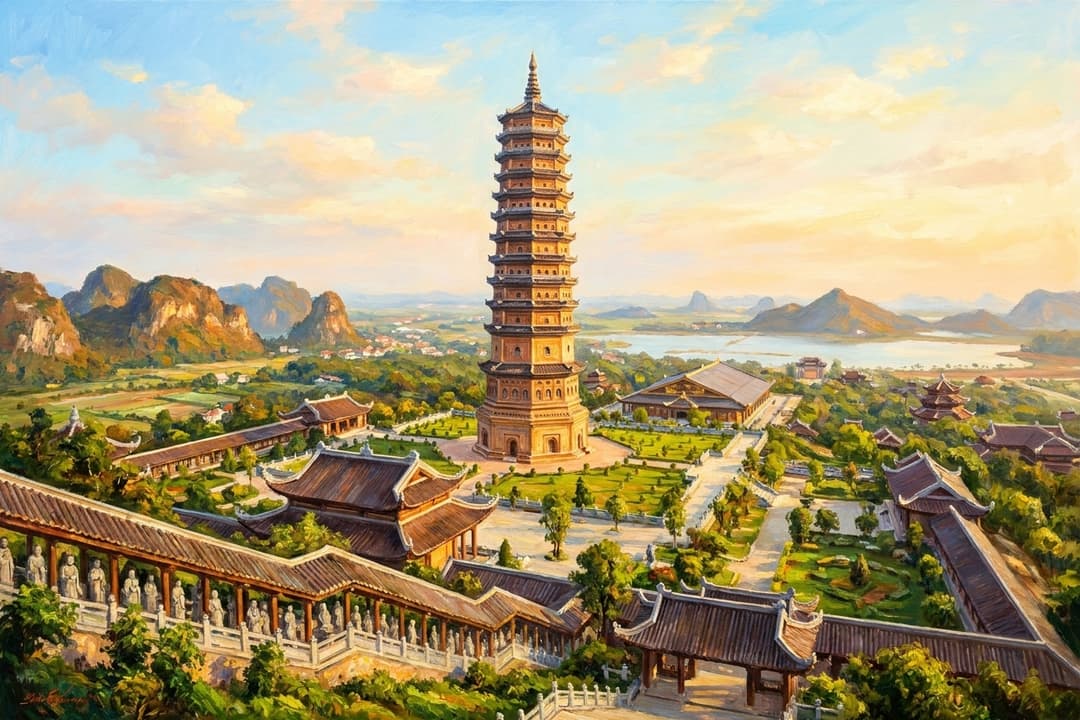
Vietnam's monumental Buddhist sanctuary synthesizing ancient cave veneration with majestic imperial architecture.
Explore →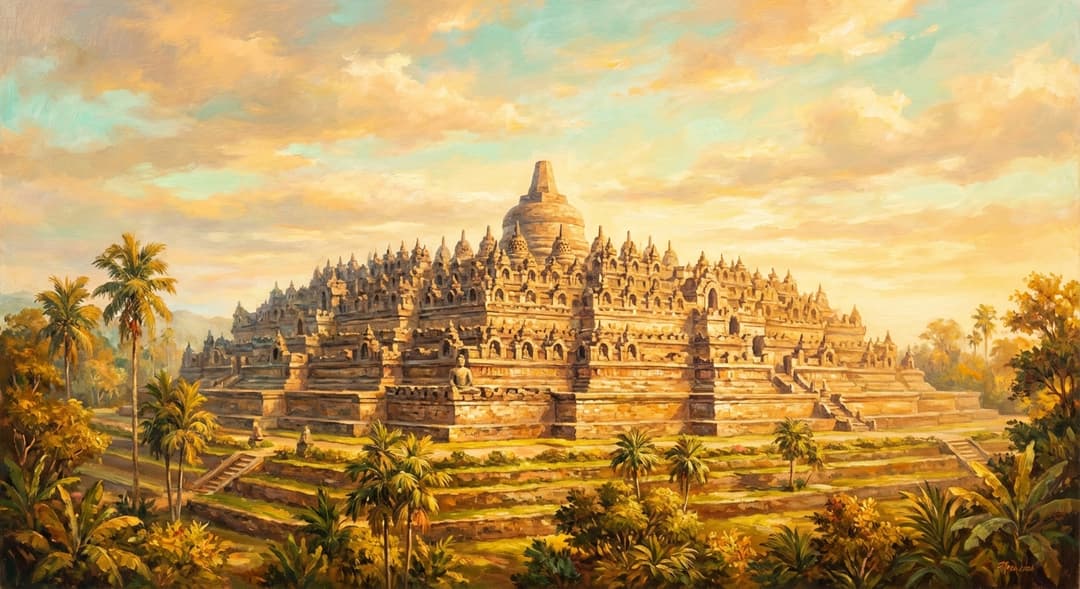
The world's largest Buddhist temple, a stunning monument to Mahayana Buddhist beliefs and Javanese artistry.
Explore →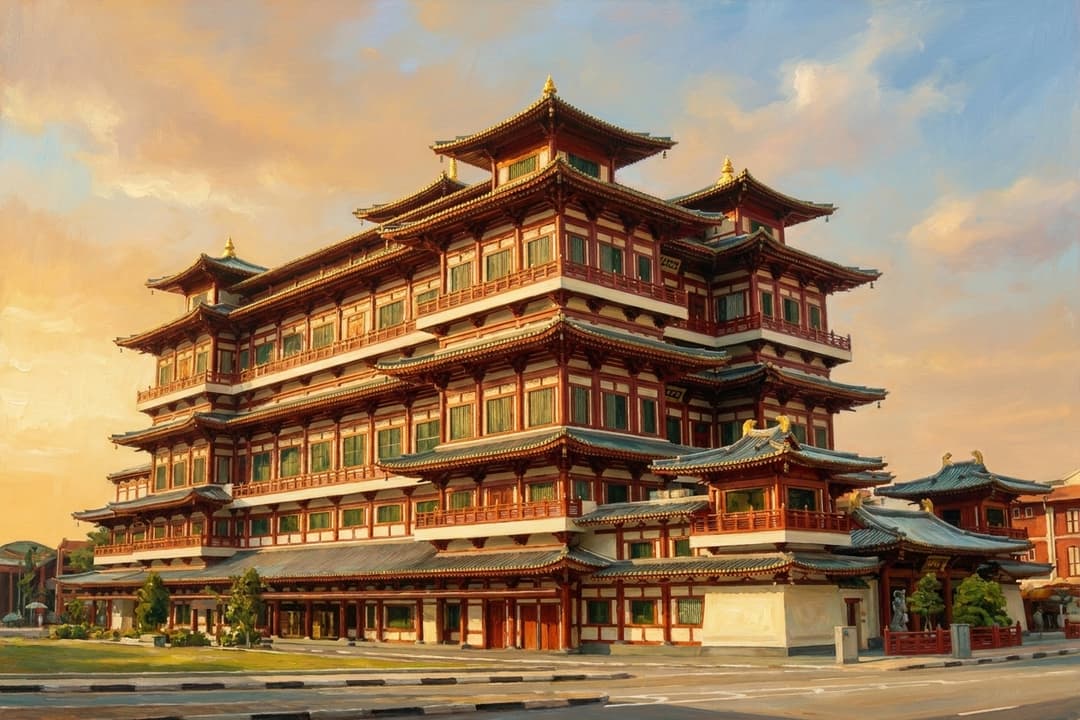
A sacred Tang Dynasty-style Mahayana sanctuary housing the revered tooth relic of Gautama Buddha in Singapore's Chinatown.
Explore →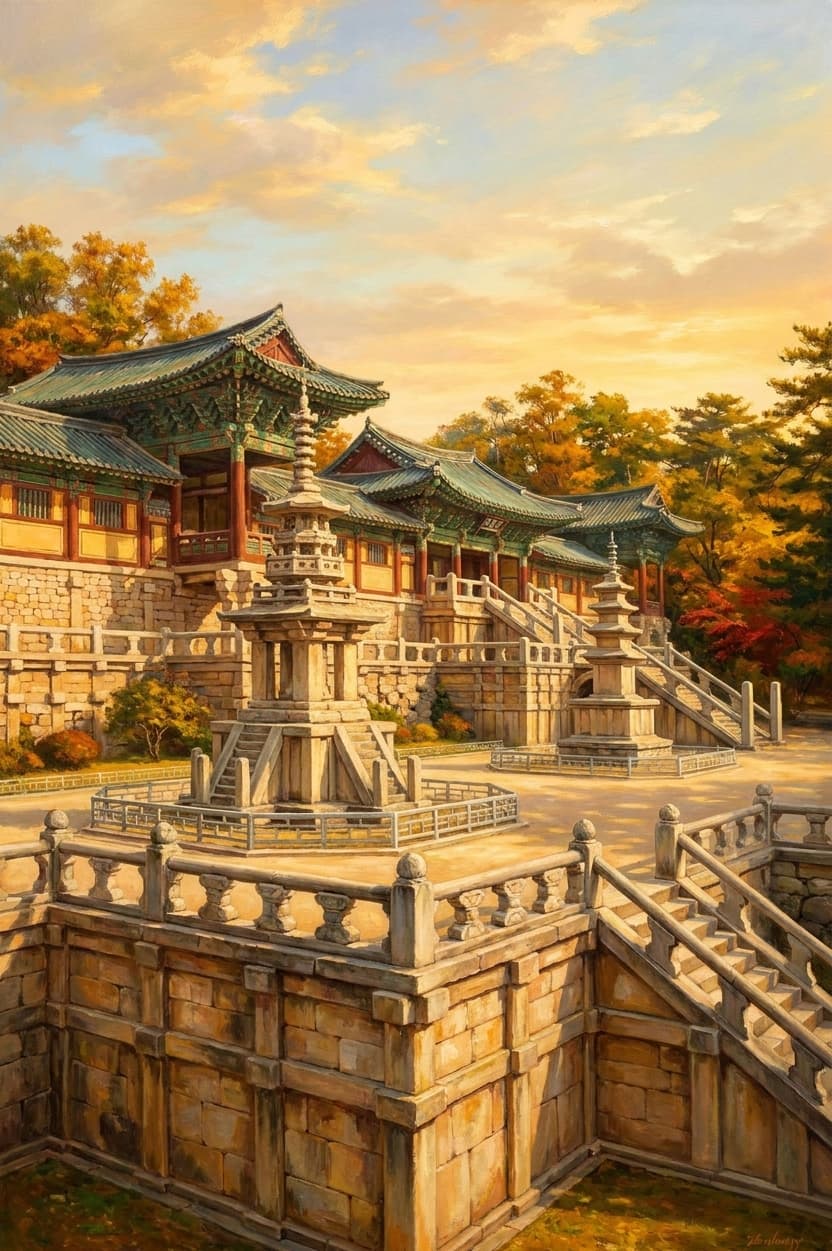
An architectural synthesis of the Buddhist Pure Land and Silla craftsmanship on Mount Toham.
Explore →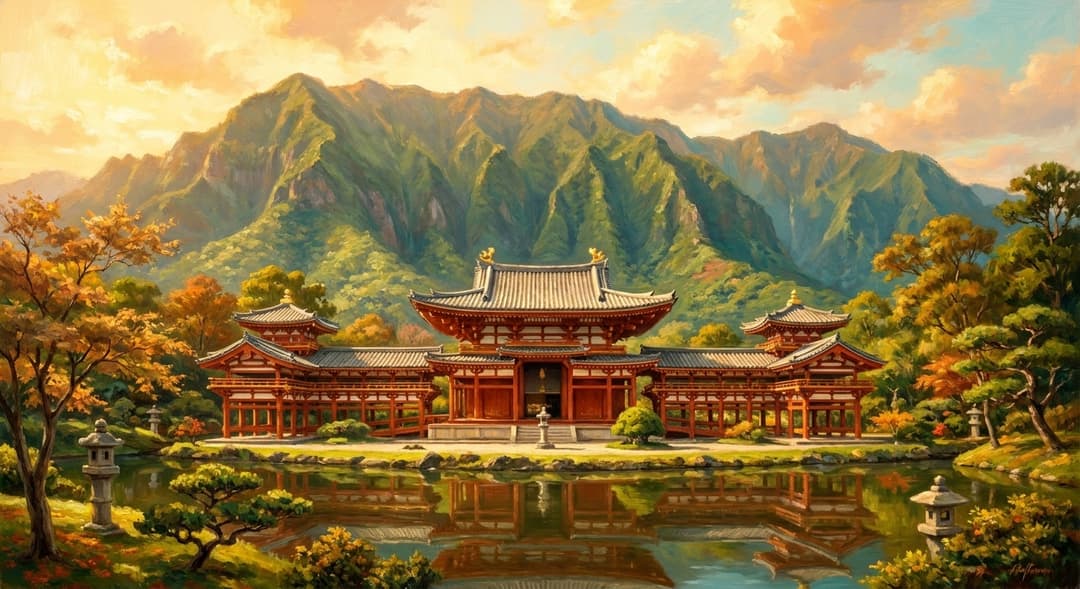
A serene non-denominational Pure Land style sanctuary nestled beneath Oʻahu's towering Koʻolau cliffs.
Explore →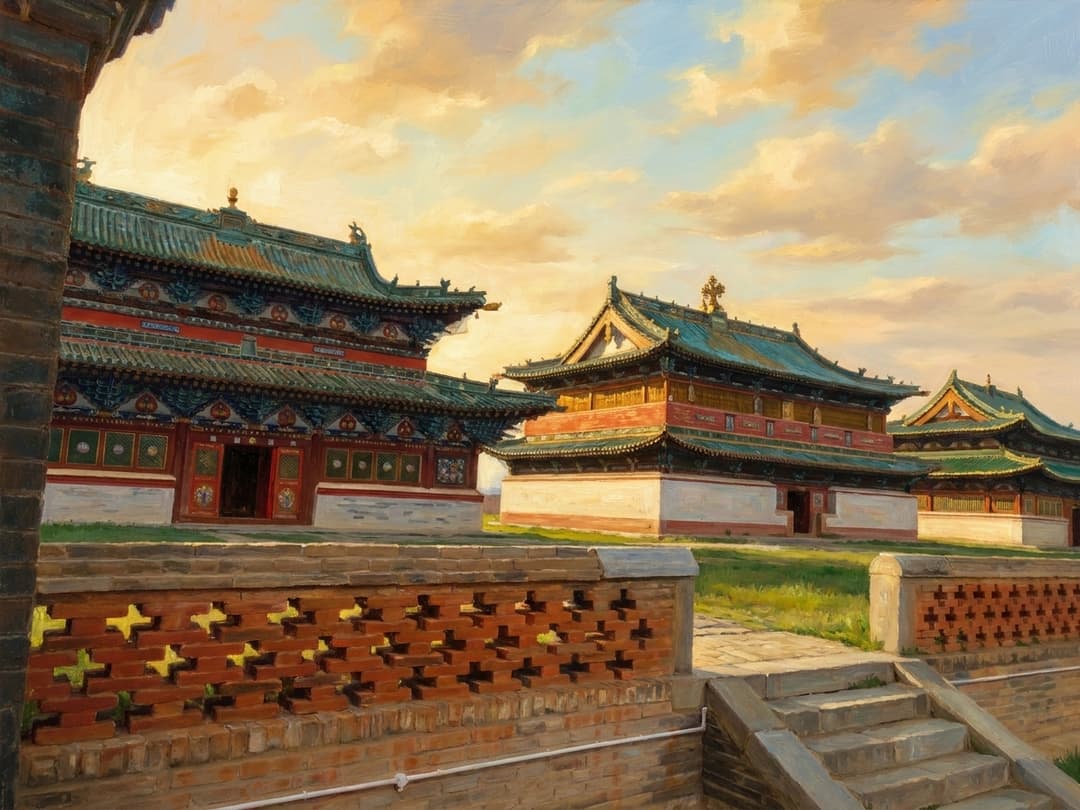
Mongolia's oldest surviving Buddhist monastery, constructed from the ancient ruins of Genghis Khan's capital.
Explore →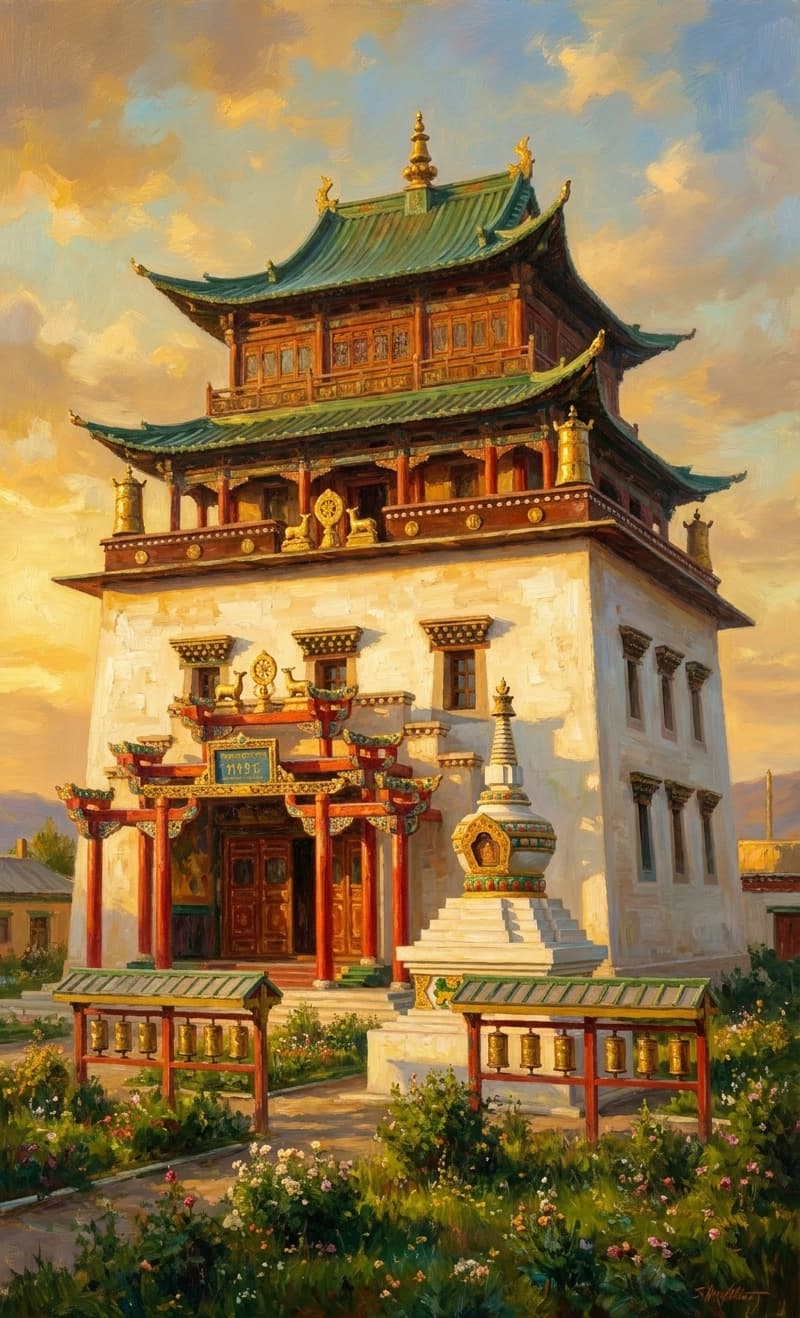
The Great Place of Complete Joy and national spiritual center of Mongolian Buddhism.
Explore →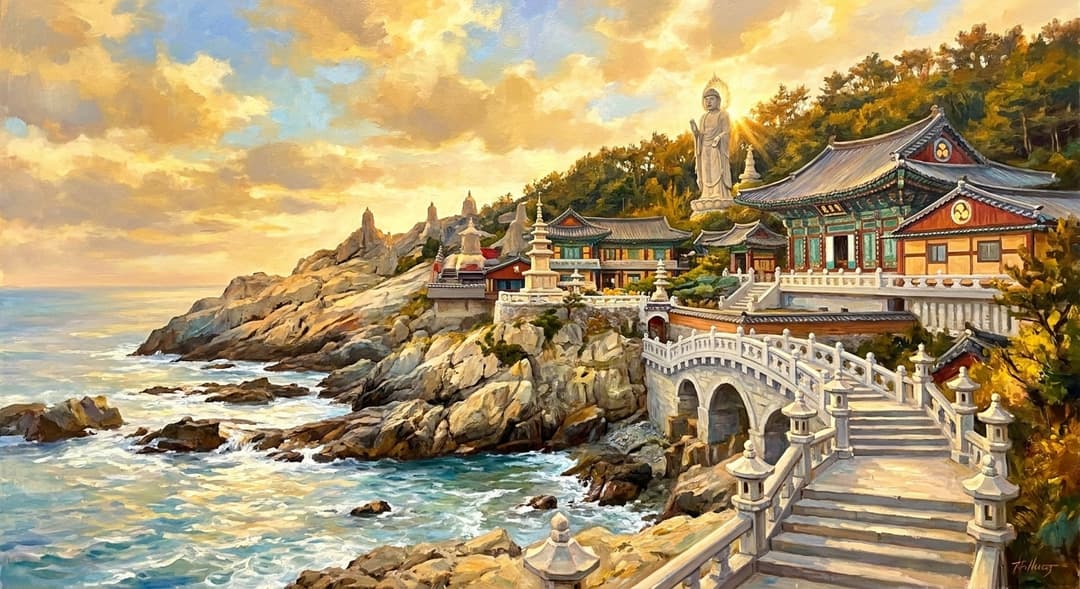
A rare and majestic Buddhist coastal sanctuary built on the cliffside rocks of Busan overlooking the East Sea.
Explore →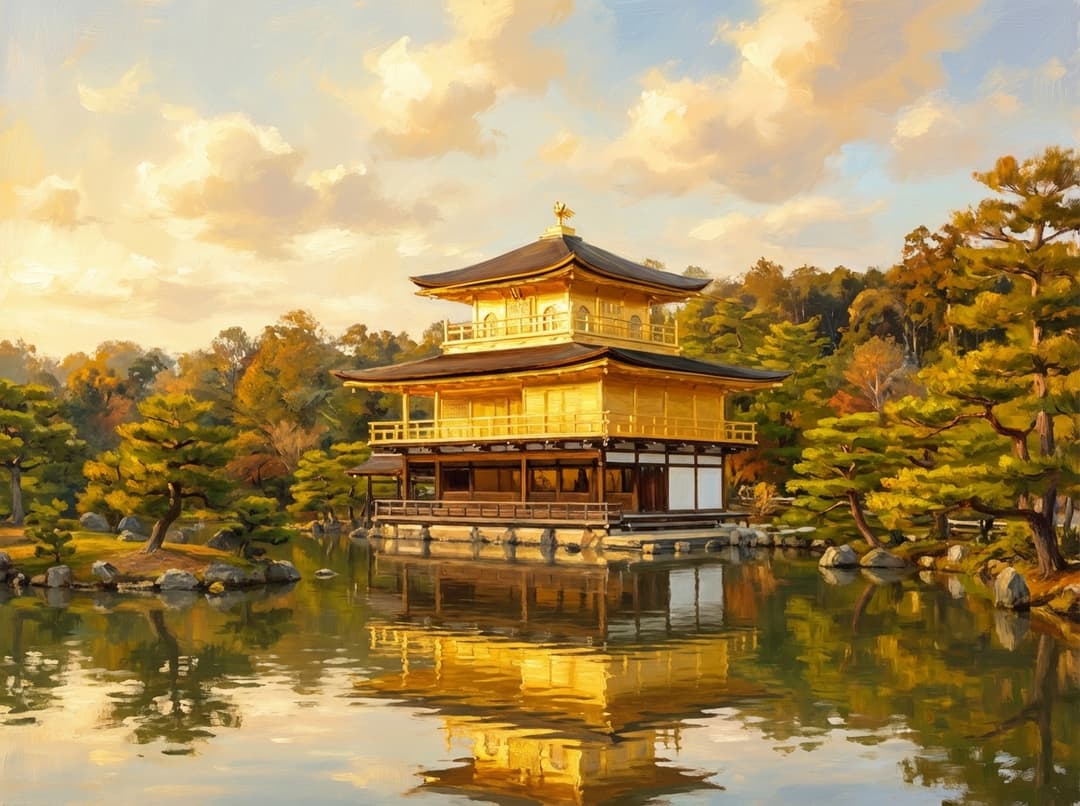
A stunning Zen Buddhist temple in Kyoto, Japan, renowned for its golden facade and serene gardens.
Explore →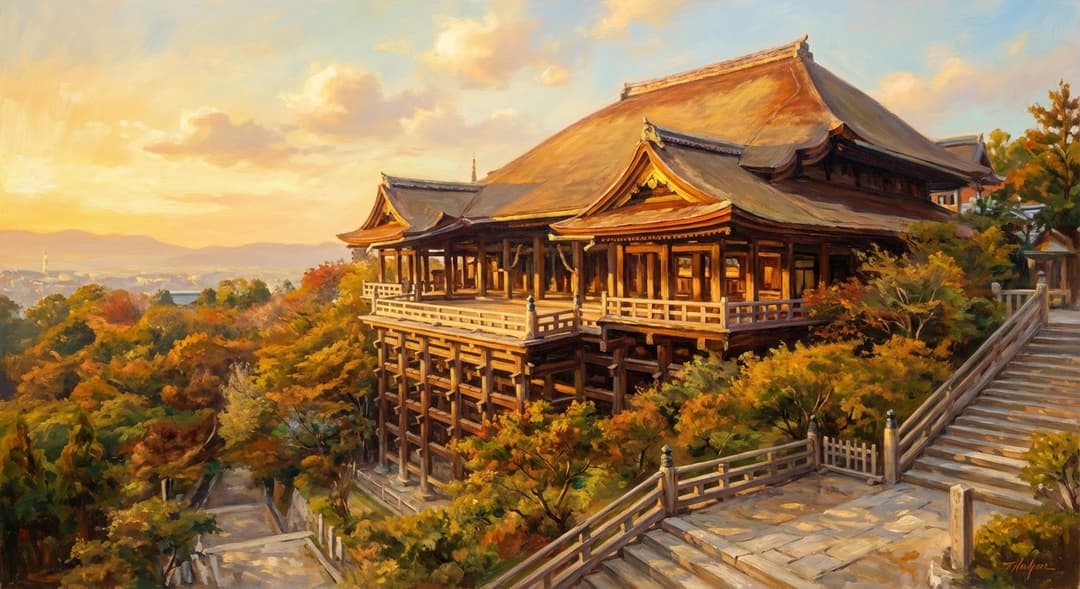
A serene Buddhist temple in Kyoto, known for its iconic wooden stage and pure waters.
Explore →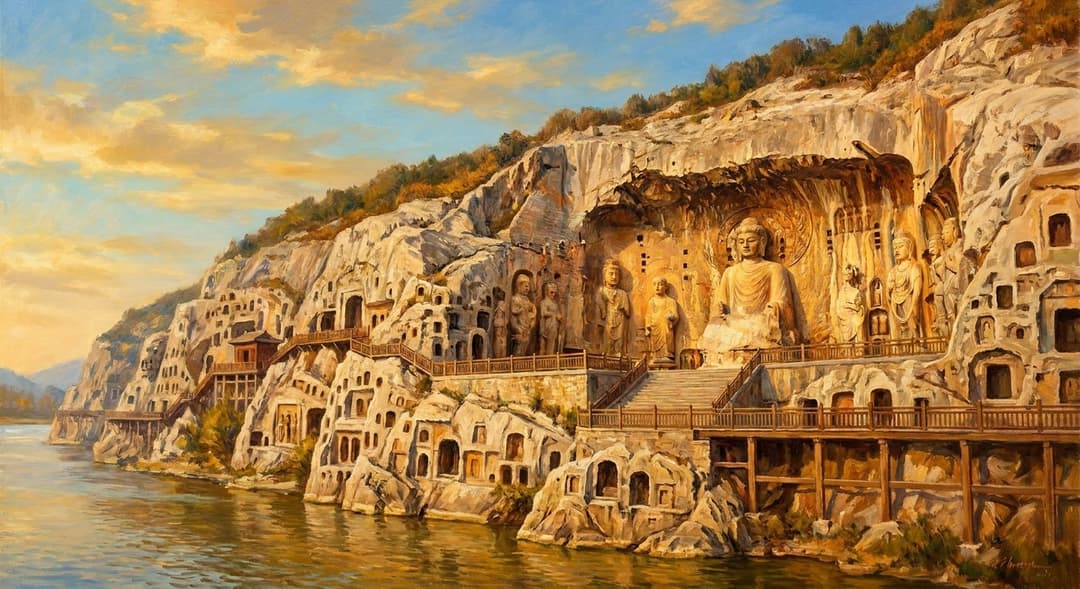
A monumental sanctuary of Mahayana Buddhist rock-cut art spanning imperial Chinese dynasties along the Yi River.
Explore →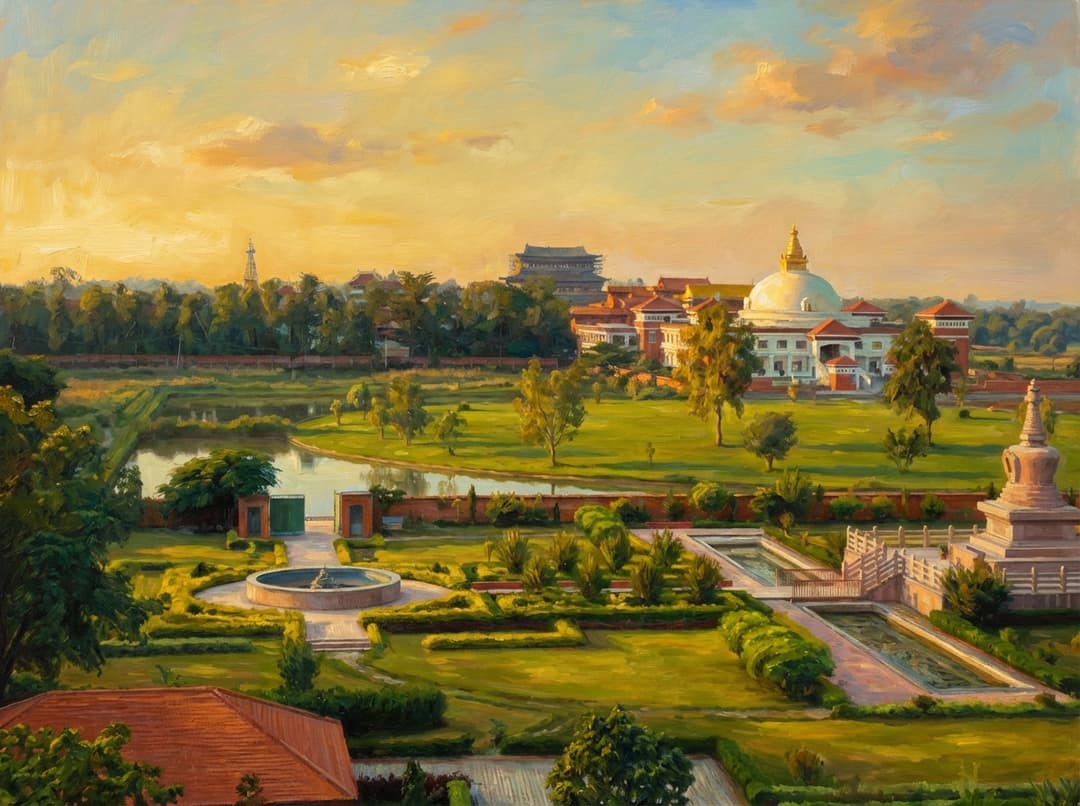
The birthplace of Siddhartha Gautama, the Lord Buddha, and a UNESCO World Heritage Site.
Explore →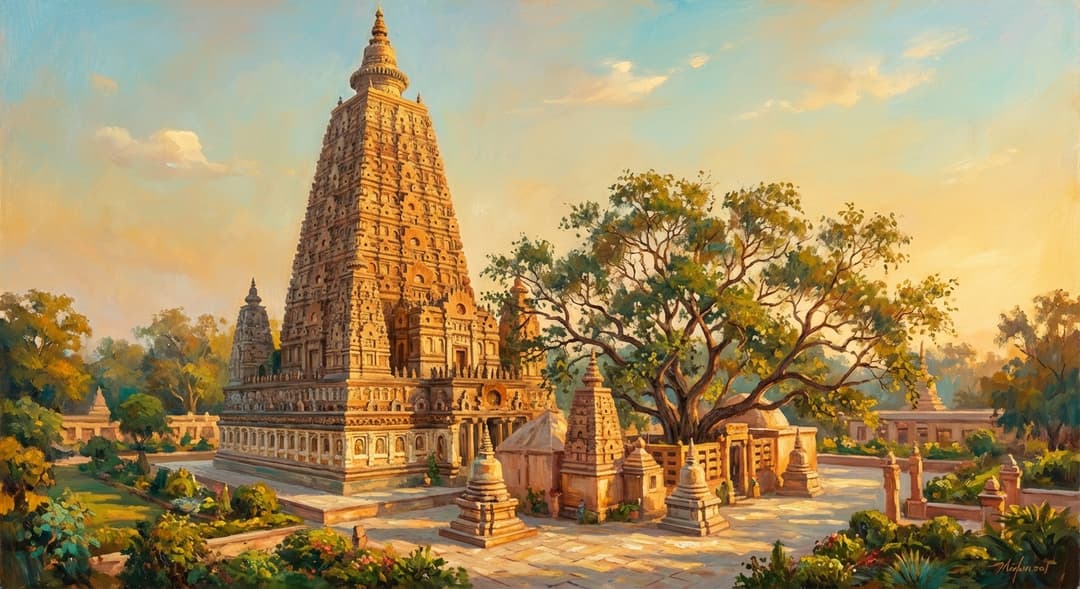
The sacred site where Siddhartha Gautama attained enlightenment and became the Buddha.
Explore →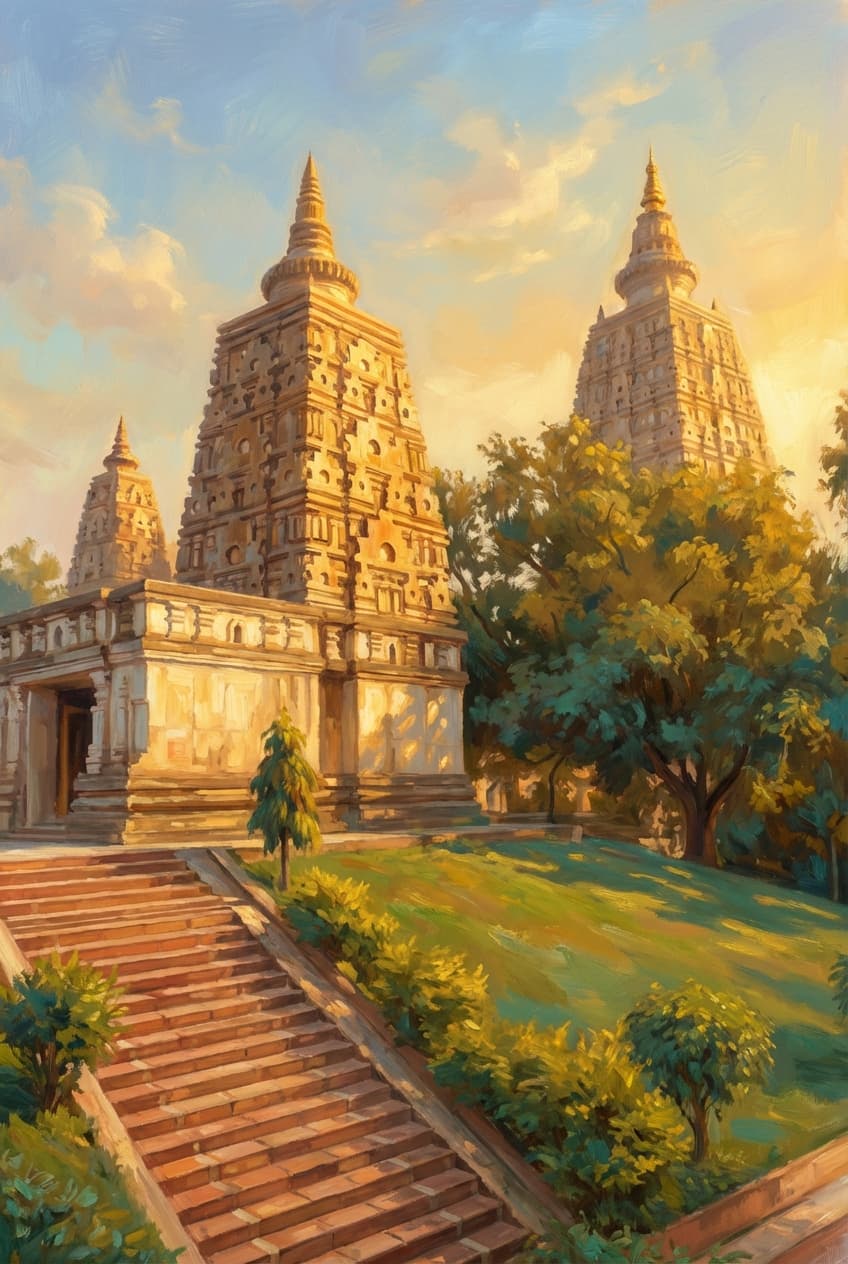
An ancient Buddhist temple in Bodh Gaya, India, marking the site where Buddha attained enlightenment.
Explore →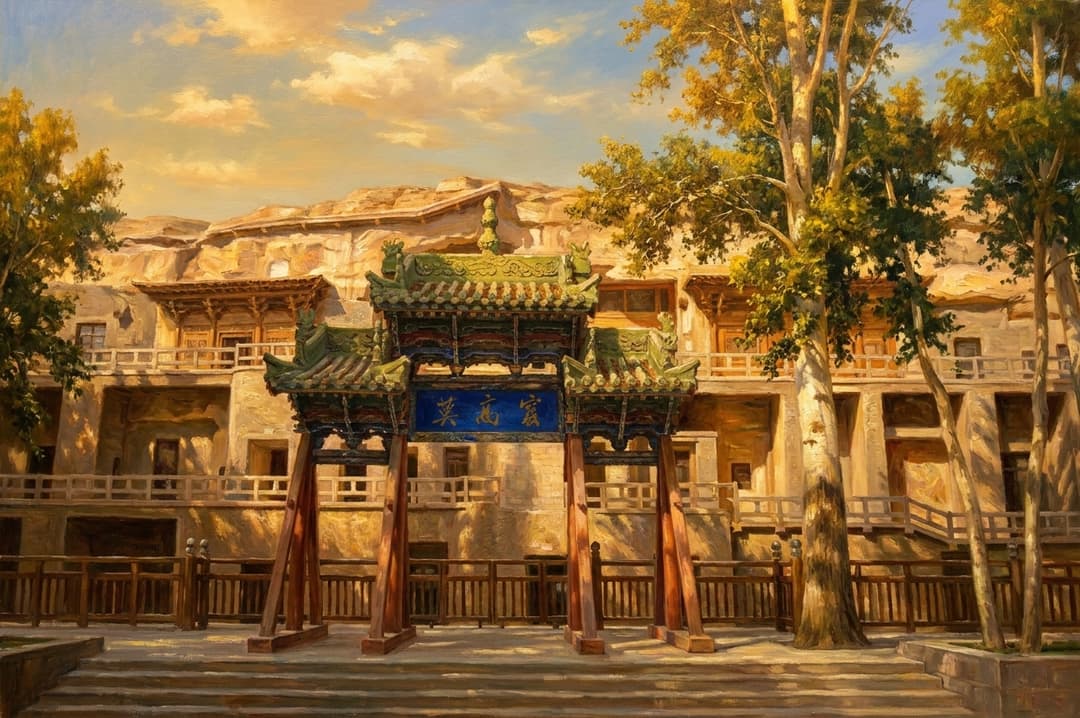
A monumental Silk Road sanctuary housing a millennium of Mahayana and Esoteric Buddhist sacred rock-cut art.
Explore →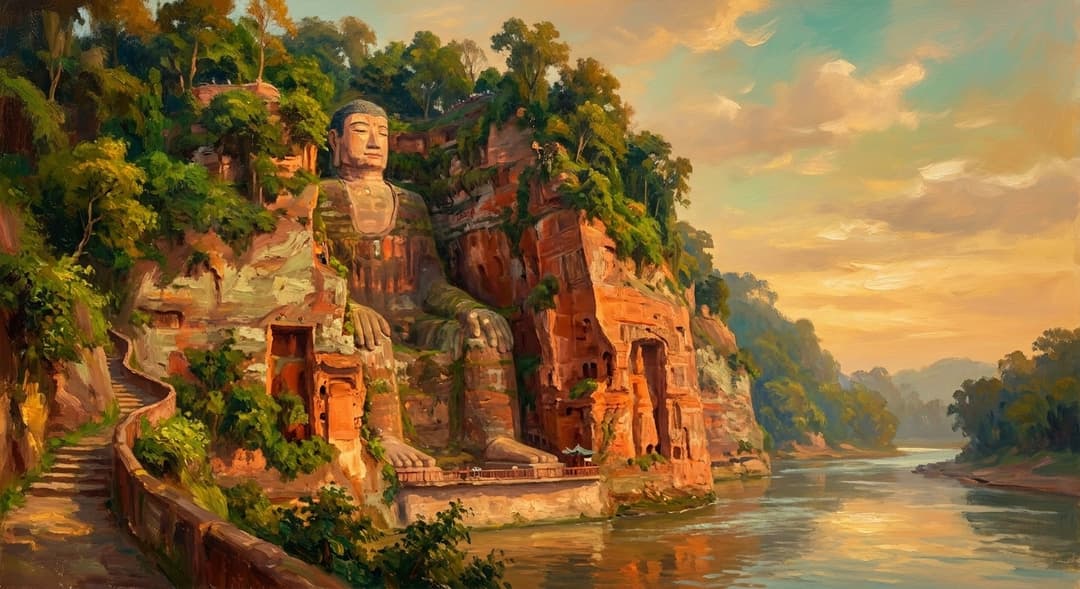
China's foundational Mahayana sanctuary featuring the colossal Leshan Giant Buddha and sacred Mount Emei.
Explore →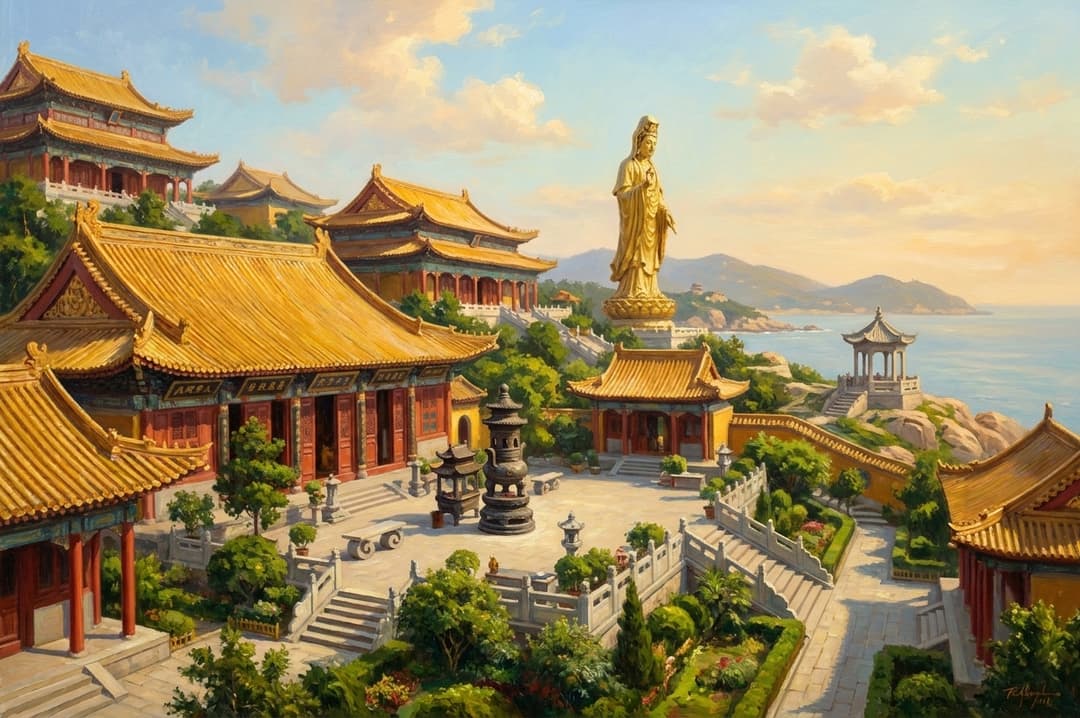
The sacred island bodhimanda of Guanyin and China's premier maritime center of Mahayana Buddhist devotion.
Explore →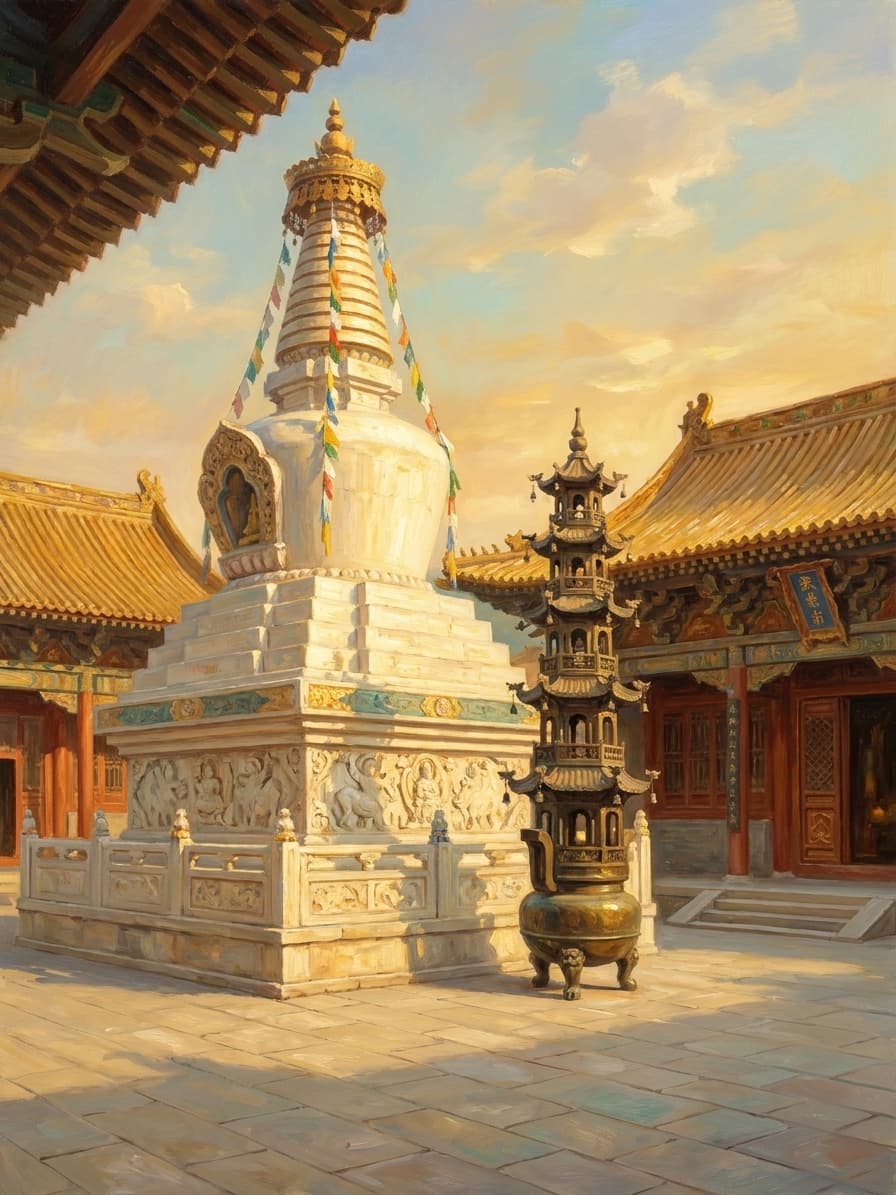
The earthly abode of Bodhisattva Manjusri and home to China's oldest timber architecture.
Explore →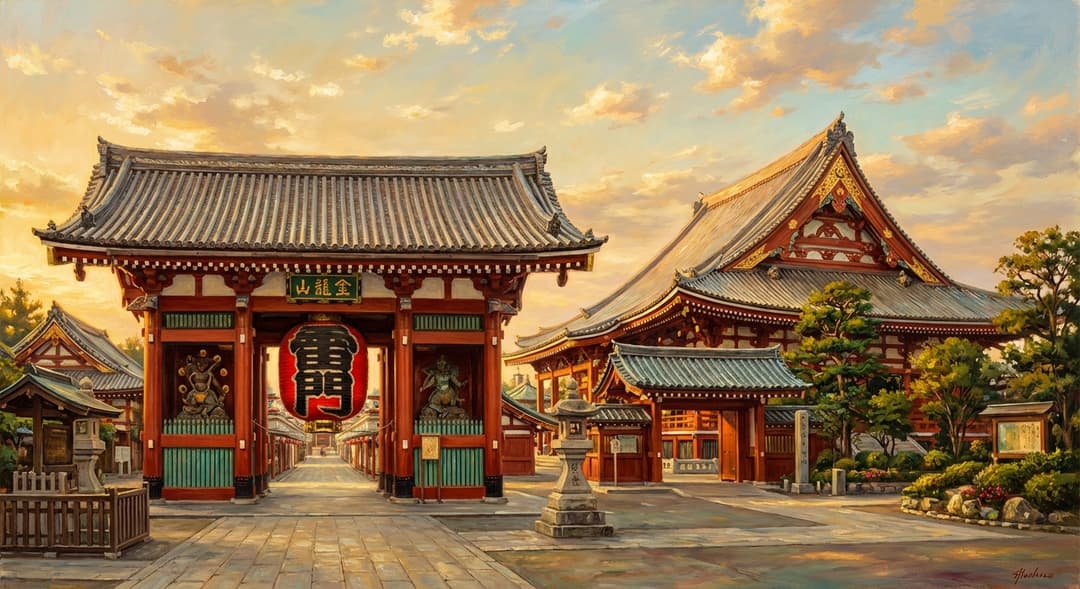
Tokyo's oldest temple, dedicated to Kannon, the Bodhisattva of compassion, attracting millions of visitors annually.
Explore →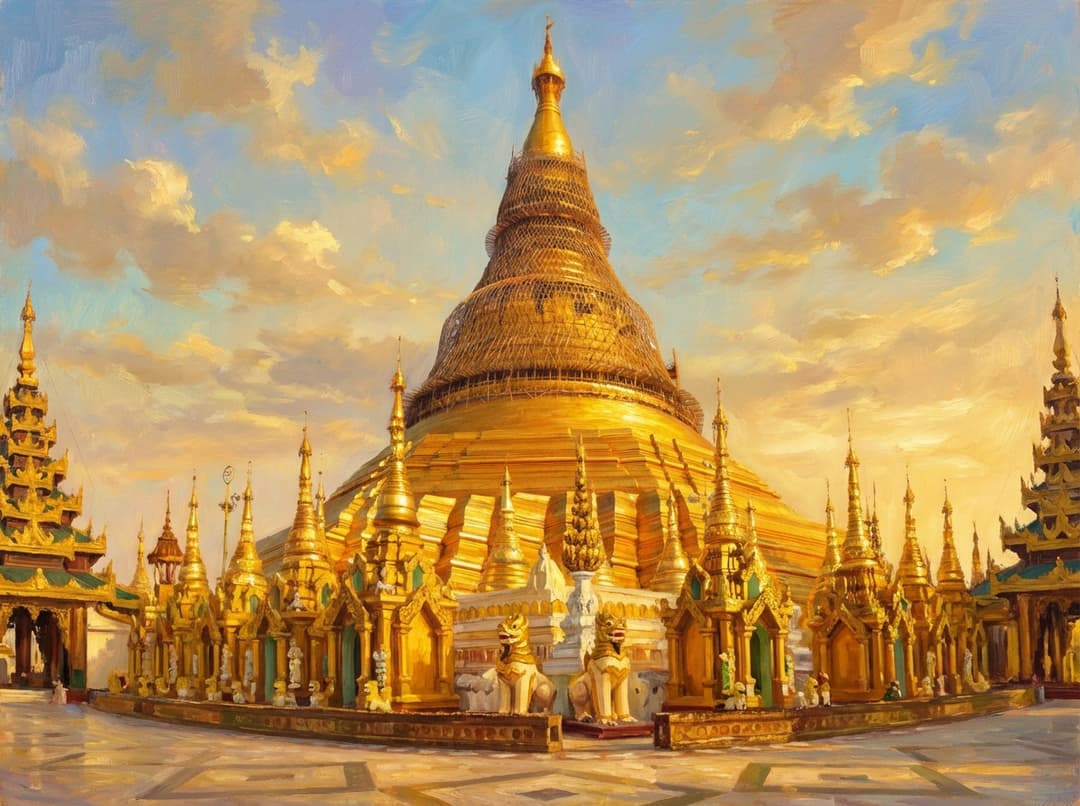
The Shwedagon Pagoda, a gilded stupa in Yangon, is Myanmar's most sacred Buddhist site, enshrining relics of past Buddhas.
Explore →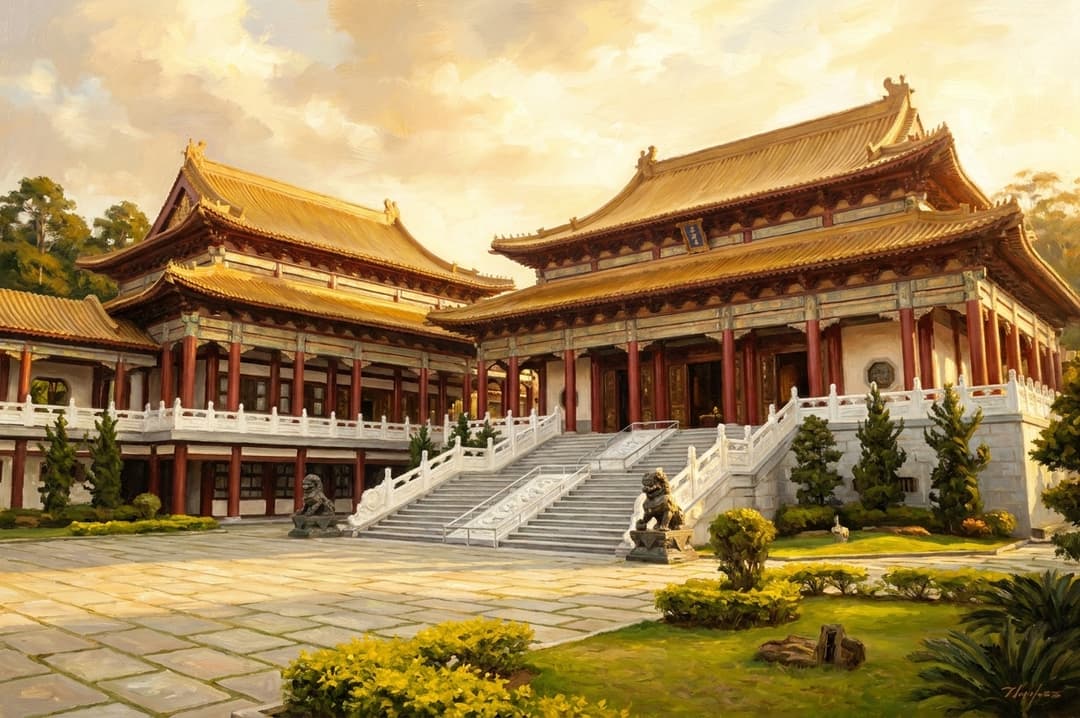
The largest Buddhist temple complex in South America, serving as a sanctuary of Humanistic Buddhism and intercultural harmony.
Explore →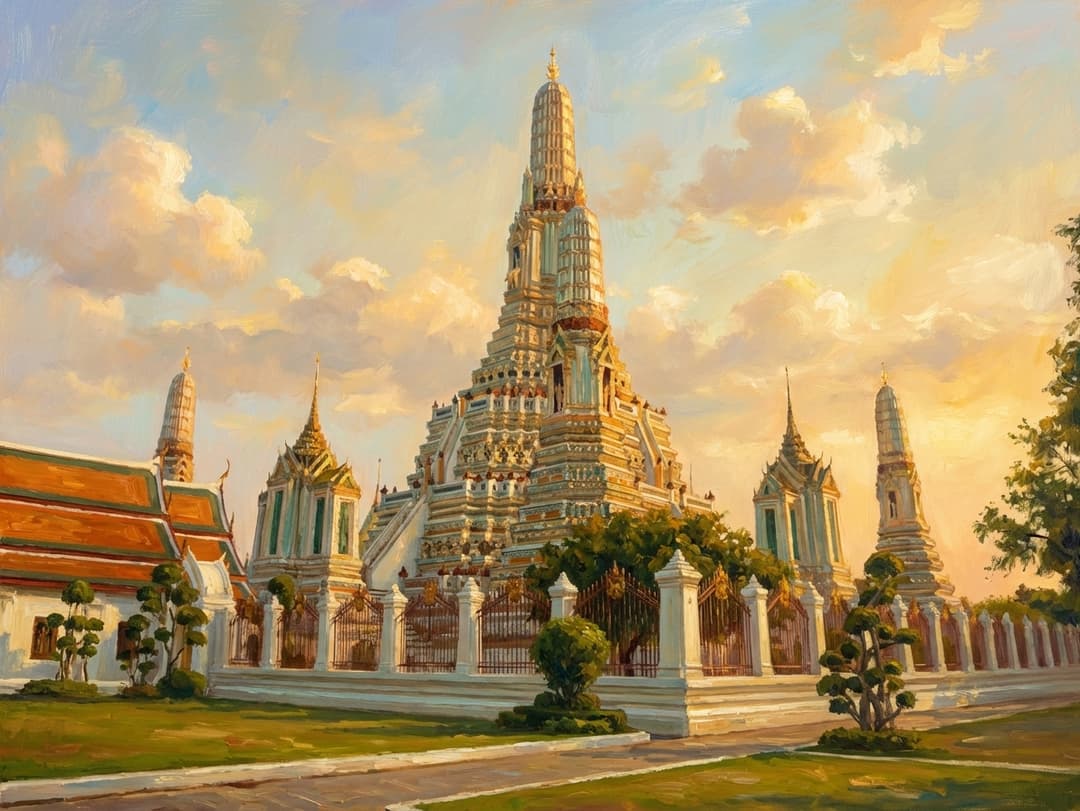
A historic Buddhist temple on the Chao Phraya River, renowned for its intricate architecture and symbolic significance.
Explore →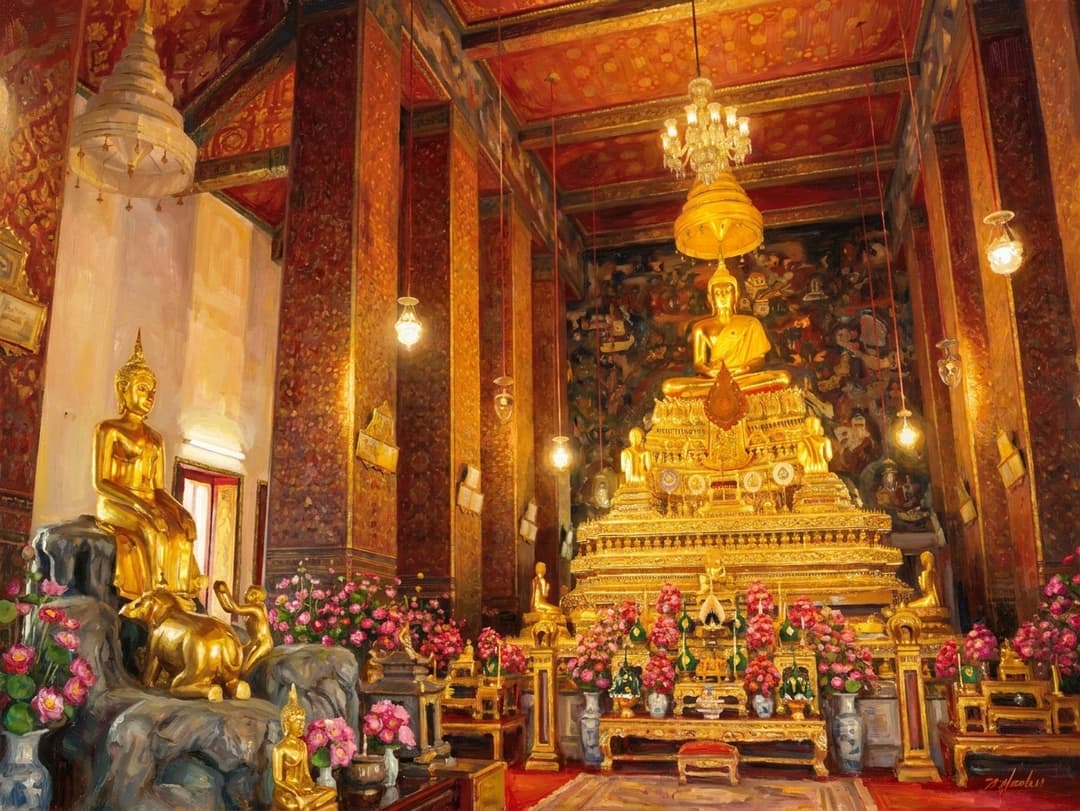
A First-Class Royal Monastery in Bangkok housing the massive 46-meter Reclining Buddha and UNESCO-inscribed medical epigraphy.
Explore →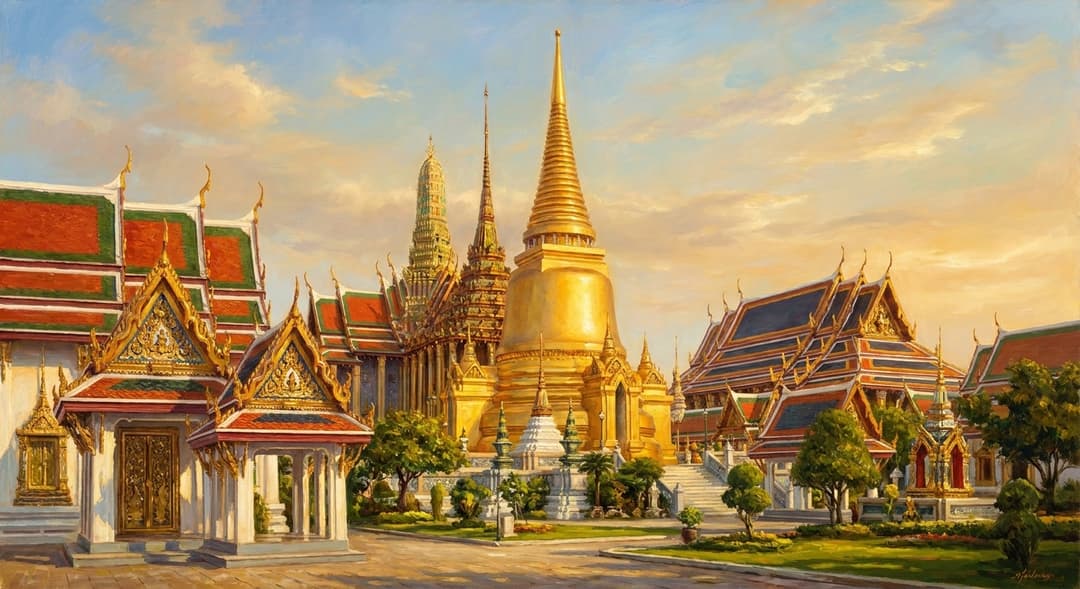
The sacred royal chapel housing Thailand's revered Emerald Buddha palladium.
Explore →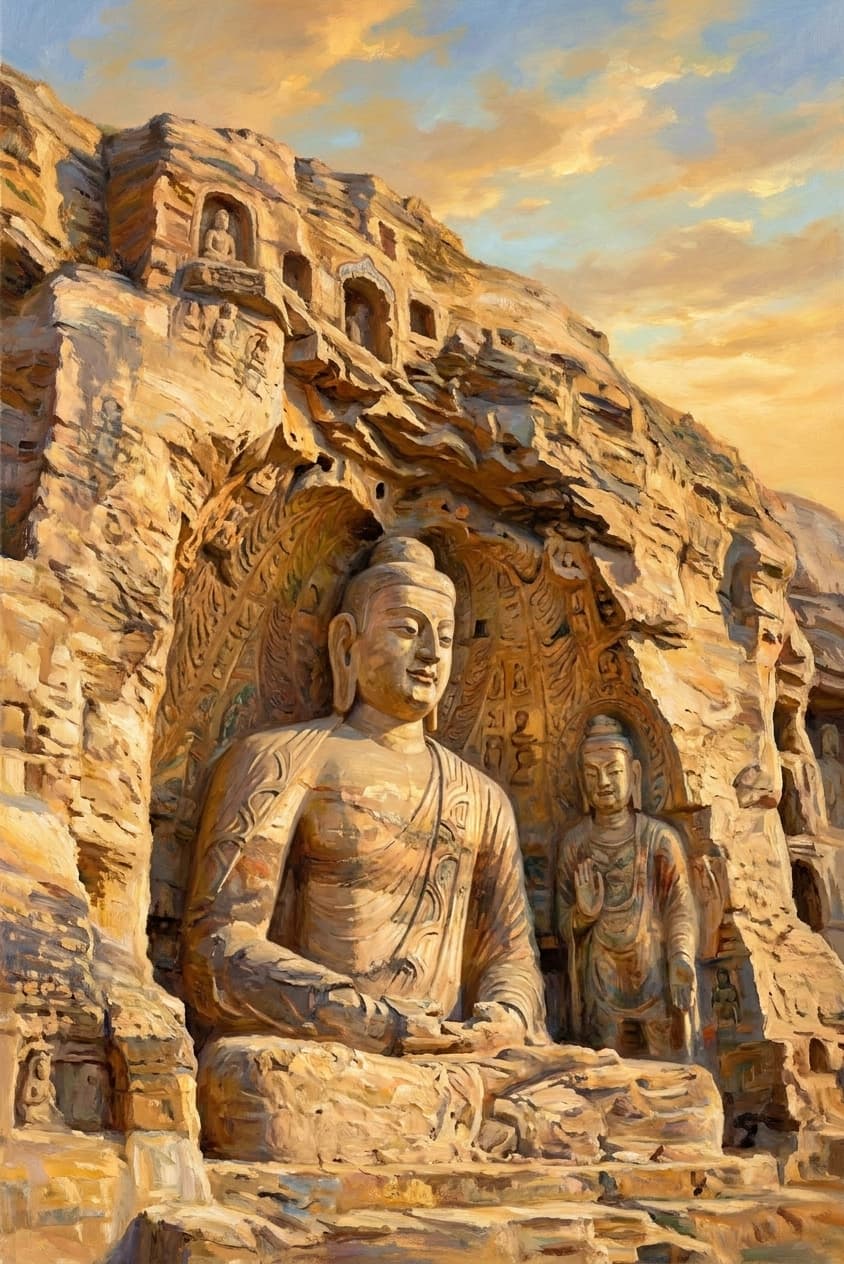
A monumental masterpiece of 5th-century rock-cut Buddhist art and Dharmic spirituality along the ancient Silk Road.
Explore →Buddhist temples are generally open to the public. Anyone, regardless of faith, is welcome to visit, observe, and even participate in meditation sessions, provided they show respect for the sacred space.
Yes, in most Asian traditions, it is customary to remove your shoes before entering the main shrine room as a sign of respect and cleanliness.
Bowing is an expression of deep respect and gratitude for the Buddha's teachings. Buddhists do not worship statues as idols; rather, the statue is a focal point representing the potential for enlightenment within everyone.
The lotus roots in muddy water but blooms immaculately above the surface. It symbolizes the soul's journey from the mud of materialism and suffering to the pure awakening of enlightenment.
Terms used on temple detail pages throughout this archive.
Breathe in as the circle expands, breathe out as it contracts.